

Higher standards for both presidents and privates

As a lowly draftee, I shared one thing with all of my superiors, up to and including the chairman of the Joint Chiefs of Staff and, in theory, at least, the commander in chief, a former GI named Eisenhower. All of us were subject to the Uniform Code of Military Justice. 

All of us, the generals and the privates, could face disciplinary measures that included imprisonment and dishonorable discharge for violation of the Code, which listed as punishable offenses serious crimes like murder and desertion, but also such things as refusal to obey orders, abuse of authority, dereliction of duty, conduct unbecoming and moral turpitude. These latter offenses would not necessarily be crimes if committed by those in the general population but they addressed the higher standards expected of a soldier under the oath he had taken.

That oath is nearly the same as that taken by the president of the United States on the day of his inauguration.

The Code, like much of our legal tradition, has its roots in English common law back to the 11th century. Revised many times over the centuries, the Code is older than the U.S. Constitution and gave early recognition to the belief that more is expected of the military.

I bring it up because of the new interest in impeachment, which also calls for more from a certain class of citizens — those holding “high” positions like president and vice president, cabinet members and federal judges. And like the Uniform Code, high crimes and misdemeanors include offenses that would not be subject to prosecution if committed by the average citizen. In other words, presidents — and privates — were held to higher standards from the founding of the nation until — we can hope — today.

The Founders were of many minds about impeachable offenses, finally settling upon “Treason, Bribery, or other High Crimes and Misdemeanors” in Article II, Section 4 of the Constitution. It was suggested by delegate George Mason and taken word for word from the phrase first used by the English Parliament in 1386 to impeach high officials for their high crimes.  

Earlier, Benjamin Franklin had called for impeachment when the Chief Magistrate “rendered himself obnoxious” and James Madison said impeachment was needed to defend the people against the Magistrate’s “incapacity, negligence or perfidy.” 

And so, from the beginning, impeachment was considered right and proper when a majority of the House of Representatives deemed the president guilty of conduct that is unbecoming of his office, be it treason or bribery or other high crimes and misdemeanors, up to and perhaps rendering himself obnoxious, negligent or perfidious.

If Donald Trump is indeed impeached by the House and tried by the Senate, he will only be the 20th high official in our long history and just the third president — Nixon beat the rap by resigning before the House voted — along with one senator, who was actually expelled by his fellow senators, one cabinet member and 15 judges.

Trump is unique among presidents facing impeachment in that he has admitted what amounts to his high crime, seeking dirt from a foreign government on a potential opponent in exchange for the release of a badly needed $391 million in arms aid already voted on and approved by Congress.

But his admission doesn’t mean he will be found guilty of this high crime and others by the Republican-controlled Senate. At the moment, it is, in fact, unlikely.

For that reason, impeachment could be a bad idea. If and when two-thirds of the Senate fails to convict him for specific high crimes and misdemeanors that the House will specify in the articles of impeachment, Trump will claim innocence, exoneration and other forms of purification and he will be technically correct. This could be very helpful in his campaign for reelection.

It might be better for the House to investigate the charges, consider them for a censure vote and leave the coming election in the hands of the voters.

Censures are about as rare as presidential impeachments. Censure resolutions aimed at James Buchannan, Abraham Lincoln and William Howard Taft went nowhere, but one president, Andrew Jackson, was formally censured by the Senate in 1834.

His offense? Withholding documents requested by Congress — of all things.


Simsbury resident Dick Ahles is a retired journalist. Email him at rahles1@outlook.com.


Latest News

Kent unveils two new 'smart bins' to boost composting efforts

Rick Osborne, manager of the Kent Transfer Station, deposits the first bag of food scraps into a new organics “smart bin.” HRRA Executive Director Jennifer Heaton-Jones stands at right, with Transfer Station staff member Rob Hayes at left.

By Ruth Epstein

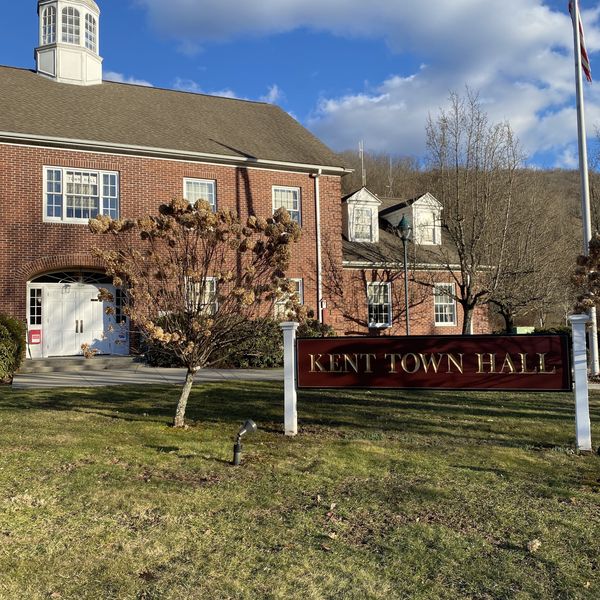
KENT — Residents now have access to around-the-clock food-scrap composting thanks to two newly installed organics “smart bins,” unveiled during a ribbon-cutting ceremony Monday morning, Dec. 1.

Rick Osborne, manager of the Kent Transfer Station, placed the first bag of food scraps into the smart bin located at 3 Railroad St. A second bin has been installed outside the Transfer Station gate, allowing 24/7 public access even when the facility is closed.

Keep ReadingShow less
Cornwall selectmen prioritize housing, healthcare in new two-year goals

Cornwall First Selectman Gordon Ridgway

File photo

CORNWALL — Housing and healthcare topped the list of 15 goals the Board of Selectmen set for the next two years, reflecting the board’s view that both areas warrant continued attention.

First Selectman Gordon Ridgway and Selectmen Rocco Botto and John Brown outlined their priorities during the board’s regular meeting on Tuesday, Dec. 2. On housing, the board discussed supporting organizations working to create affordable options in town, and Botto said the town should also pursue additional land acquisitions for future housing.

Keep ReadingShow less
Classifieds - December 4, 2025

Help Wanted

CARE GIVER NEEDED: Part Time. Sharon. 407-620-7777.

SNOW PLOWER NEEDED: Sharon Mountain. 407-620-7777.

Keep ReadingShow less
Legal Notices - December 4, 2025

LEGAL NOTICE

TOWN OF CANAAN/FALLS VILLAGE

Keep ReadingShow less