Latest News

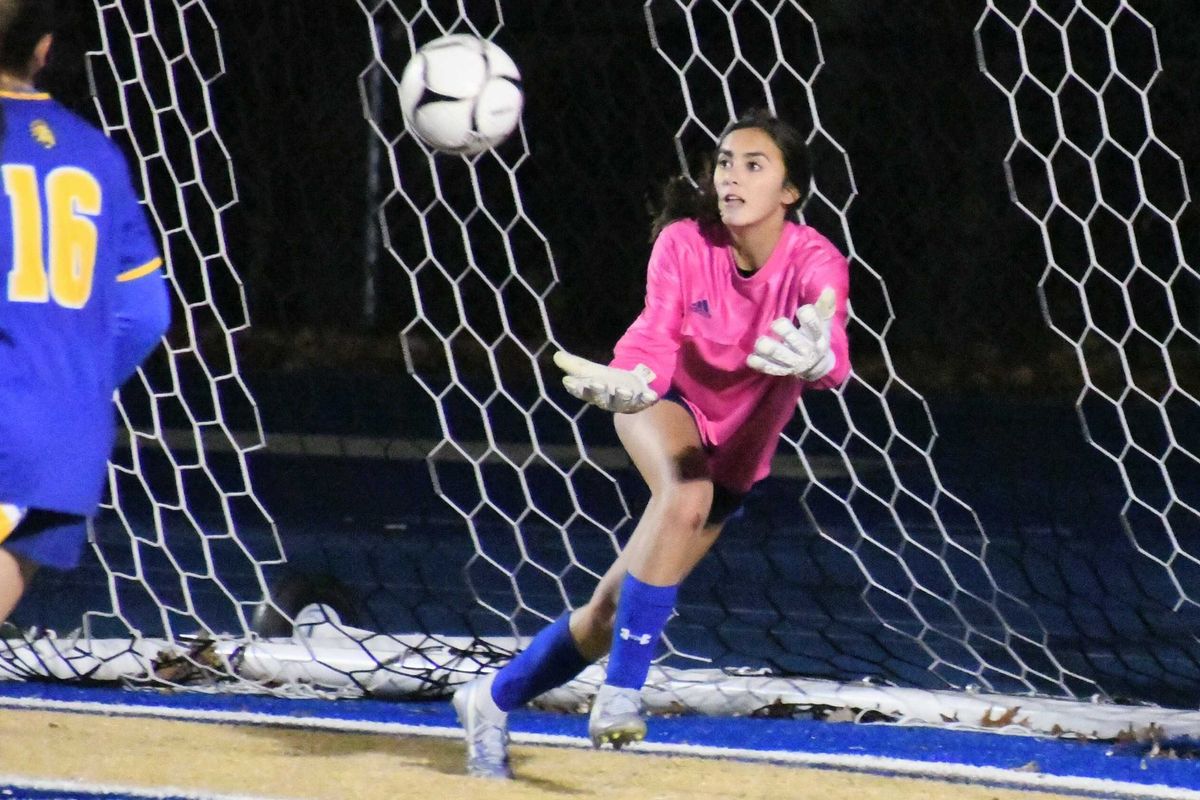
HVRHS goalie Vi Salazar made 10 saves in the semifinal game against Morgan Wednesday, Nov. 12.
Photo by Riley Klein
"It's an unfortunate loss but you know they played their hearts out," said HVRHS coach Don Drislane. "Awesome season."
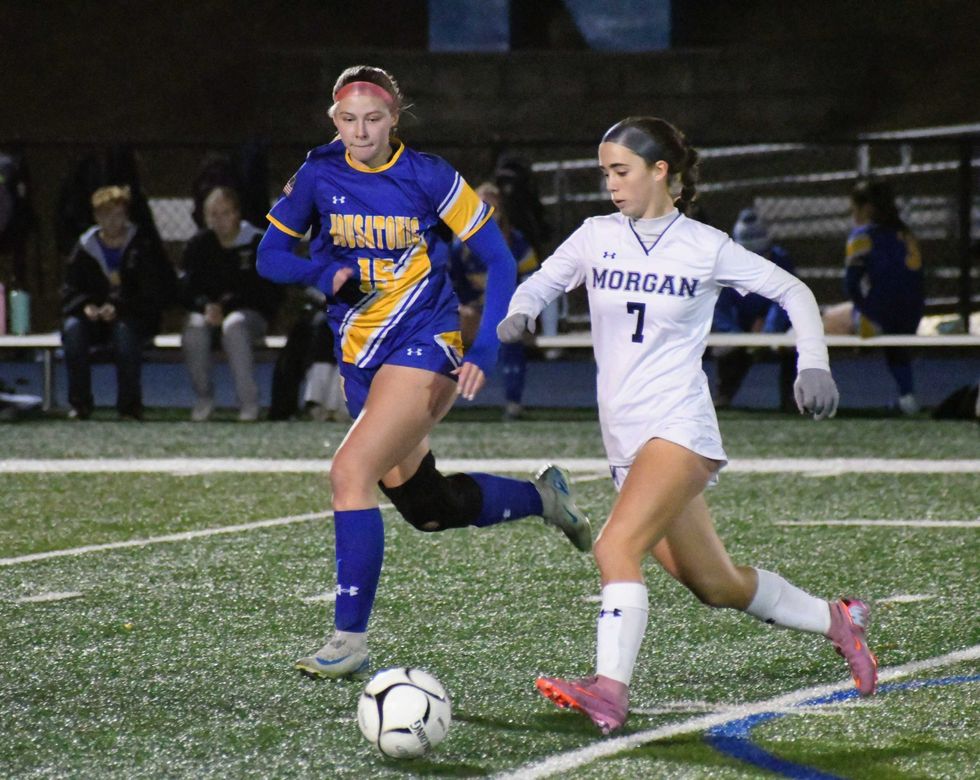 The Class S semifinal game was played at Newtown High School Wednesday, Nov. 12.Photo by Riley Klein
It was the final soccer game for HVRHS’s two senior captains: Ava Segalla and Madeline Mechare. Segalla ended her varsity career as the leading goal scorer in school history with a total of 133.
Morgan's size and speed on the field helped the Huskies dominate possession and earned them a bid to the Class S girls soccer championship for the second year in a row. In 2024, Morgan lost in penalty kicks to Coginchaug High School.
This year, the Huskies will face Old Saybrook High School in the Class S championship game at Trinity Health Stadium in Hartford on Saturday, Nov. 15 at 10 a.m. Old Saybrook defeated Canton High School 1-0 in the semis.
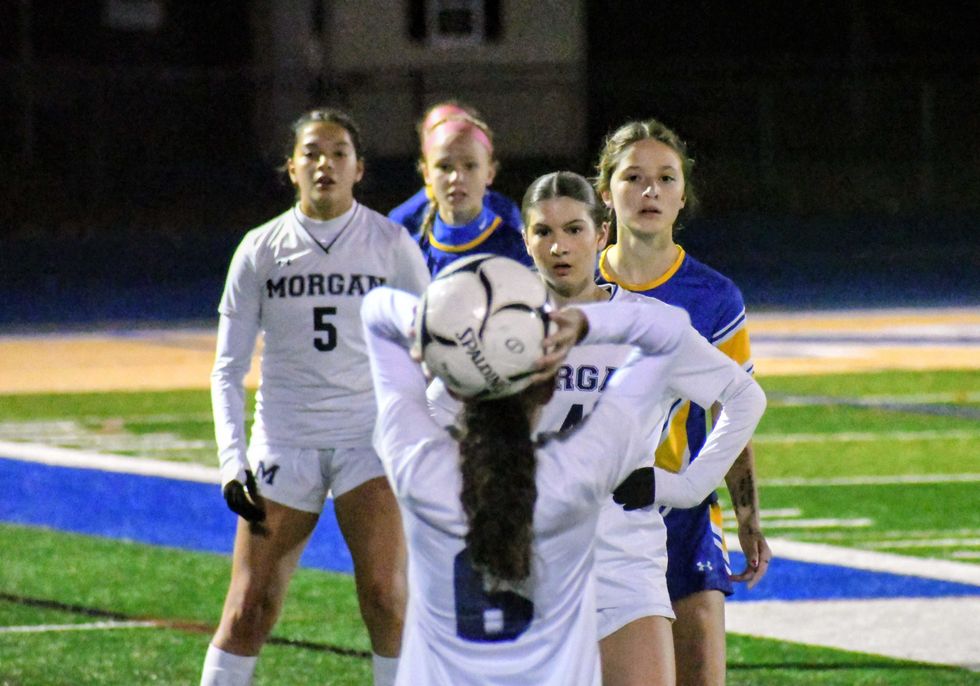
Photo by Riley Klein
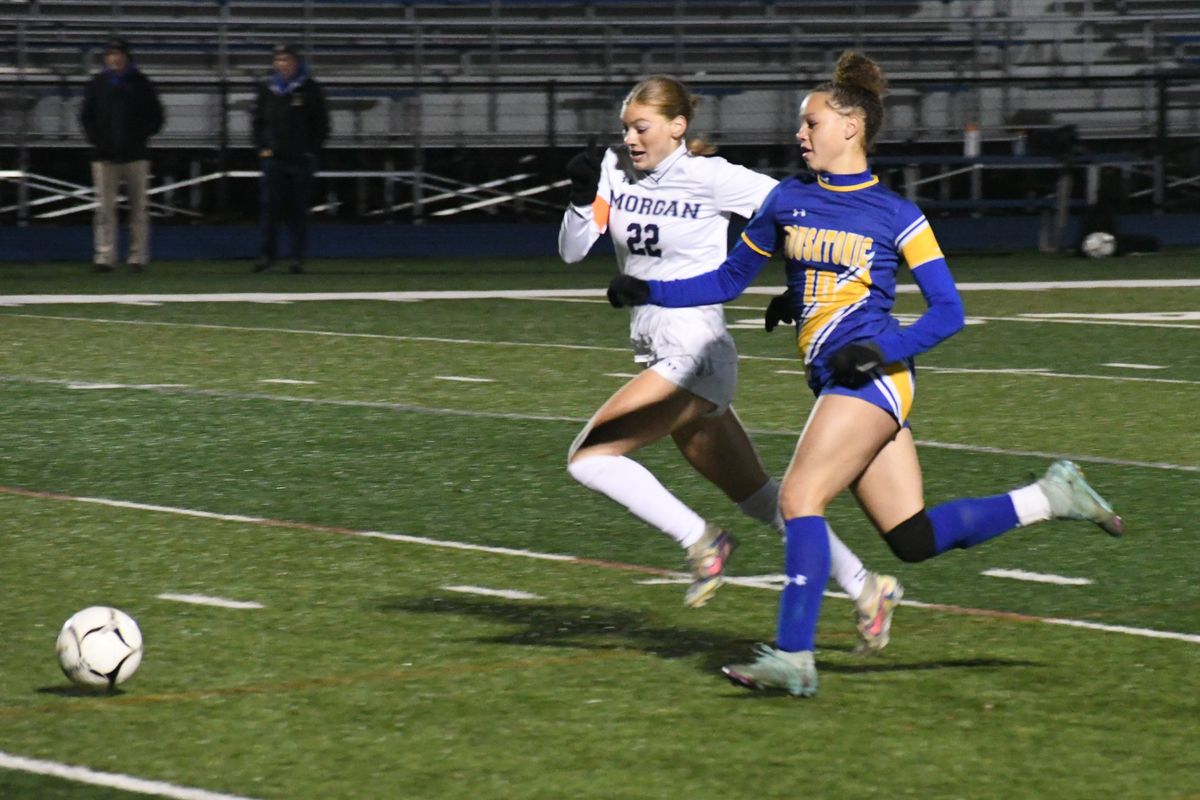
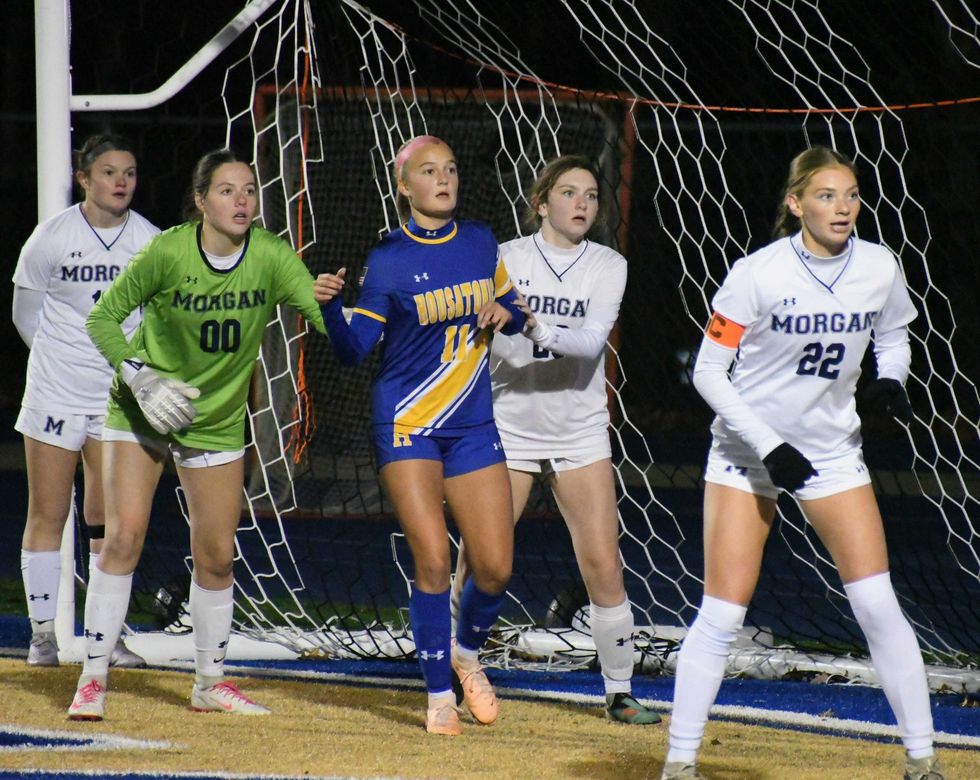
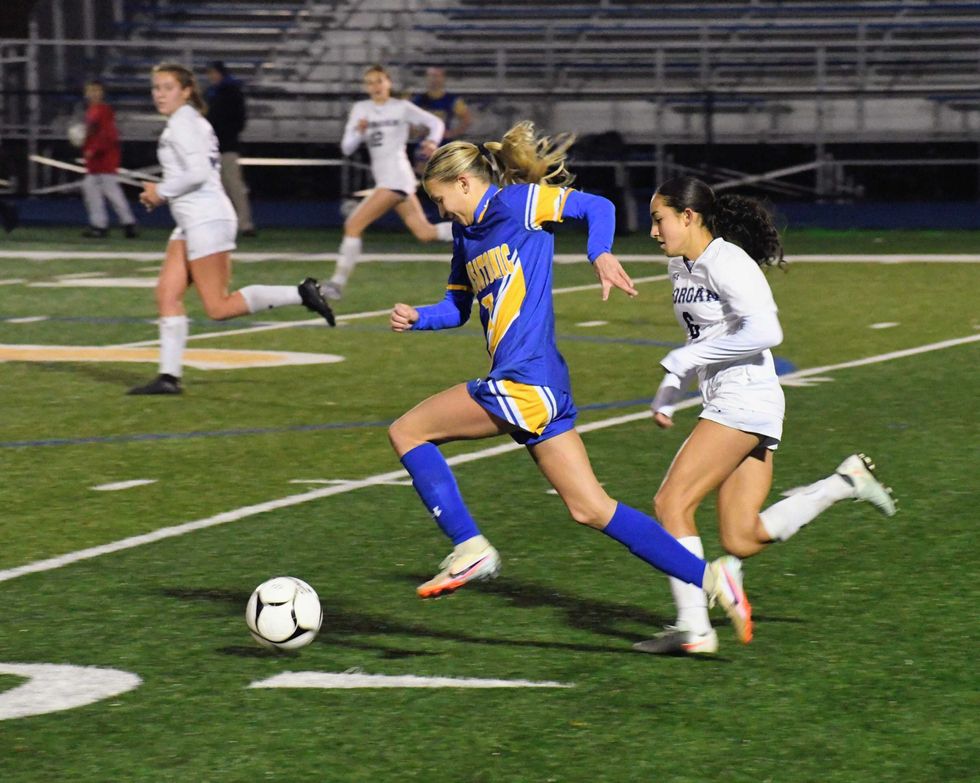
Scenes from the sideline of Housatonic vs. Morgan.

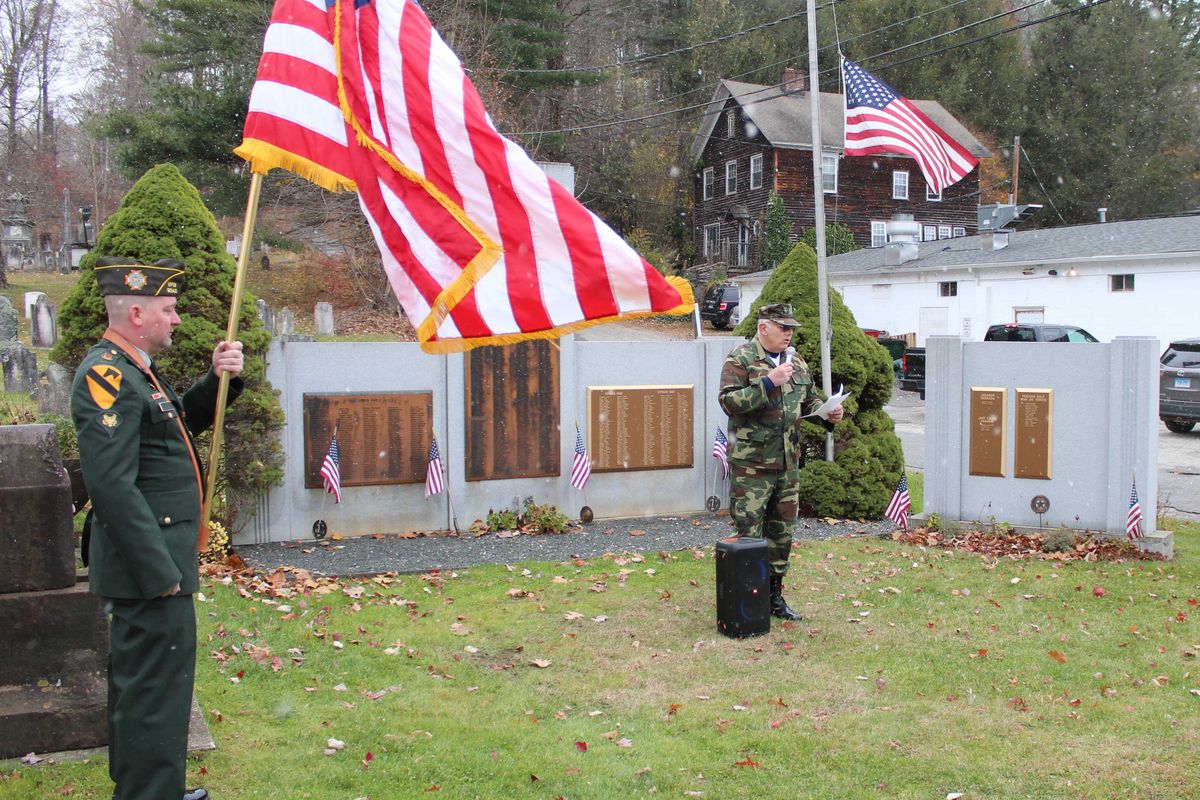
Chris Ohmen (left) held the flag while Chris Williams welcomed Salisbury residents to a Veterans Day ceremony at Town Hall Tuesday, Nov. 11.
Photo by Patrick L. Sullivan
Rev. John Nelson from Salisbury Congregational Church gave both an invocation and a benediction. The latter included this:
“We pray that those who have served and those who have died will never have done so in vain/We pray that the commitment of veterans will be an abiding call to resolve our conflicts without resorting to arms/ That one day soon we may mark the war that indeed ends all wars.”
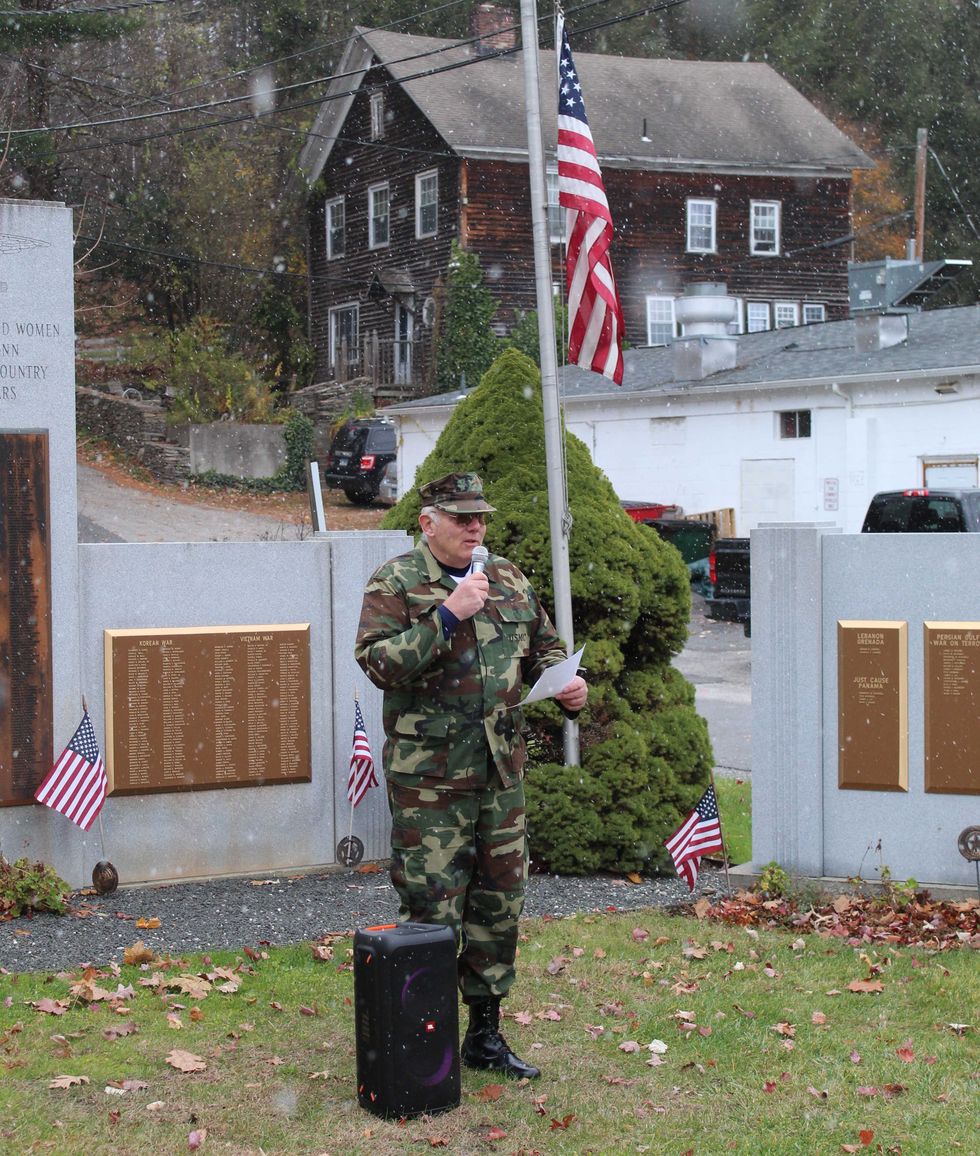 Chris Williams led the traditional Veterans Day ceremony at Salisbury Town Hall on a cold and snowy Tuesday morning, Nov. 11Photo by Patrick L. Sullivan
Williams began his remarks by noting that the Veterans Day speech was usually given by the late David Bayersdorfer, who died earlier this year.
“As we honor our veterans today, let’s keep in mind that service comes in many forms. Each role, each job, each post is a vital part of what makes our military the finest in the world.”
Lloyd Wallingford sang “God Bless America” a cappella, with the crowd joining in.