A pilot’s take on the B-17 crash

Three weeks before the tragic loss of life in the B-17 crash at Bradley Field, my brother Michael and I toured that plane at Oxford Airport. Michael is a licensed pilot and had flown in that plane many times. He even got to take the controls on one flight to Boston some years ago.

The B-17 was owned by the Collings Foundation, which travels around the country with its fleet of World War II planes. They include two other bombers, a B-24 (the last airworthy one in the world) and a B-25, and two fighters, a P-51 Mustang and a P-40 Warhawk.

People can go through the bombers on the ground and even go up for flights. That’s what was happening when the B-17 crashed with 13 aboard (three crew and 10 passengers) with multiple deaths and injuries. The exact cause of the crash is under investigation.

There are still a few veterans around the state who served in these planes during the war. They turn out whenever the planes come back, along with thousands of citizens, who can get some sense of how harrowing and dangerous such service was when they go inside the planes.

The inside of a B-17 seems a lot smaller, tighter and more vulnerable than it looks from the outside. It’s called a “Flying Fortress” but from the inside it’s more like a long tin can with thin metal skin, lightweight girders and exposed control cables running down the inside of the fuselage.


There were few frills on the B-17. One can imagine how easily enemy bullets and anti-aircraft flak could rip through the plane (and one’s flesh), or the plane could explode, especially with the bomb load still inside, and how often crew members would get frostbite in the unheated, uninsulated planes.

Climbing up the ladder under the cockpit for our tour, we had to crawl through much of the plane, wriggling on hands and knees through several very tight compartments where the bombardier and radio operator worked before getting to the mid-section, where you could more or less stand up. Then back down on knees if you wanted to get into the tail section. Getting into the bottom ball turret gunner’s position would be out of the question for anyone but children and smallish young adults.

Michael had volunteered for many years with the Collings Foundation and he flew in their planes to air shows around the northeast and events like the one at Bradley. Of the B-17’s flight characteristics, he said:

“It’s a very nice stable airplane to fly. A little heavy on the controls but solid. It was always my favorite. Easy to negotiate in flight. The B-24 is much more difficult. To me the B-17 just looked right. It looked sturdy. It looked like it should fly.”


If you’ve seen the 1949 movie “Twelve O’Clock High” or the 1960s TV show of the same name or the 1946 film “The Best Years of Our Lives,” you have an idea of what B-17s were like. The crash leaves only nine airworthy B-17s out of more than 12,000 built for service in World War II. There already is renewed debate about whether the remaining planes should fly any more or become static ground displays.

“I know the NTSB [National Transportation Safety Board] will do a thorough job of investigating,” Michael said, “and I only hope our knee-jerk politicians give them the opportunity to finish and make appropriate recommendations.

“Although it’s inevitable that age and lack of parts may someday ground them, I’d hate to think future generations like my grandchildren won’t be able to see these gems in the air, in their element where they were intended.”

He added, “As tragic as the crash was, everyone who ‘buys a seat’ understands there’s a risk associated with that purchase — no different from the risk associated with commercial flights or trains or buses, all of which have had occasional disastrous days.

“We get complacent. We think nothing of giving control of a 4,000-pound projectile to a 16-year-old novice and pass within 6 feet of each other at 60 miles an hour. Talk about risk.”

Michael slightly knew the pilot who died in the B-17 crash.  Both he and the co-pilot were highly competent, experienced pilots, he said.

“I can guarantee you one thing: That crew was doing everything in their power to bring that machine safely to earth.”

Mark Godburn is a bookseller in Norfolk.

Latest News

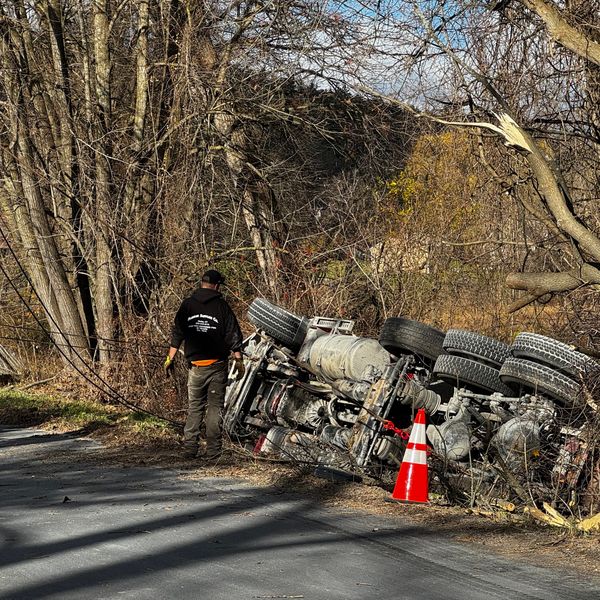
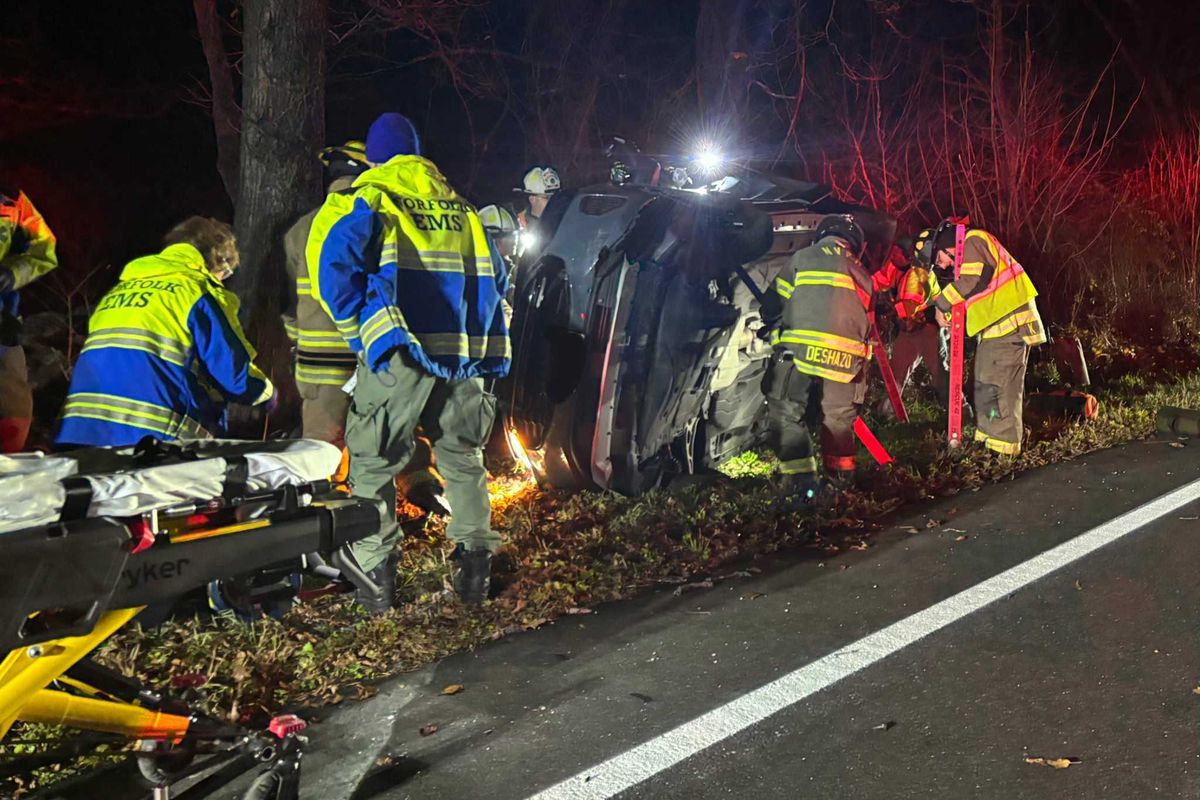
Man, 60, dies in single-car crash on Route 272 in Norfolk

Norfolk fire and ambulance crews responded to a one-vehicle crash on Route 272 (Litchfield Road) shortly after 6 p.m. Friday, Nov. 14.

Photo provided

NORFOLK — A 60-year-old Oregon man is dead after a single-car crash Friday, Nov. 14, according to Connecticut State Police.

Kevin Scott, of Portland, was driving a Ford Escape southbound on Route 272 (Litchfield Road) when he exited the roadway while negotiating a curve and struck a utility pole. The Ford rolled onto its side and the airbags deployed. No other vehicles were involved in the crash and there were no passengers in the car.

Keep ReadingShow less
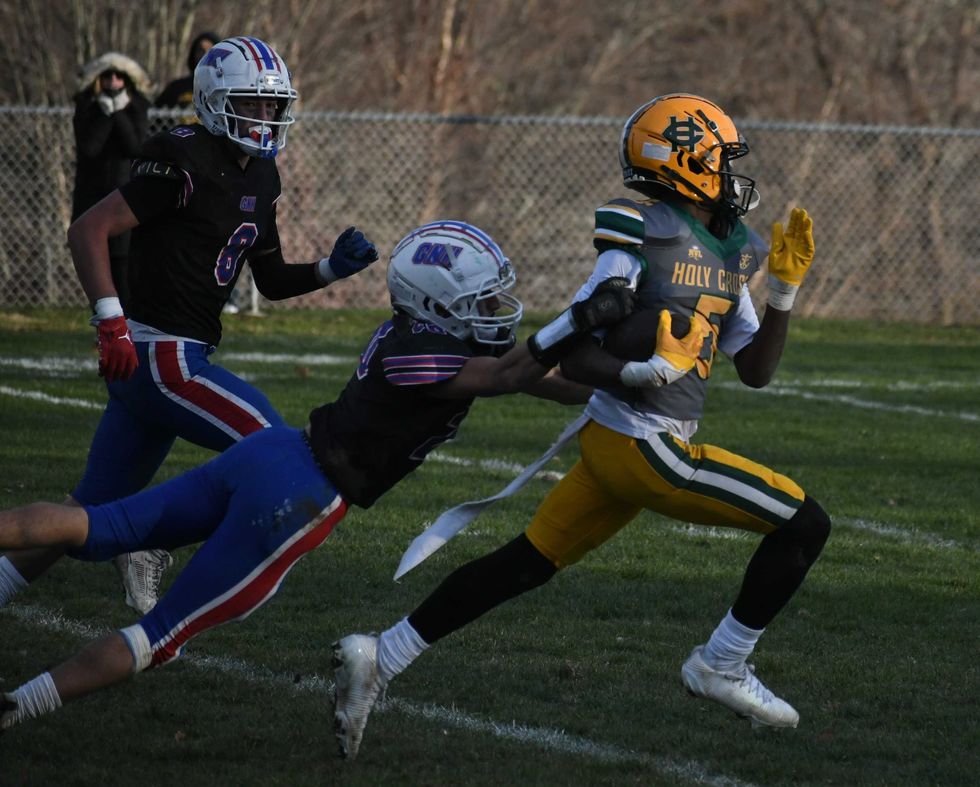
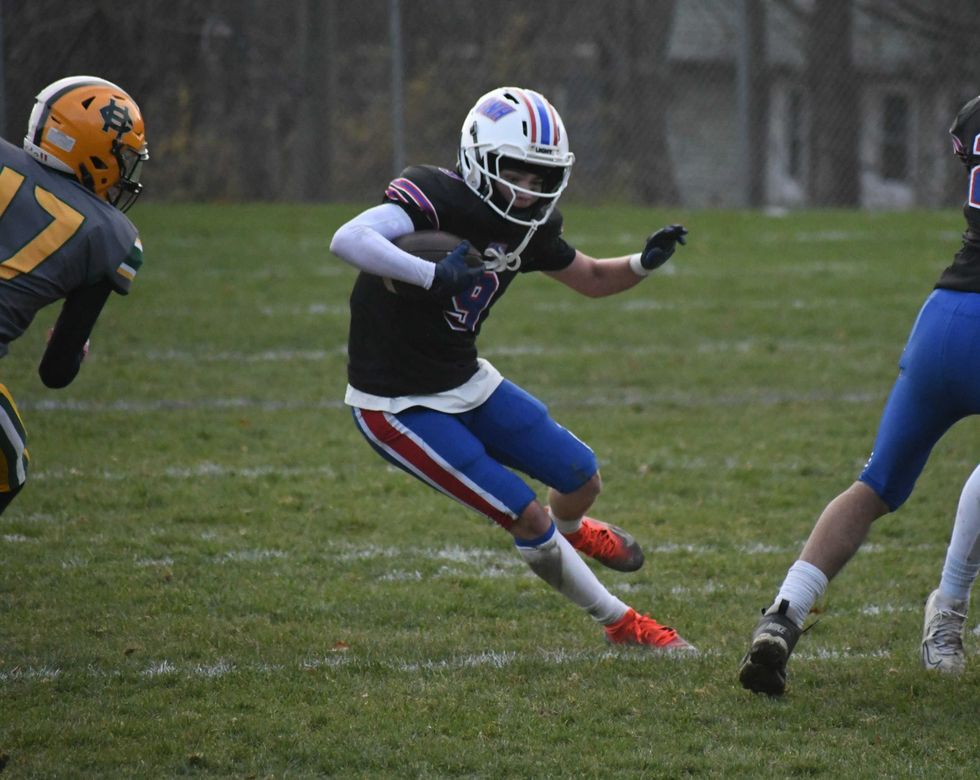
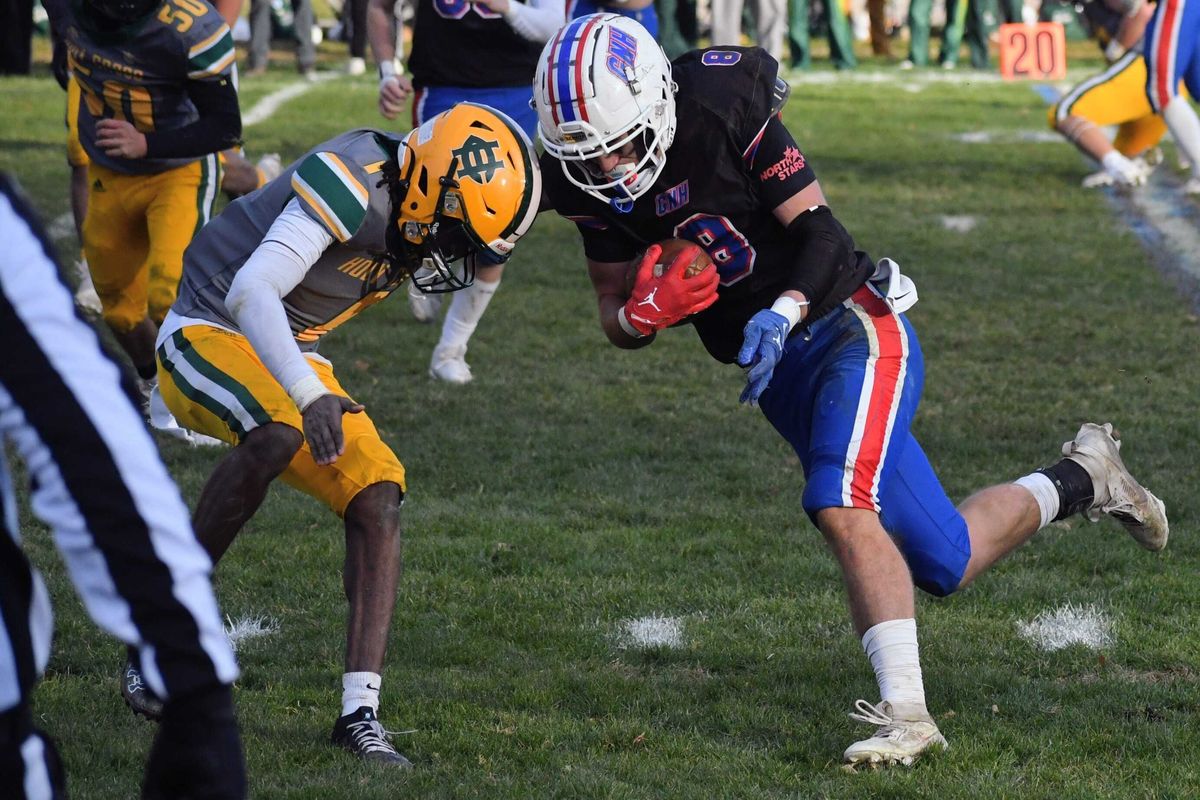
GNH collides with Holy Cross
Dae'Sean Graves and Owen Riemer brace for impact Saturday, Nov. 15.
Photo by Riley Klein

WINSTED — Holy Cross High School won 36-20 against the Gilbert/Northwestern/Housatonic co-op football team Saturday, Nov. 15.

The hard-fought contest was won in the air. Holy Cross QB Brady Lombardo completed 16/31 passes for 309 yards with five touchdowns and one interception.

Keep ReadingShow less
Final four finish for Mountaineers
HVRHS goalie Vi Salazar made 10 saves in the semifinal game against Morgan Wednesday, Nov. 12.
Photo by Riley Klein

NEWTOWN — Housatonic Valley Regional High School's girls soccer team's state tournament run concluded in the semifinals with a 4-2 loss to Morgan High School Wednesday, Nov. 12.

The final four finish was the deepest playoff push for Housatonic since 2014. Lainey Diorio scored both goals and keeper Vi Salazar logged 10 saves in the semifinal game.

Keep ReadingShow less