The dozens of viewers who attended the December talk on the life and art of Sharon, Conn., summer artist-resident Alethea Hill Platt came away with a more informed appreciation of this late 19th- and early 20th-century woman, who earned every inch of her success as an artist while exercising her fierce independence as a woman of her times.
Sponsored by the Sharon Historical Society and held on Friday, Dec. 11, the vividly detailed talk was titled, “A Kind of Nobility: The Forgotten Artist Alethea Hill Platt.” Presenting the Zoom lecture was scholar and researcher Eve Kahn, who said she undertook her research when the COVID-19 pandemic began in March.
The more Kahn uncovered about the substantial body of work accomplished by her extraordinary subject (who was a friend of Florence Griswold and many leading Connecticut families of the time), the more her subject intrigued her.
The sixth of nine children, Platt was born into a family descended from Revolutionary War officers, Kahn said. Platt lived her early years in Manhattan, across Fifth Avenue from the First Presbyterian Church. A fiercely bitter court battle over family inheritance issues brought the loss of the Fifth Avenue address and brought her to live with a relative in Sharon in 1898.
Her Sharon home and studio space along Cornwall Bridge Road came to be named Ellespie Studio.
She also maintained studio space on Eighth Avenue in New York, where she taught and resided. The Van Dyke Studios building was a haven for Bohemians, according to Kahn. The building still stands.
Kahn presumed that an estate settlement must have been reached, providing the means to support an independent life of travel.
Platt was comfortable working in the developing American Impressionist style. To the practiced eye, her work seemed effortless, mostly oil applied thickly on canvas and some watercolors. She traveled and painted frequently in Europe, but in 1914 American artists could no longer travel abroad. So, Platt went to Maine and throughout New England to find inspiration and forest, land and water scenes, Kahn said.
Critics were not always impressed. One wrote that all four corners of Platt’s painting would make a pleasant picture, while another complained of “too much zest in the details.”
Nevertheless, Platt presented more than 200 exhibitions during her fairly noteworthy career, lending her energies in support of organizations that in turn promoted women artists.
Platt’s final painting in 1931 was of a relative, Stuart Platt. She died in 1932 and is buried in White Plains, N.Y. Some of Alethea’s relatives are buried at Hillside Cemetery in Sharon.
Platt invited anyone with information to share about Platt or questions to contact her at www.evekahn.com.
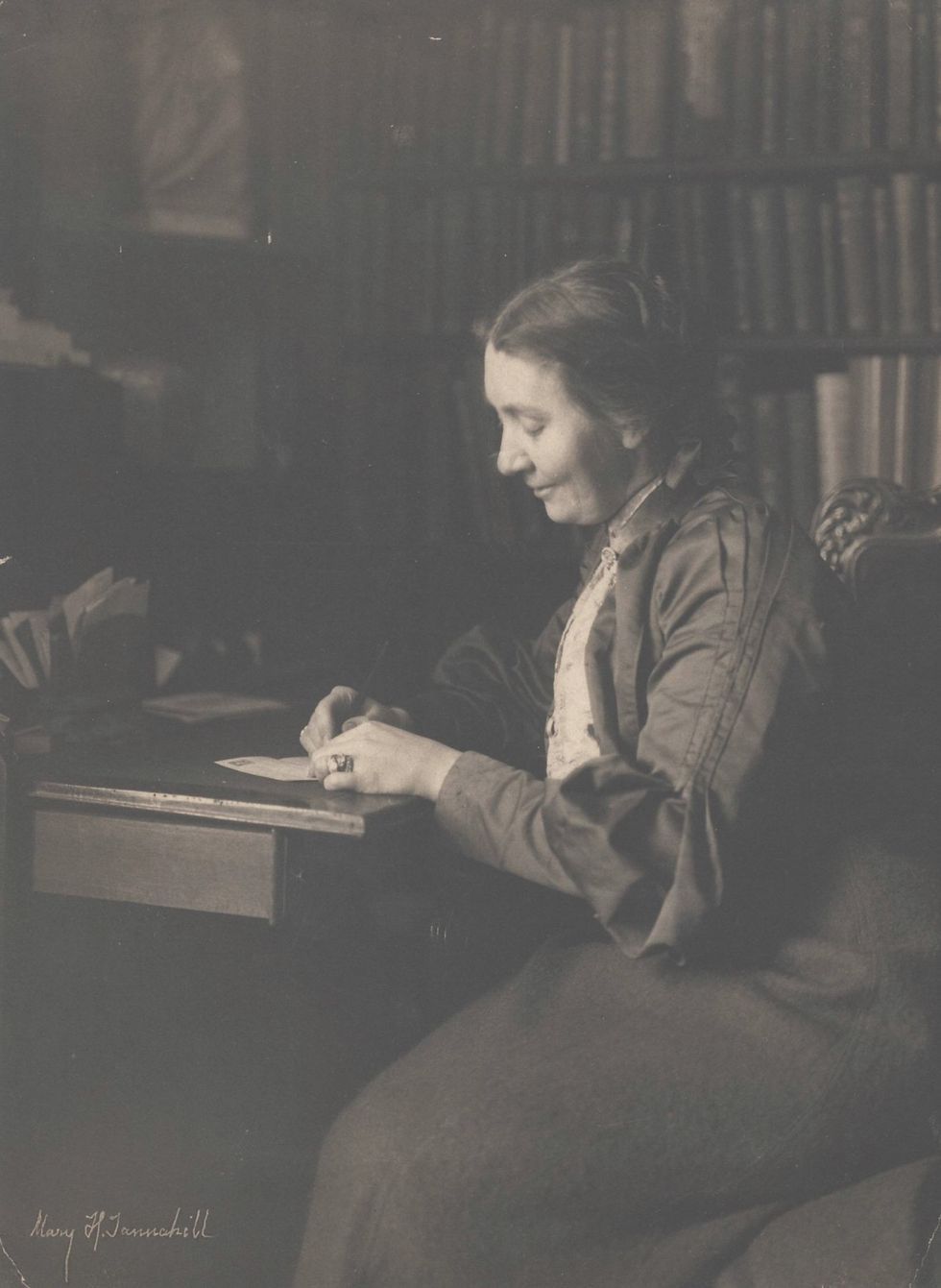
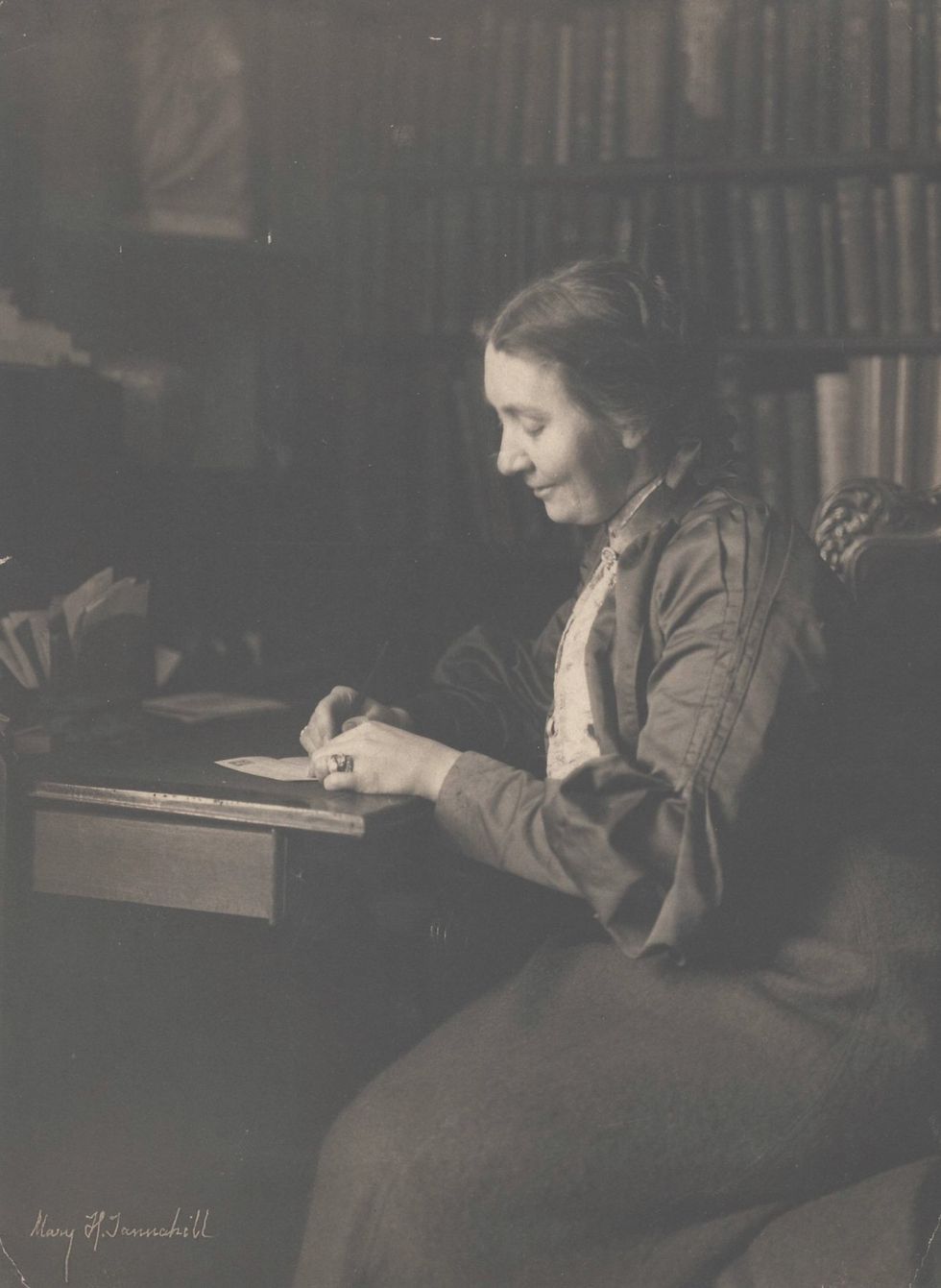
Alethea Hill Platt, who lived the later part of her life in Sharon, was an artist who also supported the work of other women artists. This portrait of her was taken by her friend and New York City neighbor, the artist Mary H. Tannahill, in the early 1900s. Photo courtesy Platt family
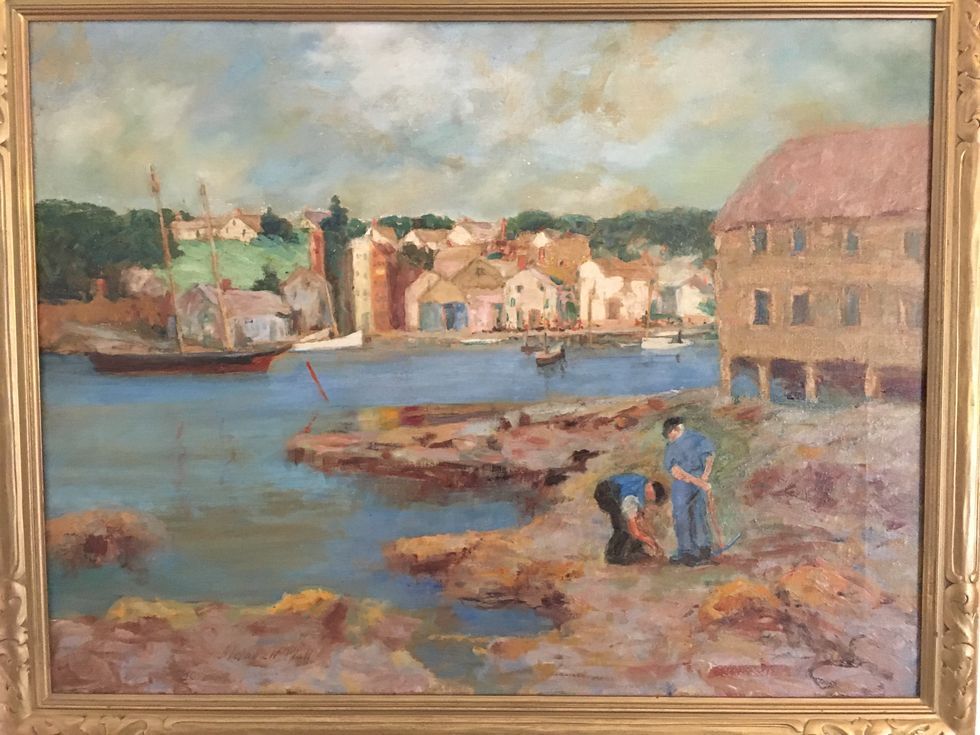
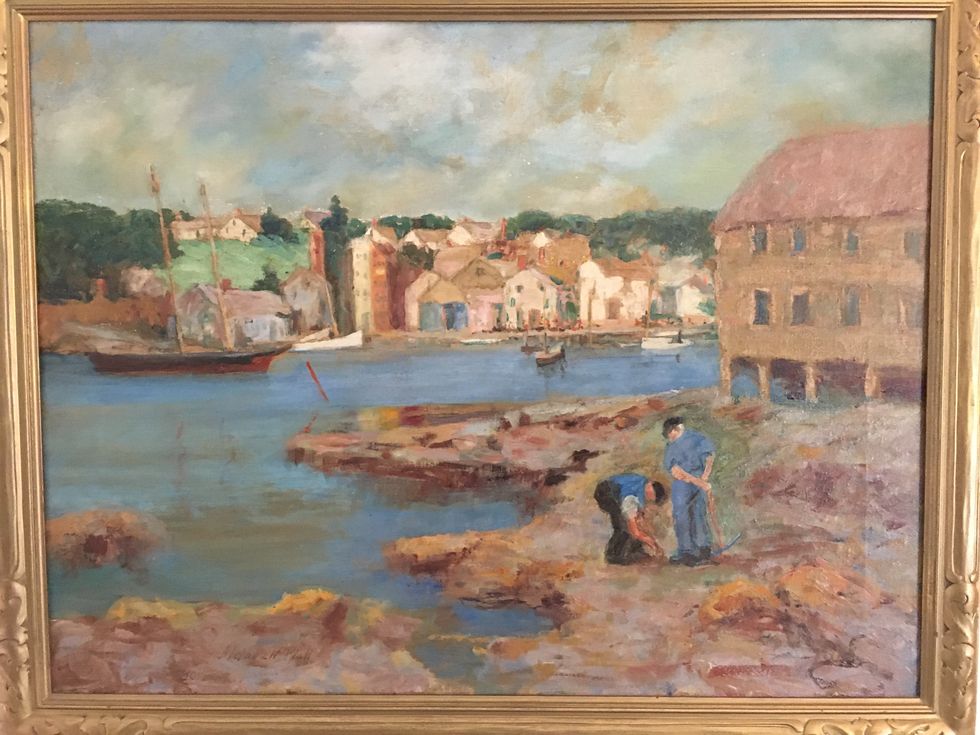
Untitled view of Boothbay Harbor, c. 1920s. Photo courtesy Platt family
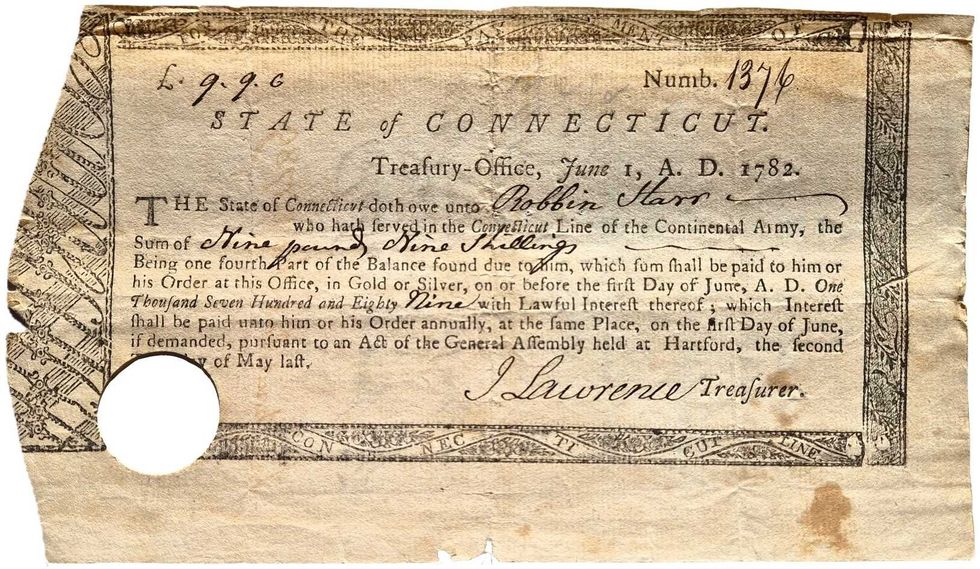 Pay Bill for Robin Starr’s service in the Continental Army.Courtesy the Alex Breanne Corporation
 John Mills speaking at Quinnipiac University.Courtesy the Alex Breanne Corporation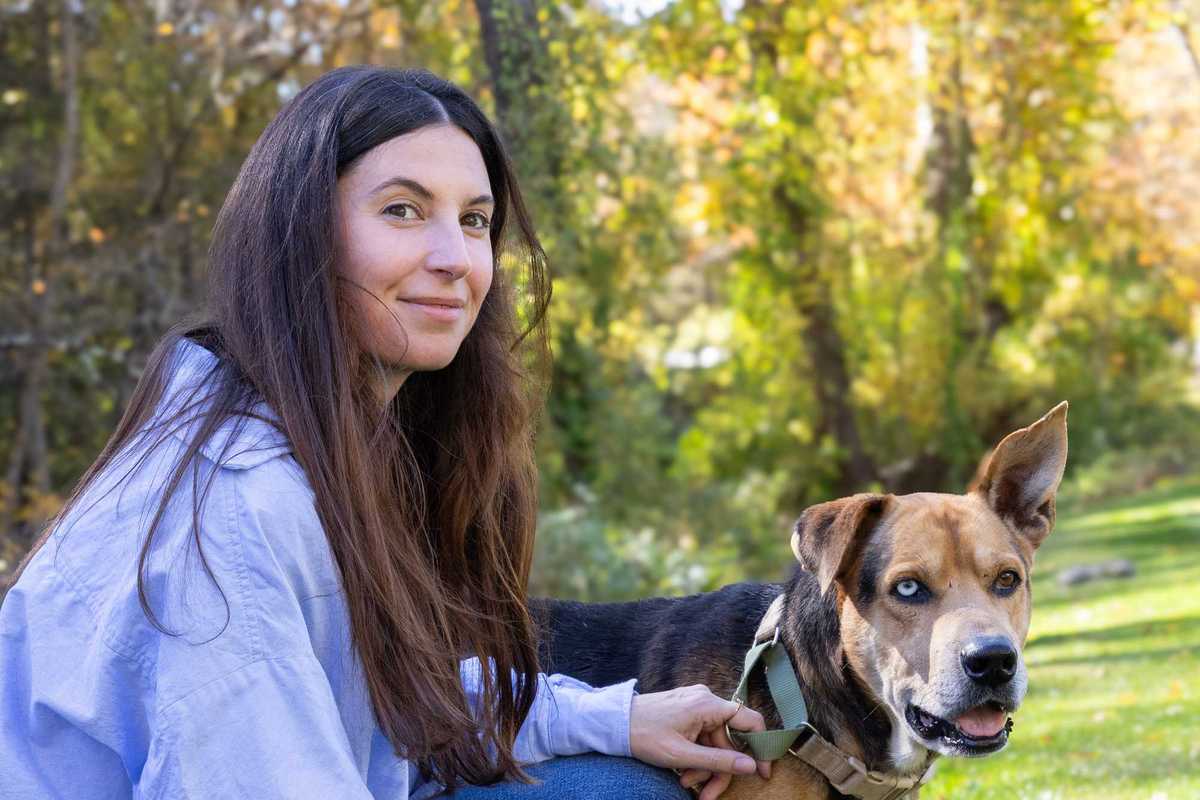
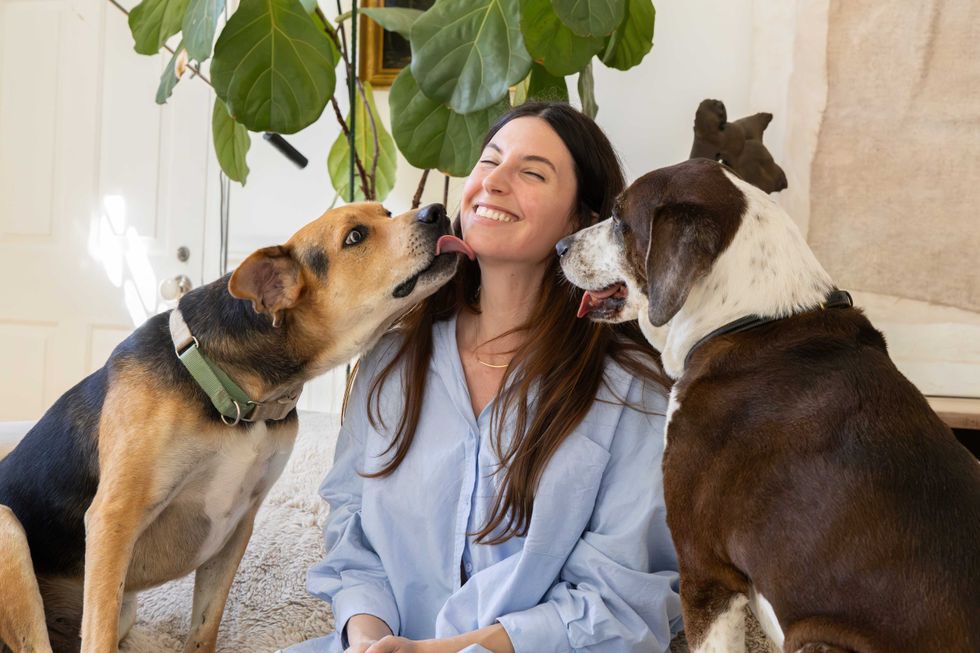 Stephanie Saetta,with her rescue dog George and Blue (left), a shepherd mix awaiting his forever home.Madi Long
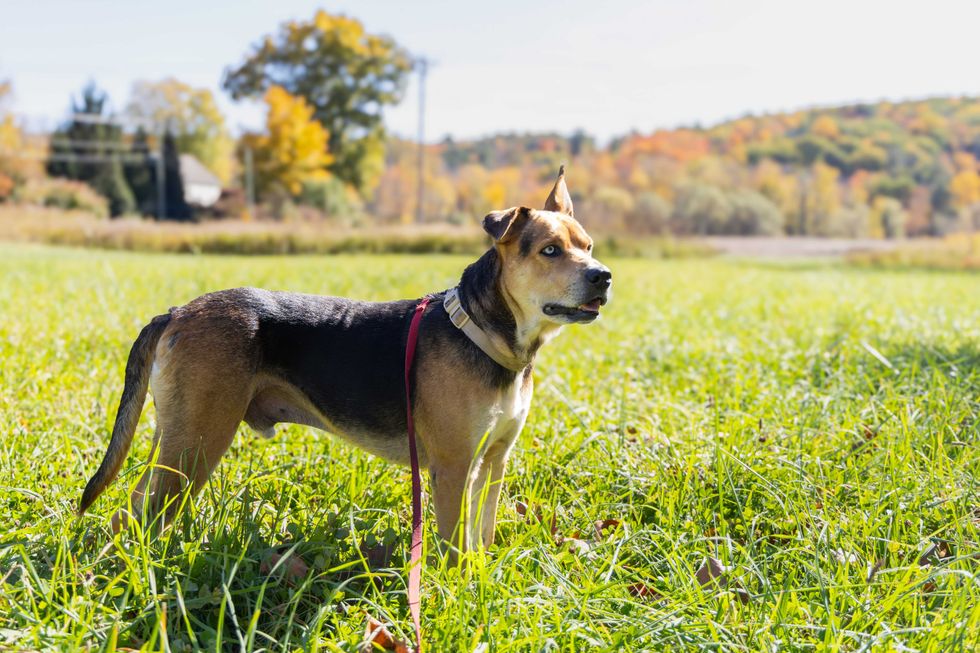 Blue, a 7 year-old Shepard mix, is waiting for his forever home. Madi Long