Tag sale season in the Tristate region officially began on Memorial Day weekend. For longtime area residents, this is an absurdly obvious statement but newcomers to New England might wonder why exactly they are called “tag sales”?
Historically, at a tag sale each item has its own tag, with a top and a bottom portion. If you are 100% certain you are going to buy a piece, then you rip off the bottom portion of the tag. This signals to all other potential buyers that a piece has been spoken for; and it makes it easier for the sellers to tally up your purchases: You present them with your tags, they do the math, you write your check and then you can go and retrieve your purchased items.
A very famous tag sale team in the Tristate region was the Fitch Howard Estate Sale company of Salisbury, Conn., which no longer exists. Woe to the shopper who tore off a tag, carried it around for a while and then decided not to buy the item in question. Either Elizabeth Fitch or Jerry Howard Ter Achter, who ran the company, would sternly or politely chastise the shopper who ignored proper tag sale etiquette.
The careful reader will notice that the company was called Fitch Howard “Estate Sale.” An estate sale just denotes a larger property, as opposed to a yard sale or a garage sale.
Nowadays, many in-home sales are referred to as “tag sales,” even if no tags are involved.
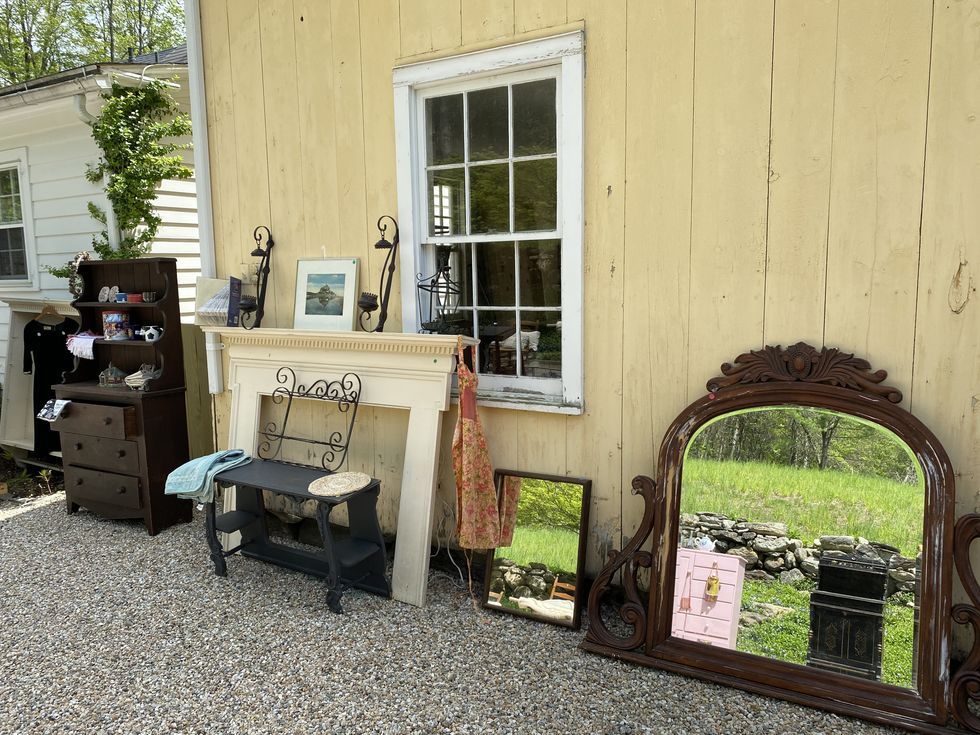
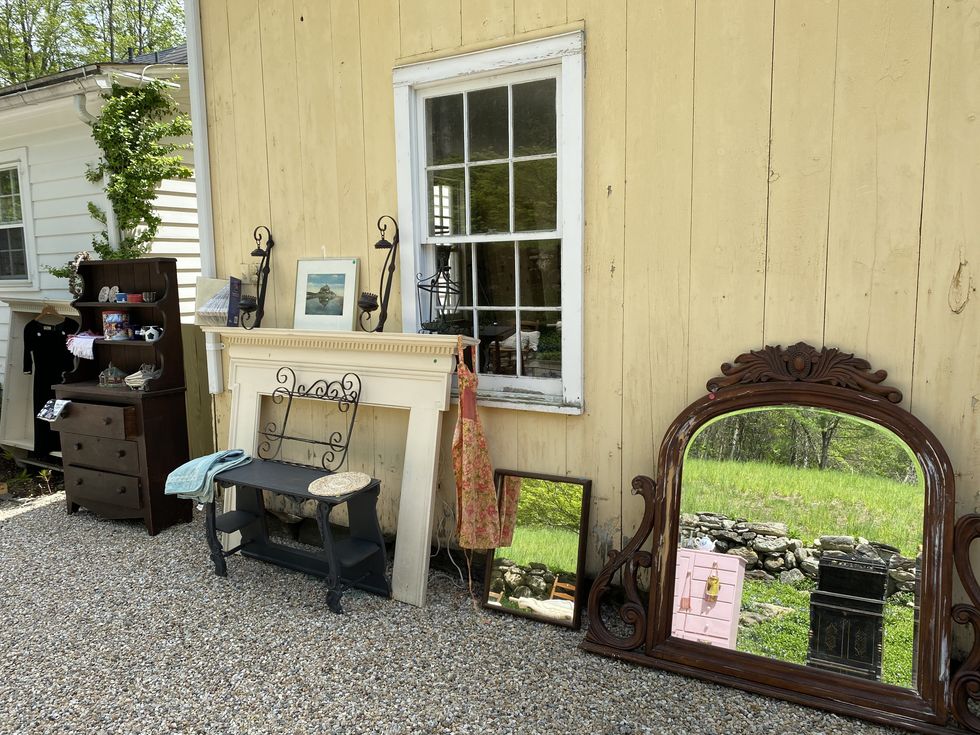
The glorious season of outdoor “tag sales” has begun. In New England, they’re called tag sales even if the traditional “tag” protocol is not observed. Photo by Cynthia Hochswender
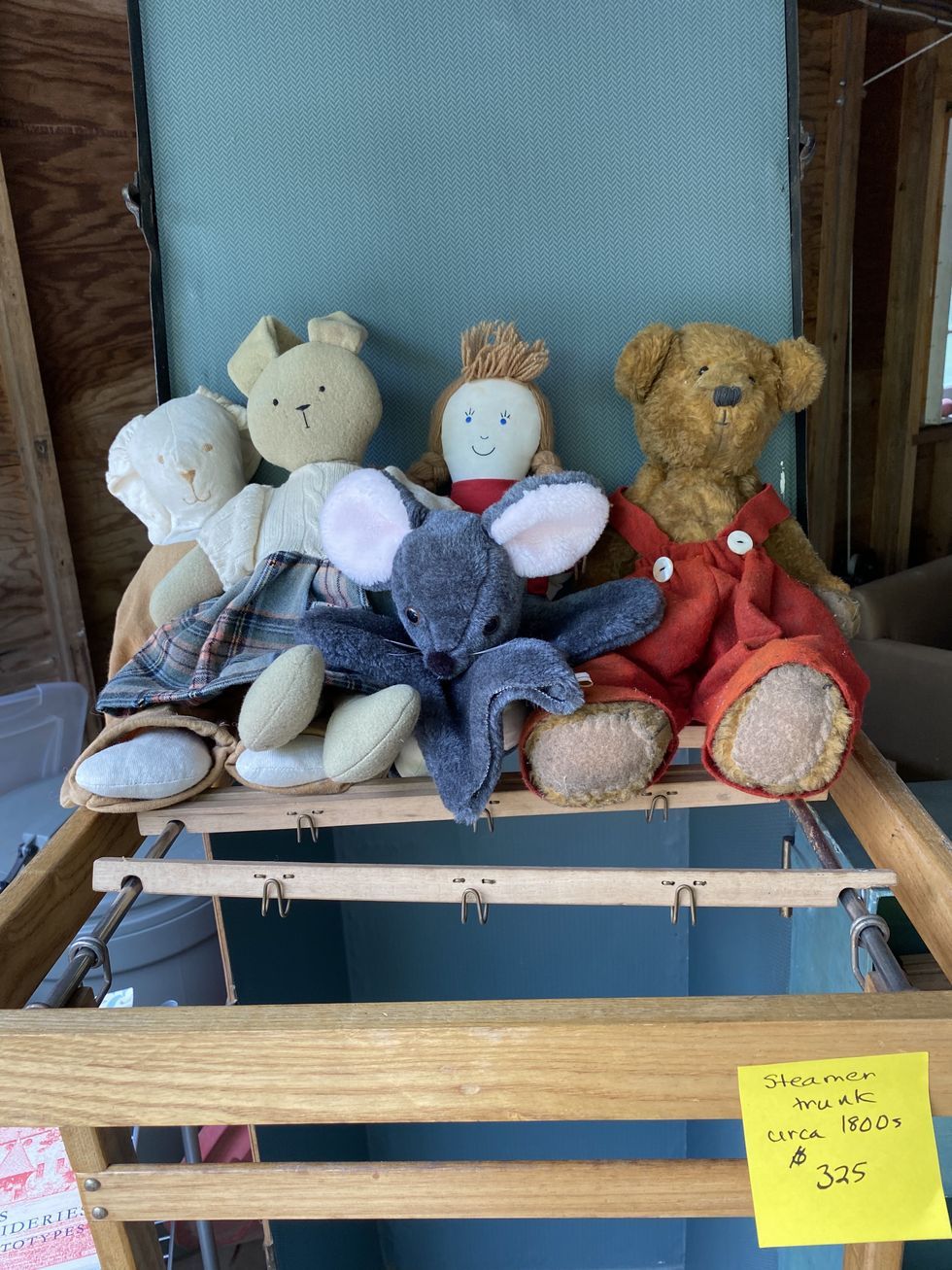
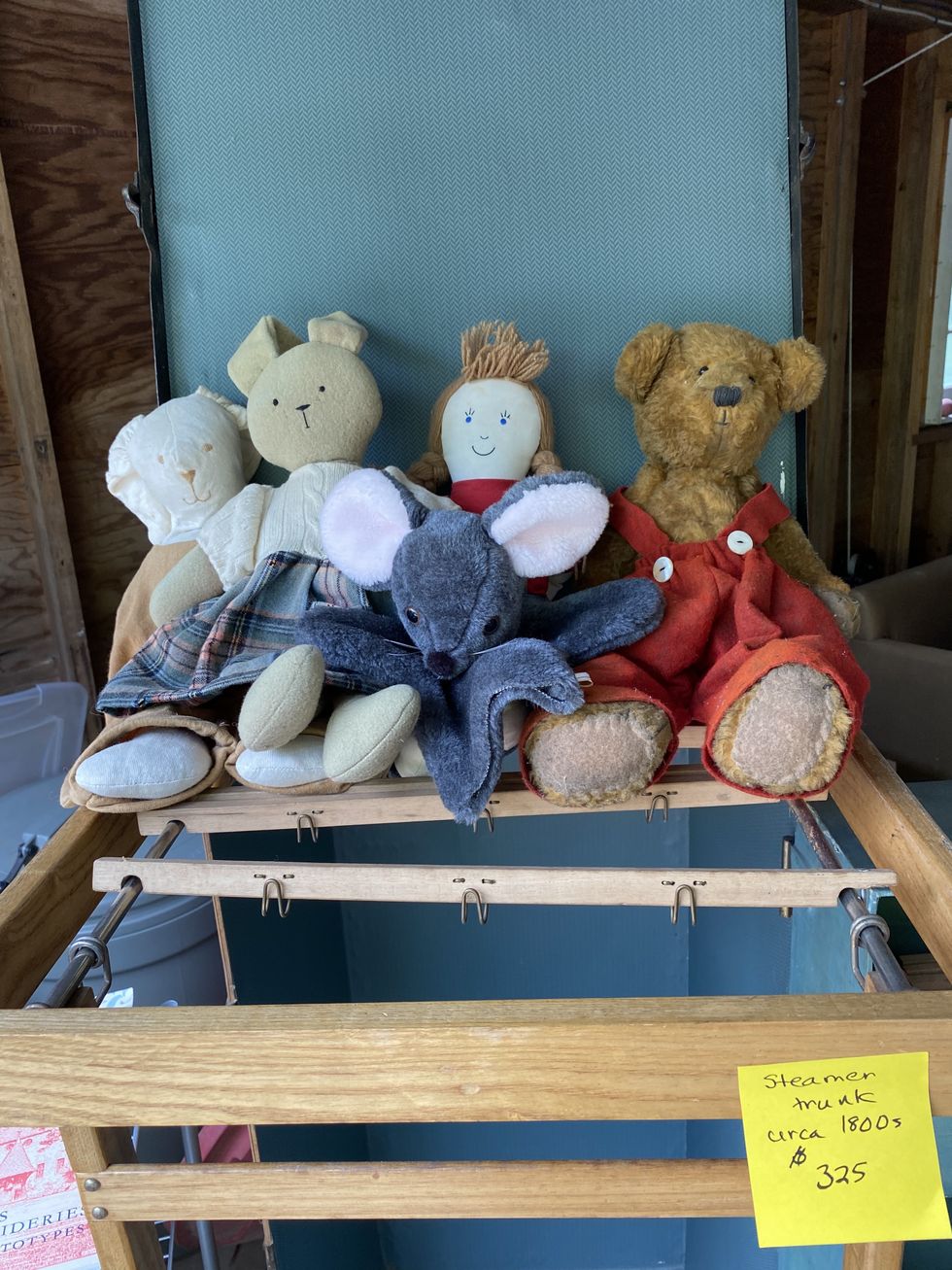
Photo by Cynthia Hochswender



 Justine and Victor Valla in their studio with a painting of Victor’s,”Jonah and the Whale.” Robin Roraback

 A ceramic vase by Kathleen Heidemann.Provided
  Joy Brown’s delightful ceramic sculptures.Provided