Those of us with older houses are used to a certain degree of uneasy cohabitation with wild creatures that view our residences as good places to hole up for the winter. Our indoor cat, though she came to us without her front claws, is nonetheless a champion mouser and has yet to run out of prey. We have thus far been spared infestation by swarms of invasive harlequin ladybird beetles that plague other buildings, including my office, as soon as cooler weather arrives. I once found a bat in my bedroom, and managed to usher it outside without either doing injury to the other. I came home one afternoon with a small space of time before my children needed to be retrieved and taken to various appointments, and decided that I would tackle a small plumbing project to address a leak in the downstairs bathroom. This, too, is commonplace for those of us with older houses. I went down to the basement to get some plumbers tape and returned it within 15 minutes. I did not leave the door to the cellar open for longer than it took to descend and ascend the stairs, because the cat would like nothing better than to prowl around down there and I am not altogether sure the basement is unoccupied. I trapped and removed a red squirrel down there about a month ago, and where one can go another may follow.Finding I still had a quiet moment, I decided to put my feet up on the living room couch and read for a short while before heading out to fetch my children. Unscheduled personal time is at a premium at this stage in my life, and I enjoyed almost 10 minutes with my book before checking the time and wistfully setting it down.As I got up from the couch, I noticed something odd on the wall behind me. Above my writing desk hang a number of old Confederate banknotes, matted under glass in a large picture frame. The frame was askew and something dark was weighing down the upper right corner. For the briefest of moments I thought it might have been a child’s sock, but the image resolved itself to my great astonishment in the form of a very still, very much alive red squirrel.I think it must have gained access to the house when I opened the basement stairs, and may have taken to the wall when either I returned or the cat passed by. At the time, though, I was more interested in how I was going to get it outside without throwing off my evening schedule by taking a detour to the emergency room for a rabies shot. I remembered that when we bought the house there was a green mesh fishing net hanging on the wall in the basement, and for all I knew it was hanging there still. I admonished the squirrel to stay where it was and went downstairs, where I found the net as if it had been left for just this purpose. I closed various doors in the house so that if, as I suspected would happen, I was not immediately able to ensnare the squirrel, it would have a limited number of options for flight and mayhem.The squirrel saw me approach and decided that it needed to head for higher ground. It leaped from the picture frame to the top of a bookcase, then over my shoulder and back behind the lowest shelf of books. I placed the net behind the volumes that it could cover, and naturally the squirrel found the gap and headed off like lightning for the dining room. It briefly considered worming its way behind another standing bookshelf, then thought better of it and dashed into the kitchen. I intercepted it in mid-flight and it attempted to jump from behind the kitchen table across the room toward the range, and brought the net down with the table beneath and the squirrel within.The squirrel then set about forcing its way through the monofilament mesh of the net. I quickly tossed my coat over the net, carefully tucking it under the opening of the net and hoping to avoid the teeth of the captive in the process. I then carried the whole package outside, closed the back door, and removed the coat — to find the red squirrel wedged halfway through the net but unable to proceed forward or back.I again told the squirrel to stay still and went back for a pair of scissors, with which I carefully freed the animal from the grip of the mesh. When I cut the last of its fetters, it scampered off between the house and the utility shed, and I set the ruins of the net aside and went off to fetch my offspring. I am not altogether sure that the squirrel is not, even now, lurking in my basement, but as long as it remains down there and avoids the upstairs floors we shall have an uneasy détente. At least, that is, until I have a free moment to reset the Havaheart trap. Tim Abbott is program director of Housatonic Valley Association’s Litchfield Hills Greenprint. His blog is at greensleeves.typepad.com.
Latest News



Want more of our stories on Google? Click here to make us a Preferred Source.

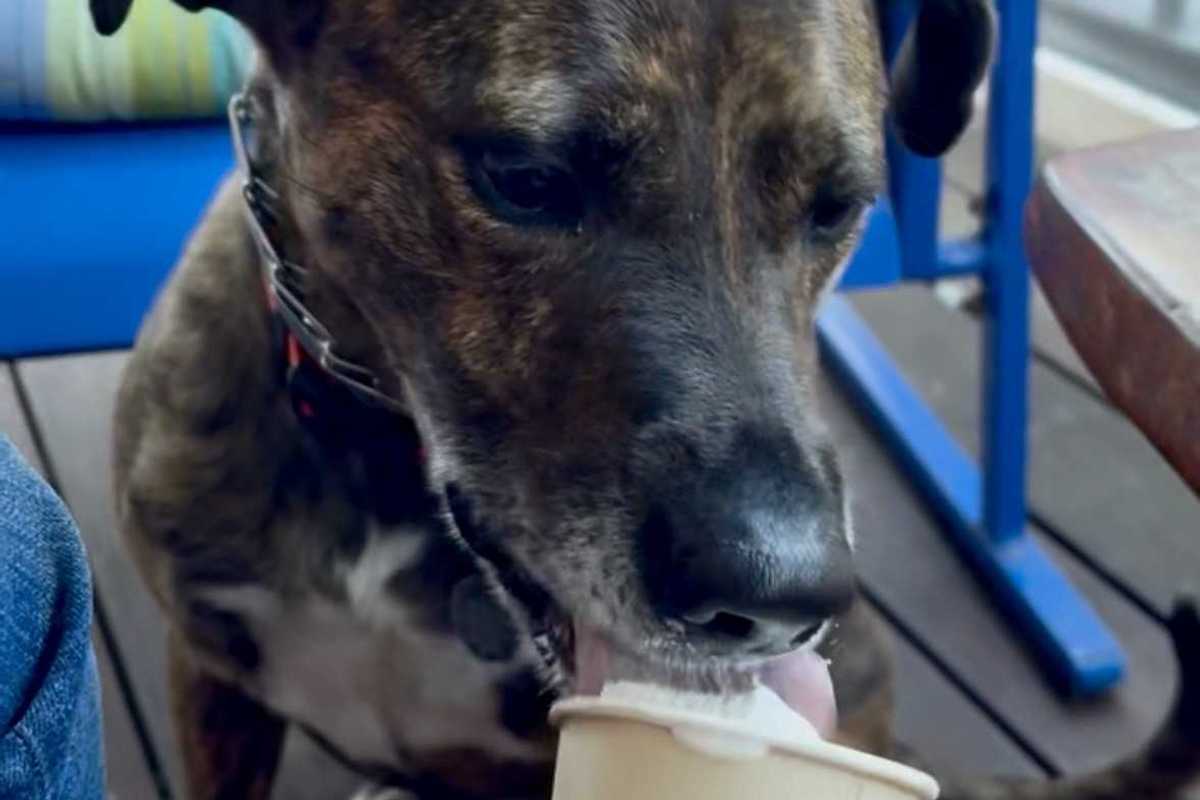

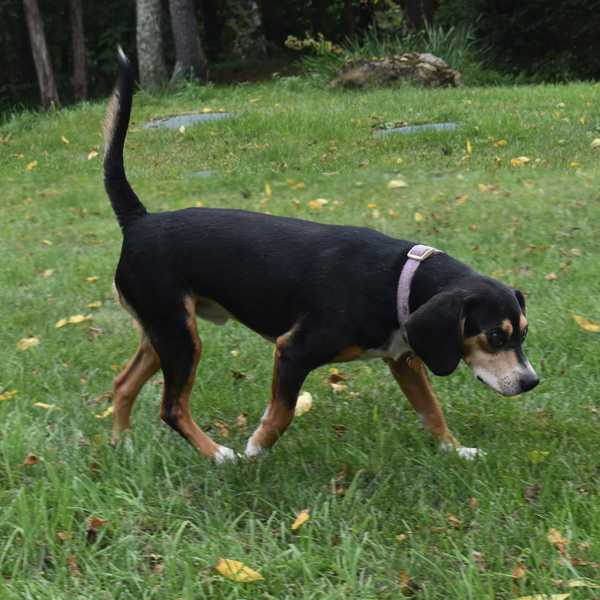
Marsala is eager to go home with you.
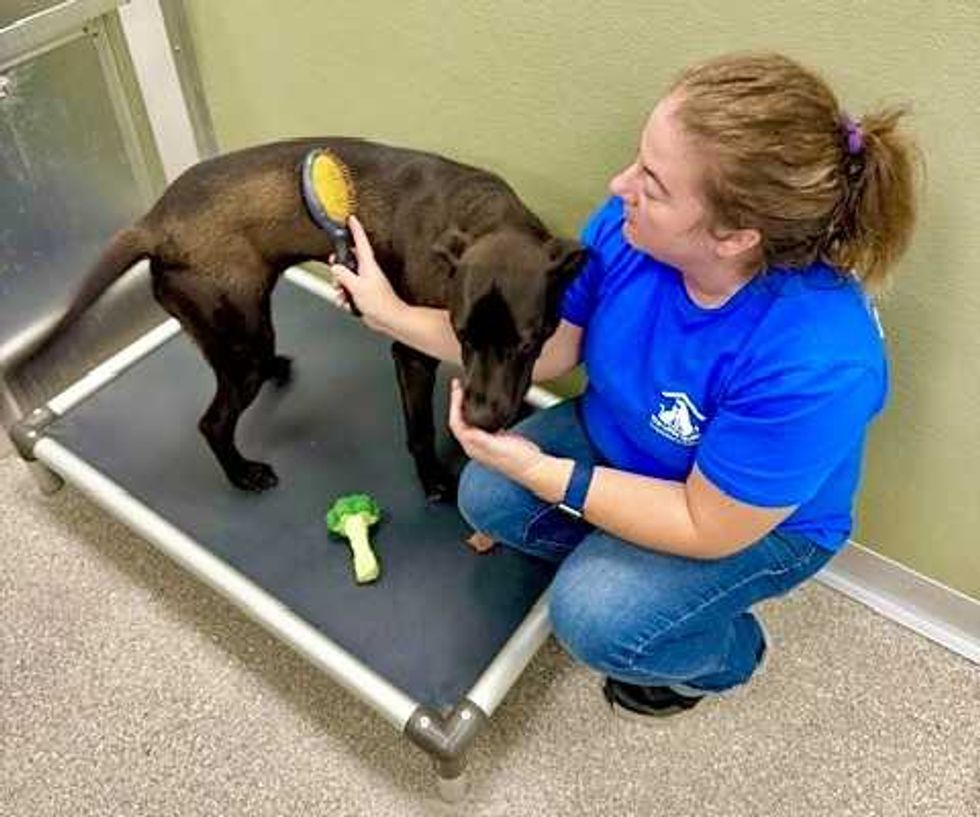 Tiffany Lemelin, shelter manager, brushing Marsala upon arrival.Provided
The Little Guild is an animal shelter at 285 Sharon-Goshen Turnpike in West Cornwall. Founded in 1957, the organization rescues animals from local surrenders and under-resourced shelters. When a rescue animal arrives at The Little Guild, staff begins a careful intake and transition process to ensure the animal is safe, healthy and ready for adoption.
New arrivals are quarantined in-house. Vaccinations are verified as up to date, and staff assesses each animal’s medical, behavioral and placement needs. Rescues receive medical care, daily support and behavioral training to ease shelter stress. Once a dog has finished quarantine and is ready for a home, its profile is published at littleguild.org.
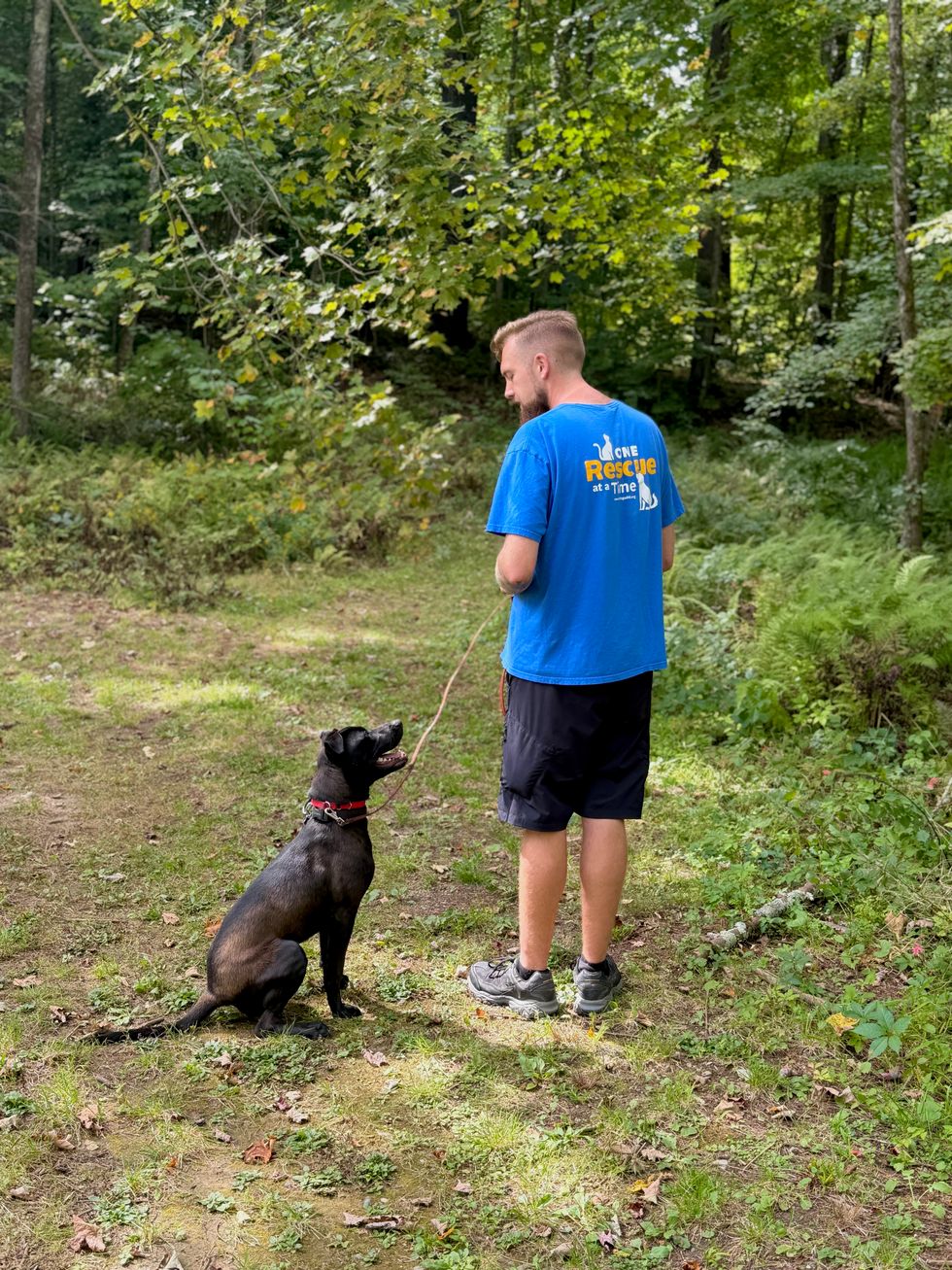 Michael DeBarba, certified dog trainer working with Marsala.Jennifer Almquist
Prospective adopters fill out an online application with information about their household and veterinary and personal references.
The next step is for the prospective adopter and family members to meet the dog. If there is already a dog in the household, a meet-and-greet is scheduled so the dogs can get acquainted.
The animal care staff offers guidance based on its knowledge of each animal’s personality, needs and quirks to help families find the best fit.
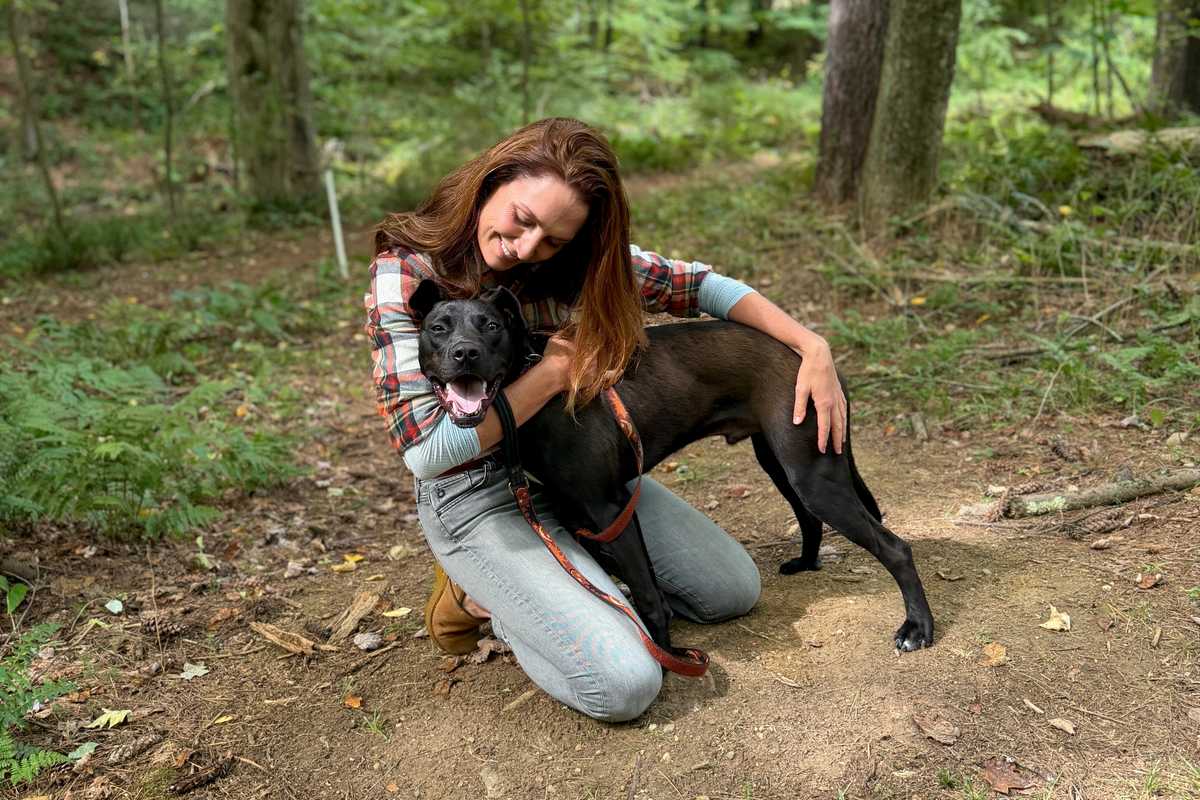 Marsala wins a heart.Jennifer Almquist
Once a match is made, the adoption contract outlines aftercare. Adopters agree to return the animal to The Little Guild if the adoption doesn’t work out. The organization’s commitment continues after adoption, with six months of free training and follow-up from staff to answer questions or address concerns.
“Please don’t pass Marsala by,” Lemelin said. “He loves people and other dogs. He’s a lap dog who lives for snuggles, cuddles and face kisses. Marsala deserves a family, a soft bed and a lifetime of being chosen.”
To find out about Marsala and other rescue dogs and cats, visit littleguild.org
Want more of our stories on Google? Click here to make us a Preferred Source.