HARLEM VALLEY — It’s the dead of winter and this country is knee-deep in a recession. Not the most encouraging time to talk to retailers and service providers about their thoughts on how business is going in today’s economy. But despite the reported doom and gloom, The Millerton News spoke with businesses in the Harlem Valley to learn how they’re faring, and what their expectations are heading into 2009.
“To succeed and do well,� said a very succinct Santo Mazzotta, who opened his new Italian restaurant in the Freshtown Plaza in Amenia on Columbus Day.
Mazzotta, along with his brother, Dante, owns Santo Pizzeria Restauranté, where they share the duties of cooking, managing and caring for the new business. As with all new ventures, opening the restaurant was a risk; doing so in this financial climate even more so.
“Well, the economy is not too great, but thank God I’m doing OK, so that’s a plus. I’m happy,� Mazzotta said. “You have to love it to be in it. Restaurant work involves a lot, just like any other business. You have to enjoy it to do it.�
While he is clearly pleased with his choice of profession, how is Mazzotta ensuring the work continues?
“I’m putting some specials out to bring in the people,� he said, acknowledging that creating a steady customer base is part and parcel of staying in business. “Especially after the holidays, things are a little tougher than usual, so I try to give a break to bring more people in for the more affordable stuff. Yeah, it’s working so far.�
Betsy Trotta-Saunders, owner of Elizabeth’s Jewelry and Fine Gifts in Millerton, agrees providing items customers can afford is one of the best ways to keep the cash register clanging.
“Our industry, with jewelry, was hit very hard in December, but we didn’t feel that because we offer so many pieces of jewelry and gifts for under $100,� she said. “Whether the economy is good or bad that’s something we would do here anyway.�
Trotta-Saunders has had her business for four years; initially it was located on Dutchess Avenue, but in October of 2007 she moved to a new space on Route 44, next to CVS. She attributes her new, spacious location to the spike she’s seen in her customer base and in sales.
“Our business is stronger than it was last year for sure. Moving here we about doubled our customers,� she said, adding that in general the village of Millerton holds its own. “I think Millerton goes in waves. It’s January and it’s quiet, but if you walked around a couple of days before Christmas it was really busy. I think the town is doing well — I hope the town is doing well.�
As far as what the future holds, Trotta-Saunders is optimistic.
“I think when the new president comes into term he will offer a boost and a sense of optimism, but people are slightly conservative right now, and I can understand that,� she said. “It’s hard to say, but it’s hopeful in this area. There are new businesses starting in Millerton — the Mexican restaurant, Nest, Hunter Bee, etc. — that’s unlike what we see in the rest of the country right now. I’m optimistic when I see that. I hate to see empty spaces and we don’t have very many.�
One space that has been filled for nearly four years (although the business has been around for a decade) is A New Leaf used book store on East Church Street in Pine Plains. Owners Virginia “Ginger� Dowd and James Polk have been providing readers with some of the best reading material from authors varied and sundry for years, in person and now on the Internet as well.
According to Dowd, 2008 was a very good year compared to 2007.
“We sold more books,� she said, which she attributed to the fact that she ran newspaper advertisements monthly and sold books on the Internet. Dowd had another theory about the store’s higher sales, too.
“I think people were a little more comfortable coming into the store and spending money in the fourth quarter because they had stopped spending money on other things,� she said. “There was a little change in the mentality when everything seemed so dire, because usually people would come in and see books as a luxury, but instead people would come in and buy the books because they weren’t buying anything else.
“I was surprised that we sold more books and made more money,� she added.
But while A New Leaf enjoyed increased profits, Dowd said she saw other businesses in the surrounding community falter.
“It would depend on what kind of store, but some of the restaurants in the area had to let people go and do double shifts, or offer specials, so that was obvious that things were a little tougher,� she said.
In fact, Dowd and Polk did their own marketing to attract customers. During December they offered live music every Saturday. The plan worked — it brought in more people, who bought more books.
The increased traffic made a big difference in revenue, especially because the book store has such low overhead. The pair own the building, they have a small payroll, offer few, if any, benefits and keep bills to a minimum. Their strategy for facing the bleak economic picture of 2009?
“Just to keep doing what we’re doing,� Dowd said. “To maintain what we have and if we can increase it a little bit, that’s great. If we can get more customers, sell a few more books, great.�
The general sense among those in the Harlem Valley business community was one of reality-doused optimism. Times are tough, but they could be worse, and if we persevere, they could get better.
One point made by Trotta-Saunders that surely hits close to home for all businesses is this: “If people really focus on shopping locally they will have more stores at their fingertips and retailers will appreciate that more than ever.�
That’s something to bear in mind when spending those all-too-easily-disappearing dollars in today’s economy.

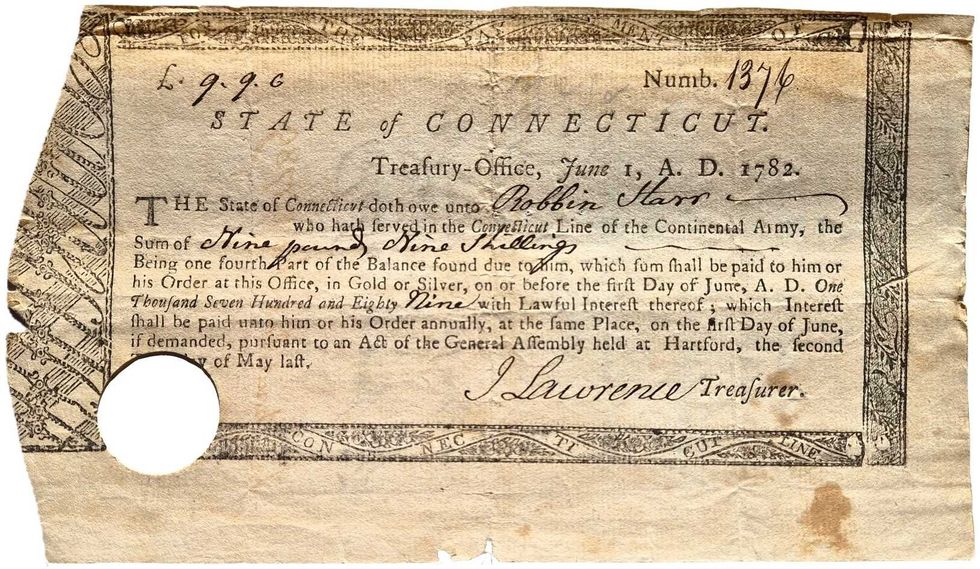 Pay Bill for Robin Starr’s service in the Continental Army.Courtesy the Alex Breanne Corporation
 John Mills speaking at Quinnipiac University.Courtesy the Alex Breanne Corporation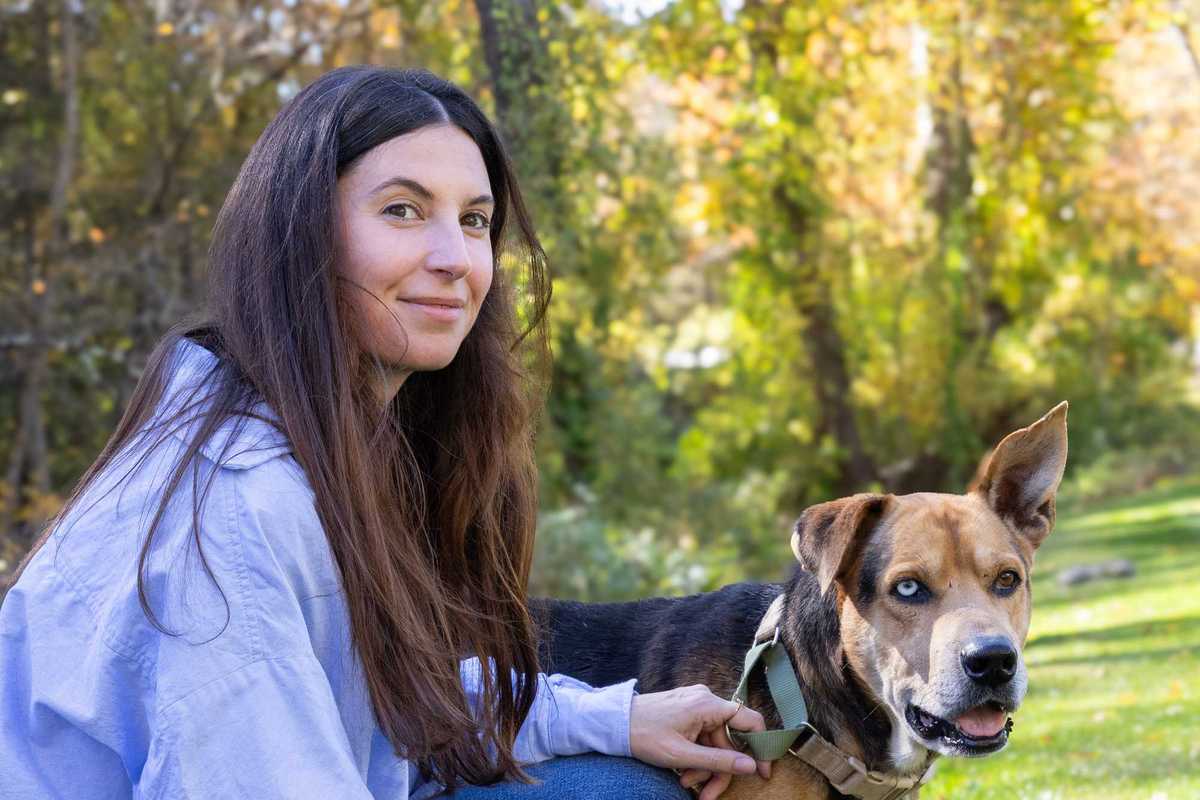
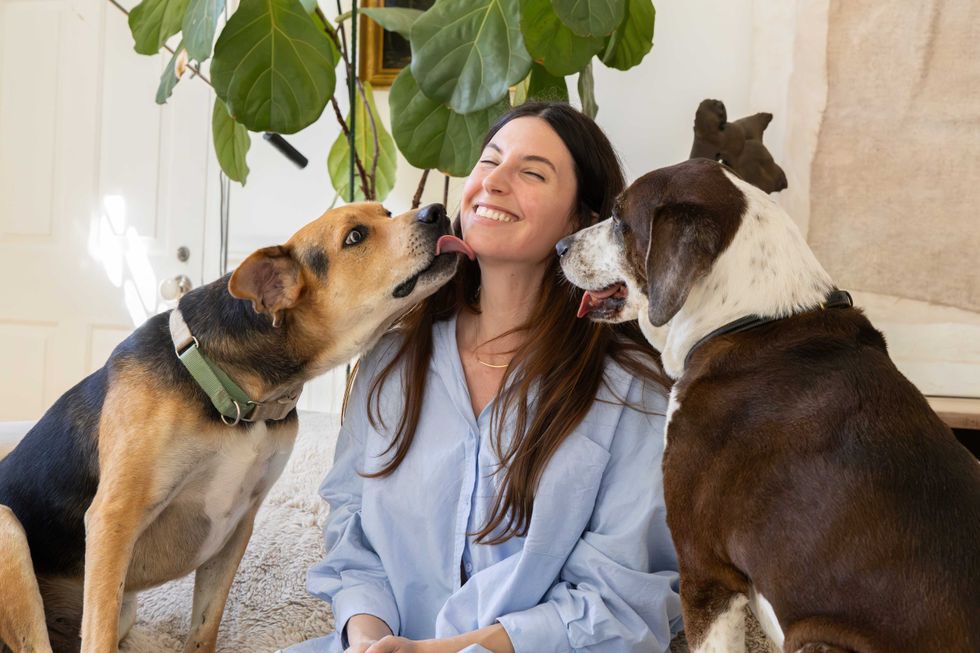 Stephanie Saetta,with her rescue dog George and Blue (left), a shepherd mix awaiting his forever home.Madi Long
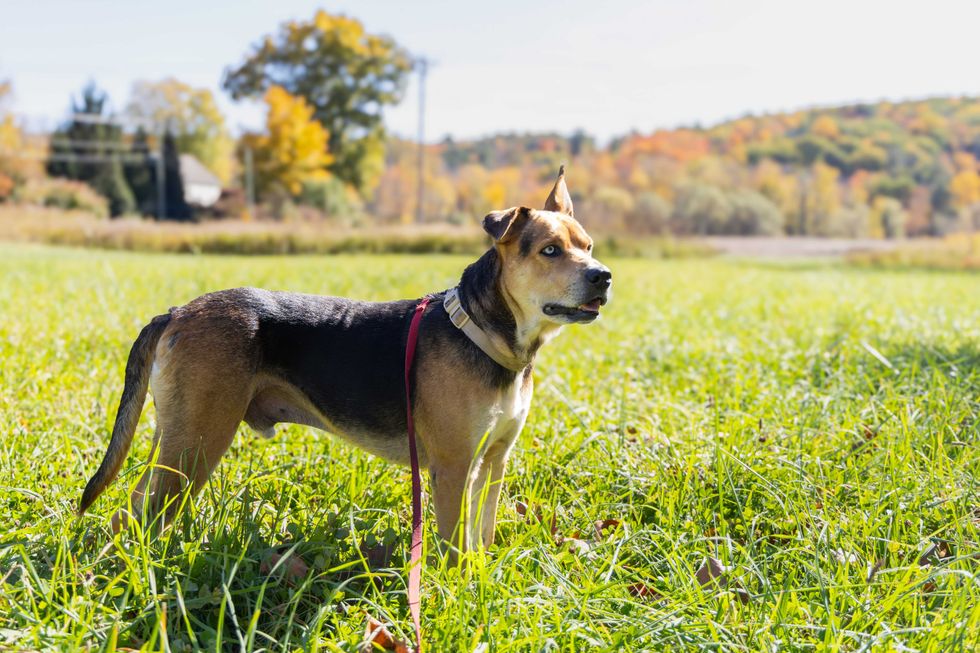 Blue, a 7 year-old Shepard mix, is waiting for his forever home. Madi Long