A Seder to savor in Sheffield

A Seder to savor in Sheffield

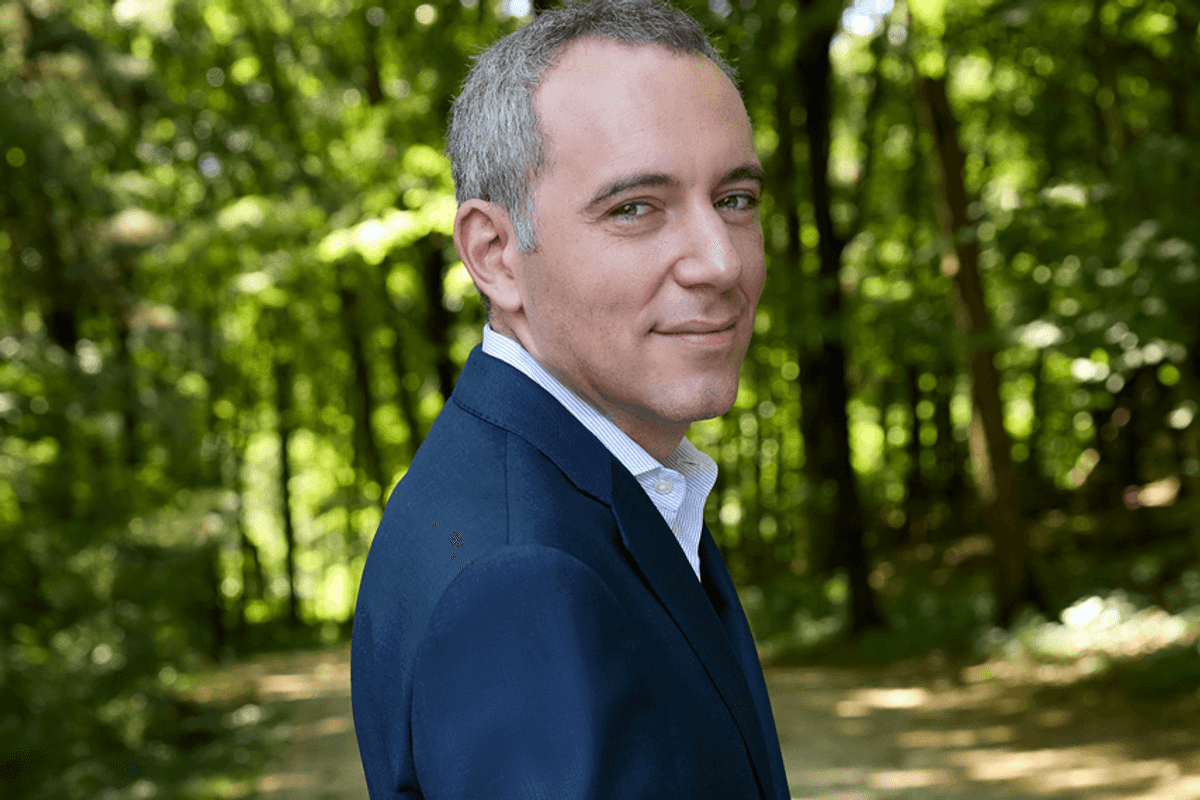
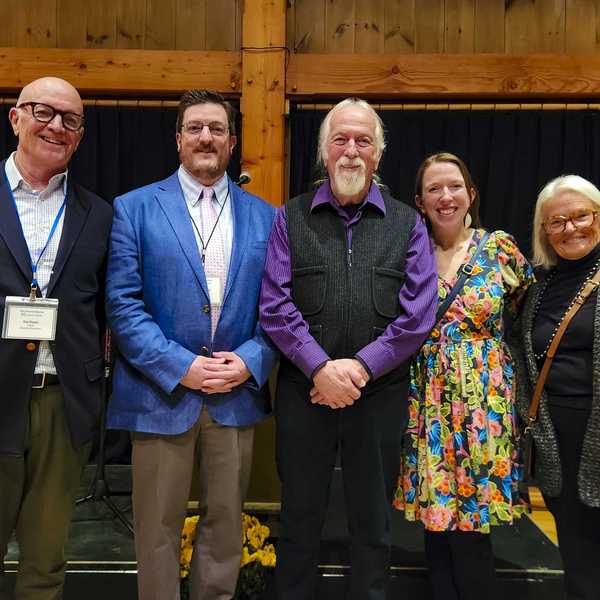
Rabbi Zach Fredman

Zivar Amrami

On April 23, Race Brook Lodge in Sheffield will host “Feast of Mystics,” a Passover Seder that promises to provide ecstasy for the senses.

“’The Feast of Mystics’ was a title we used for events back when I was running The New Shul,” said Rabbi Zach Fredman of his time at the independent creative community in the West Village in New York City.

He has since relocated with his family to Germantown and founded Temenos, “a home for ritual and creativity that honors the wild humanity of all people,” as the website explains (temenosnyc.com). At these feasts, Fredman and his brother, a chef, would create a menu to highlight the symbolism and mythology of certain Jewish holidays.

“People loved it,” explained Fredman. “It’s kind of a two-pronged approach, a way to engage and digest symbolism through the belly.” The Seder (which means “order” in Hebrew) at Race Brook will be such an immersive experience: a four-course meal conducted in four parts, echoing the four cups of wine consumed during the ceremony.

Alex Harvey, arts programmer at Race Brook, and his wife, Sophia Akilova, have known Rabbi Fredman through various communities and music circles for many years. After moving to the Hudson Valley from Brooklyn, Akilova was “looking everywhere for some kind of Jewish community that was dynamic. There’s plenty of progressive Jewish communities,” Harvey continued, “but she was looking for something way more particular, a community that is rediscovering active prayer, actually somatic spirituality.”

Fredman spoke of Passover as an opportunity to reconnect with tradition while investigating present day reality through the core liberatory framework of the holiday. He said, “One of the major successes in Judaism is that the tradition was conceived as living. There’s the written material that’s passed on, that’s unchanging, but it’s always accompanied by oral teachings, teacher to student, teacher to student. And so there is a sense that tradition is alive and dependent on people making it fresh, making it new.”

The tradition will be made new once again with the addition of music at Race Brook by the powerful and virtuosic Duo Andalus with vocalist Lala Tamar. Tamar and Fredman, who is an incredibly accomplished musician as well, have been collaborating through Fredman’s group Epichorus for many years. Fredman will join Duo Andalus throughout the evening and the following evening (April 24), Epichorus featuring Tamar and Yacouba Sissoko, who plays the African Kora, will perform.
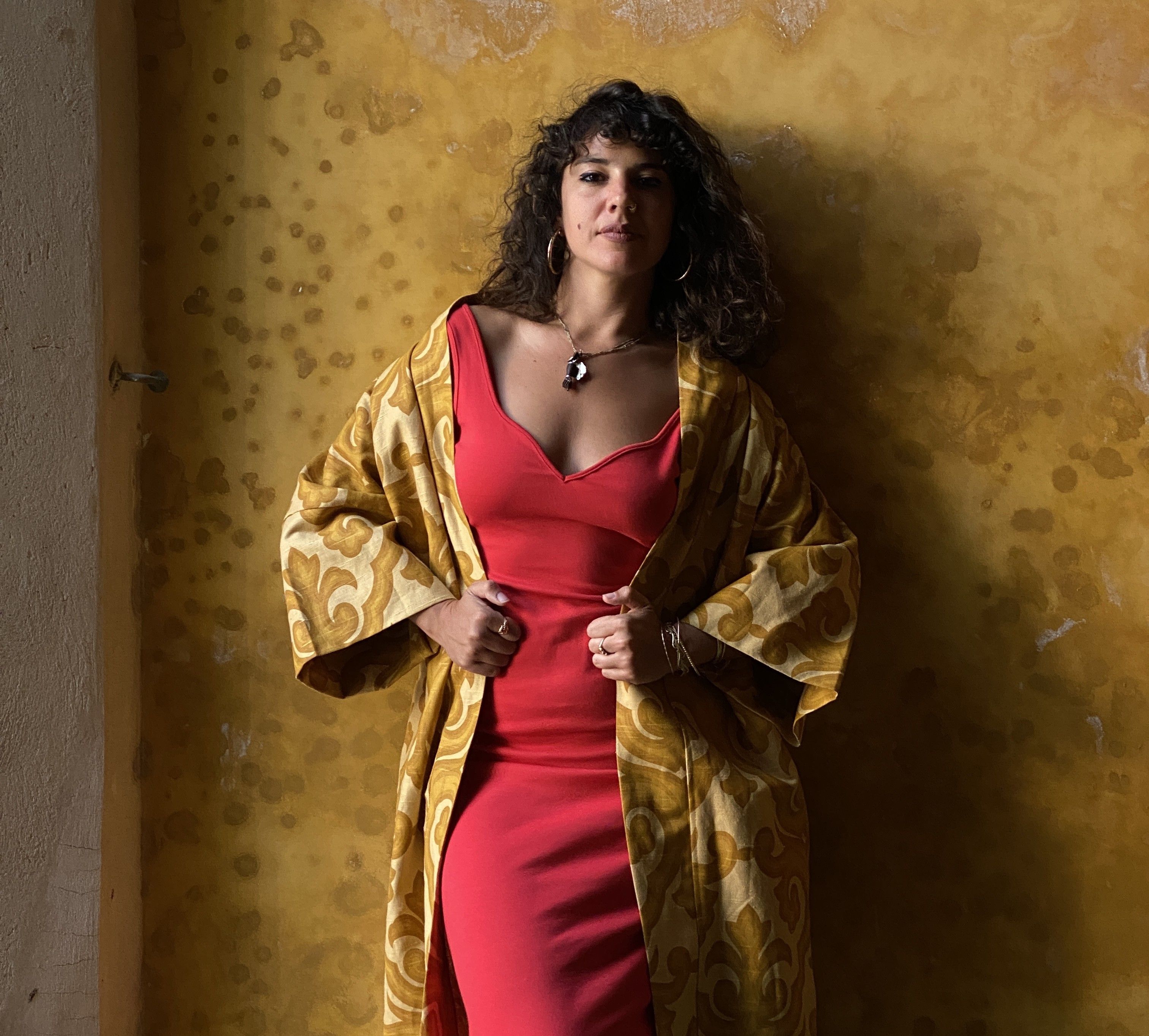
Lala TamarProvided

There are four questions that are asked during a Passover Seder, traditionally by the youngest person at the table. One of those questions is: “Why is this night different from all other nights?” Much of the rest of the Seder is in response to this question. When asked this particular question, Rabbi Fredman offered, “It’s been so overwhelming to watch the news cycle. It’s been a year where Judaism, Jewish identity, Jewish ethics, all of these things are completely different from what we thought they were even a year ago.” Fredman went on to speak about the fracturing that is occurring within the Jewish community and offered, “One of the functions of ritual, especially a ritual like this one, is to create space for people to have the conversations that we need to have.”

Creating a safe container for difference and for questioning is a tall order and one that Fredman meets with humility and curiosity. Of the Passover Seder he shared, “I’m hoping that in addition to the elements of food, and music, and teachings that there’s also space for people to be vulnerable and sift through some other profound experiences, painful experiences of the last six months and then, you know, investigate, turn things over and find something about themselves that helps us make sense of a disorienting moment.”

Reservations for Feast of Mystics, and The Epichorus featuring Yacouba Sissoko and Lala Tamar can be made at rblodge.com.
Latest News

A new life for Barrington Hall

A new life for Barrington Hall

Dan Baker, left, and Daniel Latzman at Barrington Hall in Great Barrington.

Provided

Barrington Hall in Great Barrington has hosted generations of weddings, proms and community gatherings. When Dan Baker and Daniel Latzman took over the venue last summer, they stepped into that history with a plan not just to preserve it, but to reshape how the space serves the community today.

Barrington Hall is designed for gathering, for shared experience, for the simple act of being together. At a time when connection is often filtered through screens and distraction, their vision is grounded in something simple and increasingly rare: real human connection.

Keep ReadingShow less

Gail Rothschild’s threads of time

Gail Rothschild’s threads of time

Gail Rothschild with her painting “Dead Sea Linen III (73 x 58 inches, 2024, acrylic on canvas.

Natalia Zukerman

There is a moment, looking at a painting by Gail Rothschild, when you realize you are not looking at a painting so much as a map of time. Threads become brushstrokes; fragments become fields of color; something once held in the hand becomes something you stand in front of, both still and in a constant process of changing.

“Textiles connect people,” Rothschild said. “Textiles are something that we’re all intimately involved with, but we take it for granted.”

Keep ReadingShow less

Sherman Players celebrate a century of community theater

Sherman Players celebrate a century of community theater

Cast of “Laughter on the 23rd Floor” from left to right. Tara Vega, Steve Zerilli, Bob Cady (Standing) Seated at the table: Andrew Blanchard, Jon Barker, Colin McLoone, Chris Bird, Rebecca Annalise, Adam Battlestein

Provided

For a century, the Sherman Players have turned a former 19th-century church into a stage where neighbors become castmates, volunteers power productions and community is the main attraction. The company marks its 100th season with a lineup that blends classic works, new writing and homegrown talent.

New England has a long history of community theater and its role in strengthening civic life. The Sherman Players remain a vital example, mounting intimate, noncommercial productions that draw on local participation and speak to the current cultural moment.

Keep ReadingShow less
google preferred source

Want more of our stories on Google? Click here to make us a Preferred Source.

Reimagining opera for a new generation

Reimagining opera for a new generation

Stage director Geoffrey Larson signs autographs for some of the kids after a family performance.

Provided

For those curious about opera but unsure where to begin, the Mahaiwe Theater in Great Barrington will offer an accessible entry point with “Once Upon an Opera,” a free, family-friendly program on Sunday, April 12, at 2 p.m. The event is designed for opera newcomers and aficionados alike and will include selections from some of opera’s most beloved works.

Luca Antonucci, artistic coordinator, assistant conductor and chorus master for the Berkshire Opera Festival, said the idea first materialized three years ago.

Keep ReadingShow less
BSO charts future amid leadership transition and financial strain

Aerial view of The Shed at Tanglewood in Lenox, Massachusetts.

Provided

The Boston Symphony Orchestra is outlining its path forward following the announcement that music director Andris Nelsons will step down after the 2027 Tanglewood season, closing a 13-year tenure.

In a letter to supporters, the BSO’s Board of Trustees acknowledged that the news has been difficult for many in its community, while emphasizing gratitude for Nelsons’ leadership and plans to celebrate his final season.

Keep ReadingShow less
A tradition of lamb for Easter and Passover

Roasted lamb

Provided

Preparing lamb for the observance of Easter is a long-standing tradition in many cultures, symbolizing new life and purity. For Christians, Easter marks the end of Lenten fasting, allowing for a celebratory feast. A popular choice is roast lamb, often prepared with rosemary, garlic or lemon. It is traditional to serve mint sauce or mint jelly at the table.

The Hebrew Bible suggests that the last plague God inflicted on the Egyptians, to secure the Israelites’ release from slavery, was to kill the firstborn son in every Egyptian home. To differentiate the Israelites from the Egyptians, God instructed them to mark their doorposts with the blood of a lamb. Today, Jews, Christians and Muslims generally believe that God would have known who was Israelite and who was Egyptian without such a sign, but views of God’s omnipotence in the Abrahamic faiths have evolved over the millennia.

Keep ReadingShow less
google preferred source

Want more of our stories on Google? Click here to make us a Preferred Source.

google preferred source

Want more of our stories on Google? Click here to make us a Preferred Source.