America, once the nation with five major aircraft suppliers, is down to just two, admittedly huge, companies, Boeing and Northrop Grumman, just like Russia is with MiG and Sukhoi.
Whereas the United States is going for technology superiority and very expensive planes, the Russians are going for evolution of existing designs coupled with superb aeronautical engineering — always at a bargain price. You can buy two Russian fighters for the cost of one U.S. super plane.
Is our one better than their two? Perhaps, but when a small country is spending scarce military funds, two always looks better than one overly complicated whiz-plane. And it is always worth remembering that 22.5 percent of all Russian manufacturing is aerospace related, so they need these sales, badly.
u u u
How badly? They just persuaded India to buy 50 advanced Sukhoi — 30MKI multi-role fighters on top of the 230 regular Su-30s they already have. These 50 air-superiority fighters (see photo) and supplies are worth a total of $8.5 billion. Indian Air Force (IAF) Chief Marshal P.V. Naik was reported as saying his force was “interested� in acquiring even more Sukhois, which will be “the mainstay of India’s fighter fleet for the foreseeable future, to further enhance its combat potential.�
This sale of billions comes on top of about 200 joint projects, including the modernization of the Vikramaditya aircraft carrier (formerly the Admiral Gorshkov) for the Indian navy, buying and modernizing three frigates, the transfer of technology for the licensed assembly of T-90 tanks in India, the production of BrahMos missiles and the purchase of Smerch MLRS by India.
Oh, and a Russian Defense Ministry spokesman confirmed they are set to jointly develop helicopters, infantry fighting vehicles and a fifth-generation fighter (now that’s worrying the United States, as this gets into the realm of the F-35 performance). And all this is just for 2010-11.
Then there is the new Su-35, said to be the best fighter jet Russia has ever produced. “We are ahead of our rivals in all aspects. Our plane has a wider target range and a longer flight distance and more powerful weapons. Its cost effectiveness makes it the best plane in its class,� said Mikhail Pogosyan, Sukhoi general director.
The Russian (mouthpiece) paper Pravda is reporting that a third Indo-Pakistan war may break out at any moment and that foreign companies are in the fight for billions in sales, but to whom? France’s Rafale, Europe’s Eurofighter, Sweden’s Gripen and the United States’ F-16 and F-18 are all being pitched to Pakistan, of course. France, as usual, is pitching to both sides. However, the air forces of more than 30 countries are already equipped with Sukhoi fighters.
u u u
But wait, I am not done … there is MiG, too. In February this year, MiG first showed off its brand new super-fighter. Lighter, tougher, faster, cheaper, an air-to-air dogfighter, the MiG-35 was impressive. Oh, and where was this show? Moscow? Beijing? Nope, Delhi, India.
“Its low price and technical advantages leave Western rivals behind,� said Konstantin Sivkov of the Academy for Geopolitical Problems. A so-called academician is solving geo-political problems by selling weapons. Russian double-speak.
And if America thinks that the Russians are only talking to India, remember the 30 countries they already arm (not forgetting China)? Meanwhile, we are making a one-size-fits-all super fighter, the F-35. Is it brilliant? Sure. Is it affordable in numbers, real quantity? Nope. For that we are still pumping out 1970s technology fighters like the F-16 and the F-18 of the 1980s.
But an F-18 costs two times as much as a MiG-35 and comes with half the secret stuff allied countries need to have. Gee, I wonder which one most unaligned countries will buy?
Peter Riva, formerly of Amenia Union, lives in New Mexico.



 Tiffany Lemelin, shelter manager, brushing Marsala upon arrival.Provided
 Michael DeBarba, certified dog trainer working with Marsala.Jennifer Almquist
 Marsala wins a heart.Jennifer Almquist
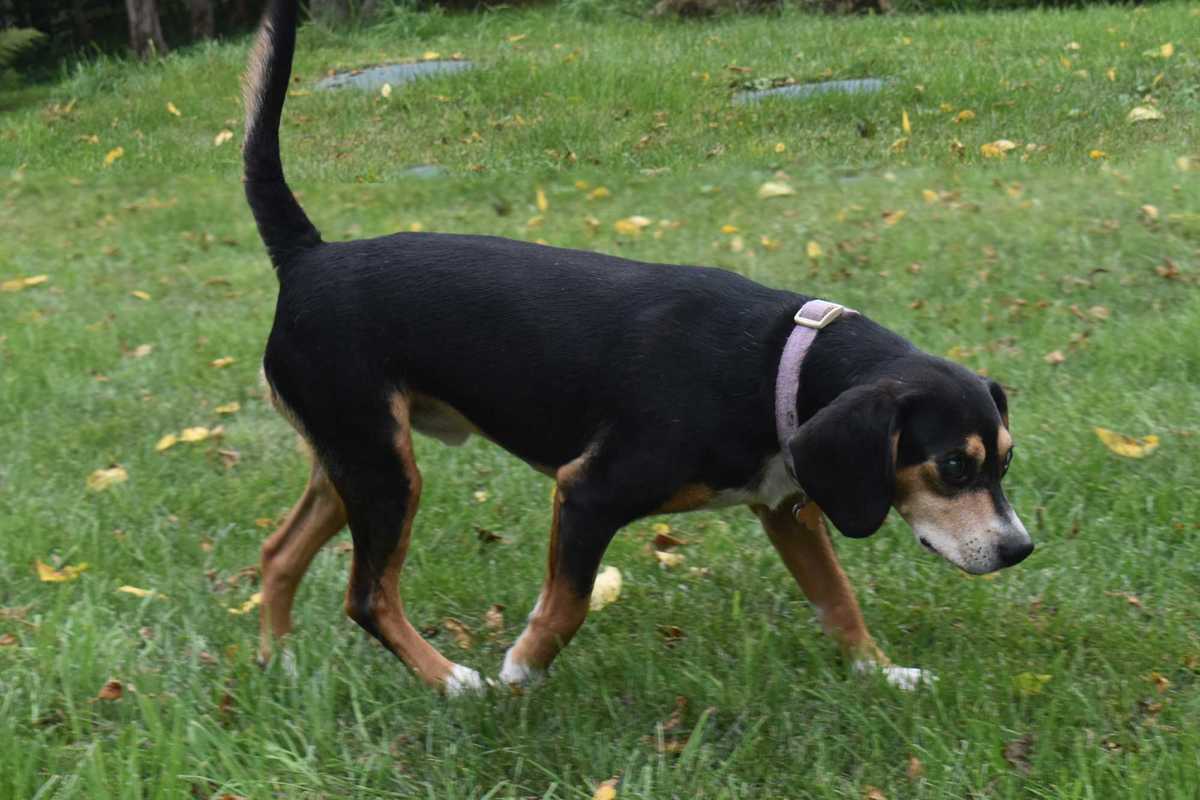
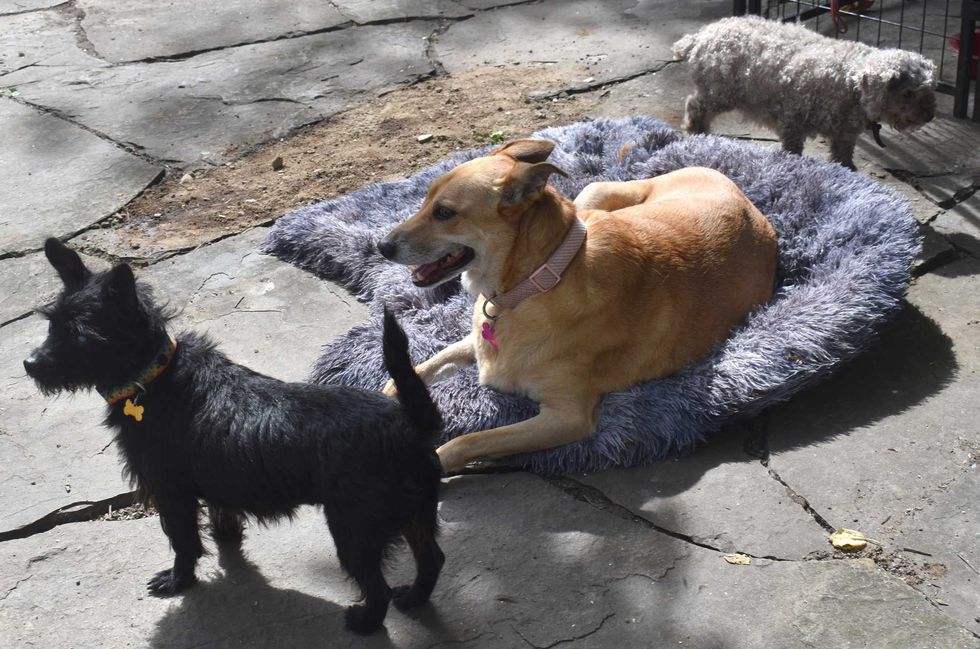 Sadie, center, a Carolina dog, plays with her friend Negra, a terrier mix. Bella Linda, the small poodle, has since been adopted.L. Tomaino
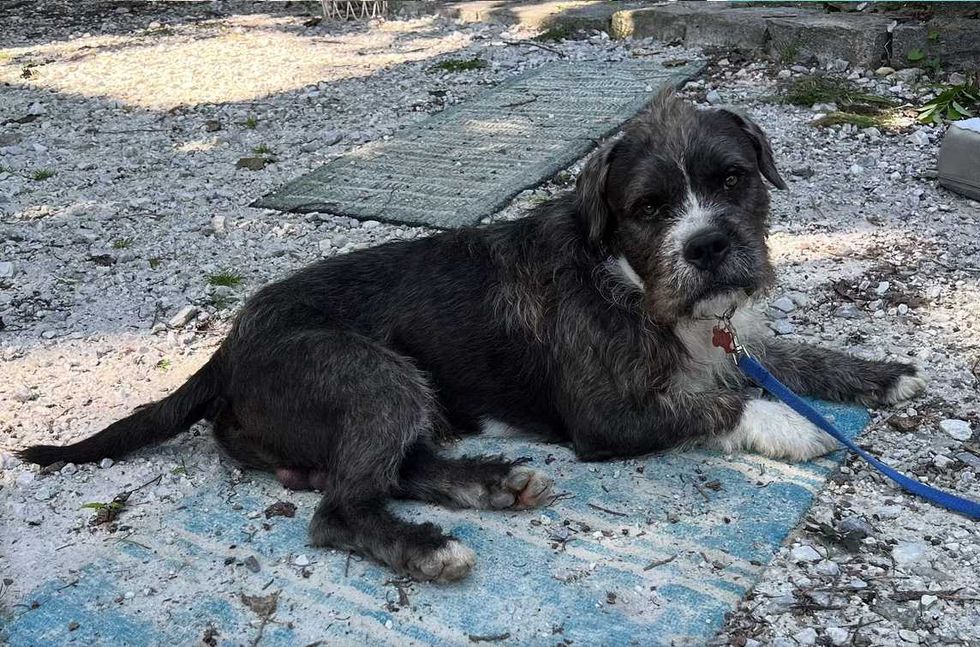 Wesley, a young, exuberant mix, is looking for an active home.L. Tomaino
 Bonnie and Clyde, an affectionate terrier pair.L. Tomaino

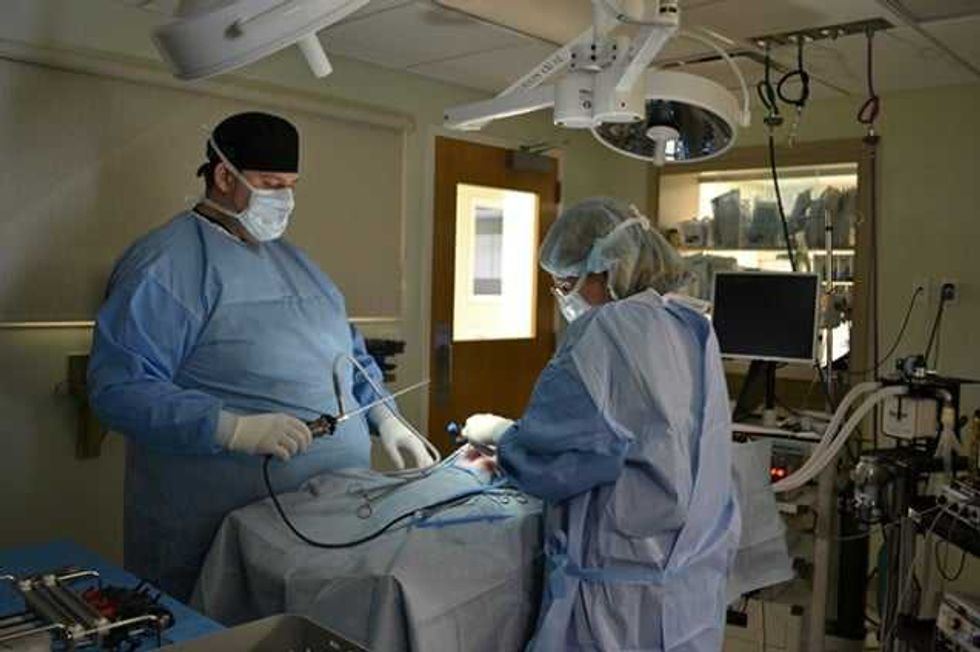 Provided