Yes, Mark Morris is musical, but every good choreographer listens closely to music and builds dances that play on rhythm, melody and counterpoint. Morris’s genius is to discard — or trample on — any notions about how one is supposed to dance to a particular kind of music. In Morris’s world, one can do pretty ballet steps to discordant jazz, or brawl at a party to 17th-century church music, and you say, “of course — that music was meant to be heard that way!�
In “Italian Concerto,� set to Bach, gesture takes the fore. In semi-darkness, two men, barefoot in dark street clothes, move to the accompaniment of a single piano (played marvelously by Yauheniya Yesmanovich, one of the Tanglewood Music Concert Fellows who accompanied all but one of the pieces). One dancer opens his hand and closes it, and walks off. A woman joins the other man, and they raise their fists — in triumph, or maybe not. The dancing is reminiscent of the folk steps Morris has often employed — low to the ground and highly rhythmic. The raised fist is repeated, between other very precise and specific motions. Funny little gestures puncture the seriousness — one arm is raised halfway, and the other arm pushes it up, or down.
In the andante movement, a man in black (originally danced by Morris, here it’s David Leventhal) delivers gestures that could be casting for fish, or throwing something heavy. His hand slowly opens, then he taps his chest twice; he pulls something up over his head, then back down to his waist. The New Yorker dance writer Joan Acocella suggests that he takes such gestures and pushes them “out of psychology, developing them musically, as if they were tonal or rhythmic patterns.� This is certainly true, but the human brain can’t also help but assign meanings. I’ve seen this piece described as a commentary on political activism, where my associations were more about solitude, loneliness and connection. Or maybe fishing.
“Looky,� a new piece, pokes fun at the pretensions of the art-gallery crowd. The music is “Studies for Disklavier� (a sort of player piano for the digital age) by Kyle Gann with sections called “Despotic Waltz� and “Bud Ran Back Out.� It’s syncopated, discordant and very interesting — perfect for a Morris invention. In “Looky,� there isn’t actually much dancing, though. Gallery-goers stroll around, examining invisible works like the emperor’s new clothes (and check out each other at the same time). A few dancers begin a lovely balletic interlude, which quickly segues into a jazzier hip swiveling one as, evidently, the art opening has progressed to the drinking and partying stage. Lauren Grant, the one in the cocktail dress, loses her lunch; Joe Bowie passes out across a bench. Later, the dancers become the art in the gallery, changing poses each time a new visitor approaches. Finally all the sculptures gang up and capture one tiny dancer (Maile Okamura in star-covered kids’ pajamas) and carry her off.
Also on the program were “Love Song Waltzes� set to Brahms (and sung with power and beauty by the Tanglewood singers), and the enigmatic “Candleflowerdance� to Stravinsky. In “Candeflowerdance,� the stage is scattered with candles and flowers. The dancers are confined, mostly, to a brightly-lit square, and its edge creates energy and tension as the dancers seem alternately caught and protected by its boundaries, occasionally breaking through. Again, a gesture: this time a finger, pointed in the air. The movements are earthbound, even awkward, with unison dancing broken by patterns of four against two. They all lean, but not as one, and fall down. Their square seems to be rocked from outside, till they lose their equilibrium and stumble to the opposite corner. In the end, one woman is rising, awkwardly, supported by two other men as the others have fallen to the floor, dead perhaps.
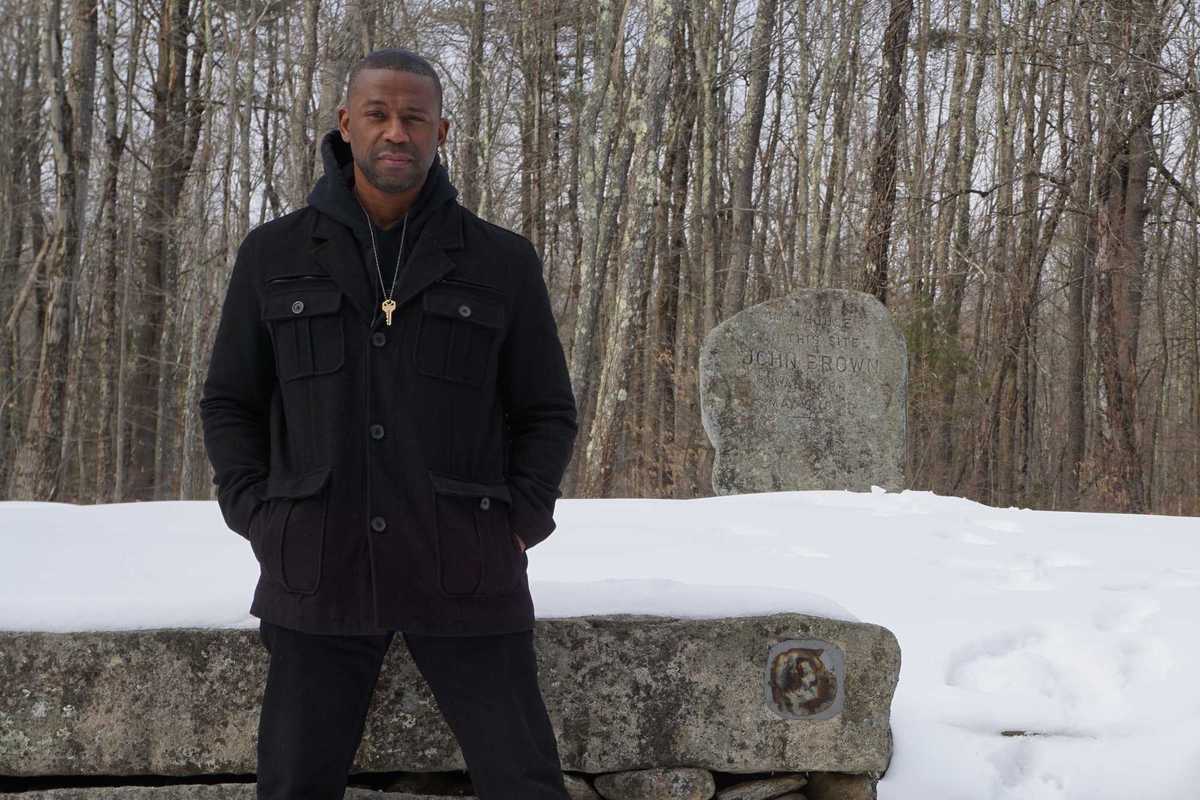
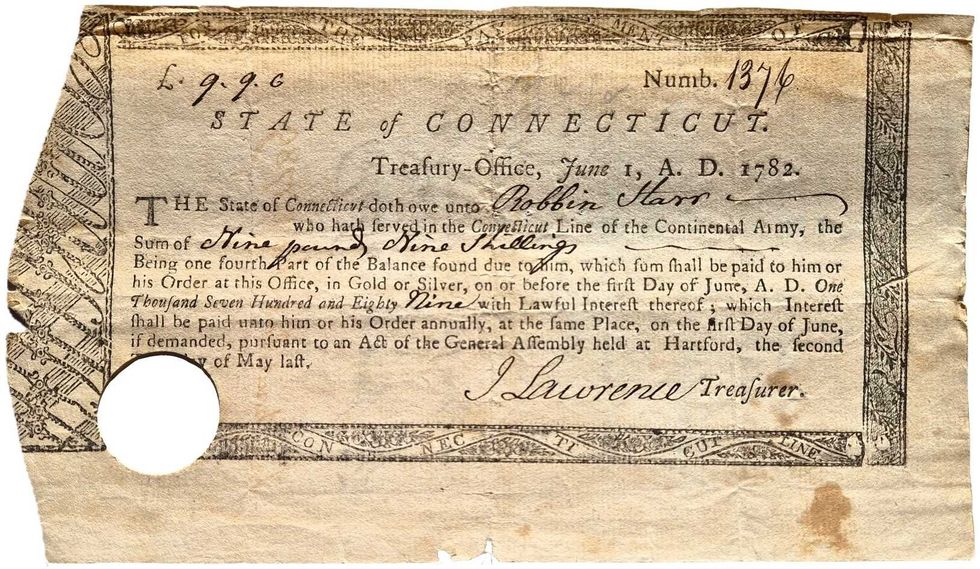 Pay Bill for Robin Starr’s service in the Continental Army.Courtesy the Alex Breanne Corporation
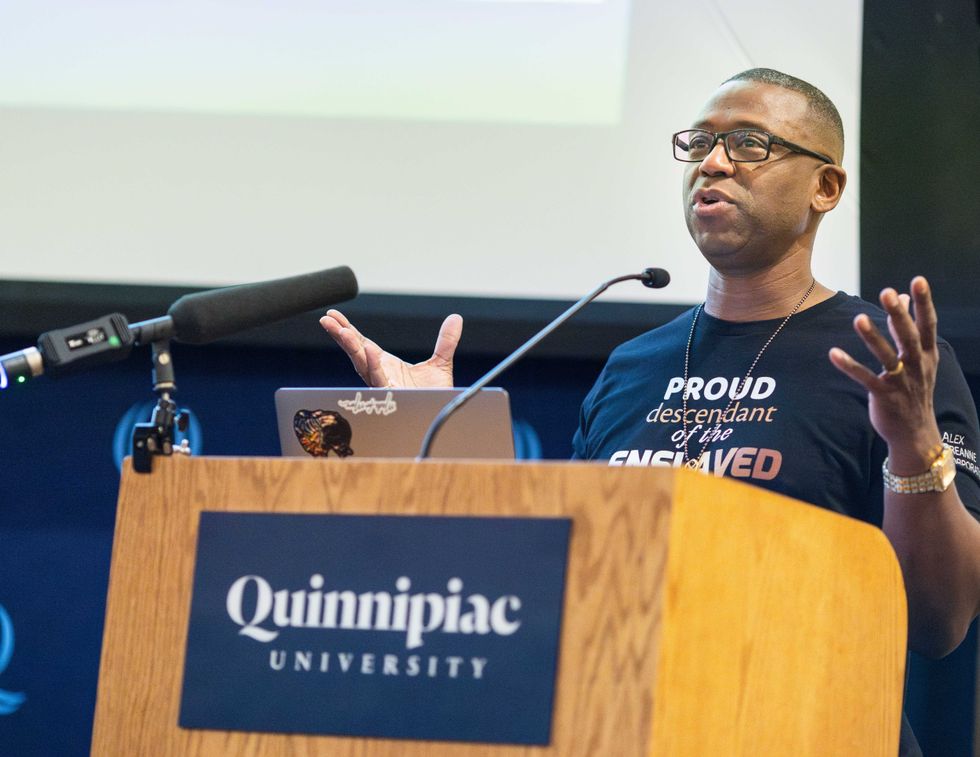 John Mills speaking at Quinnipiac University.Courtesy the Alex Breanne Corporation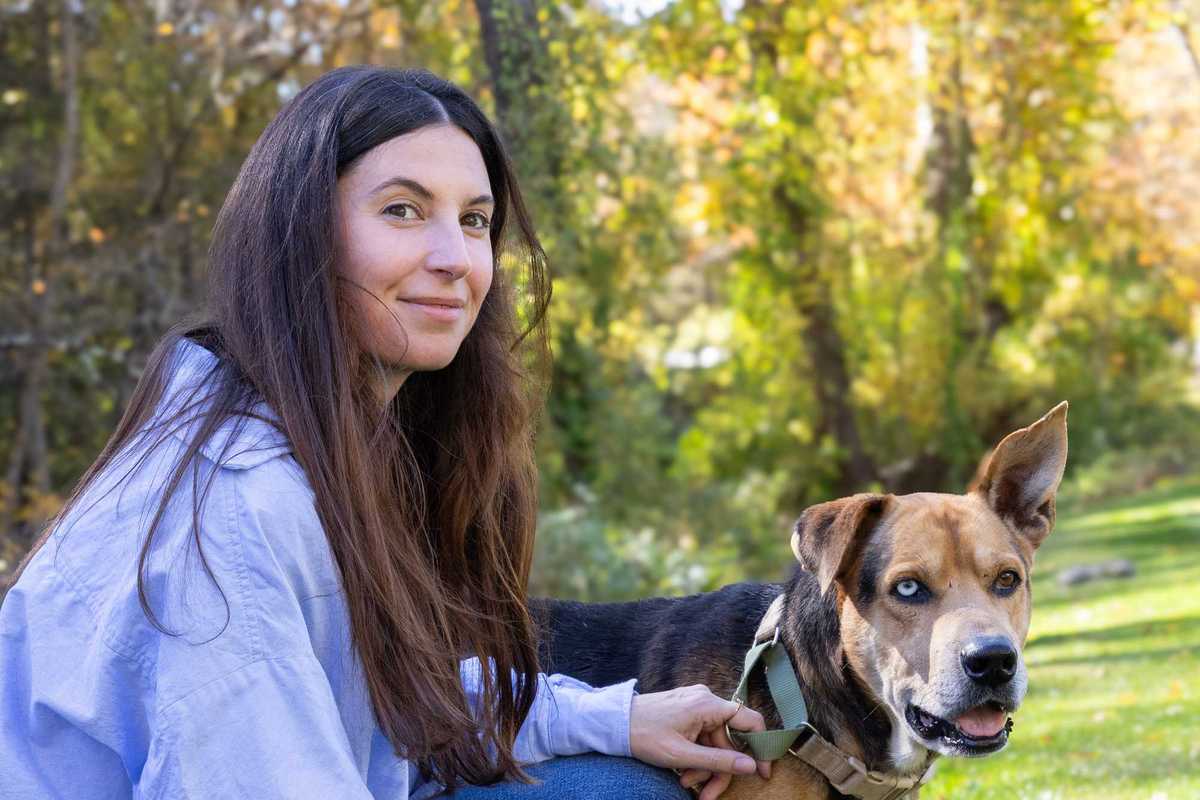
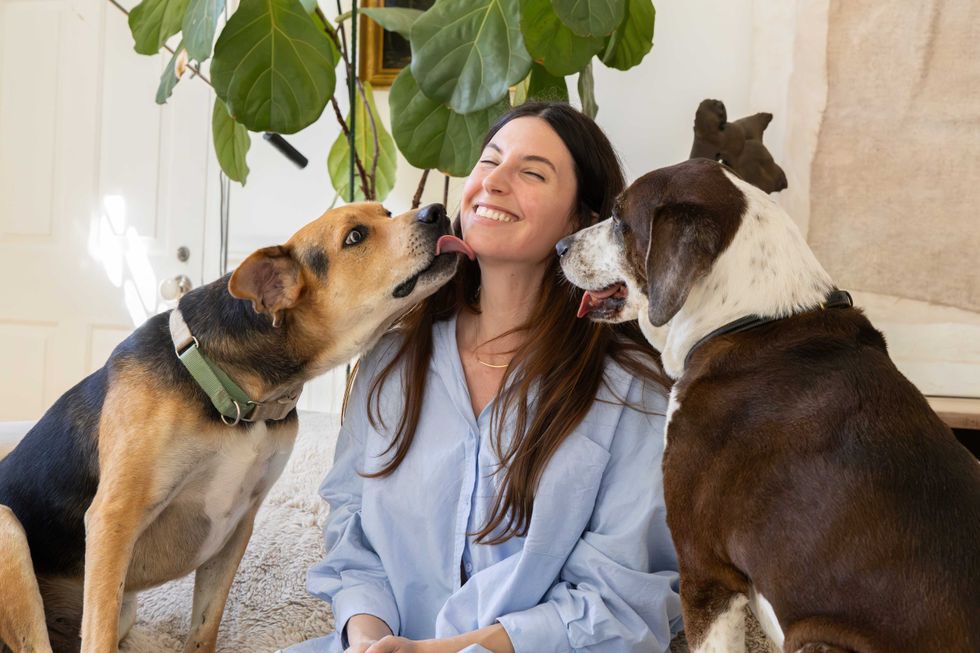 Stephanie Saetta,with her rescue dog George and Blue (left), a shepherd mix awaiting his forever home.Madi Long
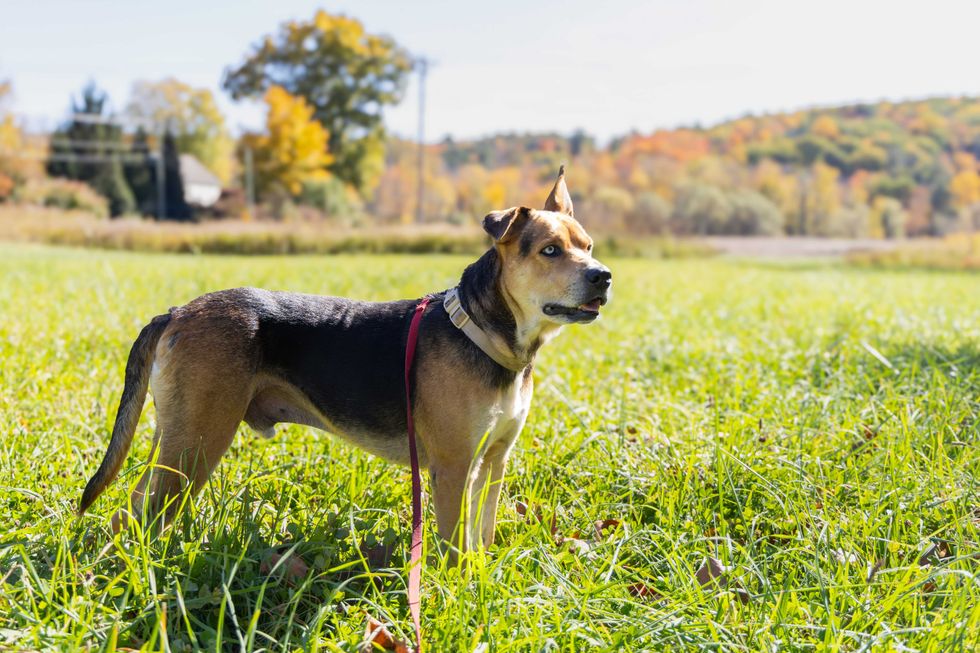 Blue, a 7 year-old Shepard mix, is waiting for his forever home. Madi Long