I recently interviewed a musician who is steeped in the classical tradition but also a champion of contemporary works and a lover of homeland folk music: a conductor who managed to thrive in a totalitarian society while doing whatever possible to bring about change. My conversation was with Christine Gevert, artistic director of Crescendo Berkshires. Gevert is a globetrotting musician with the eclectic tastes to prove it. Her perfect English is inflected with a vague and difficult-to-pin-down accent. She grew up in Chile, the seventh generation of German immigrants who first settled there in 1830.
The military junta led by Gen. Augusto Pinochet ruled Chile with an iron fist during her growing-up years. Gevert spoke at length about the challenges facing musicians during that time. For example, the junta had stringent regulations regarding “gatherings,†that included rehearsals. Finding a time when busy musicians can gather to rehearse is a challenging enough task. The added burden of obtaining clearance from the authorities is difficult to wrap our First-Amendment minds around. There was also a nightly curfew. When permission was granted for a gathering, the rehearsal had to end in time for all the musicians to get home before curfew. On several occasions, she or her colleagues risked arrest or worse by leaving a rehearsal too late. Very often, the musicians simply decided not to go home. Once, as a teen, she was practicing the organ in a church and let the time slip by. It so happened there was to be a funeral in the church the following day. Gevert sfaced a rather gruesome decision for a young girl. She decided to spend the night alone in the church with the corpse rather than risk a curfew violation.
Music history is filled with stories of musicians protesting tyranny with acts of civil disobedience grand and small. Gevert speaks with pride that although she often performed at government functions, she never sang for “the dictator.†(In our conversation she never referred to Pinochet by his name.) She also spoke movingly about some of her young colleagues who dared to perform variations on a protest song during government receptions.
In spite of the danger they were placing themselves in, the musicians enjoyed the challenge of improvising variations so subtle or complex that the dignitaries never recognized the tune.
These days, audiences marvel at the eclectic repertoire of Crescendo Berkshires.
In the past several years we have been treated to a wide variety of music, from little known and under-performed Baroque gems to works of contemporary South American composers. She has focused on unusual and little known works since her conservatory days. While obtaining her master’s degree in organ at Hochschule für Musik und Theater in Hamburg, she rubbed elbows with musicians from all over the world, and her professors were very keen on exposing the students to something other than the standard works. Interest in native contemporary composers is not unusual, but the courage to program an entire concert of such works certainly is. This is what Gevert delights in.
Crescendo’s upcoming performance of Jan Dismas Zelenka’s Missa Votiva is yet another coup for Crescendo. This will be the North American premier of a recently discovered masterpiece by an under-appreciated Baroque composer. Soprano Julianne Baird will once again join the Crescendo Chorus and Period Instrument Orchestra for performances Nov. 13 and 14.
Go to www.crescendoberkshires.org for details and to order tickets.

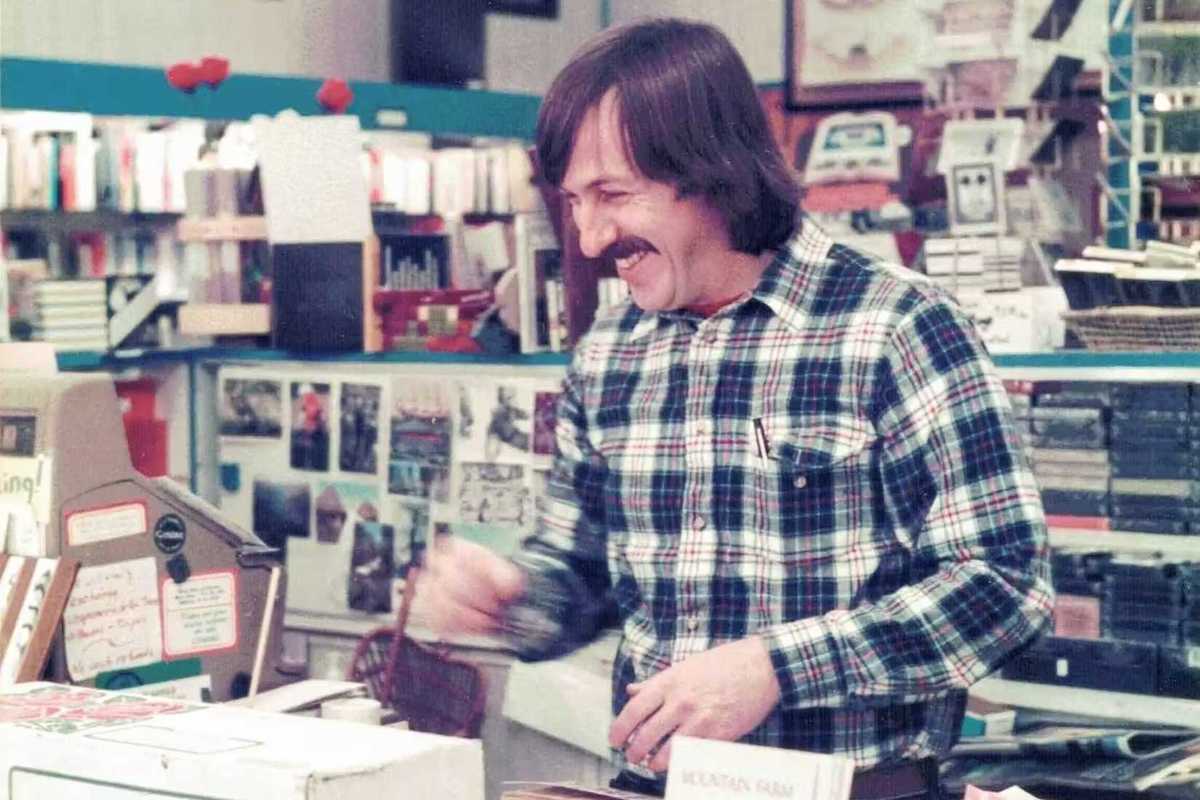
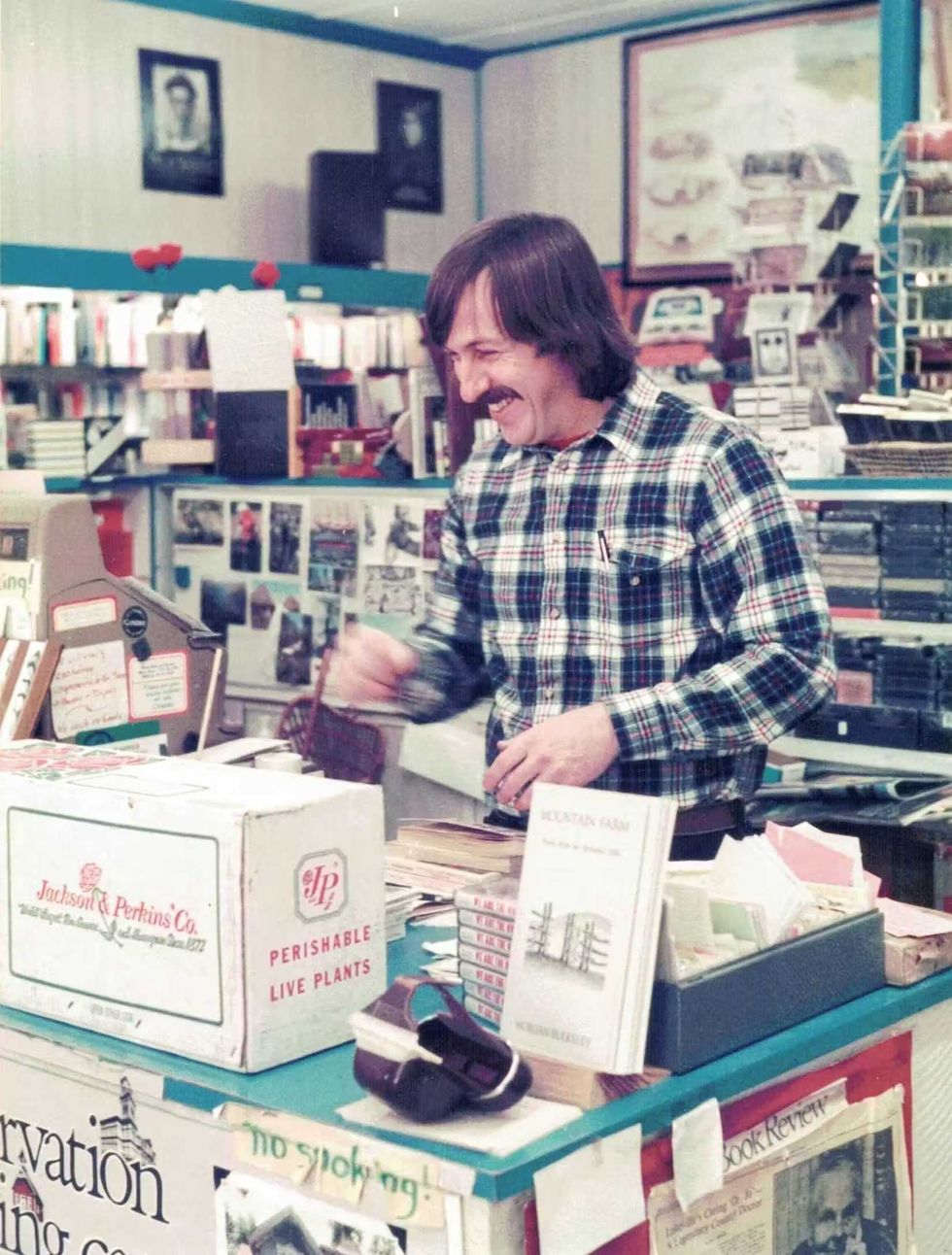 Dick Hermans in the Oblong Bookstore on Millerton’s Main Street in 1985.Provided

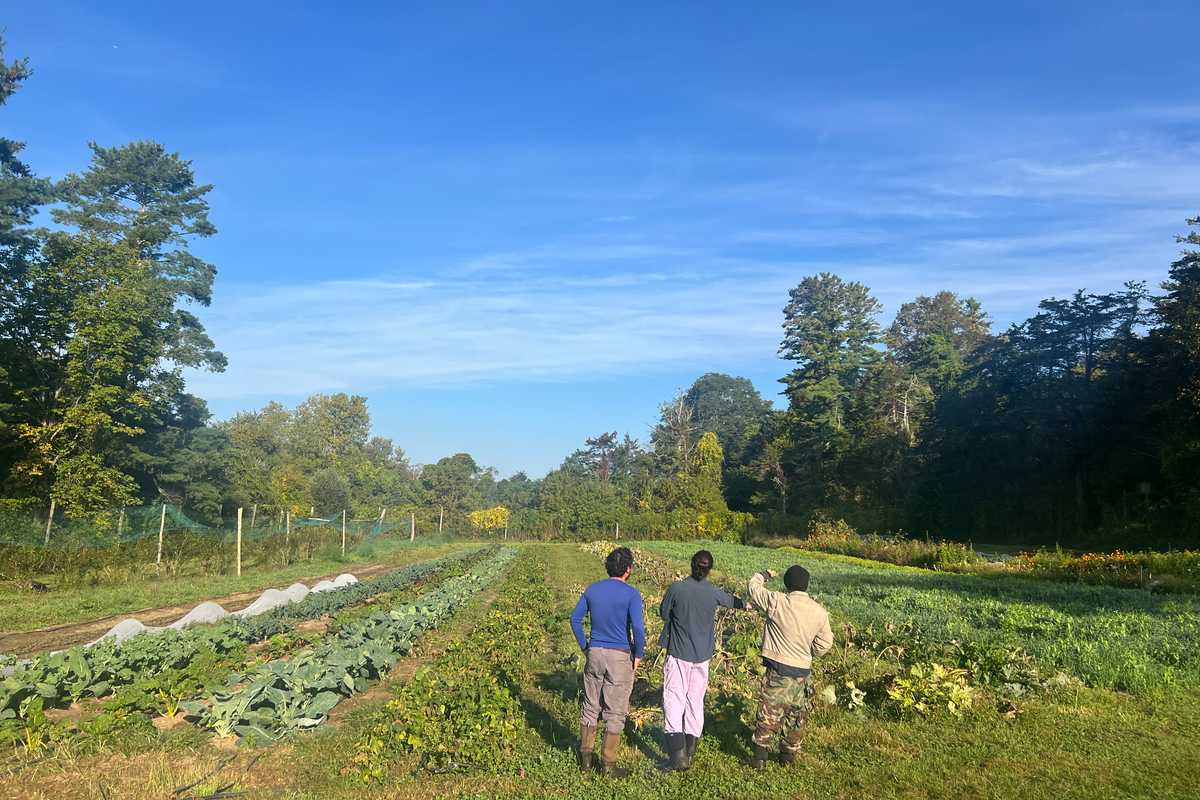
 Fall storage crop harvests amid soil building cover crops at Adamah Farm in Falls Village. Janna Siller