Anyone who’s ever undertaken a building project, whether a home renovation or a new structure, would not be surprised to hear of such a plan that changed a bit from start to finish. Paul Just of Benchmark Construction in Rocky Hill, CT, is in the process of working with a family in Lakeville on a new barn which he said evolved from a basic steel building project to an entirely green one, taking into account a sensitivity to the environment in every aspect of the building.
Just gives credit to the family, the Littles (Helen and Will Little who are owners of The Lakeville Journal Company), saying they have an “overall environmental awareness. The great part about them is that they have ideas going all the time. It’s because of this awareness that their project is green from the bottom up.� Their ideas of saving power and energy changed the project, he said, right from the design phase. While it is still a metal building, that is, an Armor Steel Building made and manufactured in the United States of all U.S. materials, it has maximized the use of green options available in the construction of such a structure.
The barn will have electricity and climate control without using fossil fuels, relying instead on solar panels and a geothermal groundwater system for heating and cooling. The windows will be energy-efficient, insulated sliders with tempered glass, and the overhead doors are also insulated and are LEED -certified. The geothermal system will run off of two electric furnaces, Just said, which will receive their power from the solar panels. The panels will be mounted on the metal roof, and are a 4-KW nominal grid-tied solar photovoltaic system which has been upgraded to a 6-KW system on the inverter, so it can easily be upgraded to accommodate more panels if they are necessary to keep the barn operating independently.
“I always wanted to try something new, something from the ground up,� Christopher Little, Helen and Will’s son, told me. He has been working with Just on the project’s green design. “The goal is net-zero.� That means the solar panels should be producing enough electricity so that the Littles don’t end up buying back more power from the grid, that is, the electric company, than they put in over the year.
Given the Connecticut climate, Little said, it is expected that in summer, there will be more electricity pumped into the grid, and in the winter, less. They’ll observe the success they have with the solar panels, and if they aren’t producing enough power to come to “net-zero,� another row of panels can be added to the roof. The roof is metal, with thicker-than-usual 6-8 inch insulation plus an extra layer of thin insulation for the best possible climate control. The color of the metal roof, which is a burnt slate, a dark color, makes the roof highly heat-absorbent.
For Just, this is the first all-green project he’s managed, and he has used the opportunity to learn about the many ways to include environmental efficiency in building. He has sub-contractors for all the different materials and parts of the barn, each using their own expertise in the installation. Carl Leach of Leach Services in EastHaddam, who is installing the solar panels, said the “Photovoltaic (PV) solar energy technology directly converts solar radiation into electricity. This displaces that power generated by other means without pollution or noise from readily available, free, sunlight. PV solar systems are user-friendly, extremely reliable, and emission-free. This technology is time-tested and the current systems are nearly maintenance-free, producing clean, predictable electricity.�
Joe DeFusco of Custom Mechanical Services in Bristol is installing the geothermal heating and cooling system. He describes the process as being “an environmentally responsible option for indoor climate control because there is no combustion taking place, and there are no harmful emissions created by the burning of fossil fuels.� The flue gasses produced are monitored and scrubbed for pollutants, he said, creating a very efficient system, when combined with the photovoltaic solar panels.
Just said “It’s worth it to be innovative in thinking about any building project, making educated choices.� While the upfront costs of green building are higher than a more traditional approach, “The owner should make that money back within 5 to 7 years in energy savings. Building green may mean more initial costs, but the long-term savings are worth it.�

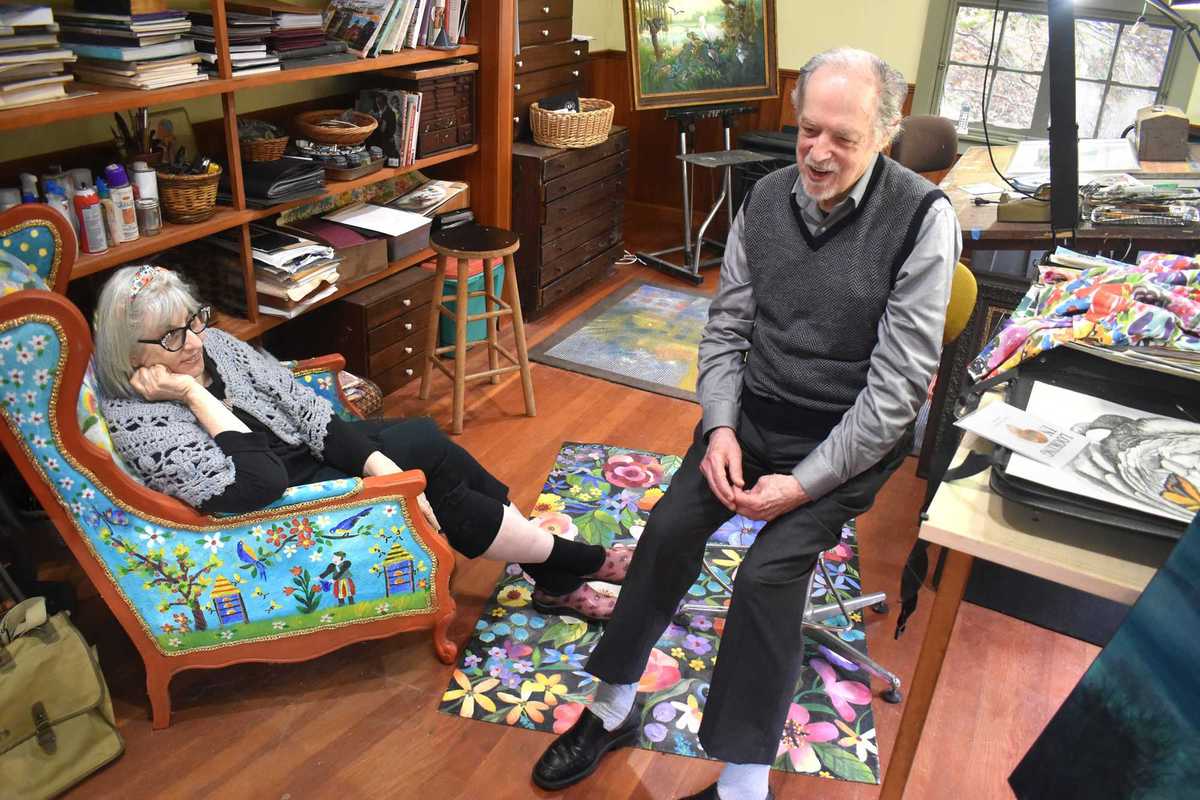
 Justine and Victor Valla in their studio with a painting of Victor’s,”Jonah and the Whale.” Robin Roraback

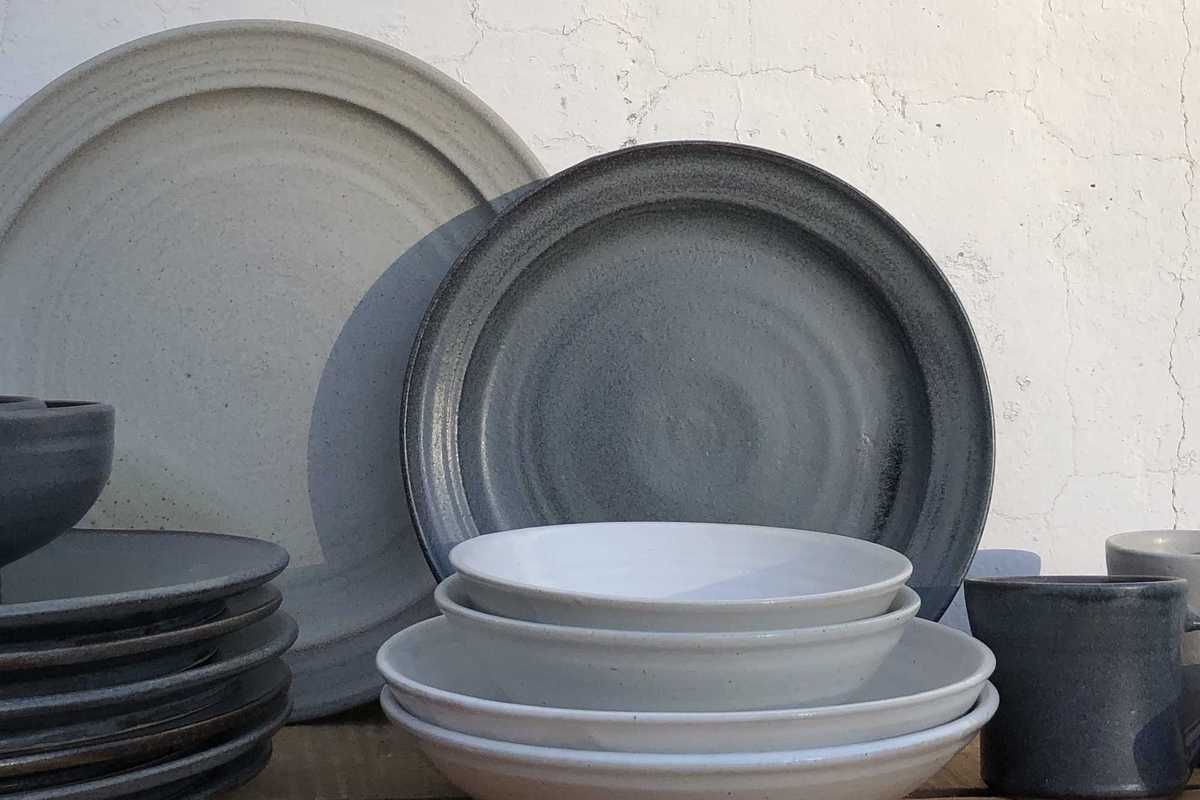
 A ceramic vase by Kathleen Heidemann.Provided
 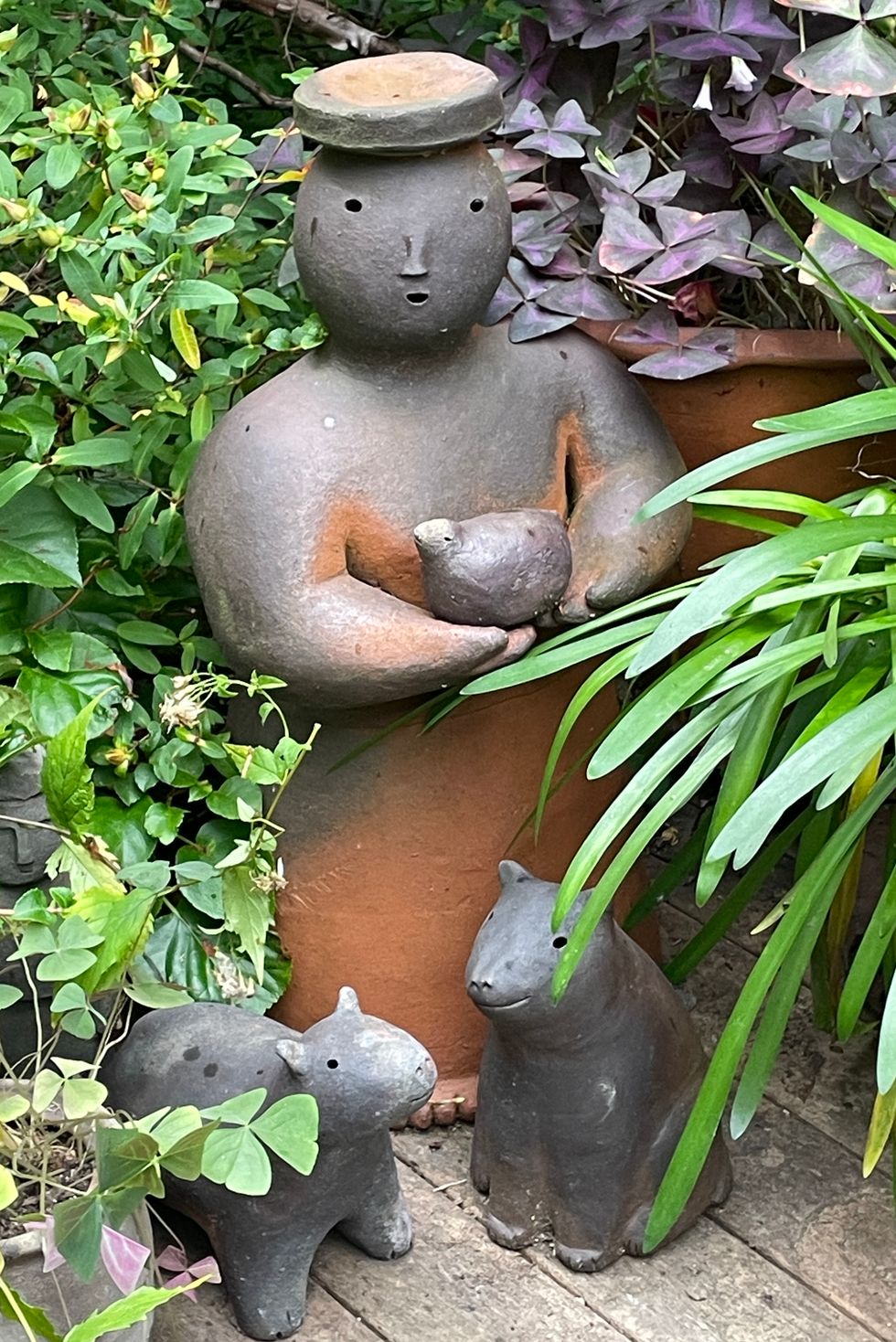 Joy Brown’s delightful ceramic sculptures.Provided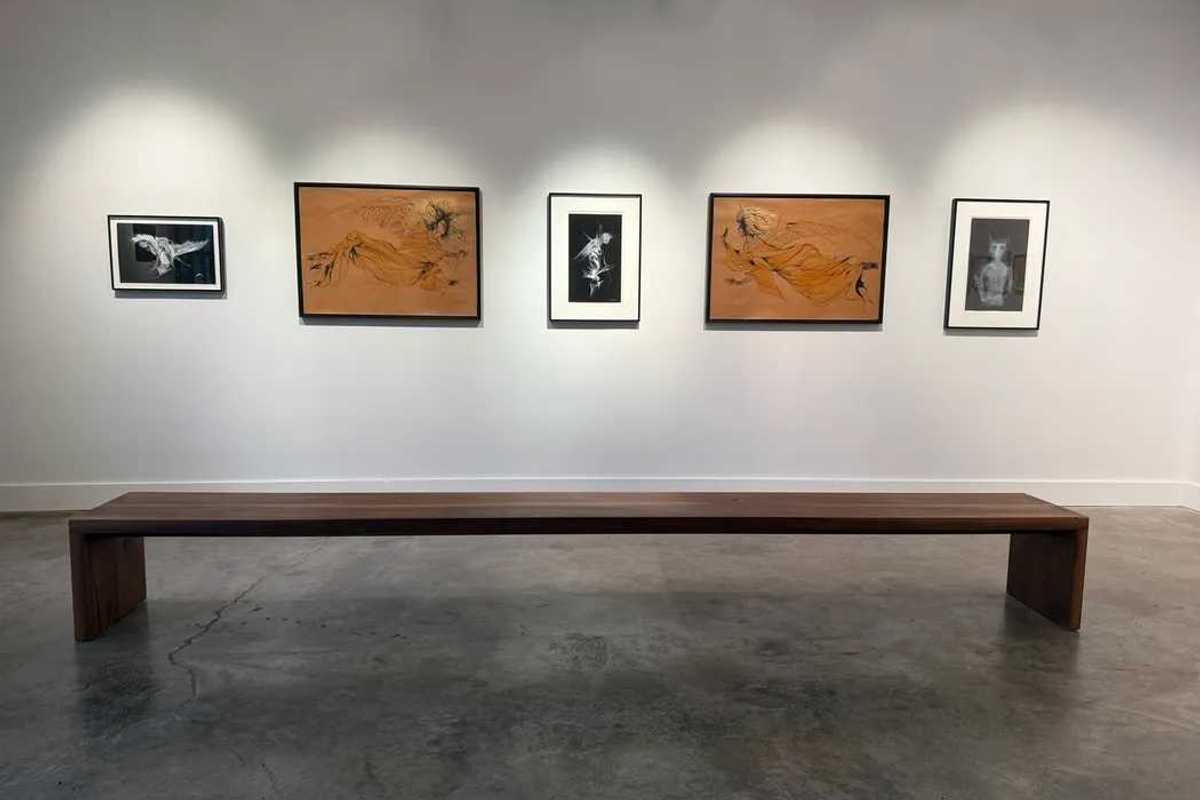
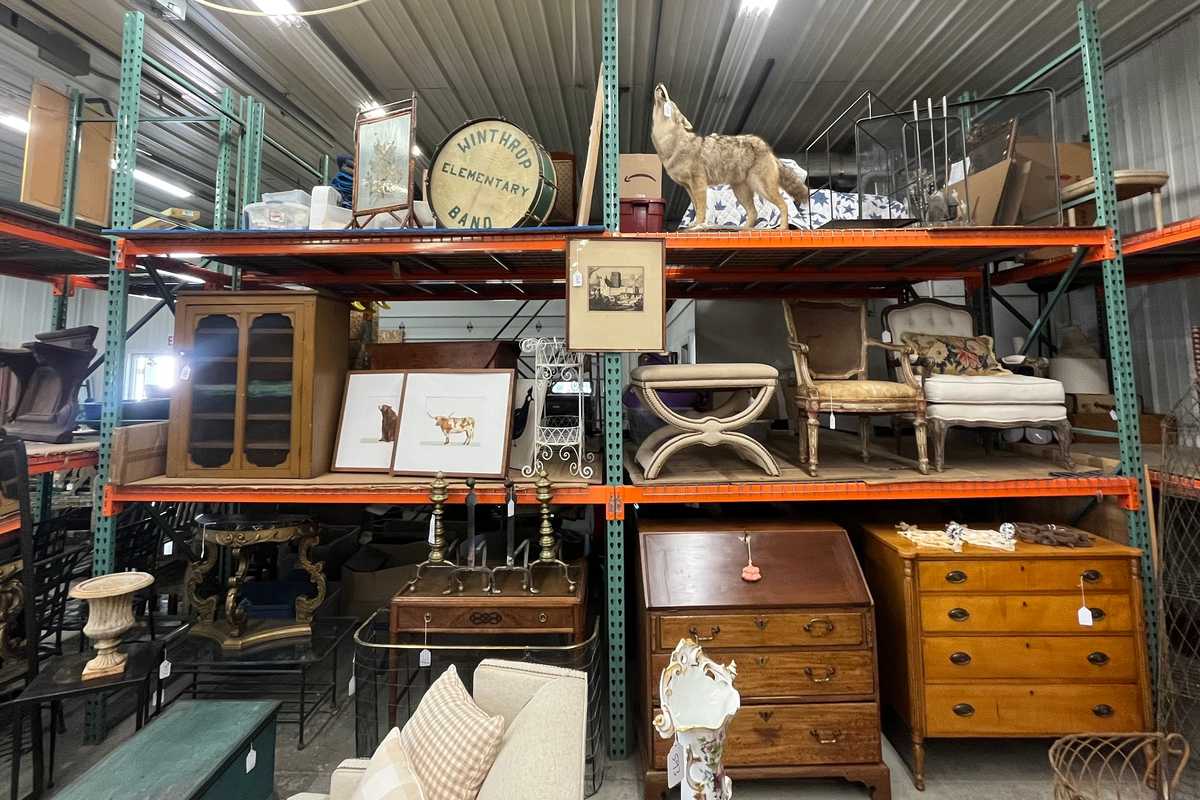
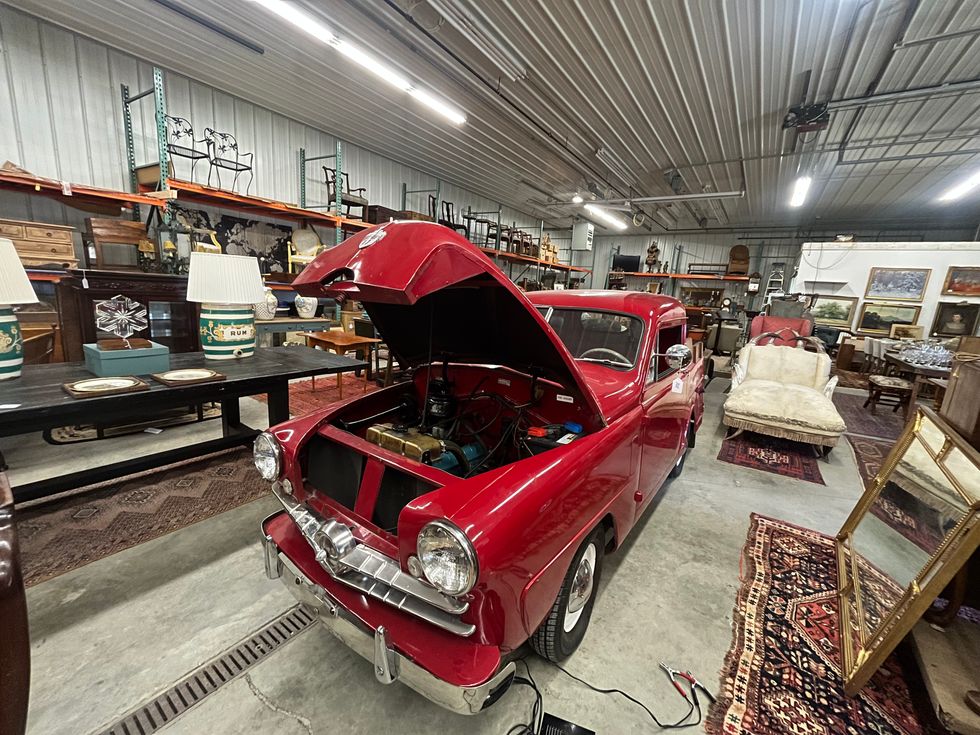 Hundreds of items at Stateline Auctions, including a candy-apple-red Crosley pickup truck.D.H. Callahan