Hours before Dan Malloy won the Democratic nomination for governor, he walked a picket line at a Hartford nursing home where members of the Service Employees International Union have been on strike for months. It was a smart move for a candidate seeking a Democratic nomination, but now that he has it, the strikers shouldn’t expect Malloy back on the line anytime soon, as they say.
He was there because SEIU’s District 1199, the most powerful health-care union in the nation, had endorsed him over Ned Lamont and, as he marched with the strikers, Malloy reminded them why he was the right choice.
As the union picketers sang, “Up with the union, up with Dan Malloy,†Malloy told a Hartford Courant reporter he thought closing some nursing homes and having the state assist families with less expensive home health care would be “a gigantic mistake.â€
That was a great applause line on a health-care workers’ picket line, but it won’t play very well in the coming campaign when Malloy has to attract more than the Democratic Party base to become the next governor. There are 800,000 unaffiliated voters who played no role in the party primaries but will make all the difference in the contest between Malloy and Republican gubernatorial candidate Tom Foley.
And it would be safe to guess more than a few of them might think helping a family keep grandma at home instead of exiling her to a nursing home might be a swell idea, even at the risk of offending health-care workers and their union.
Independent voters may also have a problem with Malloy’s support for a bill that would make Connecticut the first and only state to require businesses with more than 50 employees to provide paid sick days, which Democrat Lamont opposed on the grounds it could hurt small businesses.
During the primary race, Malloy played the traditional — and winning — role of Democratic liberal while Lamont, the hero of the left when he ran for senator against the Iraq War and that old devil Lieberman, became the centrist Democrat concentrating on jobs and the businesses that create them.
But now, the primary is over and Malloy will have to take positions closer to Lamont’s if he is to go beyond his primary winning liberal base.
His Republican opponent, Tom Foley, wants to get public employee unions to accept concessions for both current and retired employees and also wants to repeal binding arbitration, which has been especially helpful to teachers’ unions. He will also force a debate on privatizing major government programs like road maintenance and some social services, issues that will have some appeal to independents and moderate Democrats in these difficult economic times.
It’s been nearly 25 years since this Blue State elected a Democratic governor, and in normal times, this would be a Republican year. But these aren’t normal times and even after a dozen years of Rowland and Rell, many voters cling to the belief that a labor-dominated, Democratic General Assembly needs the moderating influence of a strong Republican governor.
If he hopes to be elected, Malloy will have to convince them you don’t have to be a Republican to play that role.
Dick Ahles is a retired broadcast journalist from Simsbury. He may be reached by e-mail at dahles@hotmail.com.


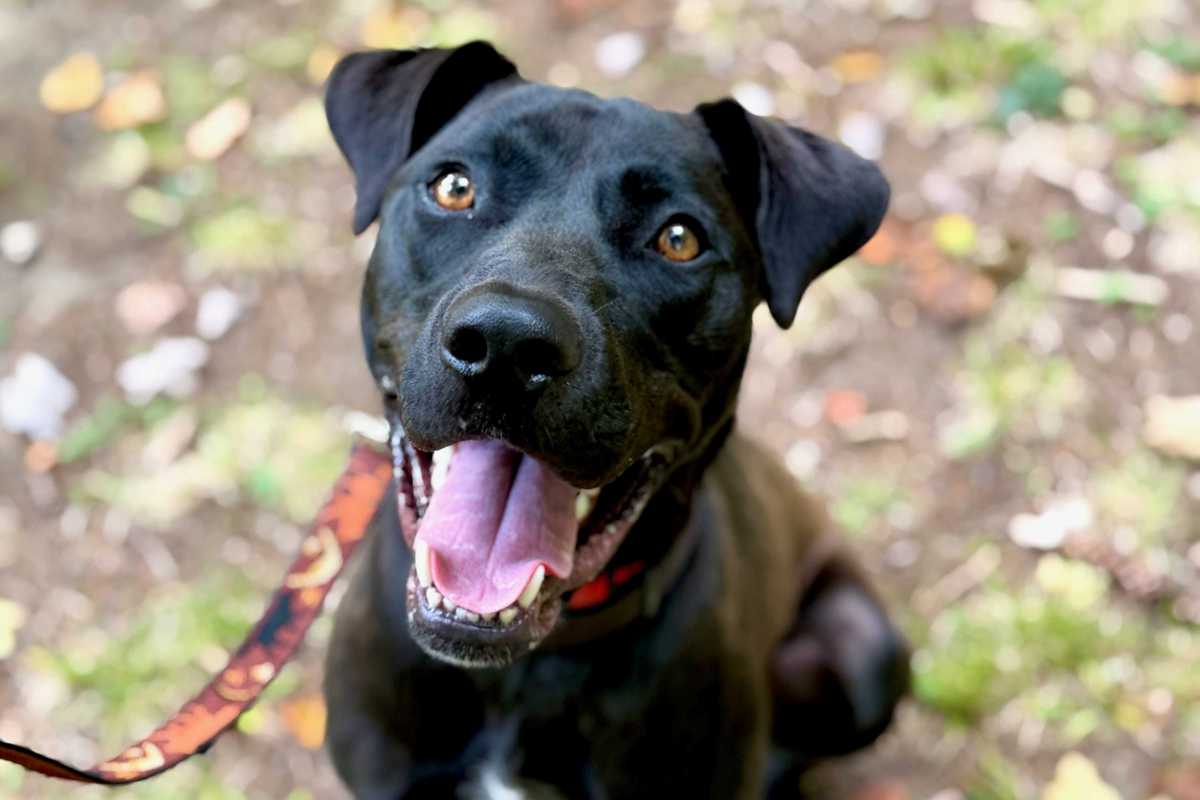
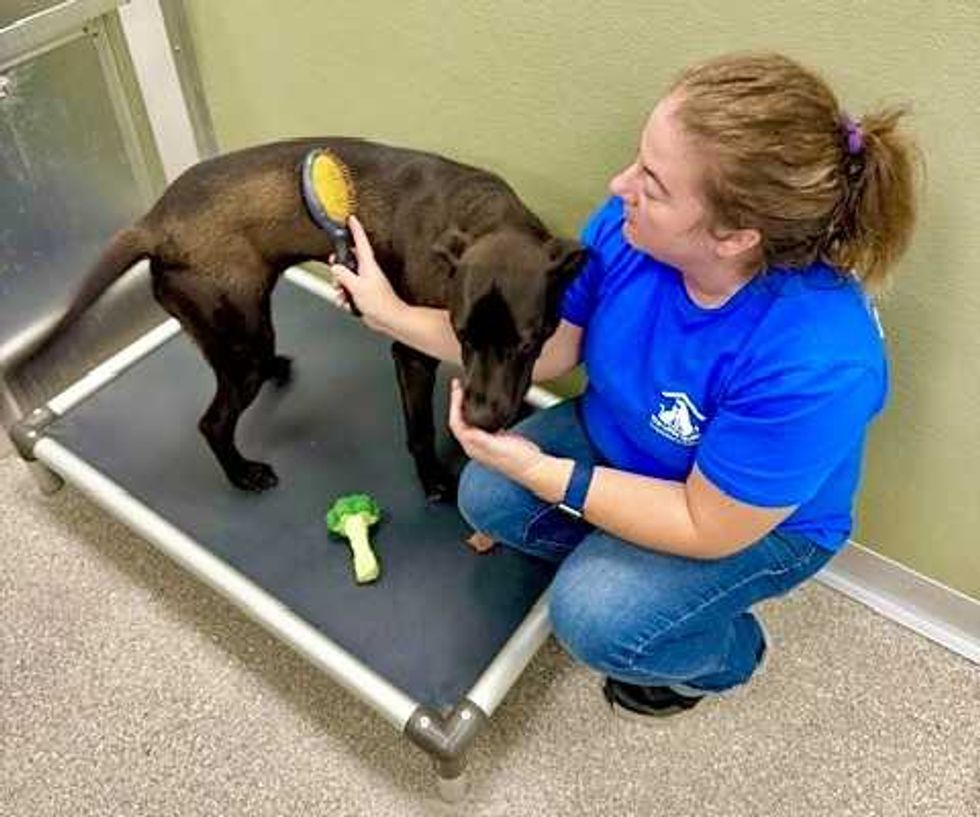 Tiffany Lemelin, shelter manager, brushing Marsala upon arrival.Provided
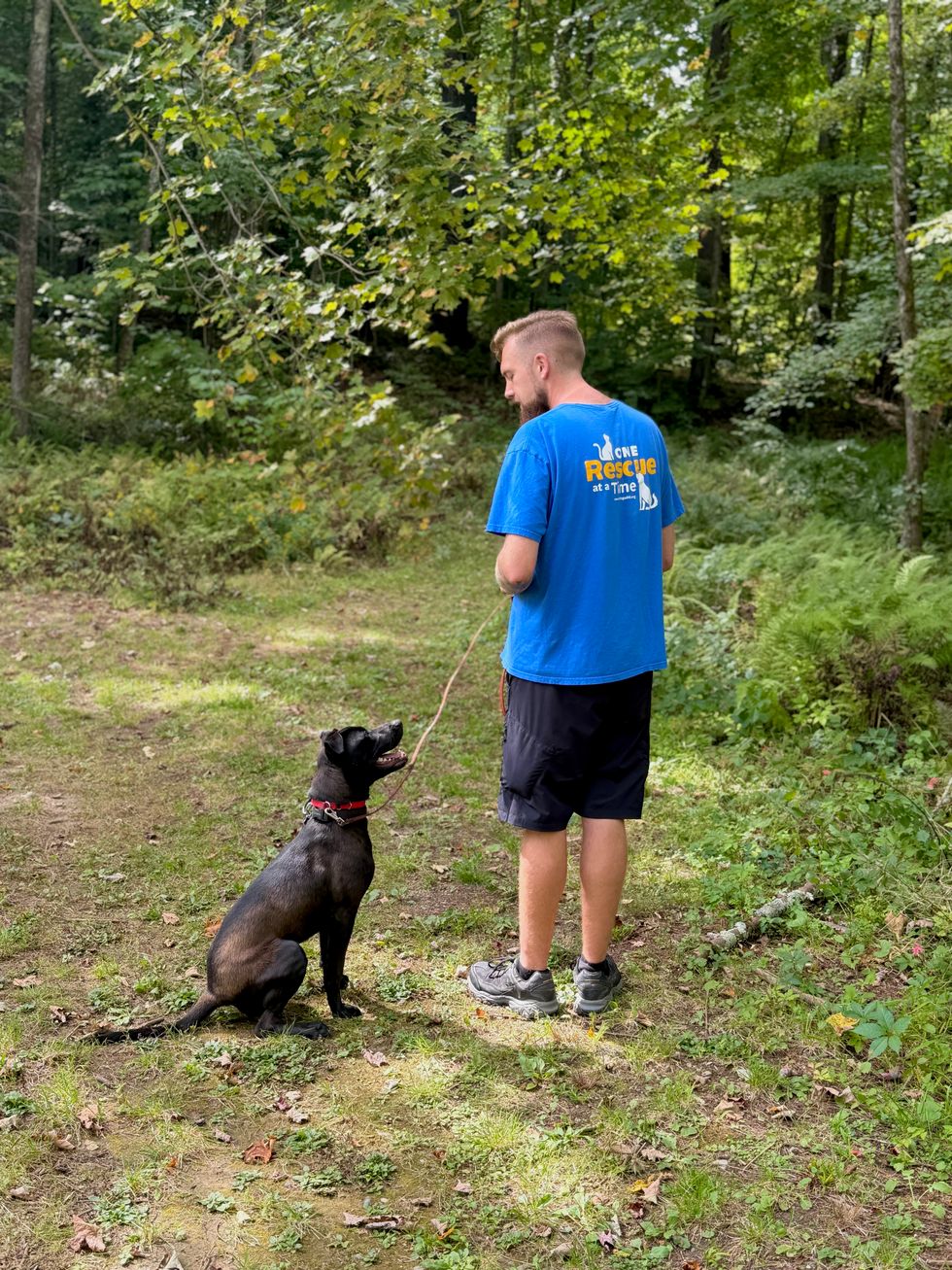 Michael DeBarba, certified dog trainer working with Marsala.Jennifer Almquist
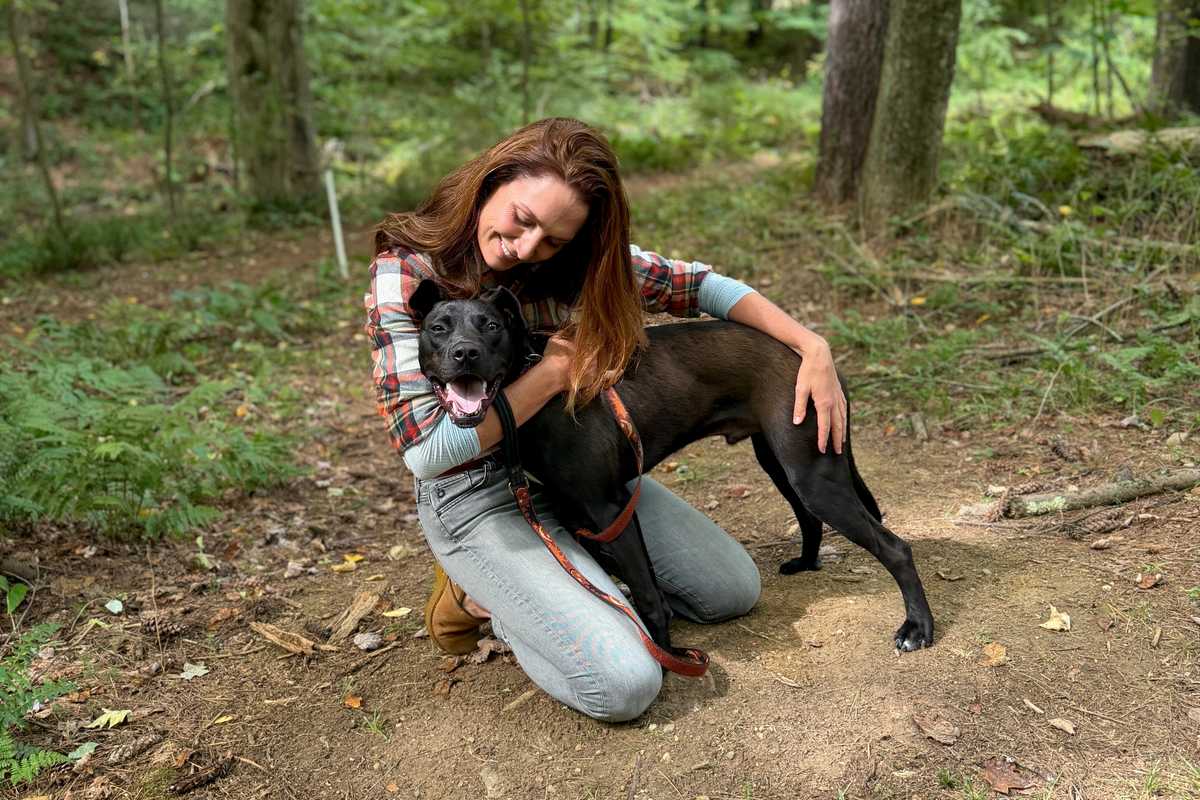 Marsala wins a heart.Jennifer Almquist

 Sadie, center, a Carolina dog, plays with her friend Negra, a terrier mix. Bella Linda, the small poodle, has since been adopted.L. Tomaino
 Wesley, a young, exuberant mix, is looking for an active home.L. Tomaino
 Bonnie and Clyde, an affectionate terrier pair.L. Tomaino

 Provided