Thank you!
Your support is sustaining the future of local news in our communities.

Closson lawsuit will move forward


WINSTED — News reports of the demise of George Closson’s lawsuit against the town of Winchester have been greatly exaggerated.

So said the former Planning and Zoning Commission chairman himself in an interview Tuesday with The Winsted Journal. Earlier, a federal judge rejected a motion by the Winchester Board of Selectmen to dismiss his case.

Closson acknowledged that a preliminary injunction he sought to immediately restore his position on the commission was denied, but the lawsuit regarding his removal from the board will go forward, as mandated by a July 11 ruling by Judge Vanessa L. Bryant.

"It was disturbing to read the press release coming from the mayor’s office, basically emphasizing a win on their side," Closson said, referring to a one-paragraph press release issued Monday morning. "Nothing was brought up about the win on our side — which is, they tried to get the case dismissed and they were denied."

In fact, Bryant said the case should move forward quickly. "The court recognizes the parties’ urgency in prosecuting this action," she wrote, encouraging Closson and the board to move quickly in assembling the appropriate documents.

Mayor Kenneth Fracasso responded that "The Winchester Board of Selectmen is gratified to the Federal Court for dismissing the injunctive relief sought by Mr. Closson. It is our hope that this brings an end to this unwarranted legal challenge by Mr. Closson. Perhaps Mr. Closson should consider utilizing some of his legal defense funds to offset this unnecessary cost to the Town of Winchester. We now will move forward on other very important issues to our community."

The statement added insult to injury for Closson, who was ousted from the Planning and Zoning Commission in April. A public hearing the following month drew more than 100 supporters to hear Closson make his case, but on May 22, the board voted again along party lines to remove him, drawing outrage from community members. Board members claimed inaction in drafting a new Plan of Conservation and Development was the chief reason for Closson’s removal, but members also said they believe Closson is anti-development.

"I’m not anti-development," Closson said Tuesday. "But I feel that if we don’t scrutinize things and do our due diligence, we’re going to be spending a ton of money afterward to unscramble projects. I try to be very meticulous in my review of an application."

The elephant in the living room, many acknowledge, is a development plan on the ridge between Route 800 and Highland Lake, where investors from Aurora Properties intend to build an 18-hole golf course and two upscale housing projects. The developers have had to cross numerous hurdles during the past two years as they have strived to get the projects approved. Republican selectmen, elected to a majority in November, have accepted significant campaign contributions from Aurora and are now pushing to get the deals finalized.

Republican Mayor Kenneth Fracasso said, during discussion of Closson’s removal, that economic development issues have not received enough attention under Closson’s leadership. "As businessmen, we see a very disturbing pattern of ignoring critical issues," Fracasso said. "A plan to correct these has fallen on the current board as no action has been taken in the last four years."

Closson responded in his public hearing by saying selectmen had underfunded the Plan of Conservation of Development, cutting an initial requested line item of $90,000 down to less than $15,000. He also noted that the Planning and Zoning Commission has been focusing on numerous development applications in recent months, leaving little time to work on the planning document.

Closson said there are some 25 other towns in Connecticut which have not updated their plans of conservation and development for a variety of reasons.

"They’ve accused me of not working on it, but I don’t think there’s anyone who looks at the record who can say we haven’t made an attempt," he said. "We’ve had many special meetings and we are all volunteers."

One thing Closson said he hopes will come of his lawsuit, which seeks reinstatement as chairman of the Planning and Zoning Commission and damages in excess of $15,000, is that the process for removing volunteer commissioners will become more clear.

"The town charter is definitely lacking as far as procedures for things like this go," he said, noting that the group of selectmen who voted to oust him also presided over his public hearing. "It’s like being arrested for speeding and the guy who arrests you is judge and jury."

Closson also noted that the Board of Selectmen failed to keep an official record of the hearing, though residents were in attendance with video cameras. "There is no formal record of that meeting, which is kind of outrageous when you’re doing something that important," he said. "We had no ground rules."

The only recourse, Closson said, was to take the case to court.

After receiving the federal court ruling last week, Closson said he will not take the mayor’s advice and abandon his case.

"I’m positive about it. I think we’ve got a very strong case," Closson said. "This court case is not just about me. It’s about people in all 169 towns. Volunteers need to have a sense of stability. There are an awful lot of dedicated volunteers in this community and land use boards are very important boards. I really take it very seriously."

Latest News

‘So Little to Do,’ so much to discover at James Barron Art

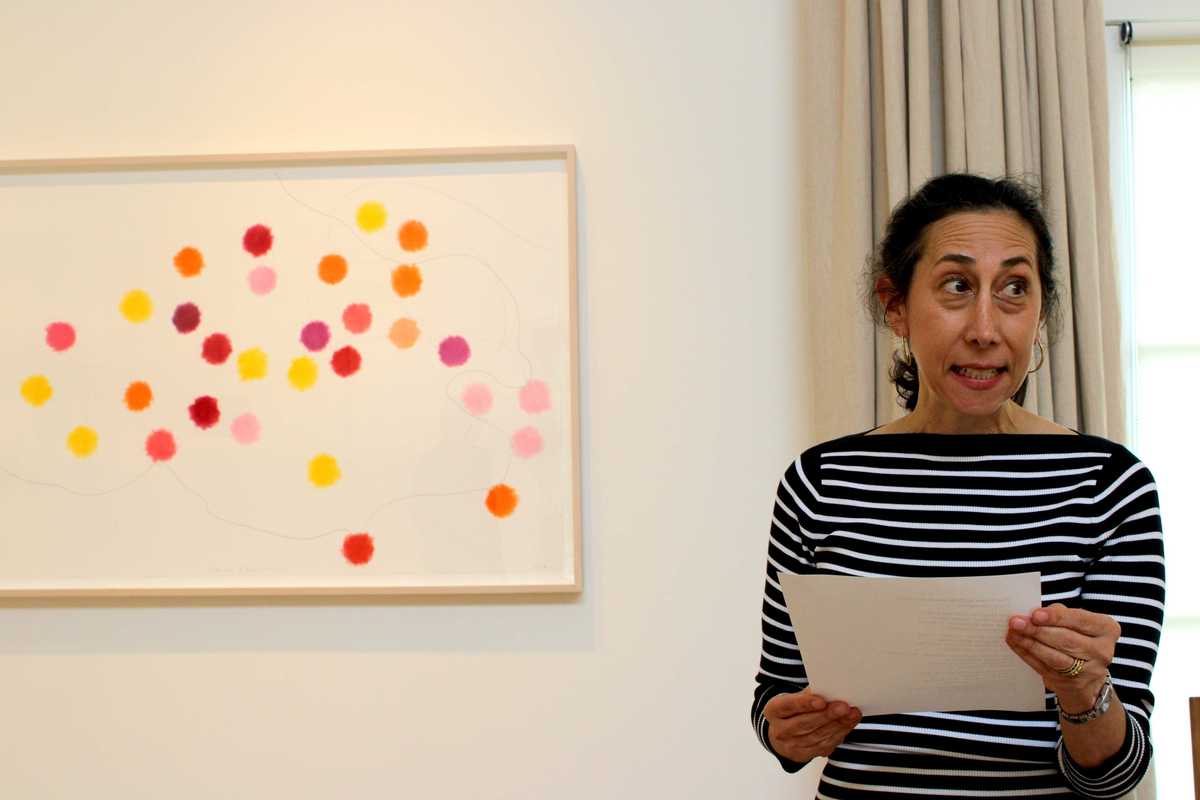
Curator Deborah Goodman Davis reads the Emily Dickinson poem “The Grass So Little Has to Do.” Spencer Finch’s “Following Three Bees (Zinnias)” buzzes in the background.

Photo by Natalia Zukerman

“The Grass Has So Little to Do,” on view at James Barron Art in Kent, takes its title from Emily Dickinson’s poem “The Grass So Little Has to Do,” written in 1862:

“The Grass so little has to do—
A Sphere of simple Green—
With only Butterflies to brood
And Bees to entertain—”

Keep ReadingShow less

Marina Kotchoubey is not a woodworker

Marina Kotchoubey is not a woodworker

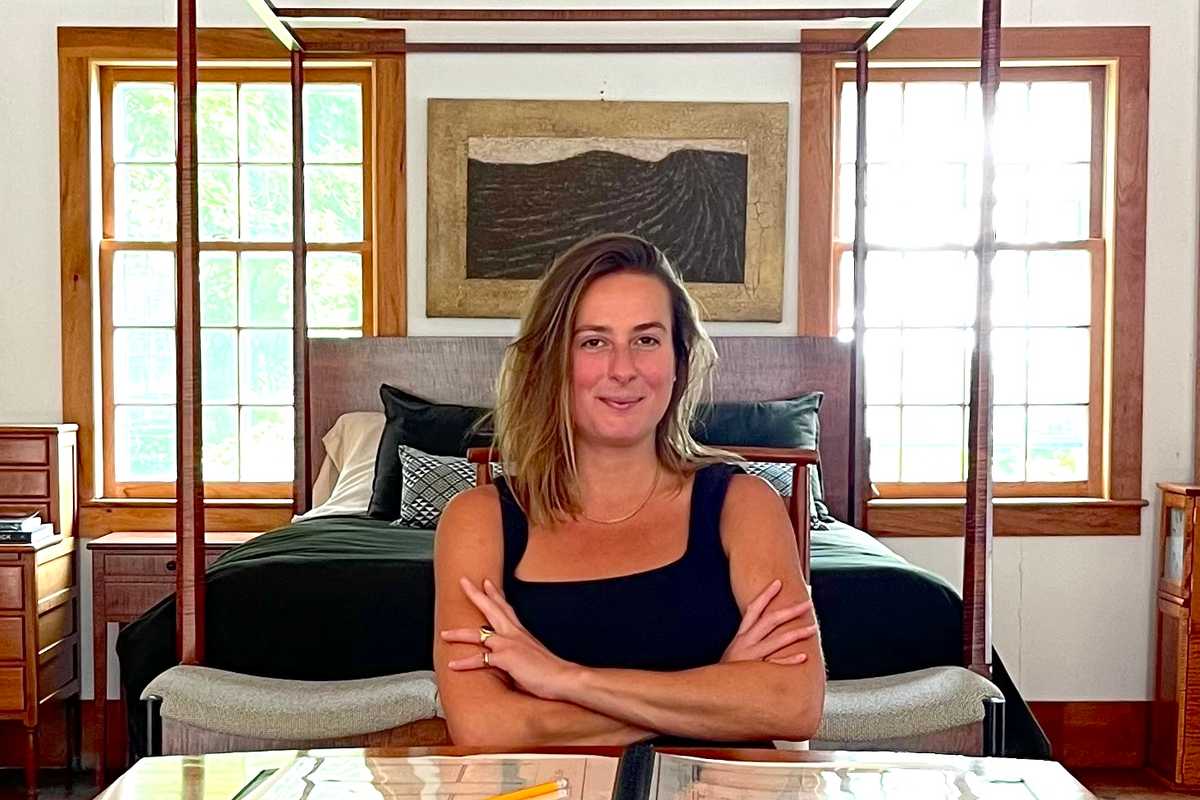
Marina Kotchoubey at the Ian Ingersoll Cabinetmakers showroom in West Cornwall.

Photo by D.H. Callahan

After 40-something years navigating the world of custom fine furniture, Ian Ingersoll was getting ready to retire. Starting off with a little dovetail stool that he sold at a shop in West Cornwall in the 1970s, he’d grown his skill and his business into something he — and the whole town — could be proud of. Shutting down that business was not an option.

Ingersoll built Ian Ingersoll Cabinetmakers, which produced mainly classical Shaker furniture, on passion: the passion he had to make a living through creative challenges and the passion of his employees, who all seem deeply in love with their craft.

Keep ReadingShow less
A legacy of giving at Norfolk Chamber Music Festival

One hundred and twenty years ago, Carl and Ellen Stoeckel commissioned New York architect E.K. Rossiter to design The Music Shed in Norfolk, Connecticut. After nearly a decade of entertaining their friends and neighbors with the finest music of the day, they built a permanent home for their beloved Litchfield County Choral Union.

The commission and full funding of the construction was not unheard of in an era when great fortunes led to public enrichment. Railroad tycoon John D. Rockefeller was instrumental in funding institutes of higher education. Steel baron Andrew Carnegie was building libraries all over the country, and famously said that a man who dies rich is a disgrace, challenging his peers to give their fortunes back to the people.

Keep ReadingShow less
google preferred source

Want more of our stories on Google? Click here to make us a Preferred Source.
Two unique exhibitions at Geary Gallery

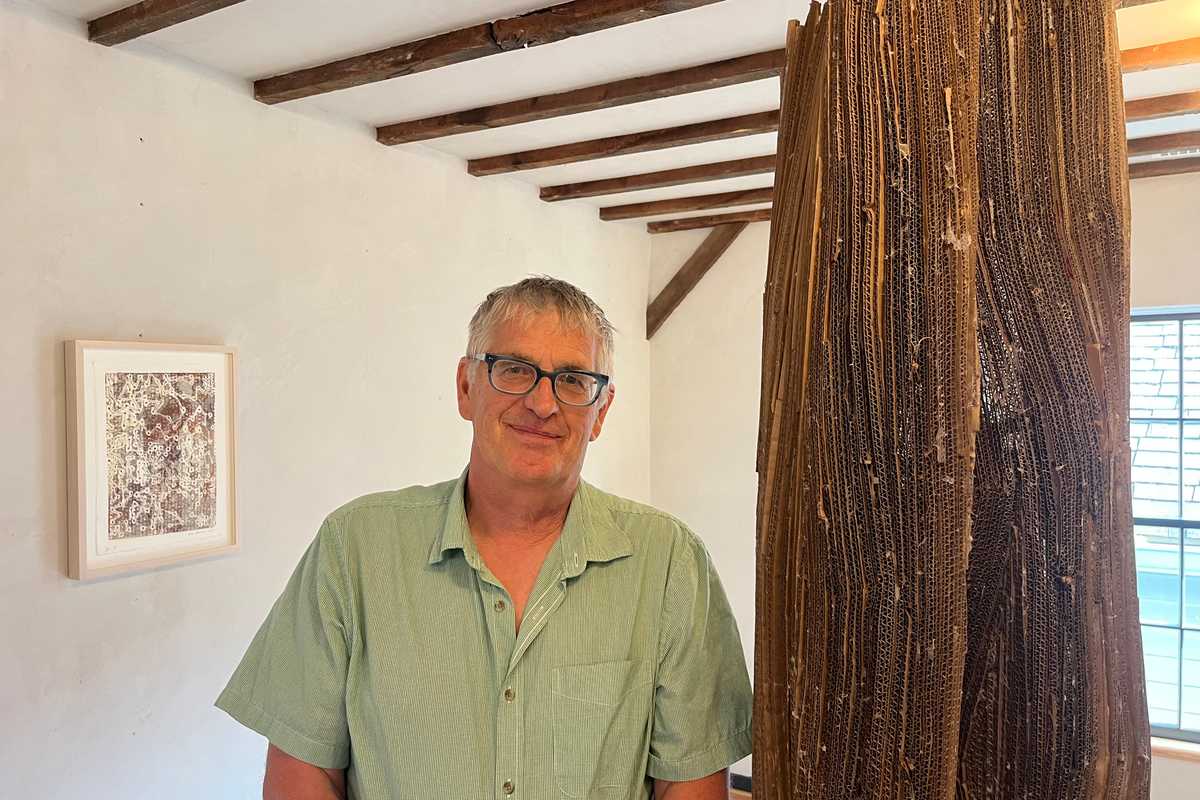
Henry Klimowicz with his sculpture, “Partial Pillar 1”

Photo by D.H. Callahan

On Saturday, Aug. 1, Geary Gallery opened its doors in Salisbury for two unique shows in its first- and second-floor gallery spaces. Art lovers flooded both floors over the course of the afternoon, giving the events a vibrant feeling that enhanced the importance of the art.

On the first floor is a show by Chicago-born, Colorado-based photographer Summers Moore, titled “Lobitos: Pueblo Fantasma,” or “Lobitos: Ghost Town.” The work centers around her daughter’s current hometown in Peru. Moore herself found a home away from home in Colorado in the mid-1980s and encouraged her children to seek out new places outside of their comfort zones.

Keep ReadingShow less

Writer’s retreat in the woods

Writer’s retreat in the woods

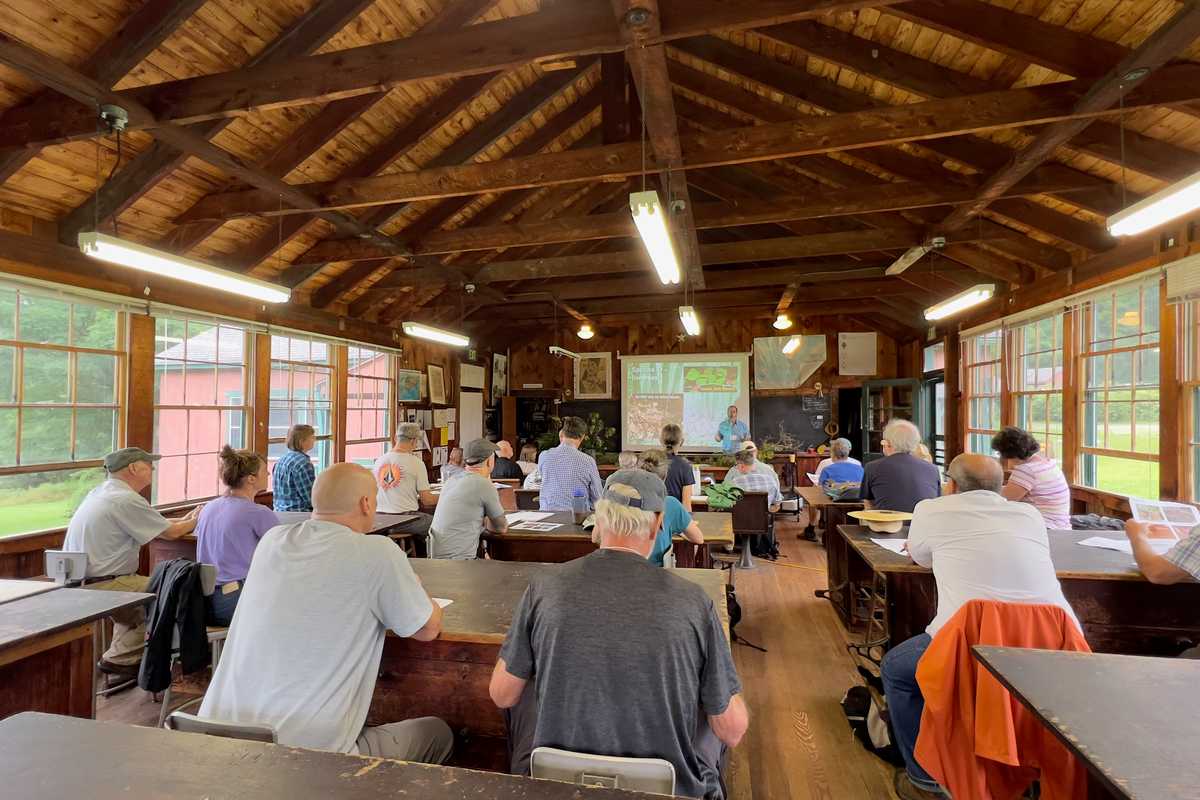
Participants in a 2024 Great Mountain Forest Woodland Academy workshop at Yale Camp.

Photo by Mike Zarfos

Great Mountain Forest (GMF) will host its first Nature Writing Retreat at the historic Yale Camp in Falls Village from Aug. 7-9, 2026. Writers of all levels are invited to draw inspiration from one of New England’s most notable forest landscapes. GMF envisions the retreat becoming an annual event celebrating writing, conservation and the relationship between people and forests.

This immersive three-day retreat reflects on the legacy of Hal Borland, the American writer and New York Times nature columnist whose work was deeply connected to this landscape. The retreat explores how wilderness shapes language, strengthens close observation and fosters environmental consciousness.

Keep ReadingShow less
From Cornwall to Rome, Adam Van Doren at Berkshire Botanical Garden

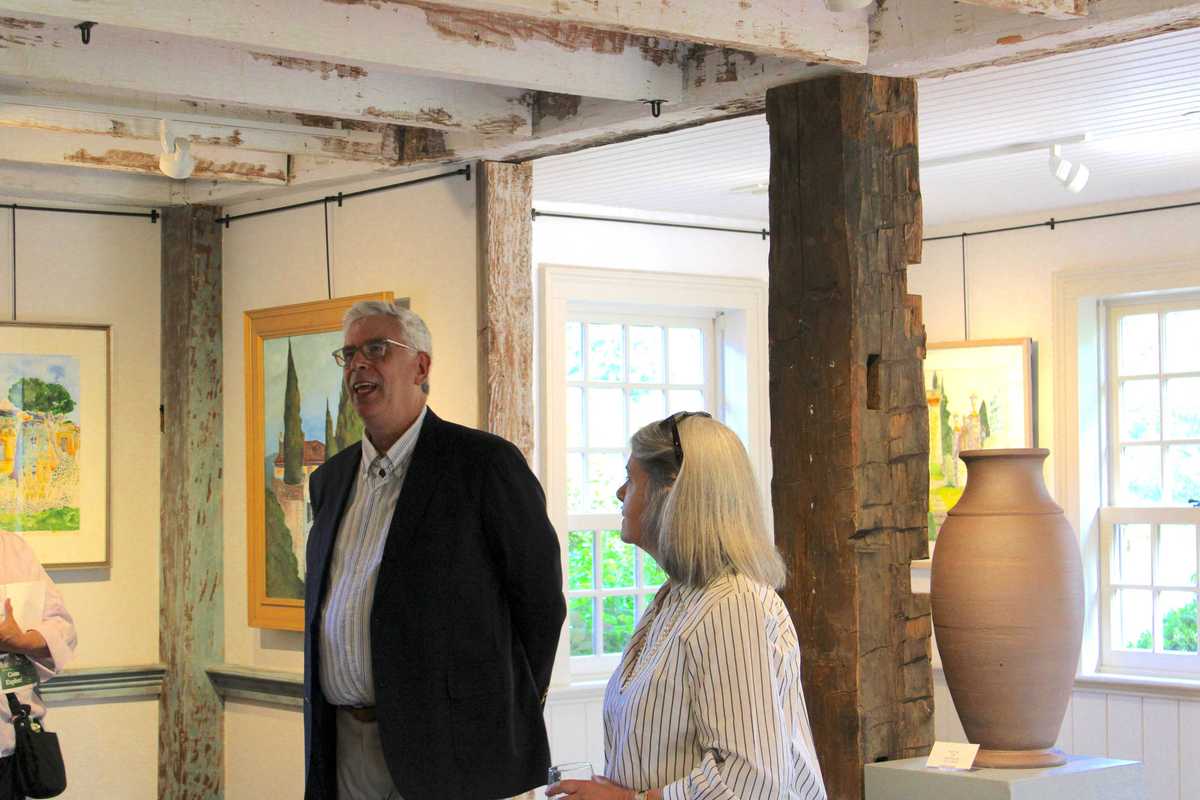
Artist Adam Van Doren and curator Donna Hassler talk to a group of visitors at the Berkshire Botanical Garden. A Stephen Proctor vessel sits to their left.

Photo by Natalia Zukerman

This summer, the Berkshire Botanical Garden in Stockbridge has hosted “Grounded in Nature: Paintings by Adam Van Doren,” an exhibition exploring the intimate relationship between architecture and the natural world.

On view for only a few more weeks in the Leonhardt Galleries, the exhibition features more than 35 watercolor and oil paintings by the New York-based artist, architect, author and Yale professor, curated by art historian Donna Hassler, director emerita of Chesterwood. The works span three distinct places that have shaped Van Doren’s artistic practice: New York City, Cornwall, Connecticut, and his travels throughout Europe.

Keep ReadingShow less
google preferred source

Want more of our stories on Google? Click here to make us a Preferred Source.
google preferred source

Want more of our stories on Google? Click here to make us a Preferred Source.