COLEBROOK — Tucked away on a quiet Colebrook road, a stately home sits and waits to dazzle visitors from near and far. Originally home to Jerome Alexandre of the Alexandre Steam Ship Lines, the 1912 Addison Mizner mansion is now owned by Michael and Stella Somers. Now known as Rock Hall, it is Colebrook’s first and only bed and breakfast.
Michael, a former bond trader in New York, and Stella, an interior designer, wanted a place where they could live and work while raising their 14-year-old daughter, Sabrina. They purchased Rock Hall in April 2005.
The Somerses came across Colebrook haphazardly on one of their stays in the area. Sabrina, a competitive skier, often brought the family to nearby ski resorts for competitions.
Eventually the family moved to Lakeville, renting a house while looking for a more permanent place to stay. They came across a home for sale in Colebrook that piqued their interest.
"No one had seen the house in months," said Stella Somers. "It had been kind of neglected."
But to the Somerses, a fantasy-turned-reality stood before them.
After buying the house, Somers said a great deal of time and energy went into restoration. The house had been abandoned and squaters used to set fires in the middle of the living room. The level of attention the home required did not deter the couple.
"We tried to restore it to its previous condition," said Somers. "We fixed up the house and it’s just been amazing. It’s been an incredible house."
Architect/builder
Addison Cairns Mizner was born in 1872 in Benicia, Calif. A self-taught architect, Mizner received no formal education in art, but was said to hold an apprenticeship with San Francisco architect Willis Jefferson Polk.
Mizner was known for his work as an American resort architect in south Florida and designed homes with a unique Mediterranean revival flare. He completed two homes in the earlier part of his career in the Northeast, one of which was Rock Hall.
Rock Hall was constructed in 1912 for Jerome Alexandre of the Alexandre Steam Ship Lines. Rock Hall incorporated rare local woods in Mizner’s Mediterranean style.
There are 17 rooms and six bathrooms. In the main living area, the home has a grand dining room, living room and library. The kitchen, former servants dining hall and pantry are also on the entry level. A wooden staircase lined with stained glass windows leads to four bedrooms, two of which are full suites, with fireplaces and views of wildflower gardens and the Berkshire Mountains.
The largest suite offers a bonus feature in the master bathroom: what Somers calls one of the first multi-jet showers in history. The shower has several side jets as well as an overhead nozzle.
Servants were originally quartered on the third floor. Today the space is used for a game room, private movie theater and additional bedrooms.
The Somerses maintain a pool house alongside a 75-foot heated swimming pool. There is also a tennis court with synthetic turf.
Michael Somers, the home’s star chef, prepares frittata with fresh vegetables and herbs, alongside home-cured gravlax. He serves his creations along with a variety of cheeses, olives, tomatoes and fruits. Fresh-squeezed orange juice, sparking water and local teas, coffees and breads are also provided.
"We felt that even though it’s delicious, you can get bacon and eggs and French toast and waffles anywhere," said Somers.
While the Somerses acknowledge running a bed and breakfast is hard work, Stella said it is really a dream come true and staying in a bed and breakfast offers so much more to guests than a place to sleep.
"You get more of the flavor of the area when you stay in a B&B," she said.
Rooms at the Rock Hall range from $350 to $425 per night, with grand opening discounts available. For more information, visit 19rockhallroad.com.

 Sharon, CTBill Wakeley
  Mill Pond, Sheffield MADeb Segalla-Watson
 New Marlborough, MAWendy Miller
  Peter Austin
 Falls Village, CTPete Sanders
  Tom Carley
  Factory Pond, Lakeville CTBarbara Peck
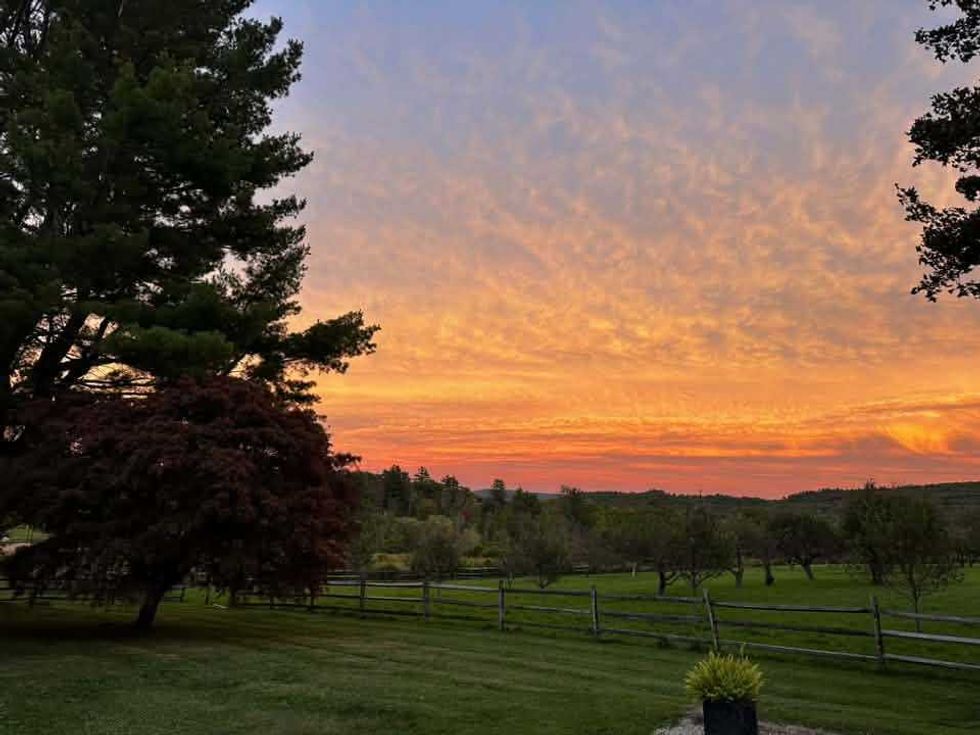 Lime Rock Road, Lakeville CTKeary Hanan
 Lime Rock Road, Lakeville CTJake Marcum
 Housatonic River, Sharon, CTBill Wakeley
 Norfolk, CTTom Carley
  Reed Brook, Deans Ravine, Canaan CTBill Wakeley


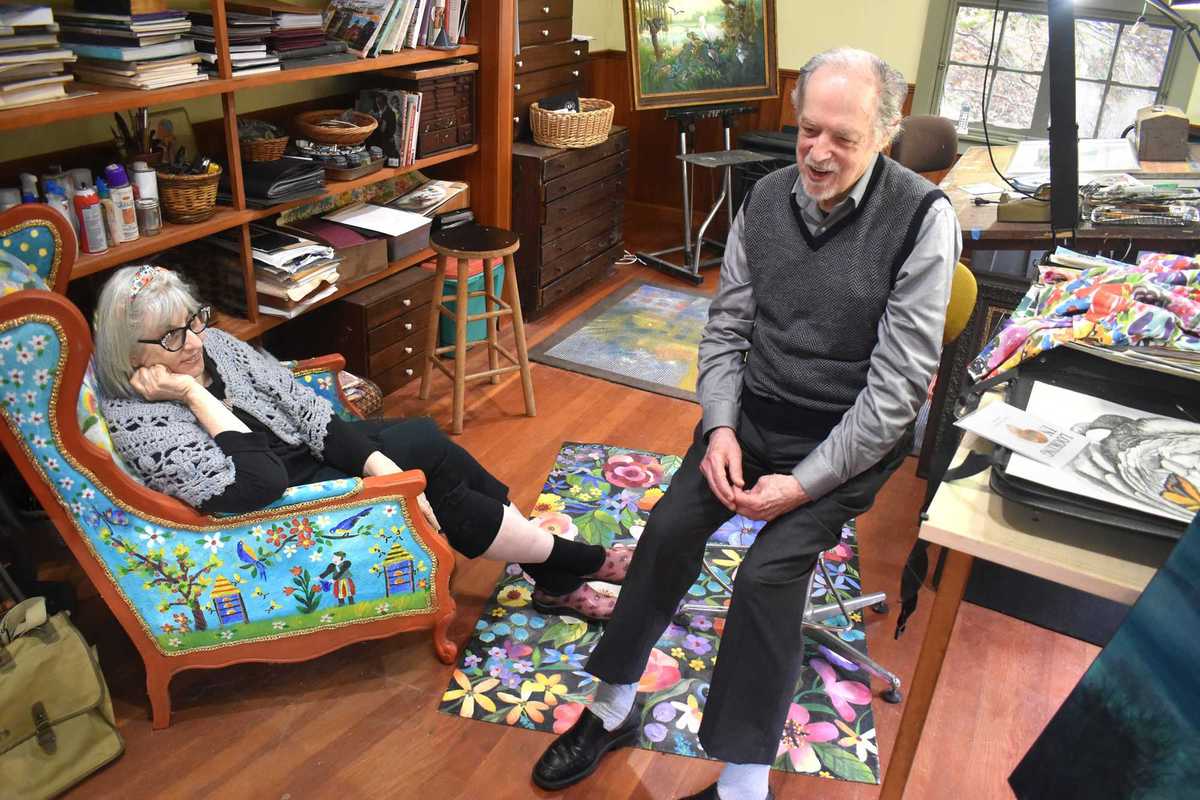
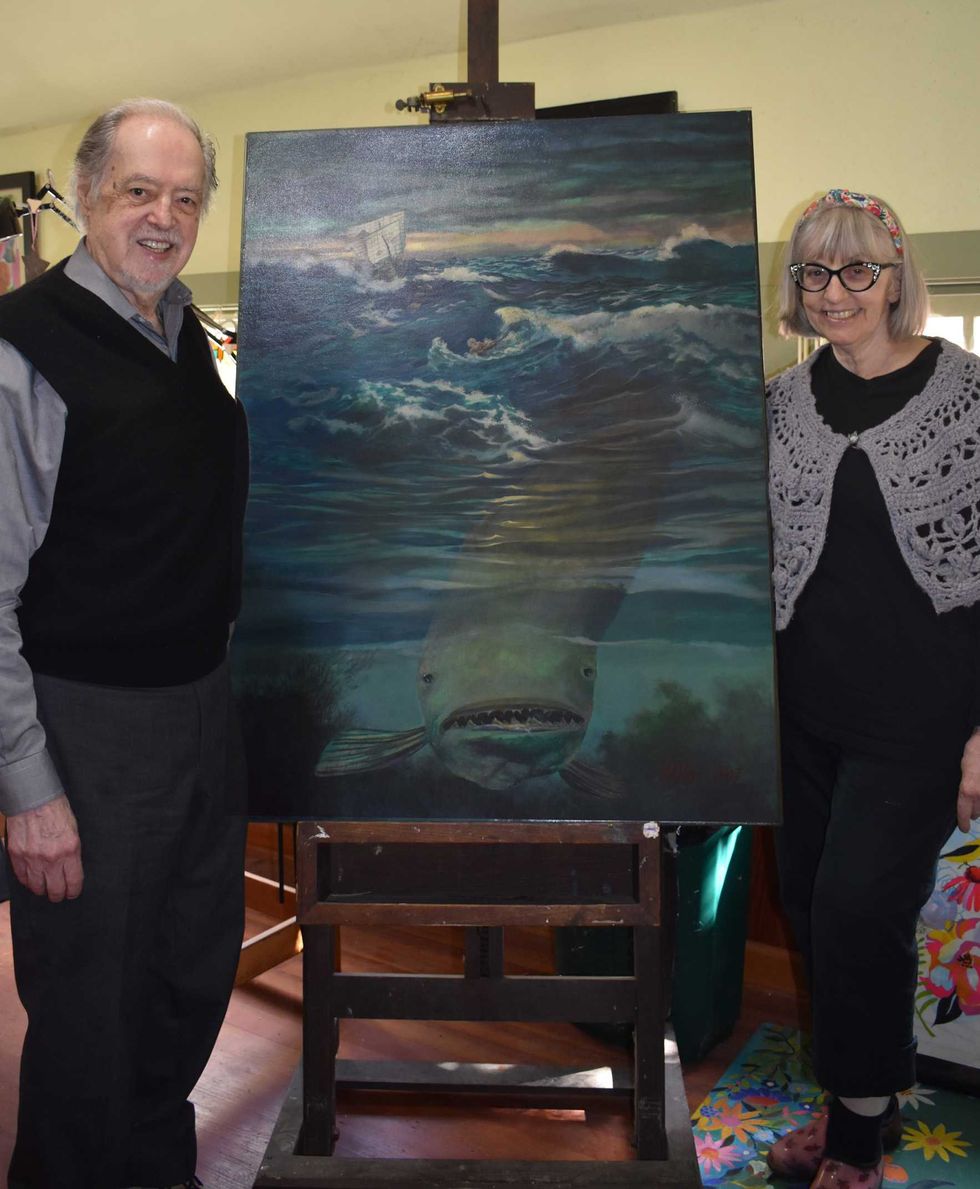 Justine and Victor Valla in their studio with a painting of Victor’s,”Jonah and the Whale.” Robin Roraback

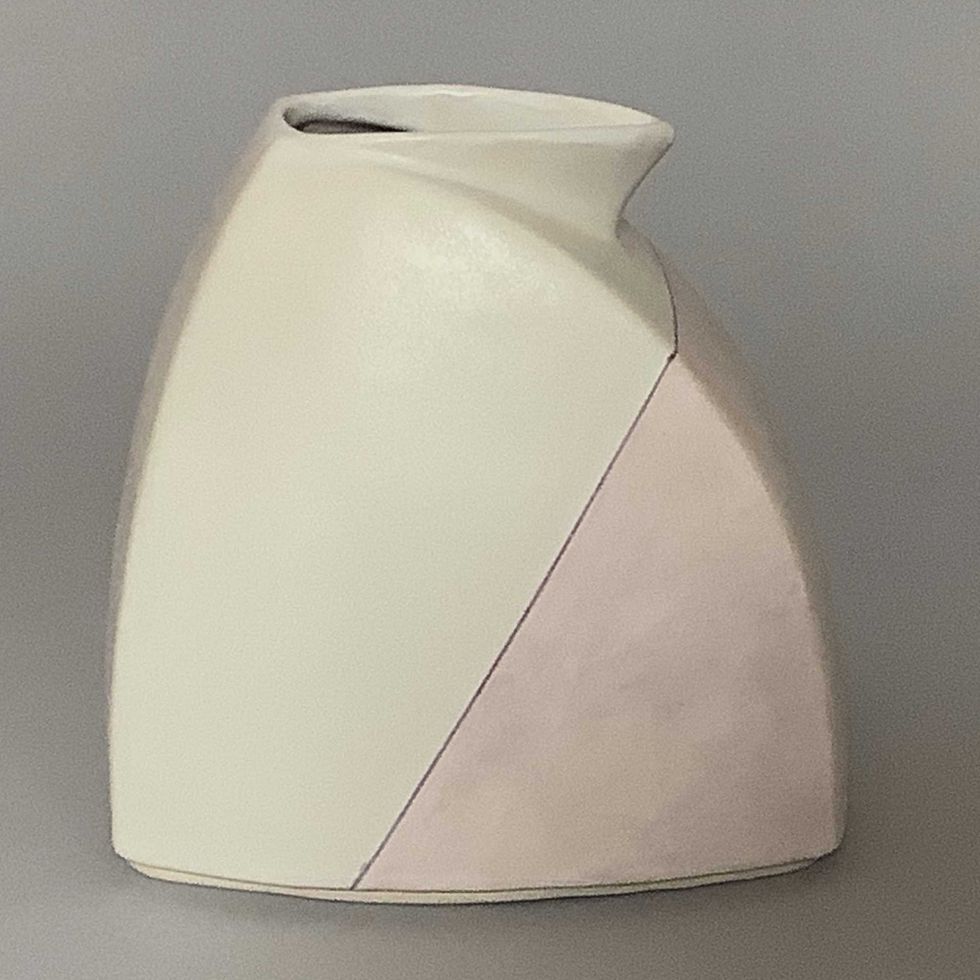 A ceramic vase by Kathleen Heidemann.Provided
 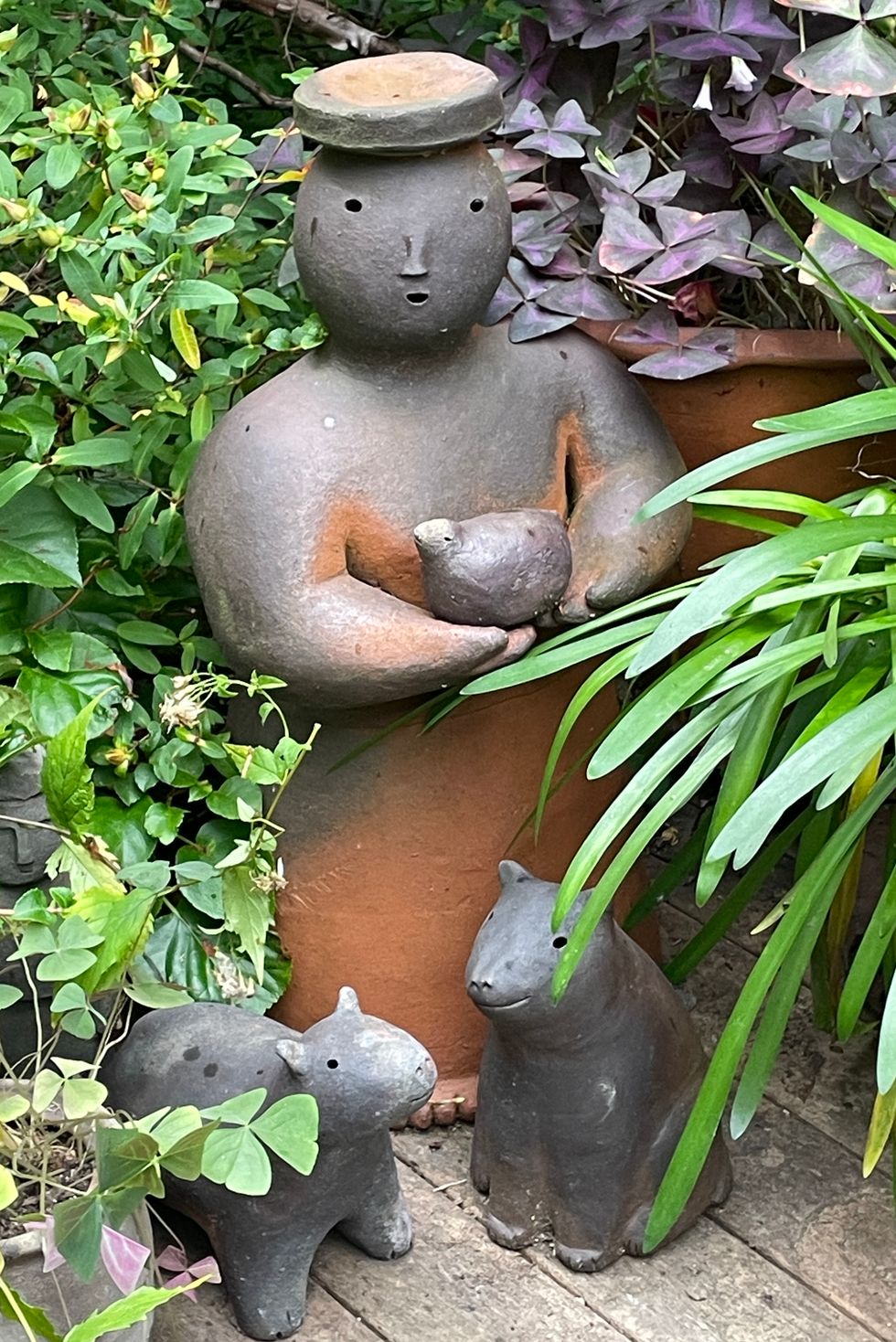 Joy Brown’s delightful ceramic sculptures.Provided