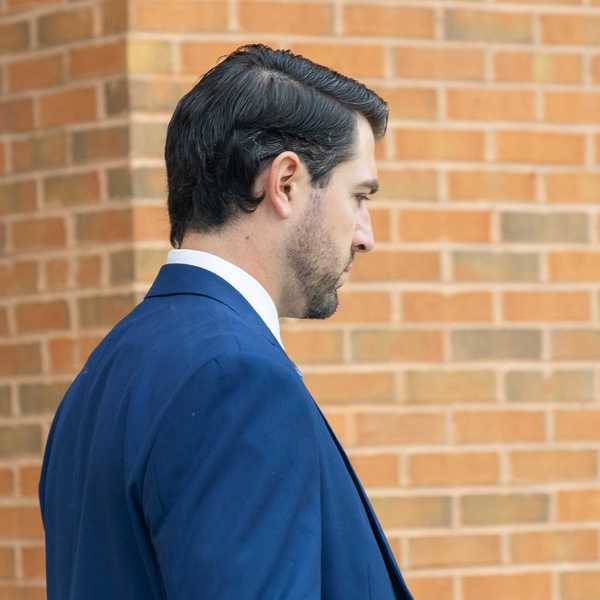
Patrick L. Sullivan is The Lakeville Journal Company’s award-winning fishing columnist (in addition to being the newspaper’s senior reporter). Every year when fishing season begins, Sullivan again journeys to his Prized, Secret A1 Litchfield County angling spots (and no, we won’t tell you where they are).
But as summer comes, he begins to disappear to Phoenicia, N.Y., where he fishes in the Esopus Creek.
In this article, he explains the differences between his two favorite destinations.
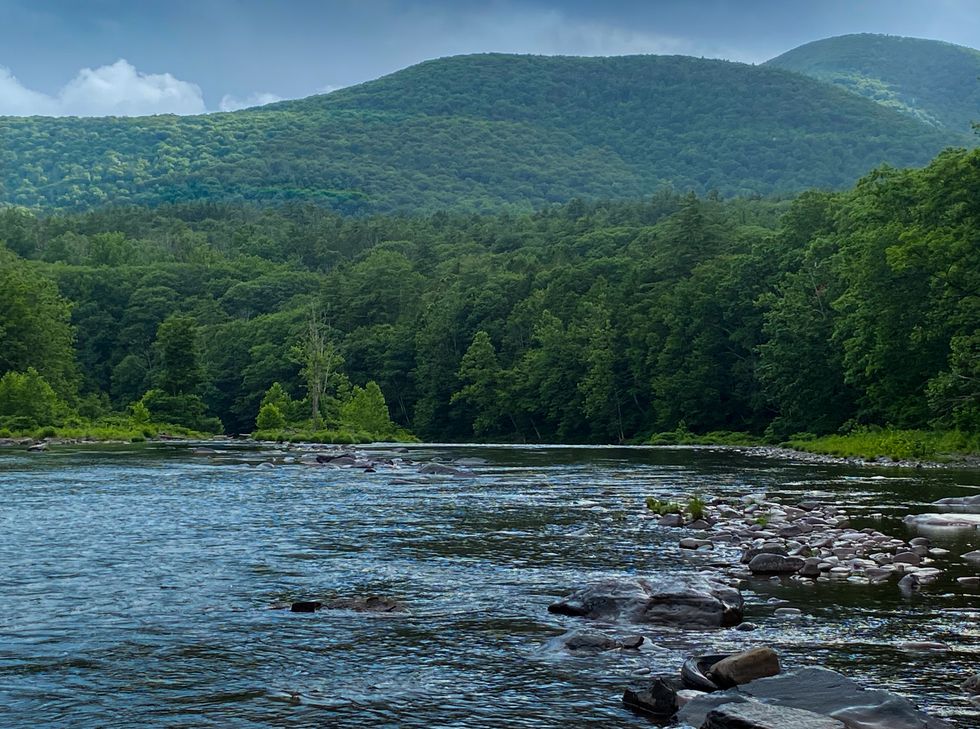
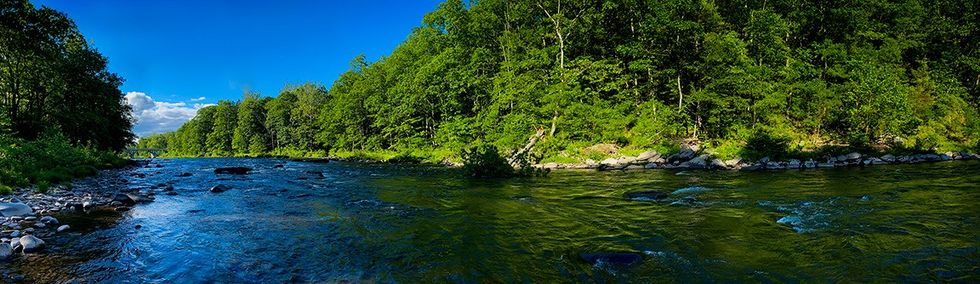
My trout fishing is centered around the Housatonic watershed in Litchfield County, Conn., and that of the Esopus Creek in Ulster County, N.Y.
These systems have some similarities and some important differences.
Both rivers are on the big side and wading can be tricky.
Both rivers have abundant public access.
Both rivers have a good network of tributaries that in turn provide good access to anglers.
And as a general rule, if something’s hatching in New York, it’s probably hatching in Connecticut, too.
The differences start with water temperature. The Housatonic gets warm in the summer and is full of bass, pike and other warm water species.
The Esopus below the Shandaken Tunnel (aka “The Portal”) is a tailwater and has more in common with Connecticut’s Farmington River than the Housatonic. A steady flow of cold water comes from the north through a long tunnel and empties into the Esopus in Allaben. The 11 or so miles between the Portal and the Ashokan Reservoir remain cold (or coldish) throughout most of the season. You might find some dinker smallmouth down by the reservoir, but nothing like the Housatonic’s abundance of bronzebacks.
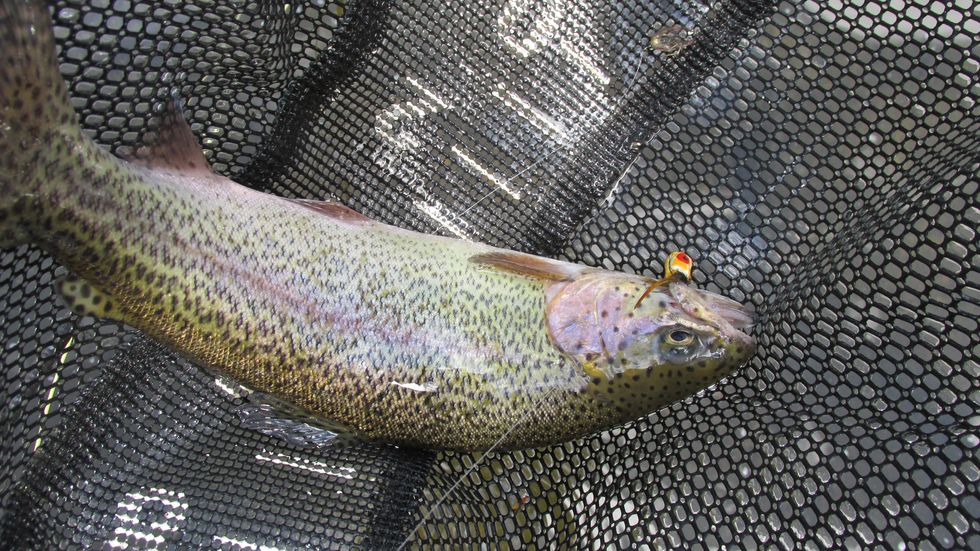
The Esopus has wild trout — rainbows, to be specific. They are known locally as “silver bullets.” They are small and fiesty.
And they are about to become the dominant species, because New York state has finally listened to anglers and agreed to stop stocking the Esopus with hatchery browns.
Without these interlopers competing for the same food, the rainbows will thrive.
There will still be brown trout, but they will run up from the reservoir in the fall to spawn. So after a few years Esopus trout of any sort will be, if not wild in the strictest sense, at least wild-ish. What they won’t be is fresh from the hatchery.
There are other significant differences.
Phoenicia and environs have far more Buddhists than the Region One School District in Connecticut’s Northwest Corner. There’s a Buddhist retreat center next door to my place, in fact, and another one downstream in Mount Tremper, N.Y.
Cell service. If you think it’s spotty in the Tri-state area, consider that it is essentially illegal to build anything like a proper cell tower within the Catskill Park. It’s not completely devoid of service, but if you are traveling west on Route 28 it conks out around Boiceville and doesn’t return until you get near the Delaware County line, a distance of some 17 miles.
Hipsters. Like Marlin Perkins on “Mutual of Omaha’s Wild Kingdom,” I observe from afar, and send Jim in to actually wrestle the alligators or buy the small-batch heritage vintage artisanal whatever. I have concluded that the eastern Catskills have more hipsters than the Northwest Corner.
However, the Northwest Corner has more art galleries and retired investment bankers.
Things have gotten livelier in Ulster County in recent years. The Phoenicia Diner on Route 28 used to be the greasiest of spoons, but the new owners fixed the joint up and it is always packed. With hipsters, but still.
Phoenicia also has not one but two fly shops, which has not been the case for decades.
The Esopus has several prominent hatches. The Hendrickson hatch. The sulfur hatch. The isonychia hatch.
And the rubber hatch.
Because the flow in the 11 miles between the Portal and reservoir can be easily manipulated, the Esopus has for years been home to whitewater events — kayaks, mostly — and to a tubing industry.
The COVID-19 pandemic took out the oldest and most prominent tubing concern, but I have no doubt that sometime this summer I will have to stop fishing and watch as a flotilla of pleasure-seekers bobs by in their rented tubes, intent on sunburn and hypothermia.
The Housatonic’s recreational boaters tend more toward the raft, canoe and kayak.
So which watershed do I prefer?
The one I have time for.
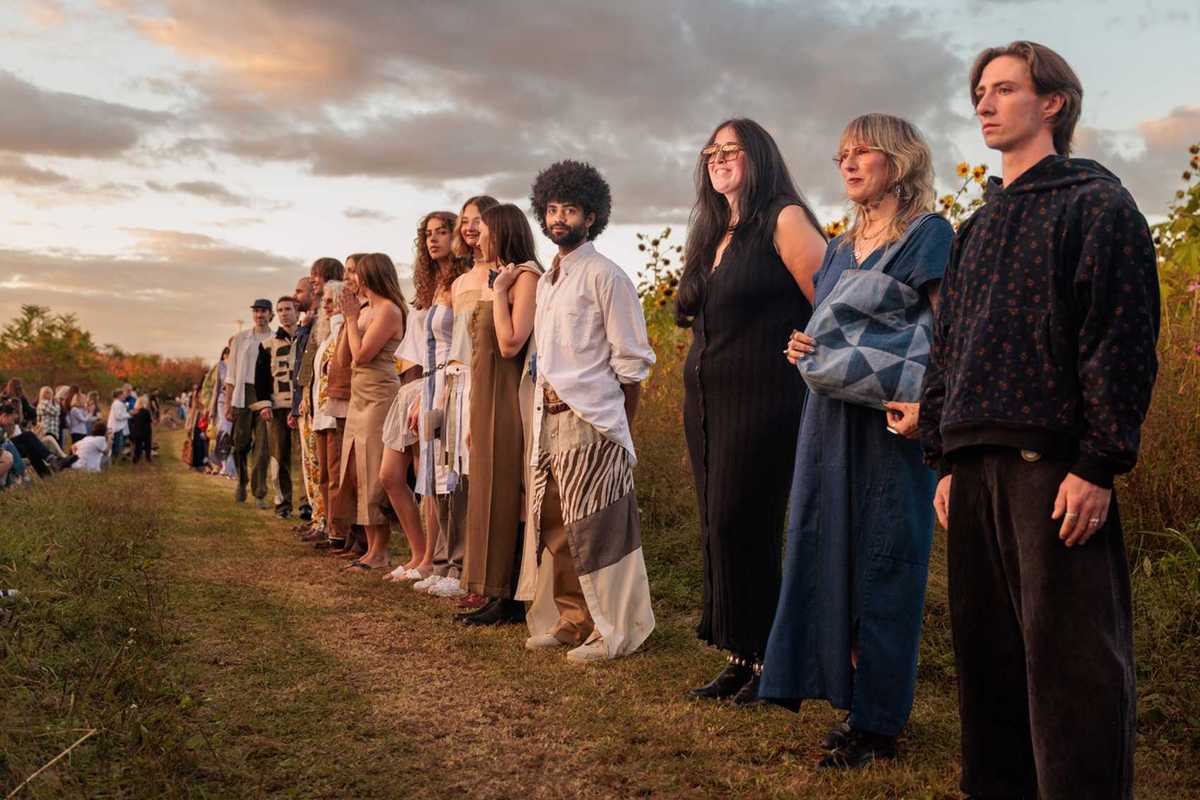
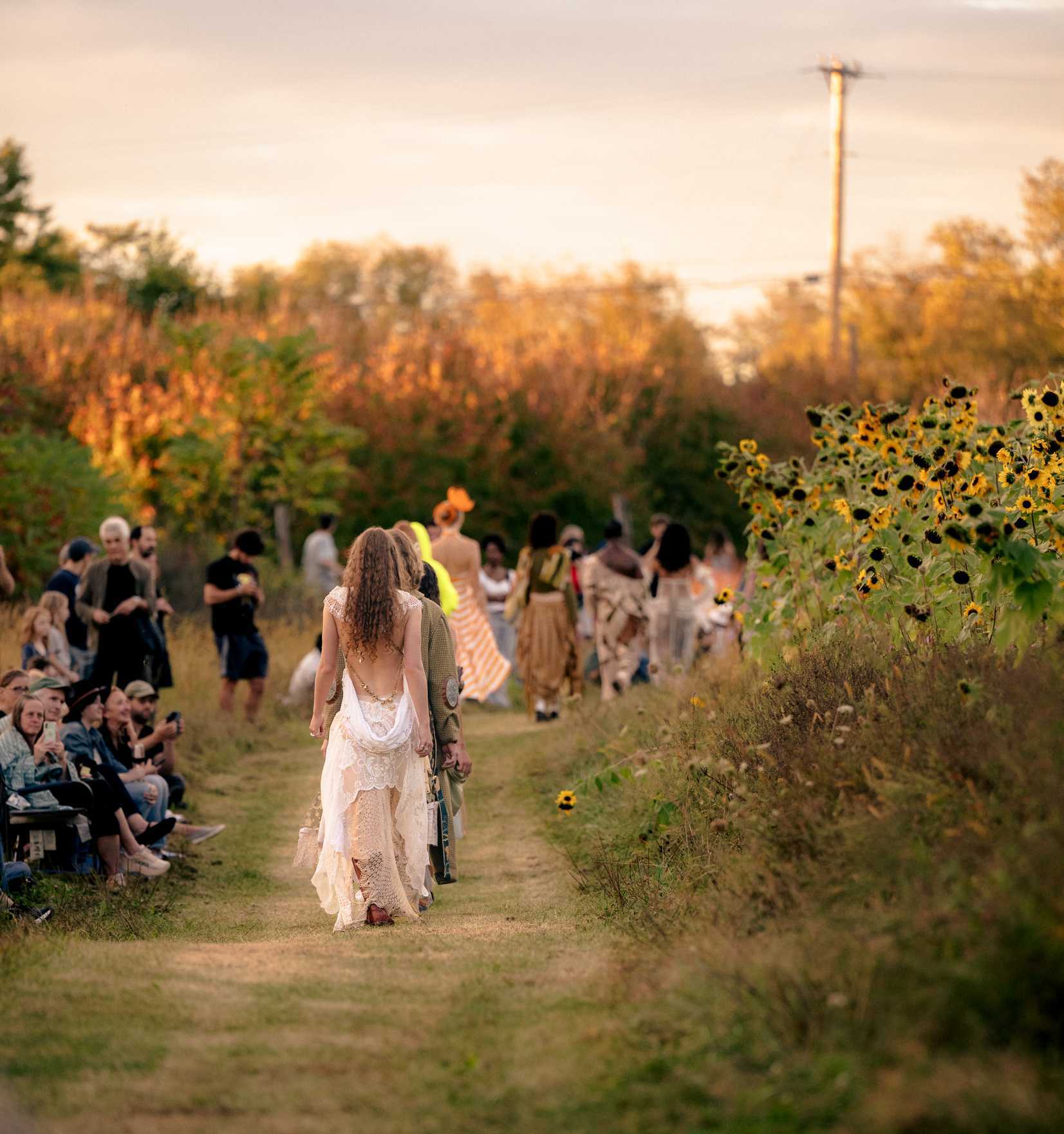 Models walk the organic runway at HVSFW. Ilan Harel
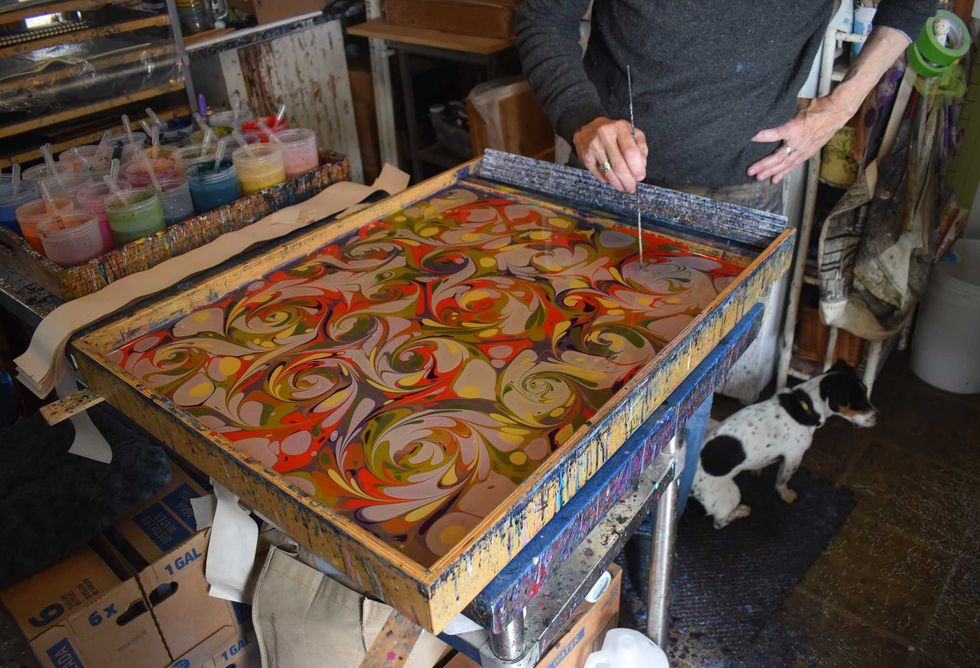 Susan Schneider, owner of Shandell’s, creates a variety of products with marbleized surfaces in her Ashley Falls studio.L. Tomaino



 Roger McKee naming the winners with the first place entry over his left shoulder. Patrick L. Sullivan
 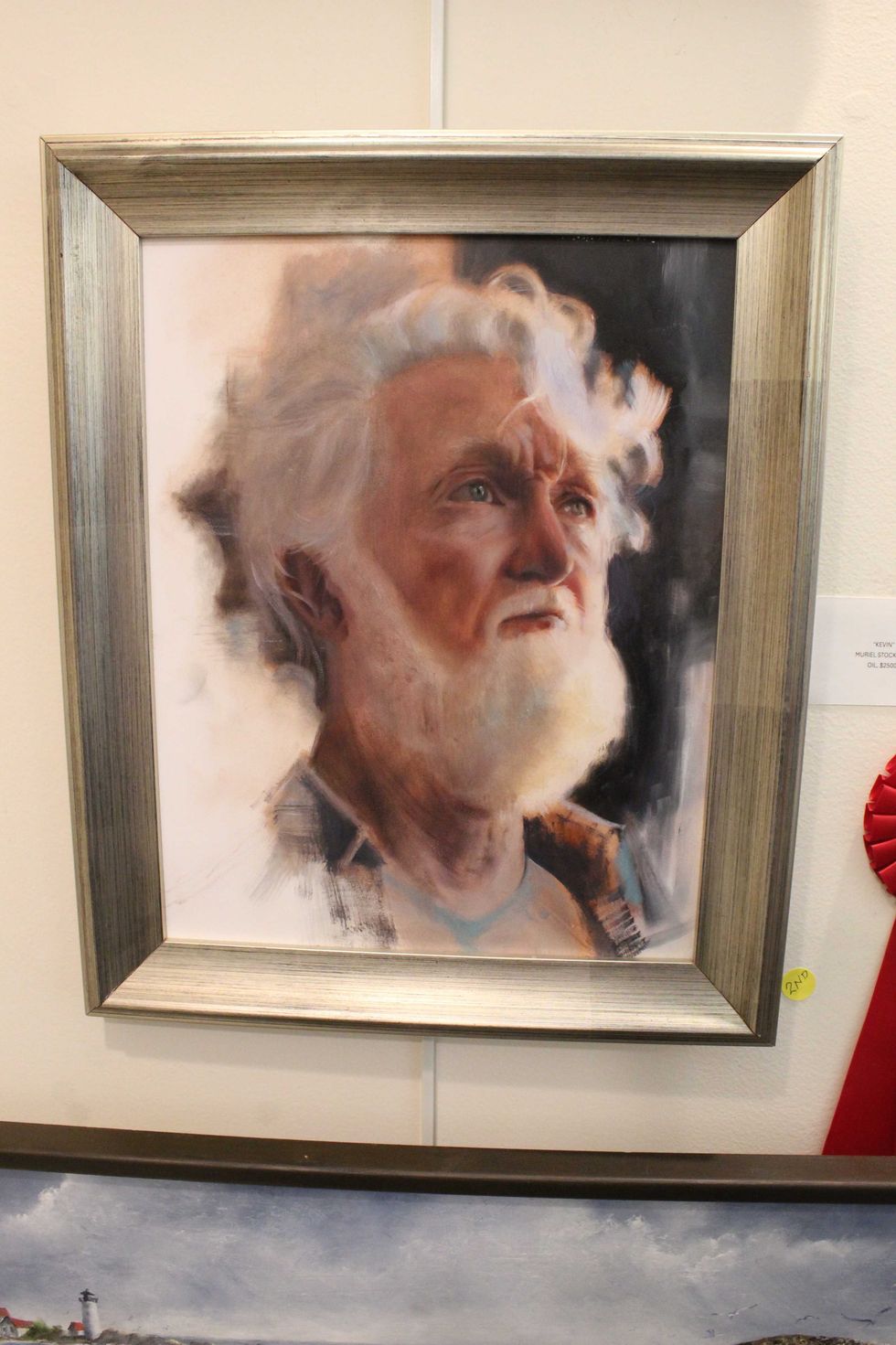 Muriel Stockdale’s “Kevin” took second place in the juried art show at Trinity Episcopal Church.Patrick L. Sullivan