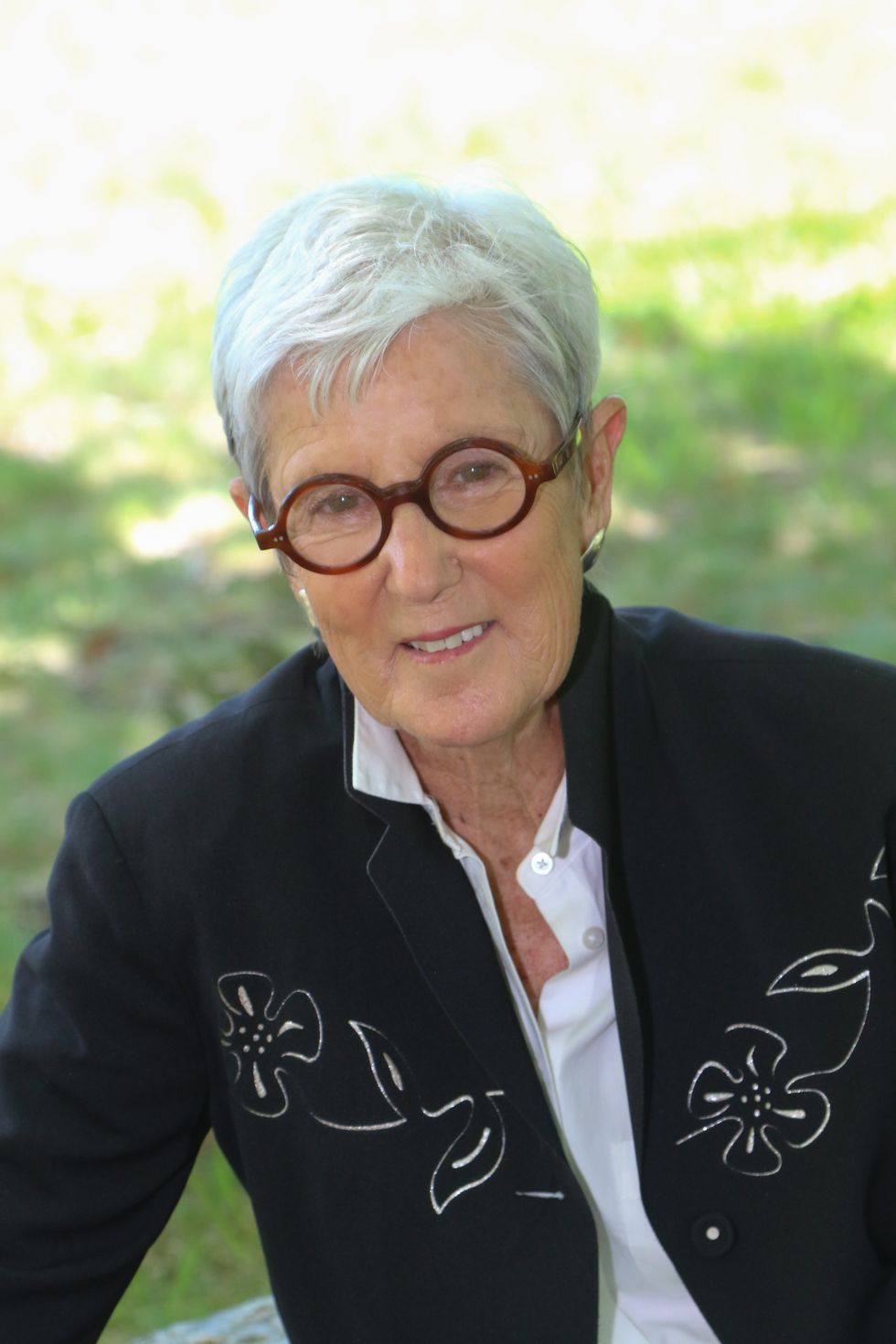
Salvation can come from helping others. This is a lesson that forms the basis of Buddhism and other religious teachings, and it was the real-life experience of psychotherapist and Lakeville resident Sharon Charde.
After the death of her son, Charde sought to manage her grief by teaching poetry to incarcerated young women at a residential treatment facility. Acceptance and some degree of peace didn’t come quickly or easily. But as Charde said in the third person in a press release about her new memoir, “a decade of writing therapy with young women helped her let go of much of her grief, or at least to learn how to carry it differently.”
Charde’s new memoir carries the name of a poetry collection she published with her students. “I Am Not a Juvenile Delinquent: How Poetry Changed a Group of At-Risk Young Women” will be available on June 16.
The three-part book includes poems by her students, writings by Charde and writings by her late son. The message: “Healing can come in surprising ways across age and social class” and “the most challenging experiences are the best teachers,” Charde said.
The book, published by Mango, will be for sale at Oblong Books and Music in Millerton and online through Amazon and Barnes & Noble. Charde will do a free Zoom talk on Thursday, June 18, at 7 p.m. through Oblong with writer Martha Anne Toll, whose area of specialization is social justice and racial equality. To find out more and to register, go to www.oblongbooks.com/event.
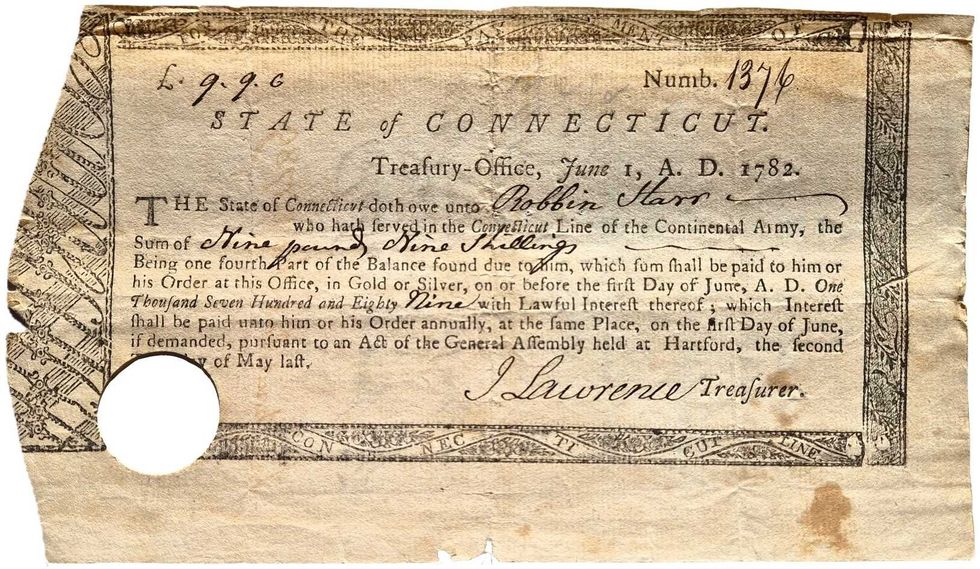 Pay Bill for Robin Starr’s service in the Continental Army.Courtesy the Alex Breanne Corporation
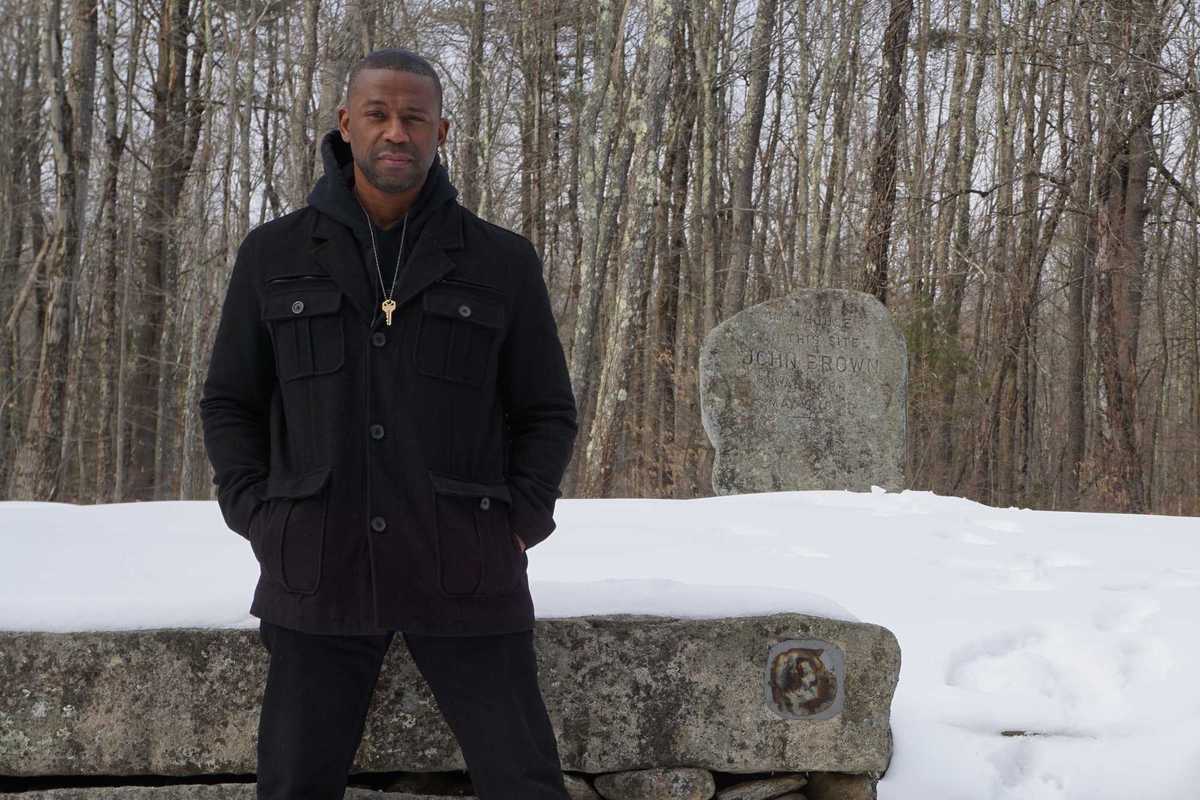
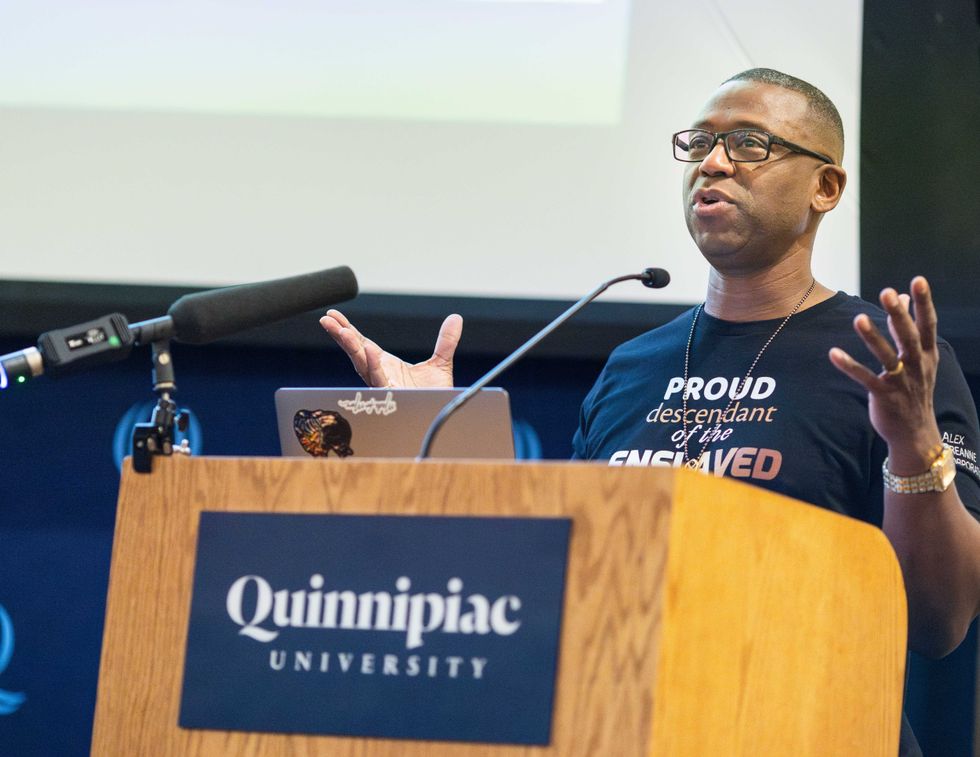 John Mills speaking at Quinnipiac University.Courtesy the Alex Breanne Corporation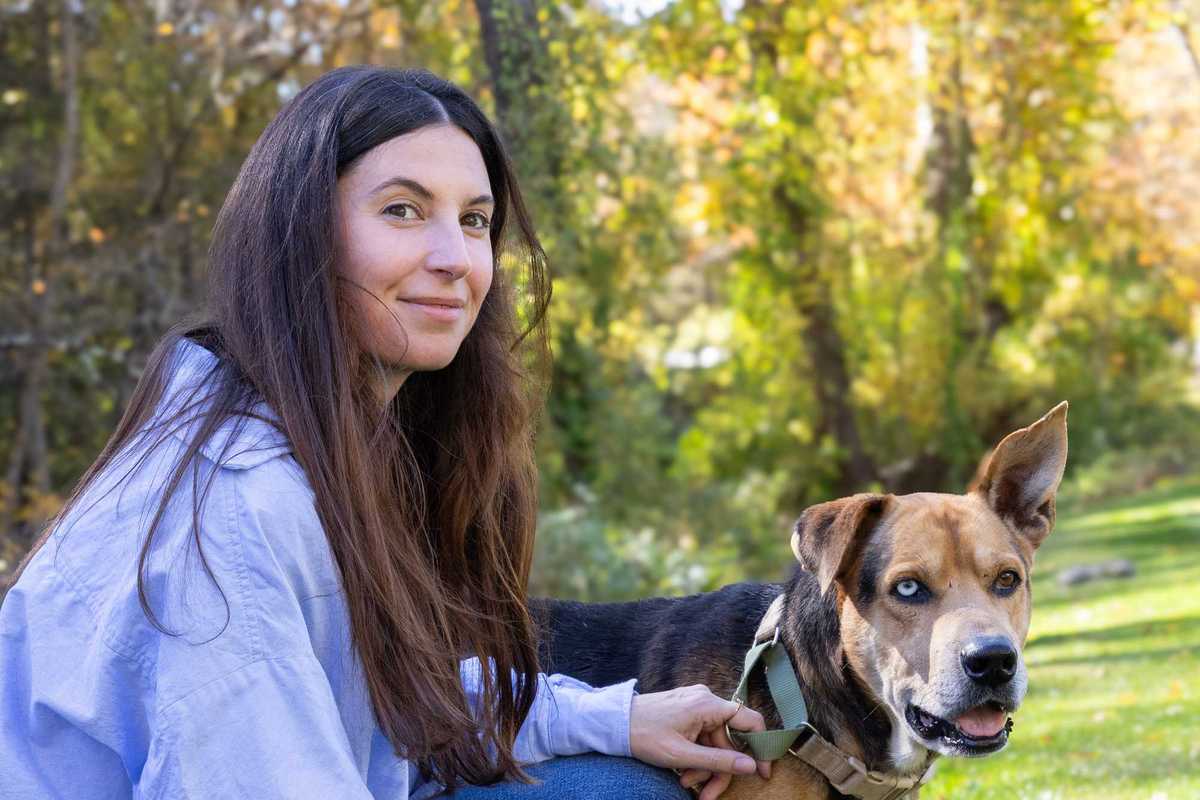
 Stephanie Saetta,with her rescue dog George and Blue (left), a shepherd mix awaiting his forever home.Madi Long
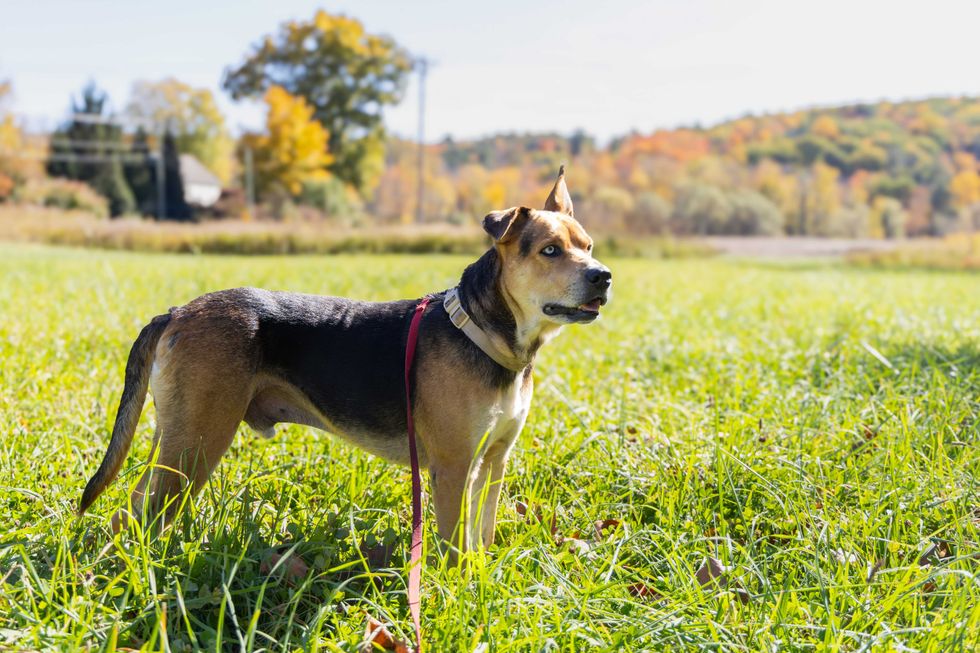 Blue, a 7 year-old Shepard mix, is waiting for his forever home. Madi Long