Latest News
Sea bass and shrimp gumbo
Bobby Graham & Matthew Marden
Jul 22, 2026

Sea bass and shrimp gumbo
Bobby Graham
Each month, Dugazon owners Bobby Graham and Matthew Marden share a recipe inspired by the traditions, stories and sense of welcome at the heart of their shop in Sharon, Connecticut. Visit Dugazon at 19 W. Main St. Wednesday-Sunday, 11 a.m. to 5 p.m. and online at dugazonshop.com.
This month we’re sharing one of our favorite comfort foods: sea bass and shrimp gumbo. While gumbo has a reputation for being a labor of love, this version skips the traditional roux, making it surprisingly approachable. The ingredient list may seem long, but once everything is prepped, it comes together quickly, rewarding you with a rich, flavorful bowl that’s perfect any time of year. Many of the pantry staples you’ll need for this recipe can be found right here at Dugazon.
For Bobby, gumbo brings back fond memories of annual visits to his grandparents in Louisiana, where every trip revolved around the kitchen and the table. His grandfather’s gumbo was always a highlight.
We hope this recipe brings a little Louisiana warmth to your table and becomes a favorite in your home, too.
Adapted from “Big Easy Seafood Okra Gumbo” in Emeril’s “New New Orleans Cooking.”
Ingredients
•2 tablespoons olive oil
•1/2 cup chopped onion
•1/4 cup chopped celery
•1/4 cup chopped green bell pepper
•1/4 cup chopped red bell pepper
•1/2 jalapeño, chopped
•1/2 tablespoon salt
•1/4 teaspoon freshly ground black pepper
•1/2 cup seeded and chopped Italian plum tomatoes
•2 tablespoons minced garlic
•1 tablespoon minced shallots
•2 quarts fish stock (store-bought or frozen)
•1/2 pound sea bass, cut into 1-inch cubes, skin removed
•1 teaspoon Worcestershire sauce
•1/2 teaspoon Crystal Hot Sauce (available at Dugazon)
•6 bay leaves, fresh or dried
•1 tablespoon minced fresh basil
•1 teaspoon minced fresh oregano
•1 teaspoon fresh thyme leaves
•12 fresh okra, sliced
•1 teaspoon cornstarch
•2 teaspoons Tony Chachere’s Cajun Seasoning (available at Dugazon)
•1/2 pound peeled medium shrimp (Guido’s fresh Gulf shrimp is a favorite)
•2 to 4 cups cooked white rice
•1 cup chopped green onions
Equipment
•Large soup or stock pot
•Wooden spoon
•Rice cooker or saucepan
•Soup or gumbo spoons
Preparation
The cooking times are important to the texture and flavor of the finished gumbo.
•Heat the olive oil in a large pot over high heat. Add the onion, celery, green and red peppers, and jalapeño. Sauté for 1 minute. Add the salt and pepper and cook for another minute. Stir in the tomatoes, garlic and shallots and cook, stirring occasionally, for 4 to 5 minutes.
•Add the fish stock, sea bass, Worcestershire sauce, Crystal Hot Sauce, bay leaves, basil, oregano and thyme. Bring to a boil and cook over high heat for about 8 minutes, stirring occasionally. Reduce the heat to medium.
•Stir in the okra and Tony Chachere’s Cajun Seasoning. Simmer for 15 minutes, skimming any foam from the surface as needed. Raise the heat to high and cook for 5 minutes. Add the shrimp, reduce the heat and simmer for 5 minutes. Stir the cornstarch into the gumbo and cook, stirring constantly, for 2 minutes to slightly thicken. Remove from the heat and taste before adjusting the seasoning.
•To serve, ladle about 1 1/2 cups of gumbo into each soup bowl and top with about 1/2 cup cooked rice. Garnish with 1 to 2 tablespoons chopped green onions. Serve with crusty French bread and butter.
Make-Ahead Tip
The gumbo can be made one day in advance, refrigerated and gently reheated before serving. Cook the rice the day you plan to serve it. Like many stews, the gumbo is even better the next day after the flavors have had time to meld.
Keep ReadingShow less
Sweet Petunia: a benefit to support Random Harvest
Lucia Iandolo
Jul 22, 2026

Alt folk duo Sweet Petunia to perform a benefit at Random Harvest on Saturday, July 25.
Provided
On Saturday, July 25, Americana/Alt Folk duo Sweet Petunia will perform at Random Harvest in Craryville, a worker-owned market, café and community space that supports farmers and brings people together through locally sourced food. The concert comes just months after the fatal two-vehicle crash at the intersection of Route 23 and County Route 7 that devastated the hamlet, disrupted local businesses and left a lasting emotional impact on the community.
After the crash, Random Harvest remained open and committed to connecting people through food and community. Simpson said the duo looks forward to contributing to a healing experience through their music.
“We are honored to be there and to share our music,” Simpson said. “We’re happy to be part of a celebration and hopefully raise some funds and just have a good time.”
Sweet Petunia is made up of Mairead Guy and Maddy Simpson, who met while studying at Berklee College of Music. Throughout their college years, Guy and Simpson’s voices blended so beautifully that classmates often mistook them for siblings. After discovering their collaborative sound, they formed Sweet Petunia and began performing at music festivals while writing their debut album, “Foggy Mountain Mental Breakdown,” released earlier this year on Ani DiFranco’s label, Righteous Babe Records. The record explores themes rooted in Appalachian traditions while drawing inspiration from Boston’s DIY punk scene.
Sweet Petunia’s music combines deep, thought-provoking lyrics with intricate banjo playing to tell stories of self-discovery and life’s many complexities. The banjo seems to be having a resurgence in mainstream music, a trend the duo believes is driven by younger audiences seeking an escape from modern life and a return to something more tangible.
“I think kids are basically just so fed up with the internet and want to go back,” Simpson said. “So it would make sense to me that they would be interested in more traditional music.”
Through the years they have spent collaborating, both musicians have continued to grow, learning new instruments that have expanded their sound. Along with the evolution of their music, their onstage chemistry has also developed.
“We’ve gotten really good at banter,” Guy said. “People tell us that we’re really funny a lot, which is really meaningful.”
Simpson noted that when they first started playing together, neither of them knew how to play the instrument they are now best known for.
“Neither of us played the banjo, so that was something we learned and developed,” Simpson said. “We both literally learned how to play an entirely new instrument and how to write songs on it and how to incorporate that into the music that we make.”
Random Harvest is located at 1785 Route 23 in Craryville. The performance begins at 8 p.m. Tickets are available at events.humanitix.com/sweet-
petunia-concert.
Keep ReadingShow less
Falcon Ridge returns to Goshen
Natalia Zukerman
Jul 22, 2026

Falcon Ridge Folk Festival regulars The Slambovian Circus of Dreams performing at the 2025 summer festival.
Stuart Berg
One of the area’s most beloved summer music traditions returns July 24-26 as the Falcon Ridge Folk Festival fills the Goshen Fairgrounds with three days of music, workshops, dancing and community.
Now in its 38th year, Falcon Ridge has long been a launching pad for emerging singer-songwriters while welcoming acclaimed folk and Americana performers. This year’s lineup includes Susan Werner, Jim Lauderdale, Eileen Ivers and the Brigideens, Vance Gilbert, Joe Jencks, Nerissa and Katryna Nields, The Slambovian Circus of Dreams, Alice Howe and Freebo, Terrance Simien and The Zydeco Experience, and many more.
Susan Werner, who recently performed to a sold-out audience at The Grace Note at Stissing Center in Pine Plains, has appeared at the festival at least seven times at several of its locations.
“One of the great things about Falcon Ridge is the song swaps,” said Werner. These in-the-round performances feature three or four songwriters seated together onstage, taking turns sharing songs. “They can careen off into wild directions and in about 25 minutes, you’ve gone from tears of joy about this beautiful world to tears of rage from some brilliant and deeply moving protest song. You really should come see these song swaps for yourself. They’re awesome,” she said.
Beyond the main stage, festivalgoers can explore workshops, family programming, the popular Grassy Hill Emerging Artist Showcase, late-night jams and an expanded Dance Barn featuring contra, swing, zydeco, line dancing and old-time barn dances. Camping, food vendors and a welcoming, community-centered atmosphere continue to make Falcon Ridge a summertime destination for folk music fans from across the region and beyond.
For the full lineup and tickets, visit falconridgefolk.com.
Keep ReadingShow less

Want more of our stories on Google? Click here to make us a Preferred Source.
"42nd Street" at Sharon Playhouse
Lakeville Journal
Jul 22, 2026
Provided
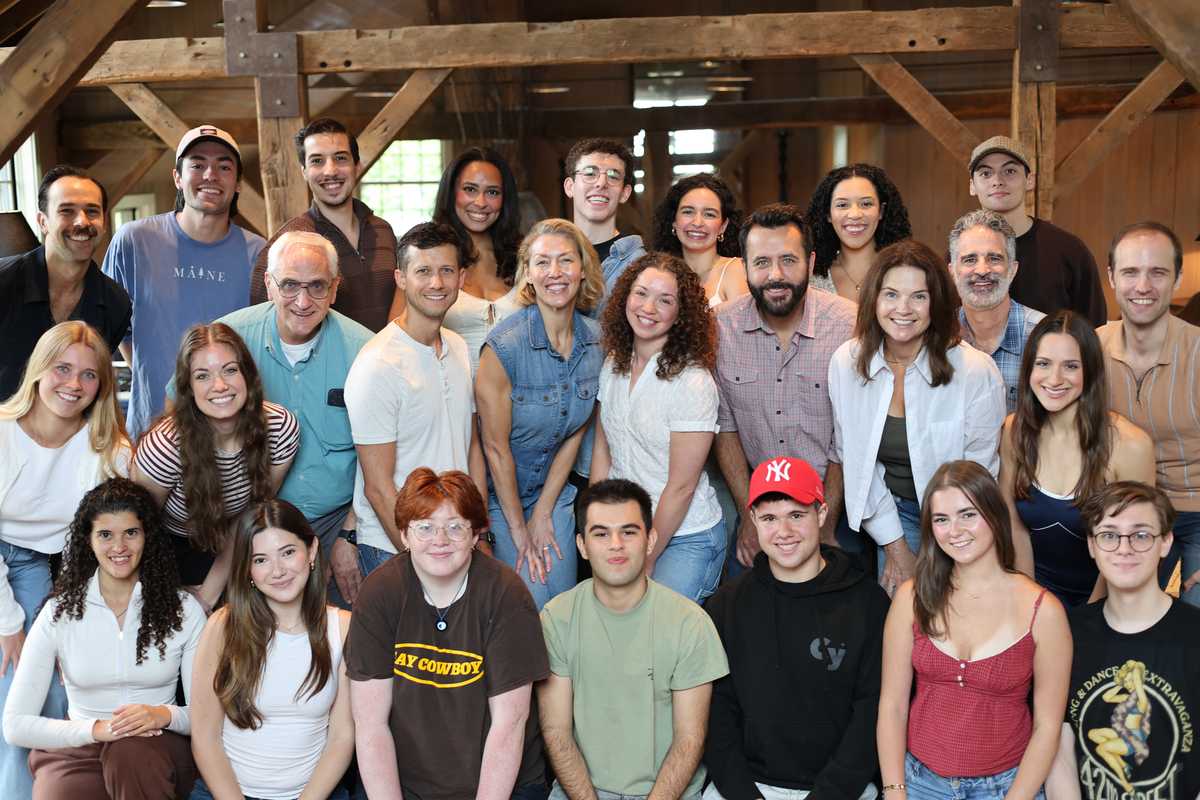
“42nd Street,” based on the 1933 film of the same name, premiered on Broadway in 1980 and ran at the Sharon Playhouse for the first time 15 years ago. The show will be revived at the Playhouse when it opens July 25. Expect high-energy singing and dancing alongside classic tunes such as “We’re in the Money” and “Lullaby of Broadway.” The show runs through Aug. 9. Tickets are available at sharonplayhouse.org
Margaret Anita Layton
Lakeville Journal
Jul 22, 2026
Margaret Anita Layton
Margaret Anita Layton
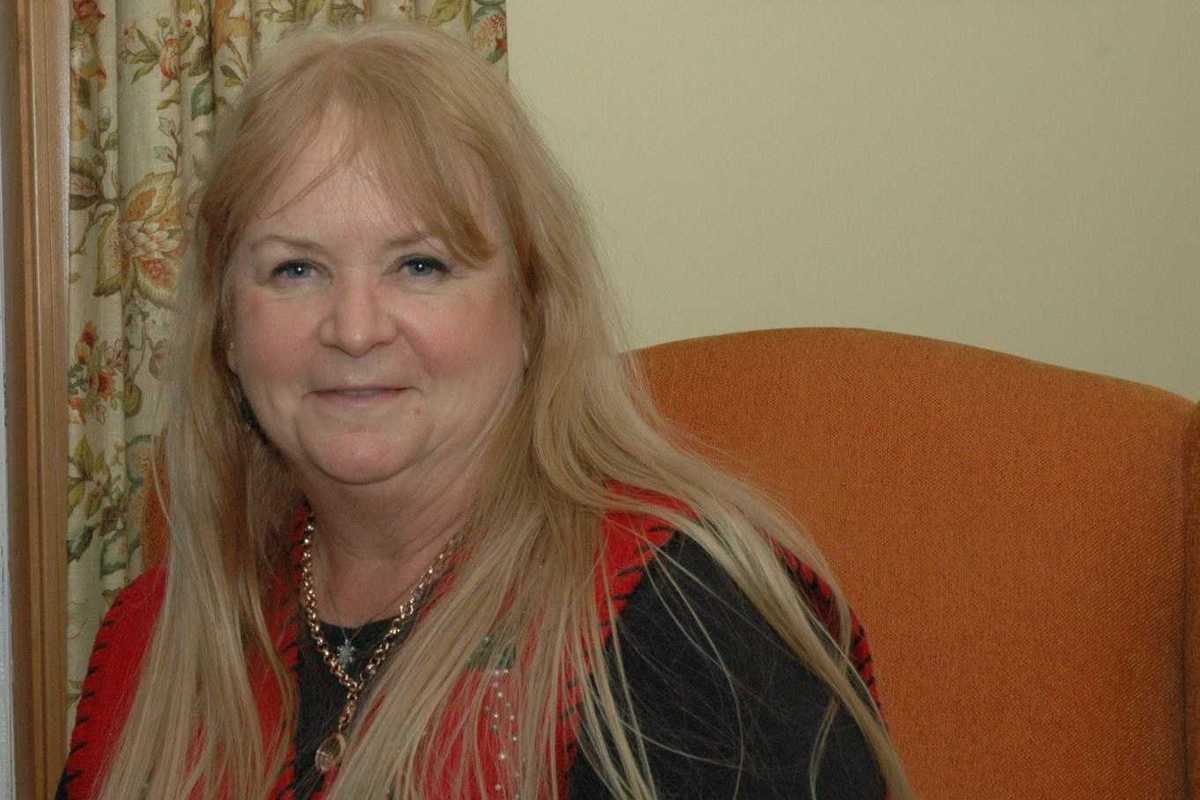
STANFORDVILLE —Margaret Anita Layton passed away on April 30, 2026, after a recurring battle with cancer, surrounded by friends and loved ones. She was predeceased by her parents, Anita and Jack Egan, brother John P. Egan, III, and nephew Michael Egan. She leaves behind a brother, numerous nieces and a nephew, as well as a community of chosen sisters who loved her very much.
Margaret was born in the Bronx, New York, and moved to Clinton Corners as a small child. Margaret spent her adult life in Stanfordville, where she owned Margaret A. Layton, E.A. Tax and Business Consulting. Margaret was a lover of all animals and an avid horse enthusiast with an active presence in the draft horse community. Midge lived out loud. Her vibrancy left a mark that will never be forgotten and will be sorely missed.
A private burial will take place at Friends Upton Lake Cemetery in Clinton Corners, New York.
Memorial donations may be made to Dutchess County SPCA, 636 Violet Ave., Hyde Park, NY 12538.Arrangements have been entrusted to Scott D. Conklin Funeral Home, 37 Park Avenue, Millerton, NY 12546.
To send an online condolence to the family or to plant a tree in Midge’s memory, please visit www.conklinfuneralhome.com
Keep ReadingShow less
Falls Village sexton files complaint against Town Clerk
Patrick L. Sullivan
Jul 22, 2026
File photo
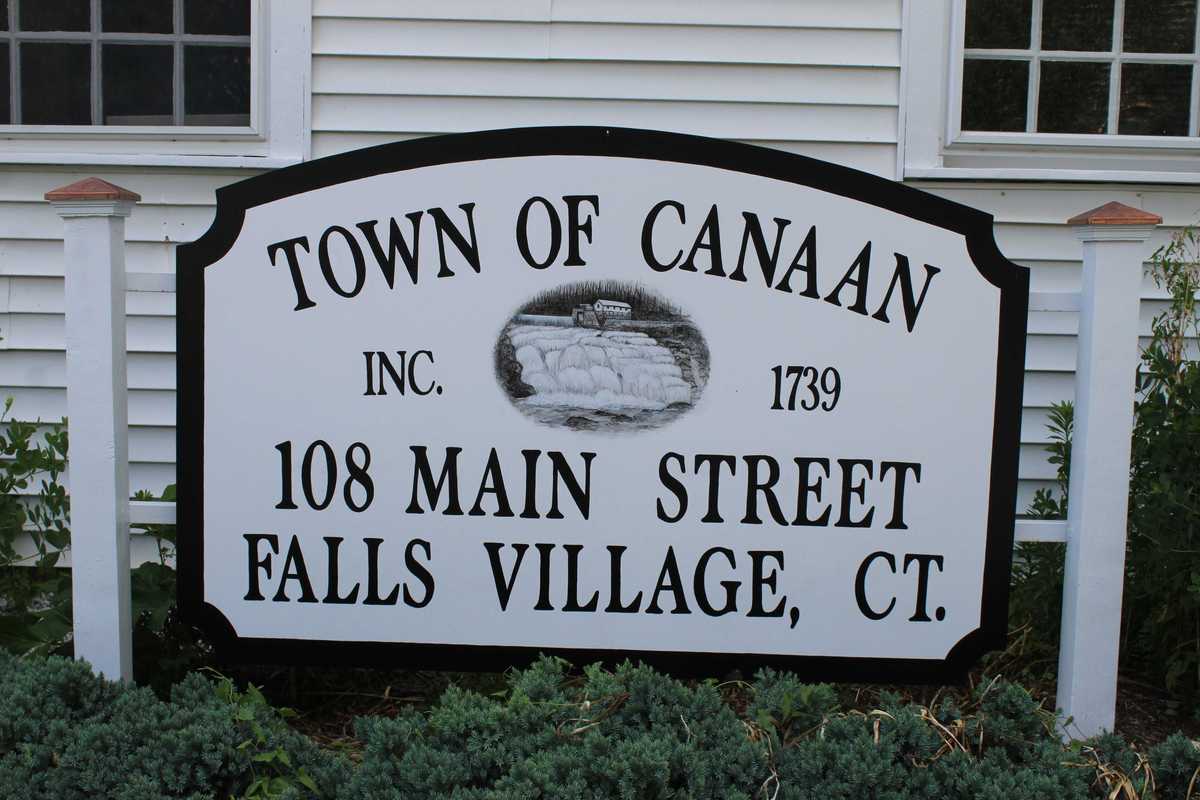
FALLS VILLAGE — A formal complaint filed by cemetery sexton Tracey Wilson against Town Clerk Johanna Mann was brought before the Board of Selectmen during its regular meeting Monday, July 13.
The complaint alleges that Mann ignored Wilson while she attempted to complete required state business at Town Hall.
According to the complaint, Wilson went to Town Hall on July 9 to file a “required monthly state section report which requires the town clerk’s signature.”
“Despite waiting respectfully, I was ignored,” Wilson wrote. “The town treasurer [Michelle Hansen] realized what was happening and stepped in to help.”
“Professionalism, respect and timely communication are essential in local government,” Wilson wrote. “Being disregarded while attempting to carry out state required section duties is unacceptable.”
However, Mann told The Lakeville Journal Monday that Wilson’s account is not accurate. She said she sent an email to the Board of Selectmen stating the complaint “stems directly from an incident on July 8, when Tracey Wilson verbally attacked me as I was leaving work.”
According to Mann, Wilson entered Town Hall the following day at 10:47 a.m. while Mann was on the phone with technical support.
“I acknowledged her and let her know I would be with her as soon as possible,” Mann wrote.
Mann said Town Treasurer Michelle Hansen “came out and facilitated the paperwork signing, for which I thanked her.”
“The total time between Tracey Wilson entering the Town Hall and receiving assistance was 22 seconds,” Mann wrote.
First Selectman Dave Barger said the board is aware of the conflicting accounts and is seeking legal advice before determining how to proceed.
Keep ReadingShow less
Want more of our stories on Google? Click here to make us a Preferred Source.
loading