CORNWALL — It’s always fascinating to know what happens behind the scenes at a major sporting event, especially one that involves amateur athletes — The New York City Marathon, for example, which was held this year on Nov. 7.
Elizabeth England, a resident of Cornwall and Manhattan, took part in the marathon, but at a walking pace, slow enough for her to take photos, meet people and (unlike a runner trying to speed to the finish) to actually be able to absorb some of what was happening around her.
England is a native of the Berkshires, a college consultant, a mother of children in their 20s, something of a jock but certainly not an endurance athlete. She works out. She jogs. She walks, a few miles at a time.
She’d never competed in a serious race before, and she certainly didn’t dedicate years or even months of her life to training for one of the elite sport events in the world.
It wasn’t until this year in September that taking part in the marathon became even the possibility of an idea.
England had been out walking and ended up at the tennis courts at Cream Hill, where she ran into her friend Alice Gottesman.
“You have to help me get in shape,” Gottesman said. “I’m walking in the New York City Marathon.”
Casual observers of the marathon are mostly aware of the runners who cross the finish line in Central Park in under two hours. But there are hundreds of other participants in the marathon who do not “qualify” for the race, but who secure a spot as part of a fundraising event for a nonprofit.
Gottesman was walking with a team representing The Brotherhood Sister Sol in New York City that supports Black and Latinx youth (it’s also known as Brosis). The group’s goals aligned with other volunteer and community-supportive work that England does; she offers her college consultancy services at no cost through the Baton Rouge Youth Coalition in Louisiana, for example.
Not only did England agree to help get Gottesman ready for the 26.2 mile race course that she’d be tackling in under two months; she decided to sign up and walk, too. There were 20 spots on the Brosis team, with 17 runners and three walkers (including England and Gottesman). Each team member had to pledge a donation of $2,500.
England knew from the start that, even though she hadn’t started training until September, she would probably be the only one of the three walkers to endure the entire multi-borough walk.
To prepare herself, she did some distance walks in the city — and in the process discovered an extra incentive to complete the Marathon. England’s father had died over the summer. He had essentially raised her as a single parent, in Lenox, Mass., and they had been very close. He’d always been a cheerleader for her to take on apparently impossible tasks. For England, the walk was a chance to honor his memory — and to hear his voice as she struggled through some of the hardest sections of the walk.
Calories are fuel
There were other voices in her head as well as she prepared for race day. One friend, a serious competitive athlete, advised her not to do anything on race day that she’s never done before. England knew she’d need some calories and nutrition that she could carry with her on the walk; she began eating RX bars as part of her training.
“I like them because they’re very ‘clean,’” England said. “I don’t really like supplements but I like these bars. They’re small, they taste good, they’re fabulous.”
England’s husband, Tony Scott, is a serious amateur cyclist.
“He looked at my RX bars, which each have 200 calories, and said, ‘You’re going to need two of these’” to have enough fuel to make it through the day.
Read more about Elizabeth England’s New York City Marathon here.
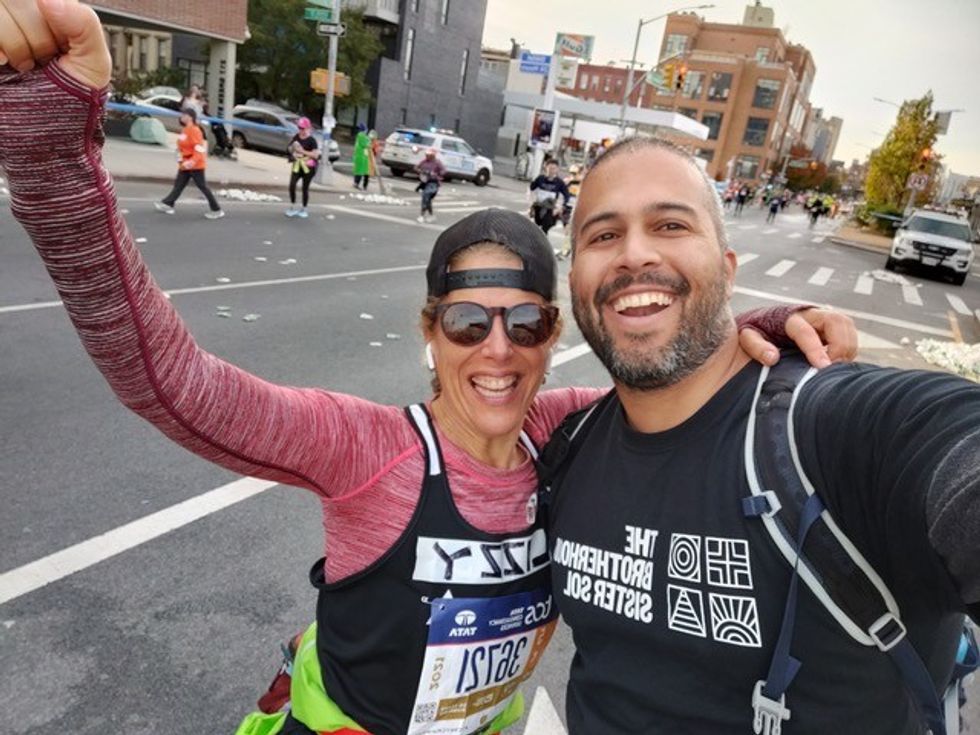
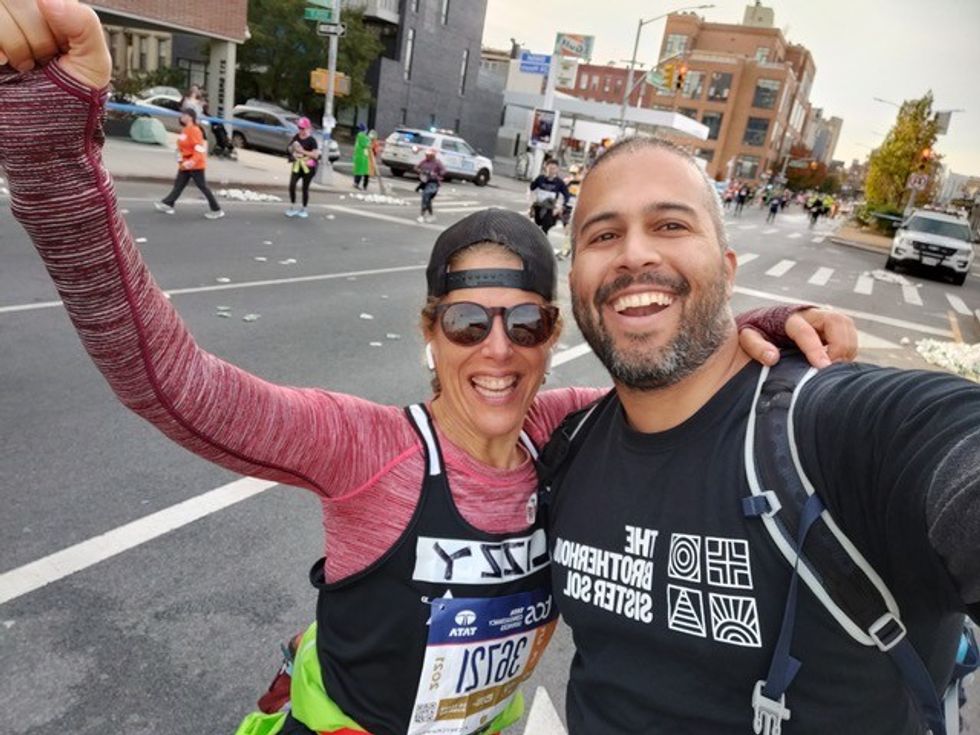
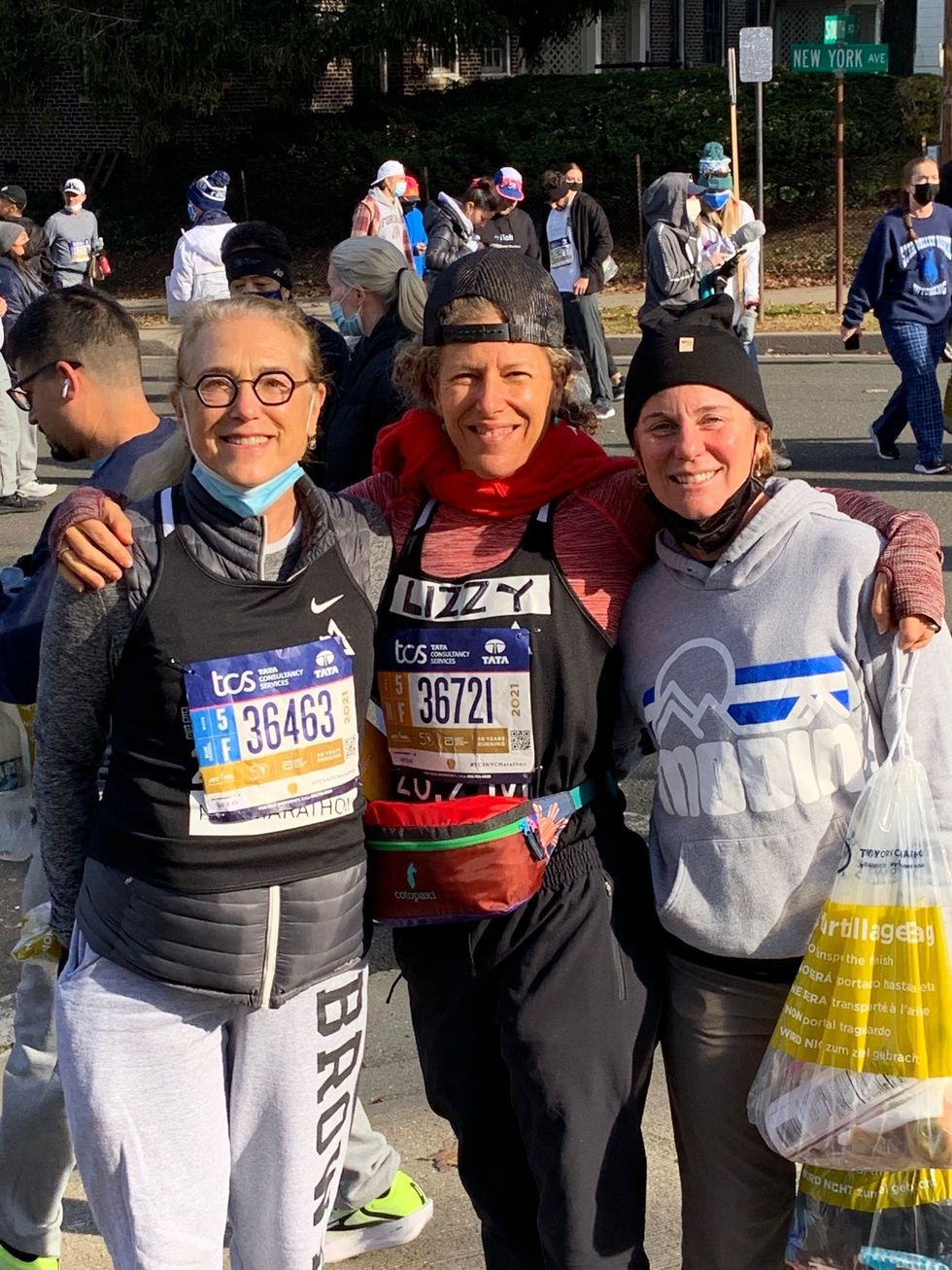
Elizabeth England (of Cornwall and Manhattan) walked the New York City Marathon as a member of a team raising funds for Brotherhood Sister Sol in New York City. At the halfway mark, she stopped for a selfie with the organization’s development director, John Anthony Dumey. Photo courtesy Elizabeth England
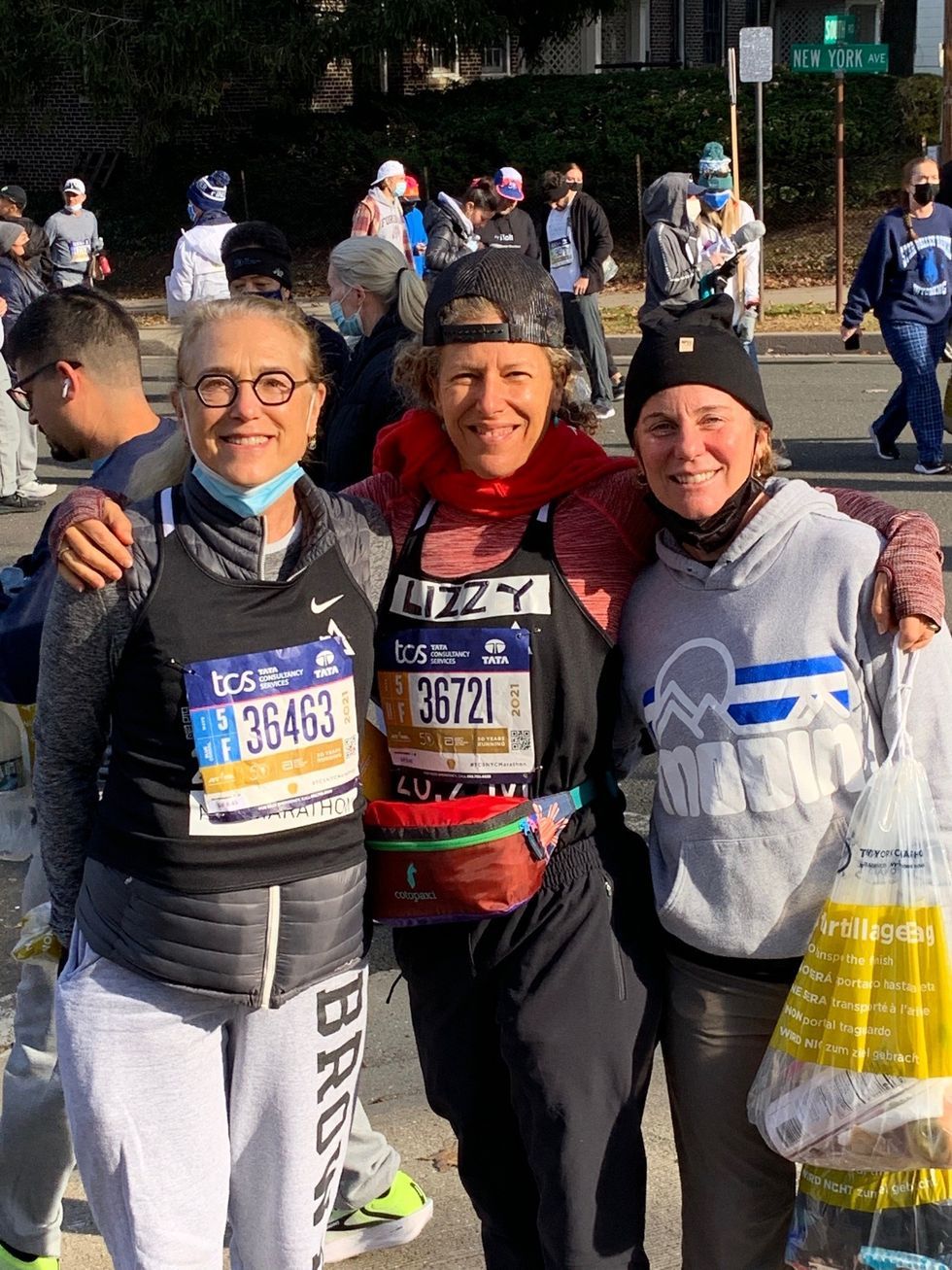
A few scant weeks before it began, Elizabeth England was recruited to walk the New York City Marathon with friends Alice Gottesman, at left in photo, and Marti Meyerson, at right. Photo courtesy Elizabeth England
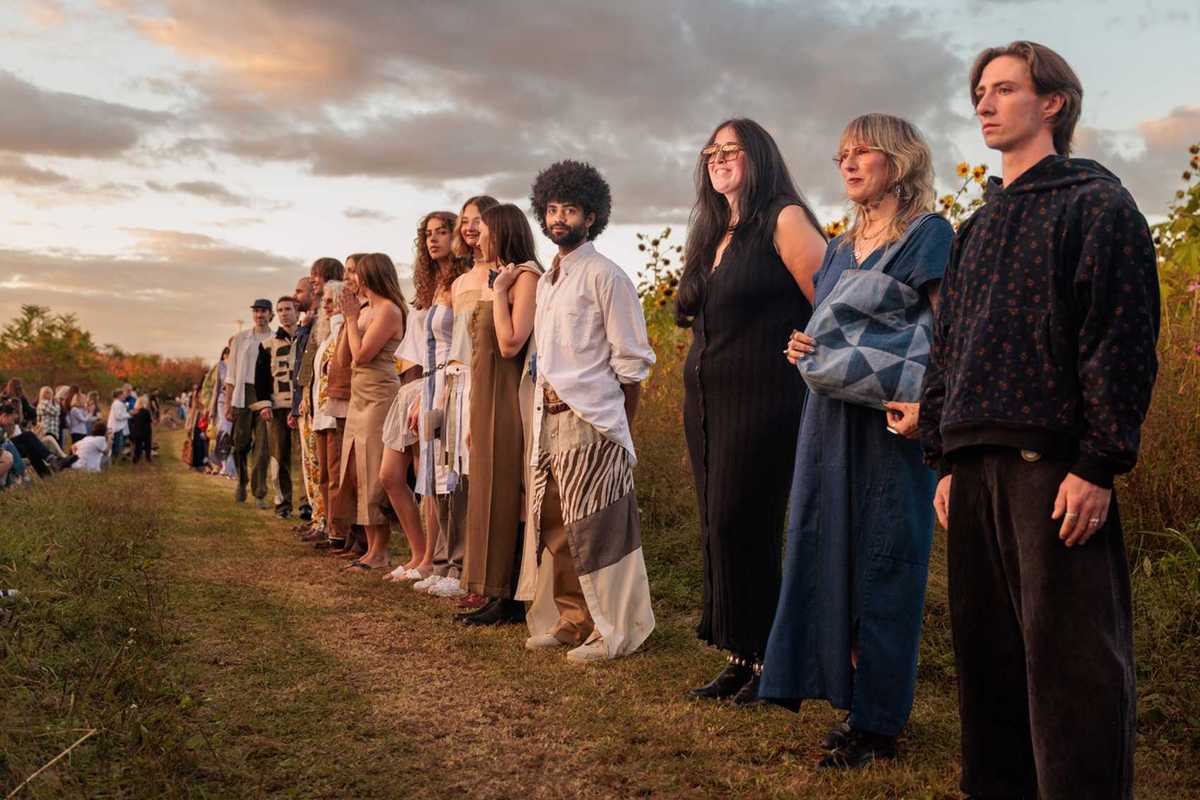
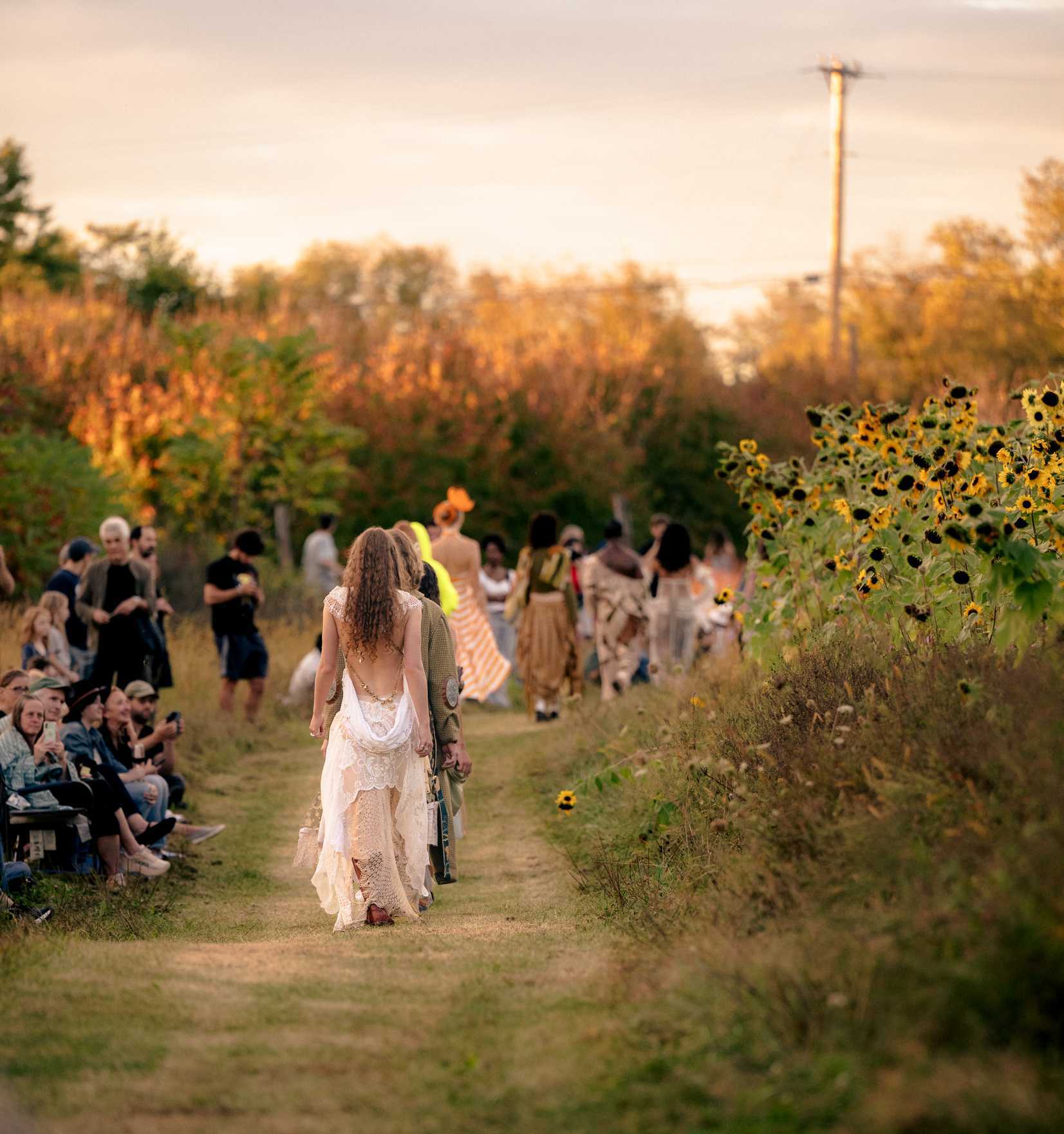 Models walk the organic runway at HVSFW. Ilan Harel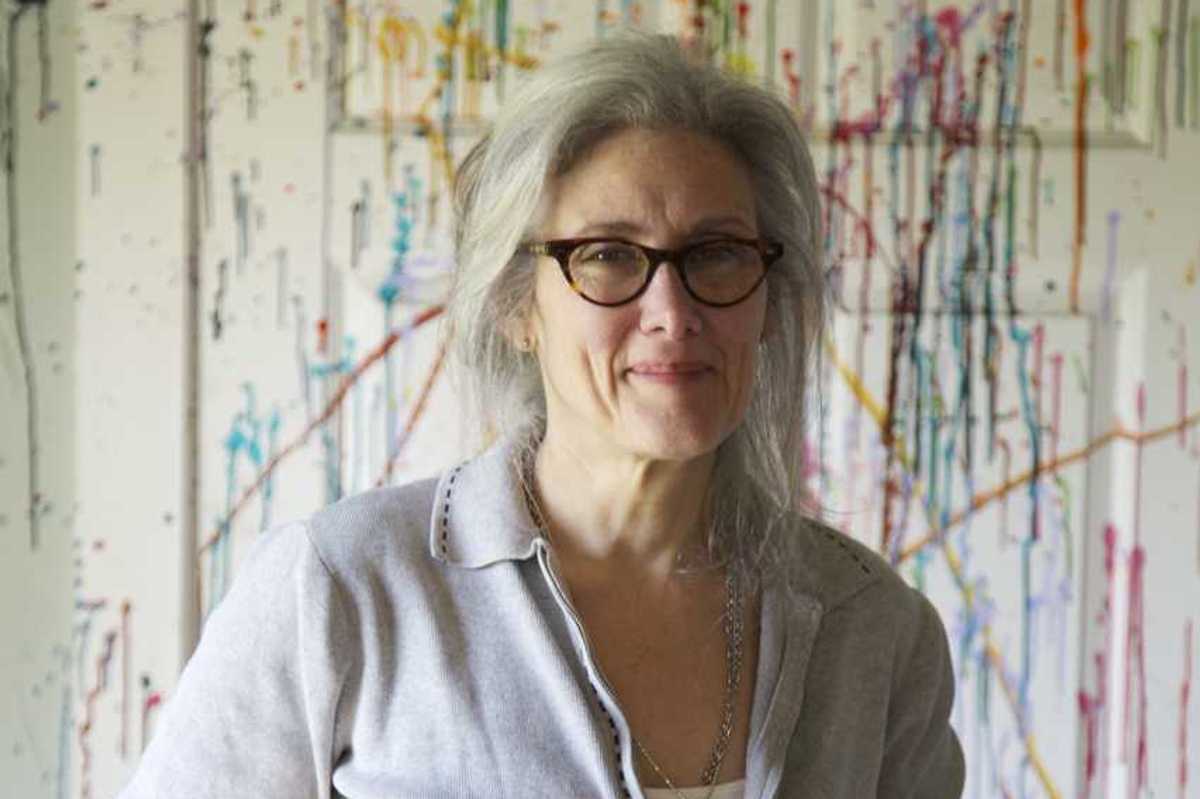
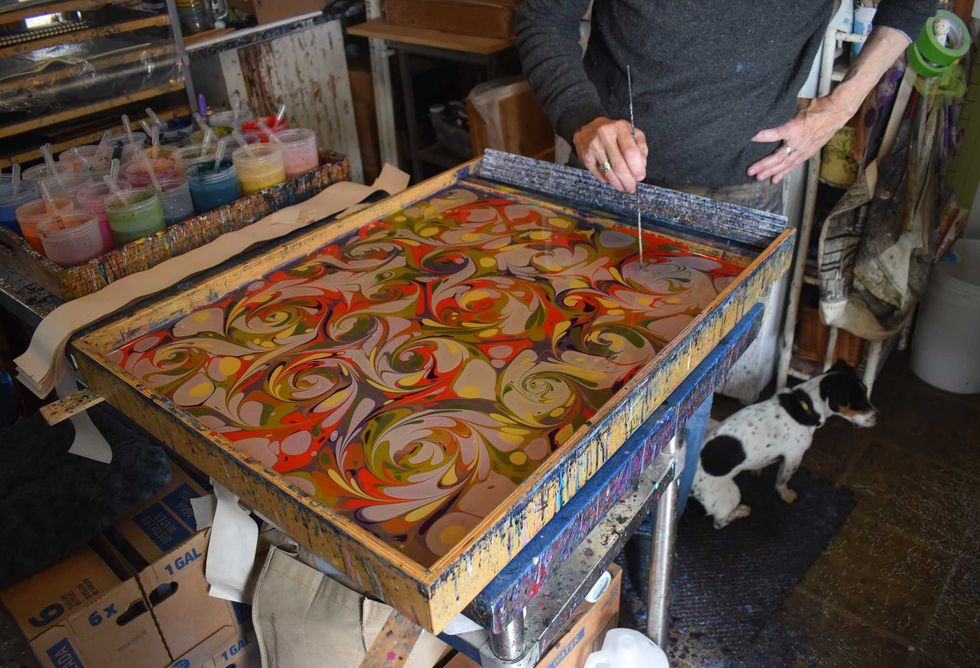 Susan Schneider, owner of Shandell’s, creates a variety of products with marbleized surfaces in her Ashley Falls studio.L. Tomaino

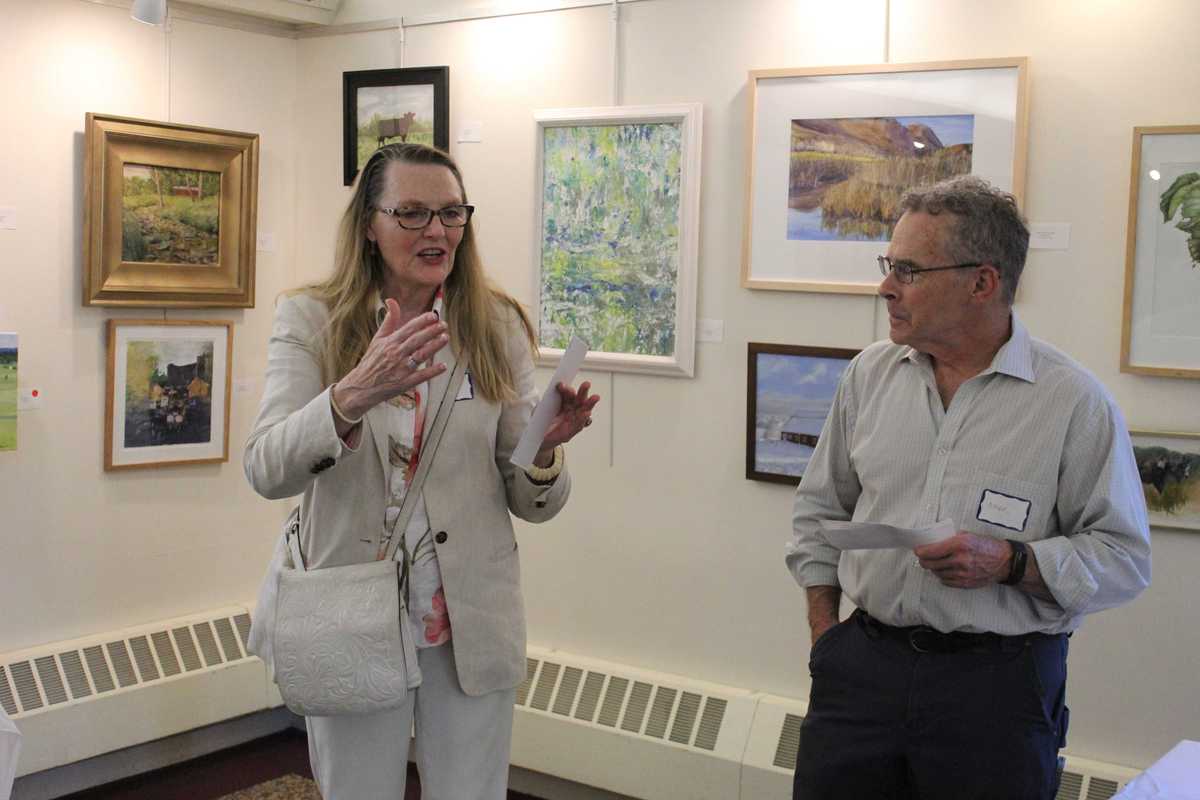
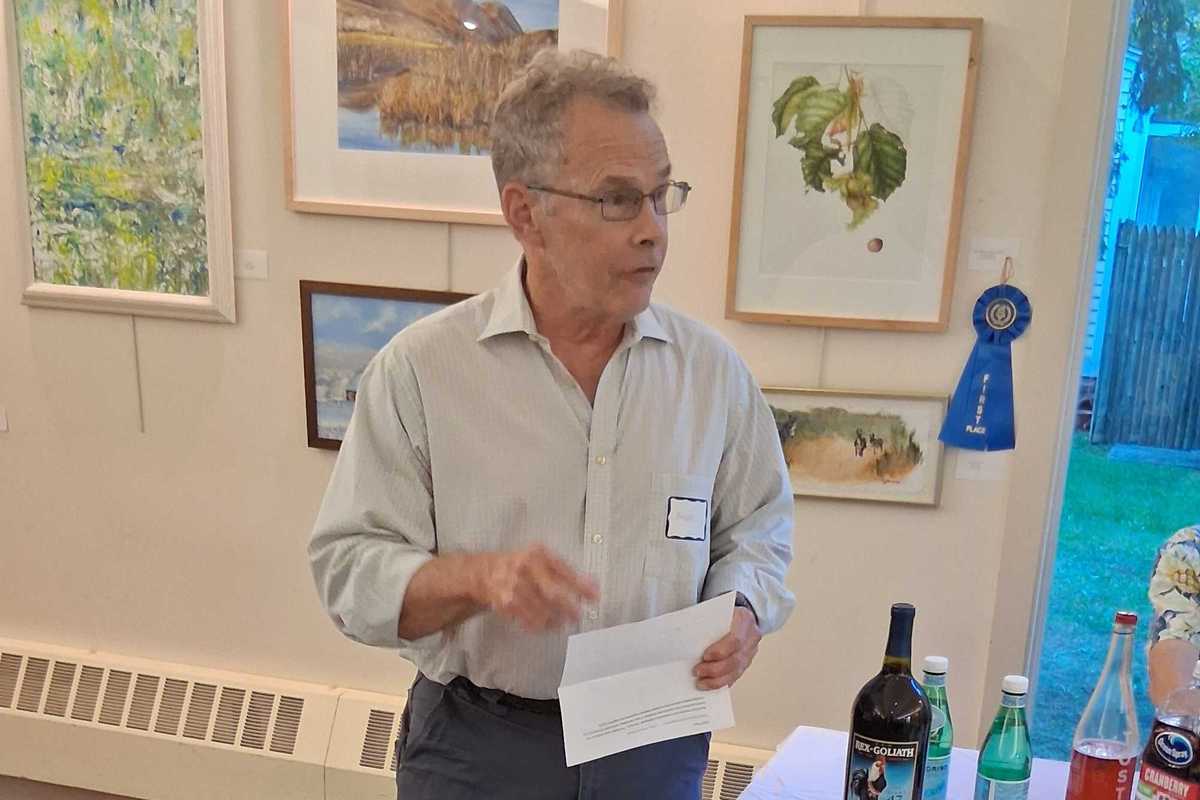 Roger McKee naming the winners with the first place entry over his left shoulder. Patrick L. Sullivan
 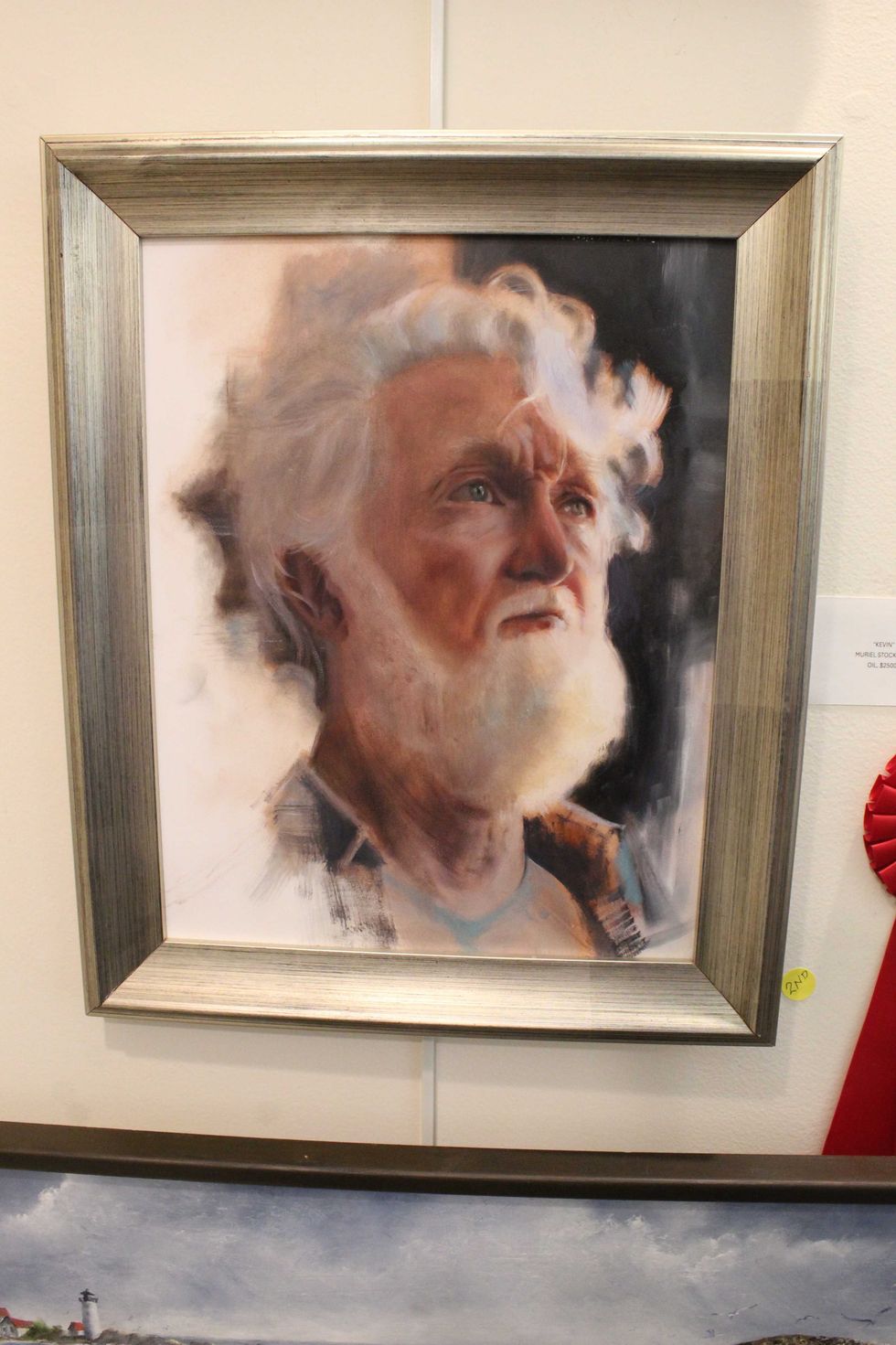 Muriel Stockdale’s “Kevin” took second place in the juried art show at Trinity Episcopal Church.Patrick L. Sullivan