PINE PLAINS — Pine Plains Central School District Superintendent Linda Kaumeyer presented the latest draft of the district’s 2010-11 budget at the April 7 Board of Education meeting, showing a current (as of the April 7 meeting) budget-to-budget increase of 3.65 percent.
What was not clear was how the proposed budget would affect district taxpayers. Kaumeyer, reached over the phone earlier this week, said the tax levy increase percentage has not been released yet because it’s unclear what further reductions the board will make in the budget, if it will draw from the district’s appropriated fund balance to offset taxes and what the state will offer the district in terms of aid.
Those variables don’t mean an estimated tax levy increase would be impossible to calculate (the Webutuck Central School District provided that number when its superintendent made his budget presentation to the board on April 5, see article on page A4), but Kaumeyer said the district would wait to provide the public with a more accurate estimation of the tax levy increase rather than present a number that could change in a short period of time.
Technically, the tax levy is not set until August, so any numbers provided by school districts are simply their best estimates. And Pine Plains is not the only district waiting to release those numbers to the public: Hyde Park has taken a similar stance.
Kaumeyer did confirm during the telephone interview that even if the district was forced to operate under a contingency budget (which this year would be about a zero-percent budget-to-budget increase), the tax levy increase would still be about 6.5 percent using the current state aid and appropriate fund balance numbers.
To arrive at the current budget of $27.4 million, a 3.65-percent increase from the 2009-10 year, the district had to reduce spending by $205,750 from last year. About $189,000 comes from reductions to BOCES (Board of Cooperative Education Services) programs, which Kaumeyer said was possible after evaluating the district’s needs on a student-by-student review. She stressed that enough funding was left in that line to address any new student needs as part of regular and special education services, and said that while the cuts seem significant, Pine Plains is still very committed to offering BOCES services to its students. The BOCES line in the proposed budget is roughly $2.5 million.
The biggest challenge to the district’s budget is a nearly 16-percent reduction in state aid, according to Gov. David Paterson’s executive budget; that cut amounts to about $1.1 million dollars. The reduction alone amounts to more than 4 percent of Pine Plain’s total 2009-10 budget of $26.4 million.
A significant portion of Kaumeyer’s budget presentation was spent outlining areas where spending could be decreased further. A gap-closing presentation was given with cuts outlined in two categories: first tier cuts and possible reductions in anticipation of a contingency budget.
As the superintendent outlined in her presentation, about $169,000 in cuts would be needed to reach a 3-percent budget-to-budget increase. About $223,000 in reductions would be needed to achieve a 2.8-percent increase. All first tier reductions are based around cuts to staff based on retirements.
The board would be required by law to go to a contingency budget if the district’s budget is rejected twice by voters. Kaumeyer reported that the budget would need to decrease by about $950,000 to reach a zero-percent increase.
Kaumeyer said that the options outlined to reach contingency totaled more than the amount needed, giving the Board of Education room to decide exactly where to make cuts if a contingency budget becomes necessary. Under a contingency budget, a district would not be allowed legally to purchase equipment or transfer funds for construction or repair projects, which would save the district $210,000.
Gap-closing strategies for a contingency budget run the gamut from reducing teaching staff to cutting into field trips, athletics, extracurricular activities, the weekday late bus schedule and elective courses.
“We wanted to provide the board with as many options as possible,� said Kaumeyer. “There are cuts to programs here that are not recommendations from administration, but we have been asked to provide them, particularly under the zero-percent contingency. That’s really the most difficult part.�
The board met last night, April 14, for a special budget workshop, after this issue’s deadline. Kaumeyer said she wasn’t sure if tax levy increase numbers would be available then. At the next official board meeting, to be held Tuesday, April 20, the superintendent said she assumed the board would adopt a budget at that meeting for taxpayer approval and that tax levy estimations would most likely be released by that time.
“We’re facing some of the same pressures that other districts do,� Kaumeyer added. “But because of the long-term planning, although the proposed cuts are serious, some of the benefits of long-term planning on revenue and expenditures are helping to somewhat moderate the degree of reductions that might be necessary. However, that does not take away from the seriousness of the situation.�

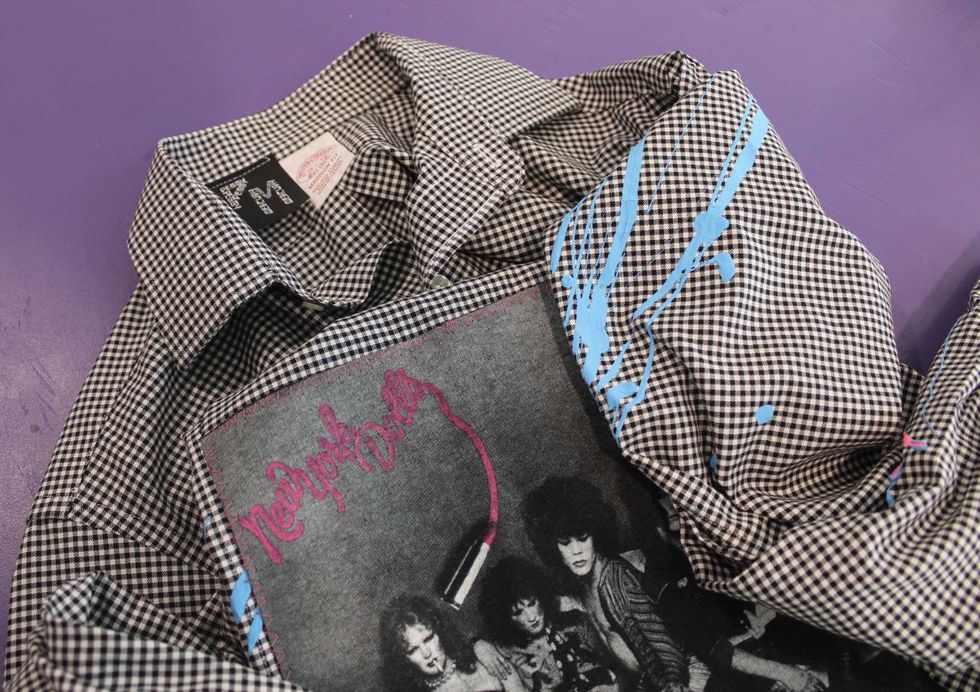 Classic styles, bold colors, and creative concerts make up the “Imaginary Concerts” line at Peggy Mercury.Provided
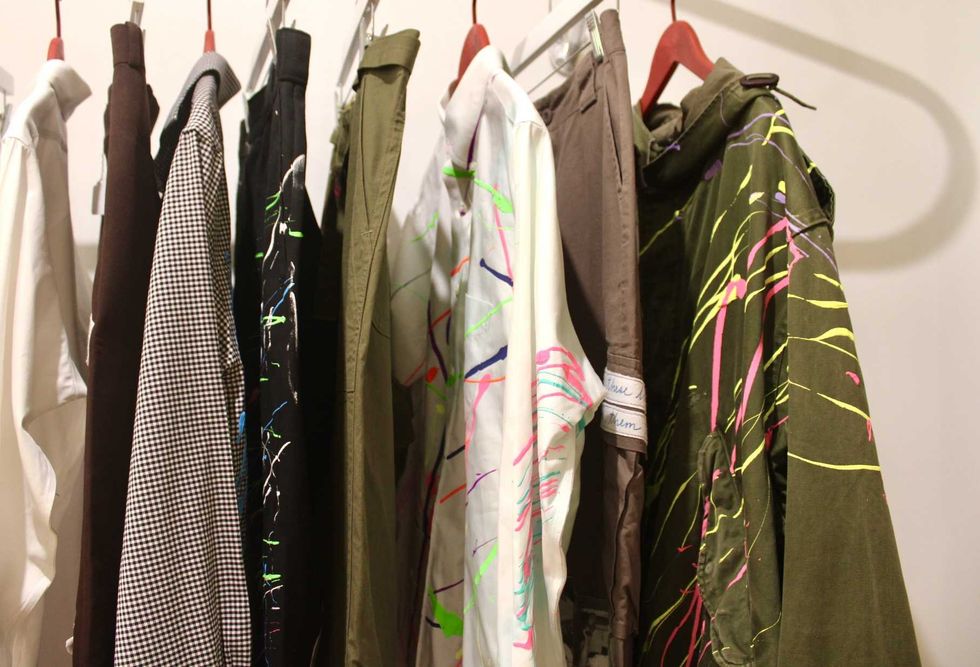 Shirts from Peggy Mercury’s first fashion line, “Imaginary Concerts,” hang on display.Provided