When it closed its doors for the last time on Sunday, Jan. 18, 2009, The Old Speckled Hen, more popularly known as simply “The Pub,� immediately left a vacancy not only on the first floor of the building that had been its home for several decades, but also in the hearts of countless patrons and employees, both past and present.
Station Place, in the center of Norfolk, has been struggling, as have many other localities in the region, with retaining businesses. In the past 15 years or so, the residents have seen the demise of the pharmacy on Station Place, which emerged almost immediately as a small general store. Two or three tenants have occupied the old train station, the present tenant being a real estate office. Norfolk Hardware, next to the corner store, burned and was immediately replaced by another hardware store, which went out of business and was replaced by the present antiques store.
As upsetting and disruptive as these changes were, it seems that the passing of The Pub will be felt by more people and will have a more negative cultural impact than the others. Throughout the years there were between 15 and 25 employees at any given time. These consisted of professional chefs and cooks, bartenders, waitresses, waiters, dishwashers and food prep persons. One of the waitresses was a former Laurel Queen, at least two graduated from college and became members of the bar, and many more either added to or completed their educations and are now pursuing careers throughout the country.
We will never know how many funds were raised by the Norfolk Fire Department at their annual karaoke night, or the committees representing civic and private organizations that held dinners or parties in the facility. There were also fond memories of Christmas parties, Halloween masquerades, Valentine shenanigans, and a whole host of other events.
Longtime employees saw the youngest daughter of the owner begin as a waitress during summers and vacations, finish college, then launch herself into a career, become engaged, then married, and last autumn return for a visit to show off her beautiful first-born. Happenings such as this formed the entire staff into a true family, one that will not be replaced, but will continue to provide a plethora of memories to them for the rest of their lives.
Margrite and Mary, a set of identical twins, petite, blond, blue-eyed and vivacious, waitressed and bartended before moving on to other pursuits. Mary is the manager of the Norfolk Corner, the general store directly opposite from The Pub.
Alyse, a graduate from a culinary school, waitressed up until the end, splitting her time between that job and as the director of the food program at the Colebrook Senior and Community Center.
There existed a bond between many of the regulars and members of the staff. One lady, originally from the New York City area and now a Norfolk resident, mentioned, during a casual conversation, that she had watched the large revolving globe that is located in the main lobby of the Daily News Building on 42nd Street in New York being made when she was a high school student taking a course in journalism. She is particularly fond of that globe, and visits it whenever it is convenient. She was dumbfounded one day a few years back to discover that the longtime dishwasher with whom she had had so many conversations was the cartographer who had made that globe. This was when he had a day job, before he retired and took the job as dishwasher.
There was the day when a tornado barreled out of the west and passed directly over The Pub, taking down all the wires and cables passing along Route 44, four consecutive utility poles, two huge trees, and leaving the building untouched. Those on duty that day share a special bond, as do the ones who showed up for work on that fateful day of Sept. 11, 2001, to stand rooted to the floor, watching those horrible images unfold on the television screen.
All these mental images and shared experiences will forever remain with the regular customers and those who worked there, and will be brought to mind whenever we pass by; to the travelers passing through, however, all they will see is a sign reading: “Sorry, We’re Closed.�
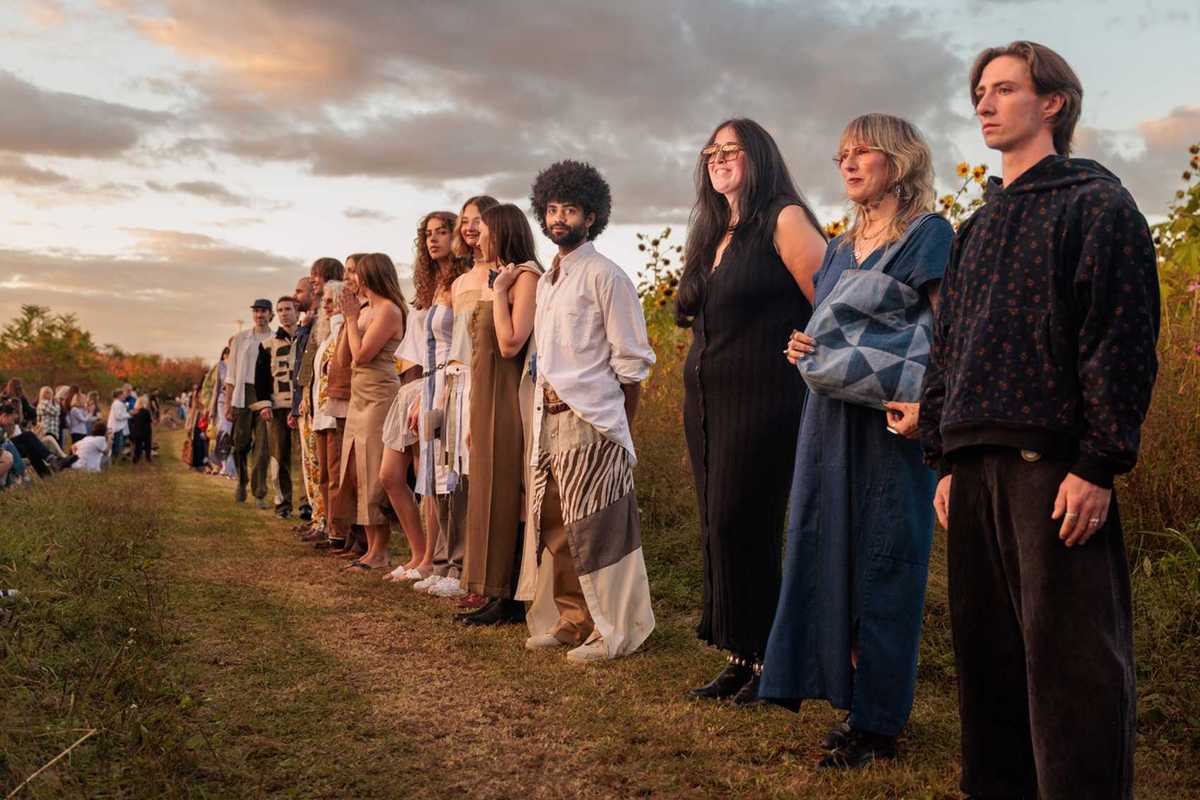
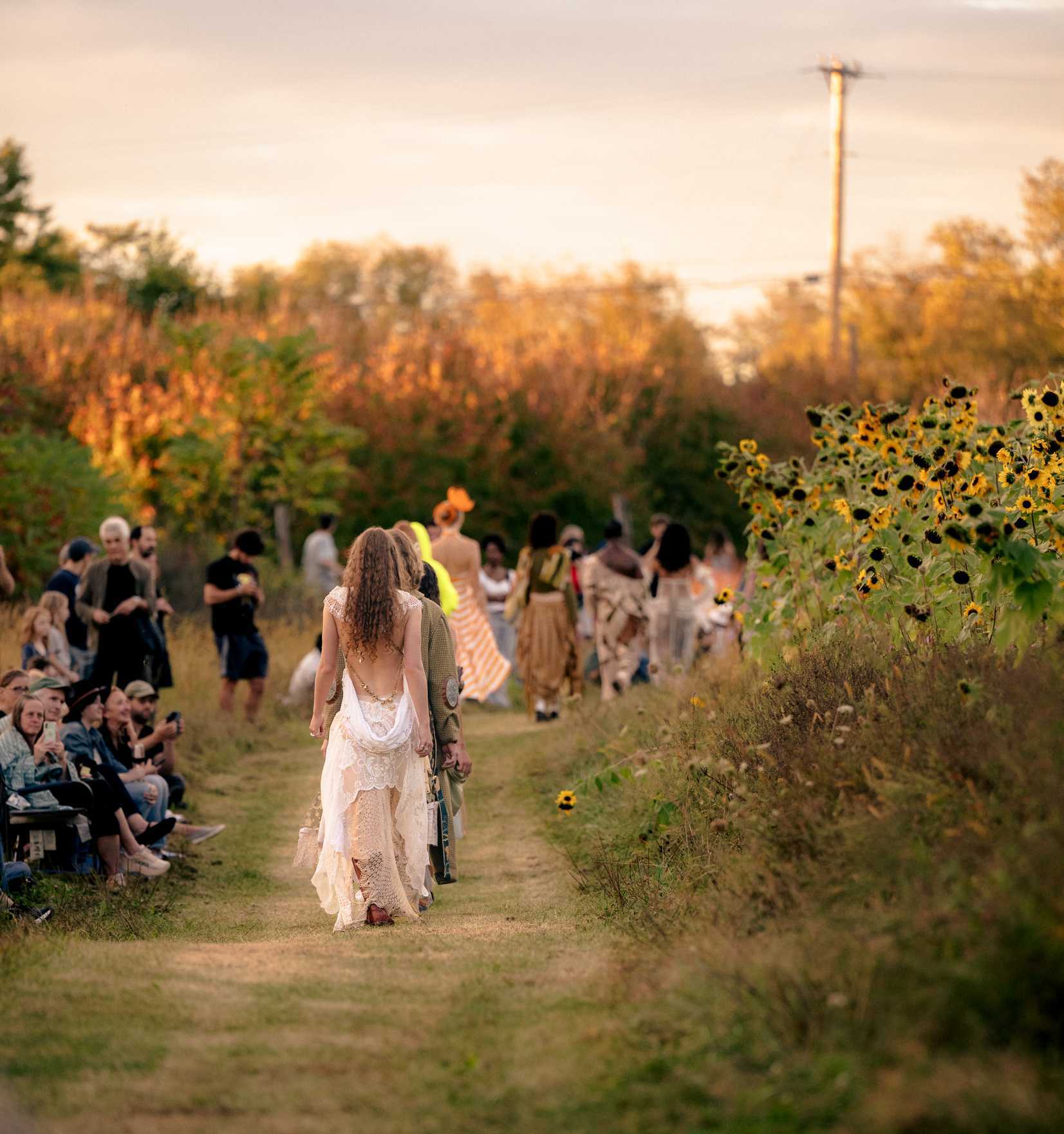 Models walk the organic runway at HVSFW. Ilan Harel
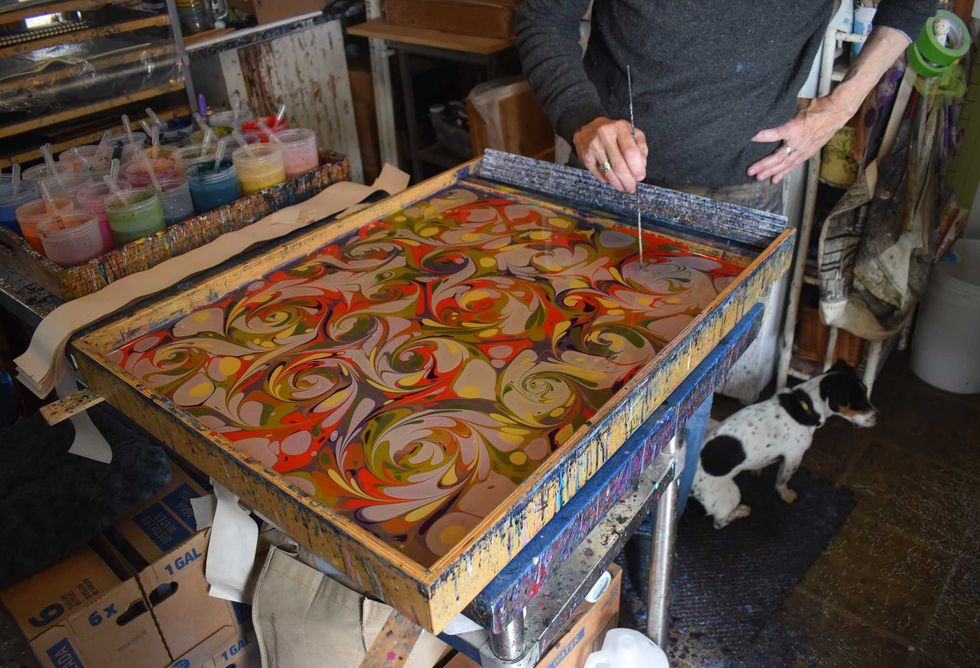 Susan Schneider, owner of Shandell’s, creates a variety of products with marbleized surfaces in her Ashley Falls studio.L. Tomaino

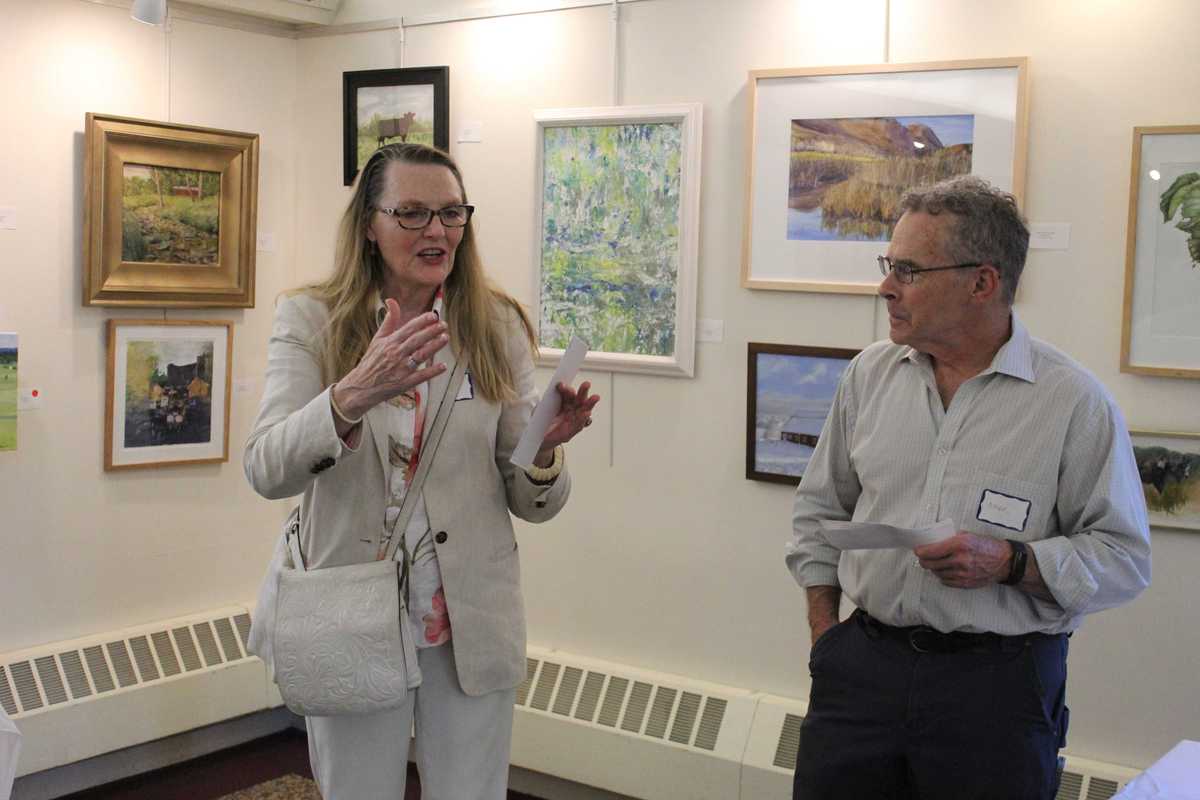
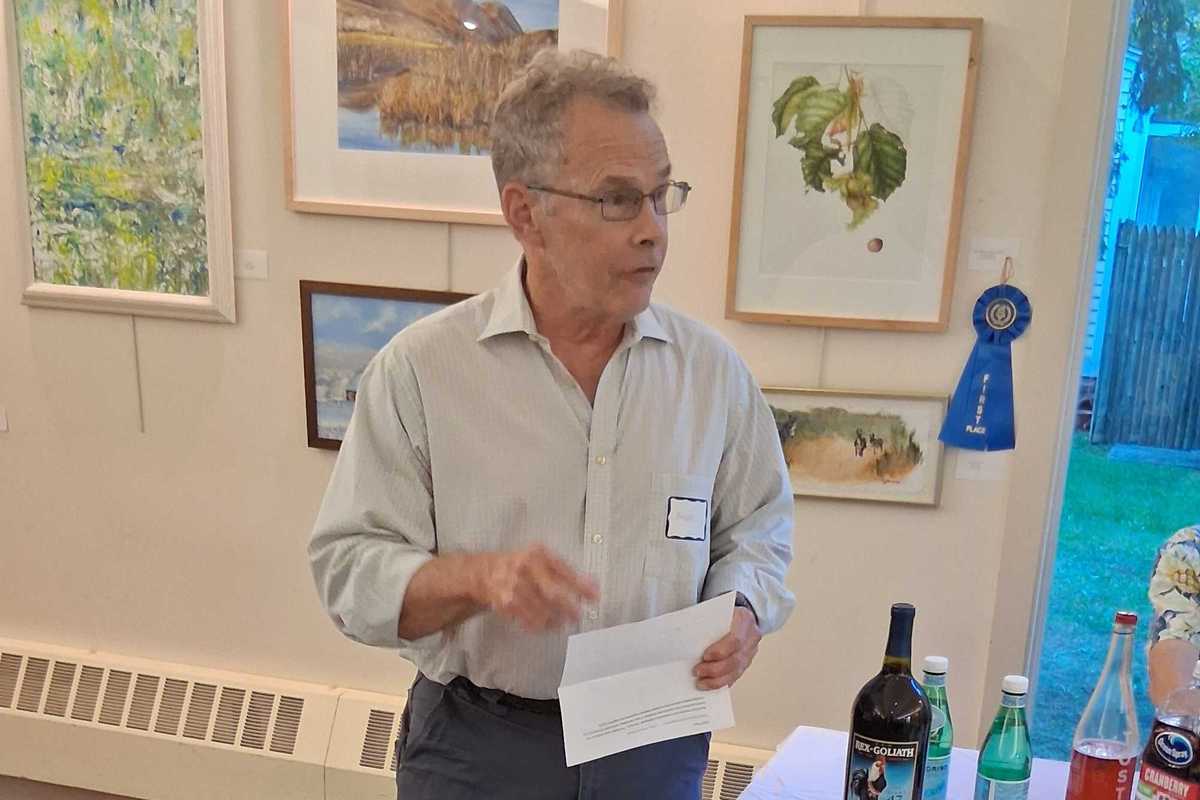 Roger McKee naming the winners with the first place entry over his left shoulder. Patrick L. Sullivan
 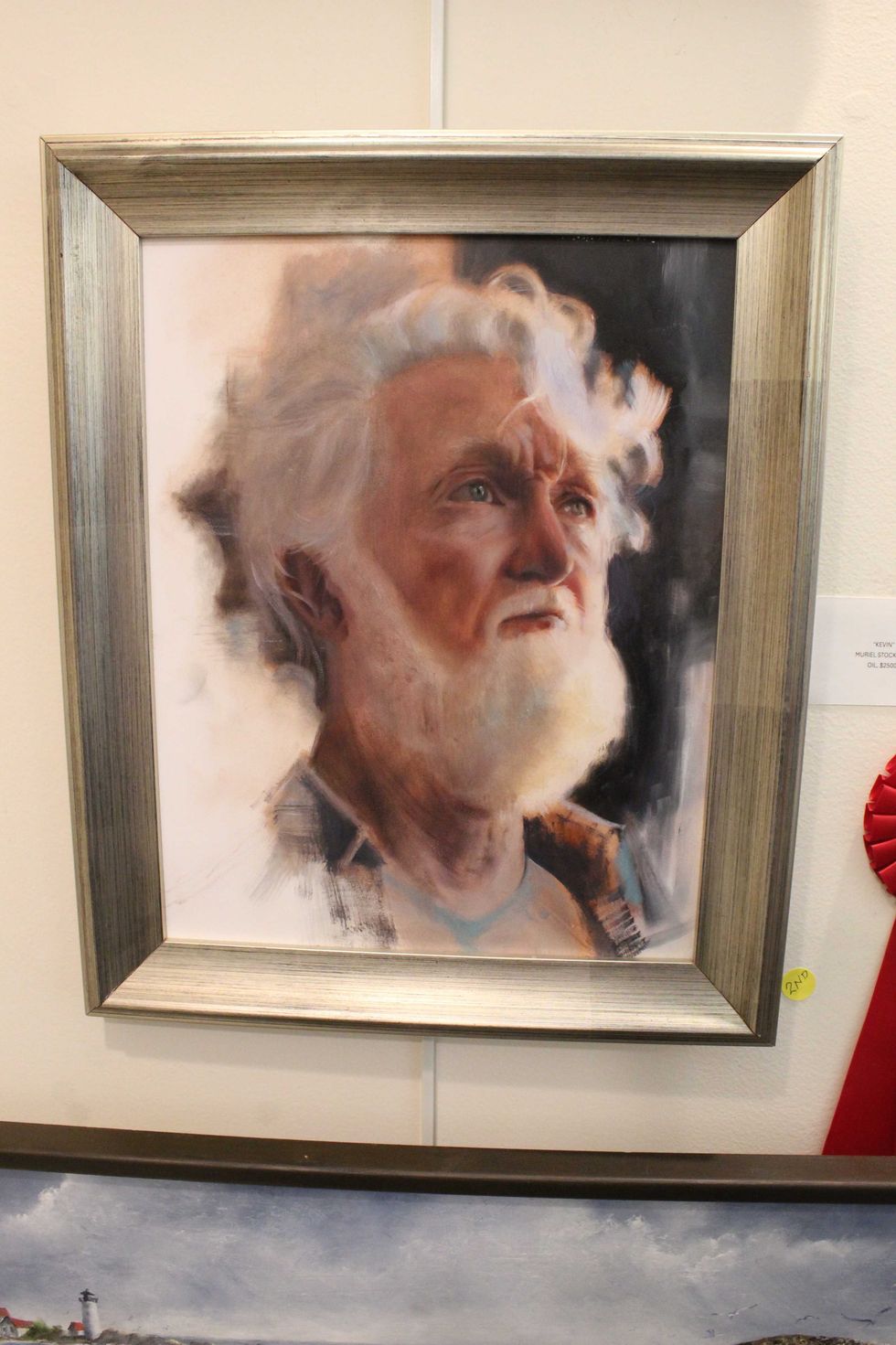 Muriel Stockdale’s “Kevin” took second place in the juried art show at Trinity Episcopal Church.Patrick L. Sullivan