CORNWALL — A chimney fire at the Pine Street home of Pat and Jerry Blakey on Feb. 2 burned itself out by the time firefighters arrived. But it was a close call that served as a good reminder of how unexpectedly the most common residential fire of the season can happen.“Being a fireman, I had been at many chimney fires, and had one in my home before,” Jerry Blakey said later that day. “But there was no roar. We had no clue inside the house what was going on.”He had restarted a fire in the woodstove they use to help heat their two-story Colonial. They have been using wood that was cut three years ago and was presumably very dry. There was no loud roar from the fire as is often the case when creosote residue ignites. It was only by chance that a little before 10 a.m., Blakey saw a clue that was a red flag to his trained eye.“My son, David, had just come by and I was at the door. I looked out and saw the smoke from our chimney blowing back toward the house. It was orange instead of white.”Blakey immediately did two things, one right and one wrong. He checked the stove and closed off the air supply to try to smother the fire — and he hesitated to call 911.“That’s a lesson to be remembered. Always call the fire department right away, no matter what,” he said.He was able to use his experience to assess the situation, and he was thinking he didn’t want a bunch of volunteers to come out for no reason. But he quickly remembered the advice he would have given others. He also knows that the real danger is when the fire finds its way into other areas of the house. Properly handling a chimney fire includes checking the adjoining structure.“The fire department responded very quickly. They did a great job of venting smoke from the house. There was no smoke damage at all,” Blakey said, adding on a humorous note, “The firemen mentioned they had not had a chimney fire drill yet this winter, so I guess they’re all set. I told them I’d send them a bill.”The other lesson is prevention. The home is relatively new, built in 1989 (completed just about the time the tornado hit that section of town). The couple has decided an annual cleaning is in order. The last was in 2009, but this fire was proof that a chimney in good condition and the use of well-seasoned wood may not be enough.They will now also regularly use flue cleaners, which are burned in a fireplace or stove like a log of wood. Blakey said responding Fire Marshal Mike Fitting recommended them as effective in helping to clean creosote from chimneys.
Latest News
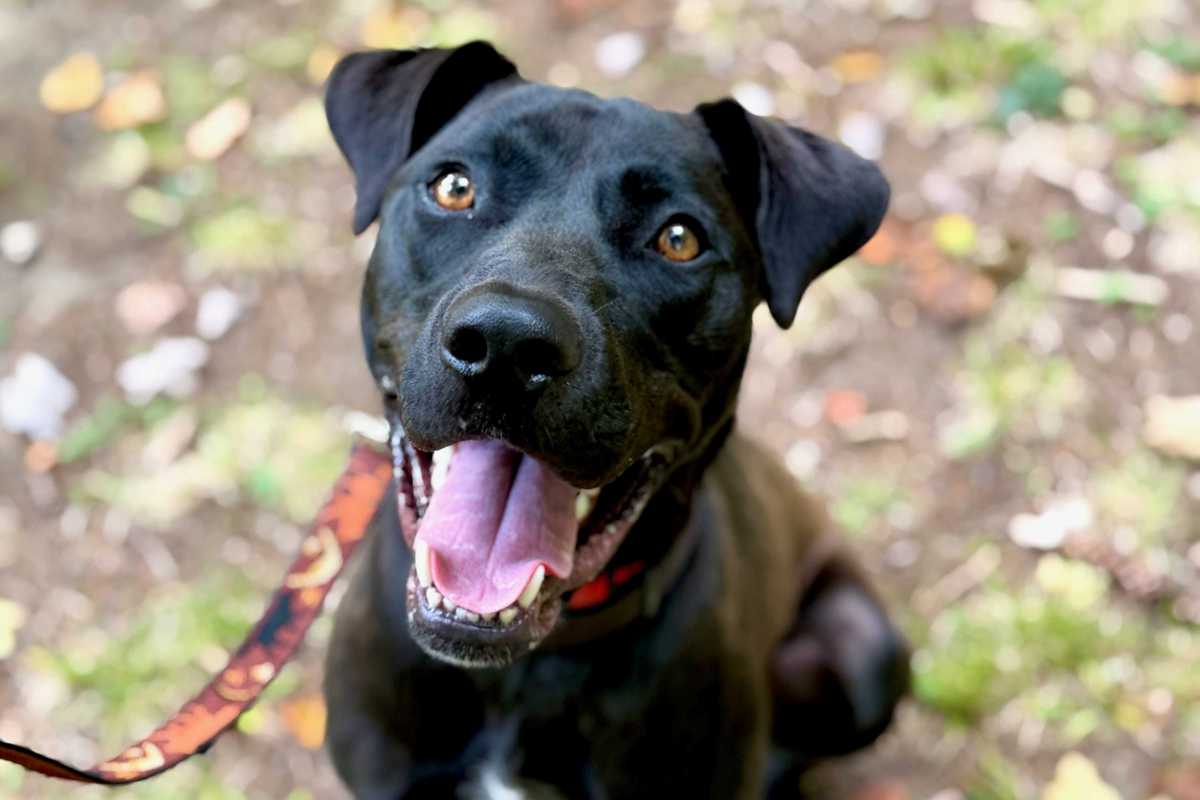
Marsala is eager to go home with you.
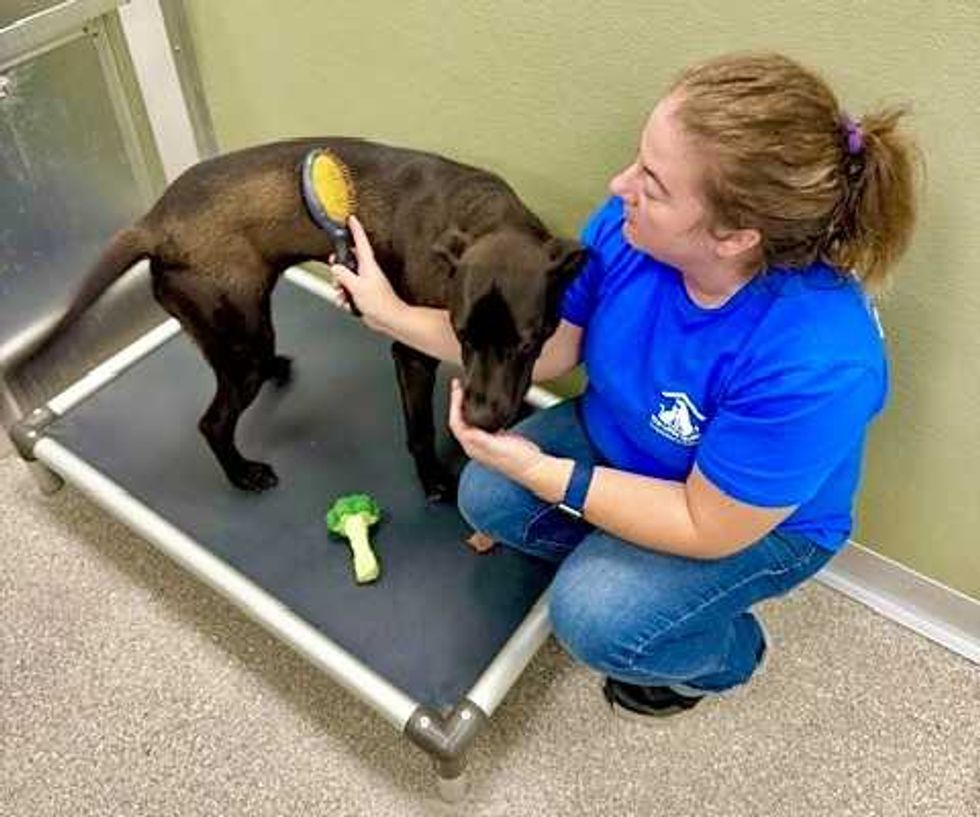 Tiffany Lemelin, shelter manager, brushing Marsala upon arrival.Provided
The Little Guild is an animal shelter at 285 Sharon-Goshen Turnpike in West Cornwall. Founded in 1957, the organization rescues animals from local surrenders and under-resourced shelters. When a rescue animal arrives at The Little Guild, staff begins a careful intake and transition process to ensure the animal is safe, healthy and ready for adoption.
New arrivals are quarantined in-house. Vaccinations are verified as up to date, and staff assesses each animal’s medical, behavioral and placement needs. Rescues receive medical care, daily support and behavioral training to ease shelter stress. Once a dog has finished quarantine and is ready for a home, its profile is published at littleguild.org.
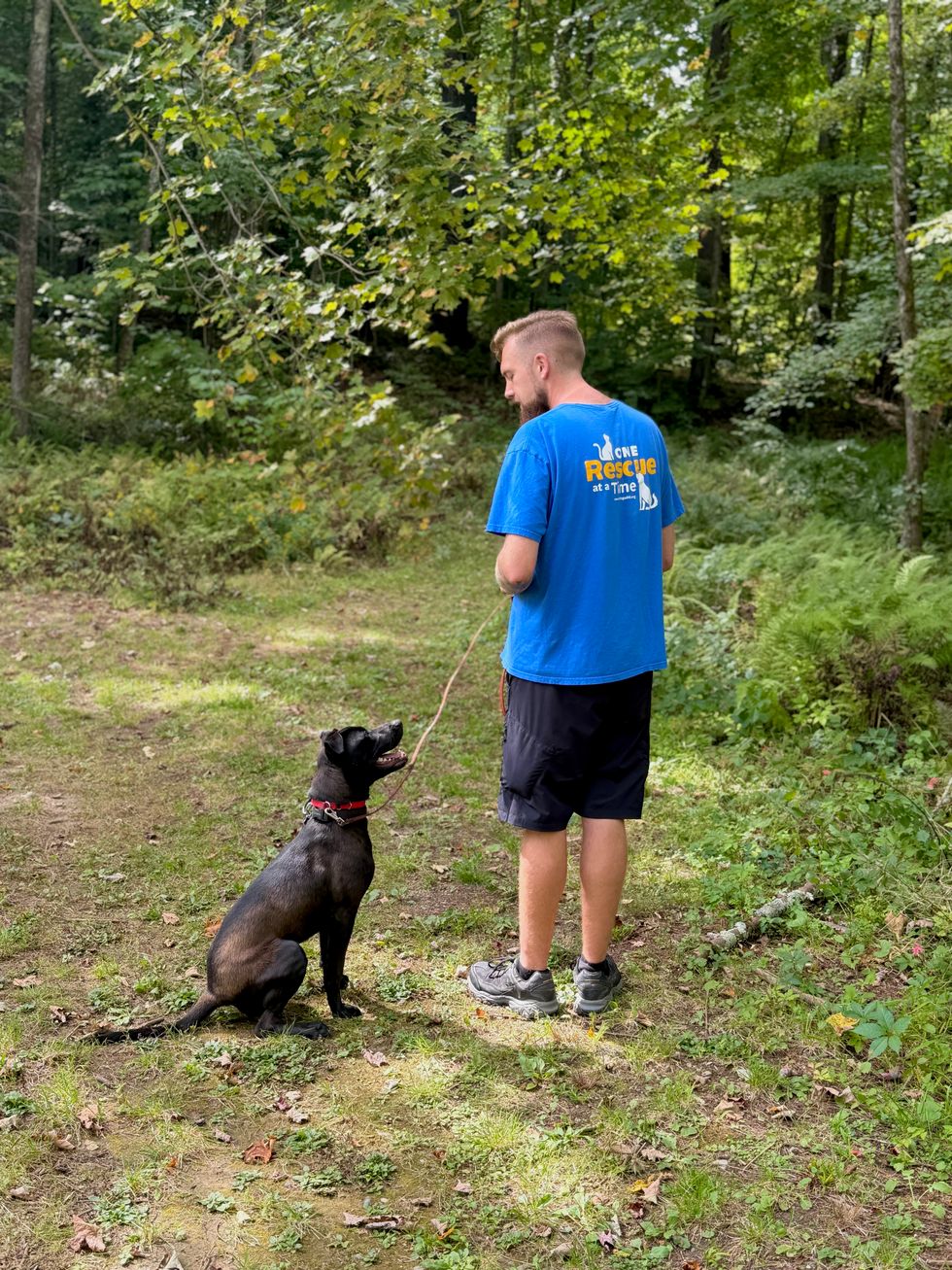 Michael DeBarba, certified dog trainer working with Marsala.Jennifer Almquist
Prospective adopters fill out an online application with information about their household and veterinary and personal references.
The next step is for the prospective adopter and family members to meet the dog. If there is already a dog in the household, a meet-and-greet is scheduled so the dogs can get acquainted.
The animal care staff offers guidance based on its knowledge of each animal’s personality, needs and quirks to help families find the best fit.
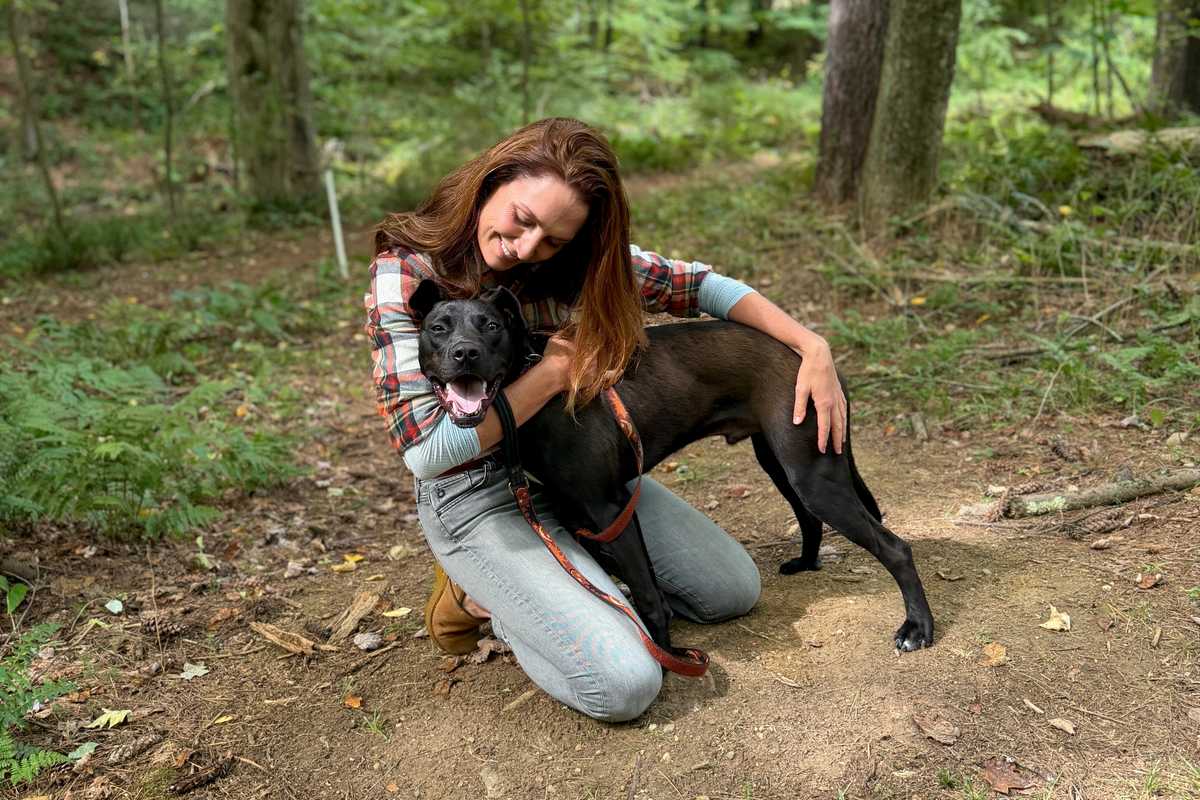 Marsala wins a heart.Jennifer Almquist
Once a match is made, the adoption contract outlines aftercare. Adopters agree to return the animal to The Little Guild if the adoption doesn’t work out. The organization’s commitment continues after adoption, with six months of free training and follow-up from staff to answer questions or address concerns.
“Please don’t pass Marsala by,” Lemelin said. “He loves people and other dogs. He’s a lap dog who lives for snuggles, cuddles and face kisses. Marsala deserves a family, a soft bed and a lifetime of being chosen.”
To find out about Marsala and other rescue dogs and cats, visit littleguild.org

Want more of our stories on Google? Click here to make us a Preferred Source.
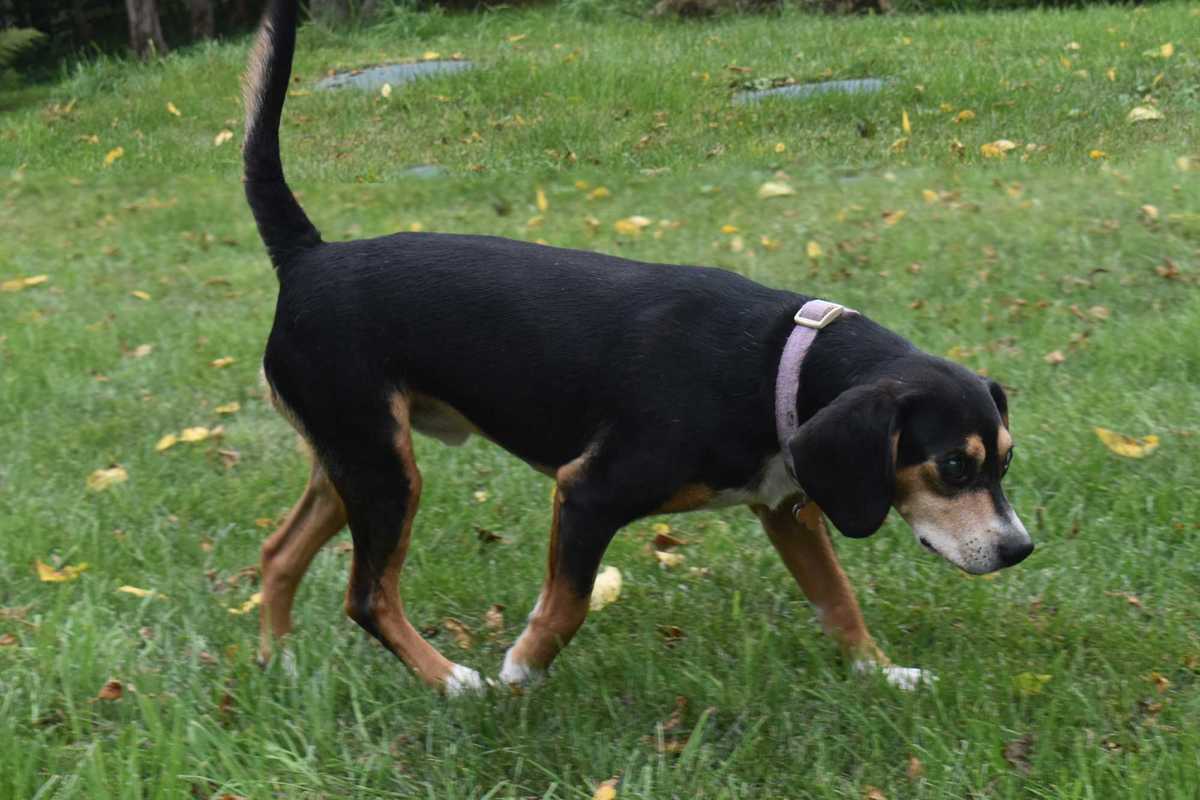
Sampson, a playful and independent blind hound mix, explores the rescue’s large yard.
Though she takes in dogs of all ages, including some with disabilities — and one resident cat — the rescue’s motto is “Giving old dogs new lives.”
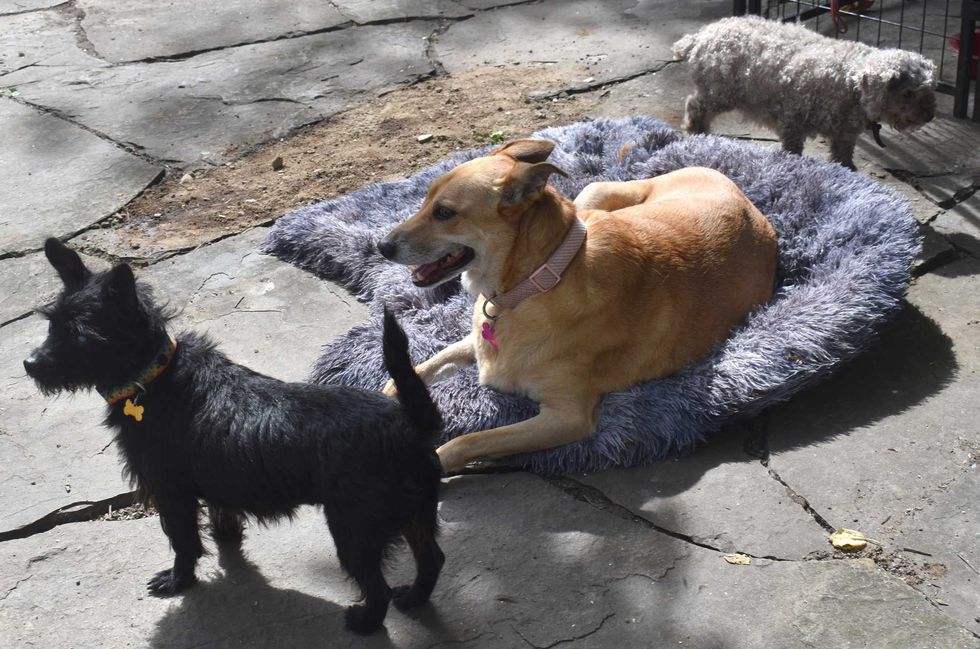 Sadie, center, a Carolina dog, plays with her friend Negra, a terrier mix. Bella Linda, the small poodle, has since been adopted.L. Tomaino
Sadie, a sweet Carolina dog, was the first to greet visitors.
“She could really use a home,” Meade said.
Then came Bonnie and Clyde, rat terriers; Negra, a small terrier mix; Sampson, a blind hound mix; and Jay Z, a terrier mix who was emaciated when Meade took him in and has since filled out, with fur regrowing over previously bald patches. Wesley, a young, shaggy mix whom Meade calls “a very good boy,” is also in need of a home.
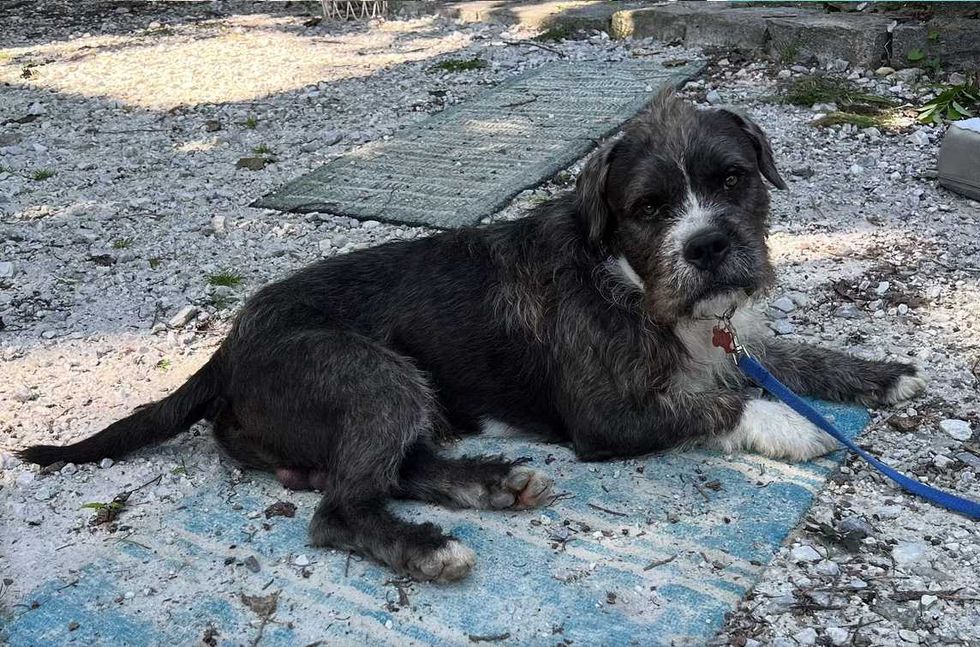 Wesley, a young, exuberant mix, is looking for an active home.L. Tomaino
Meade began rescuing dogs after going to Waterbury to adopt one and learning that, by the end of the three-day weekend, the dogs she was looking at would be euthanized to make room for others.
She went home and started her rescue in New Preston, Connecticut. After five years there, she moved to California, where she rescued dogs from overcrowded pounds for 13 years.
Meade, a busload of dogs and her cat moved back to the Northeast a little more than a year ago.
Ninety-nine percent of the dogs at the rescue come from pounds, both locally and in California and New York City.
“We are more than happy to place dogs with older people, and we are also willing to give support after the adoption,” Meade said, noting that some rescues will not adopt to people over 60.
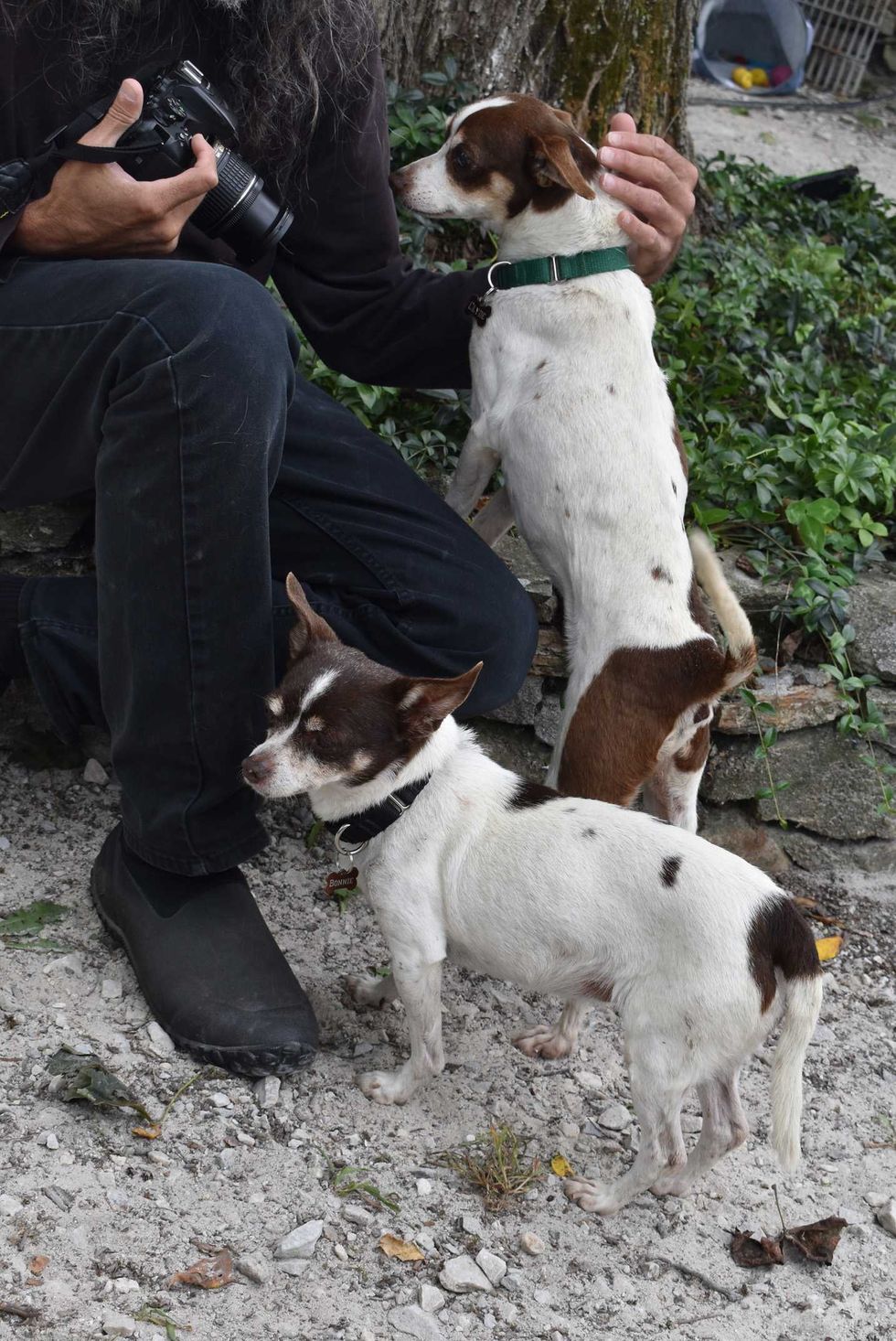 Bonnie and Clyde, an affectionate terrier pair.L. Tomaino
For those who cannot adopt, the rescue needs donations of old blankets, dog and cat food, cleaning supplies, puppy pads and dog treats. Monetary donations are also welcome and can be made through the rescue’s website. Meade also welcomes volunteers to help with the dogs.
Contact Meade at 805-239-4004, 860-866-7986 or 4dots@att.net to arrange a visit or drop off donations. For available dogs and more information, visit meadecaninerescue.org.
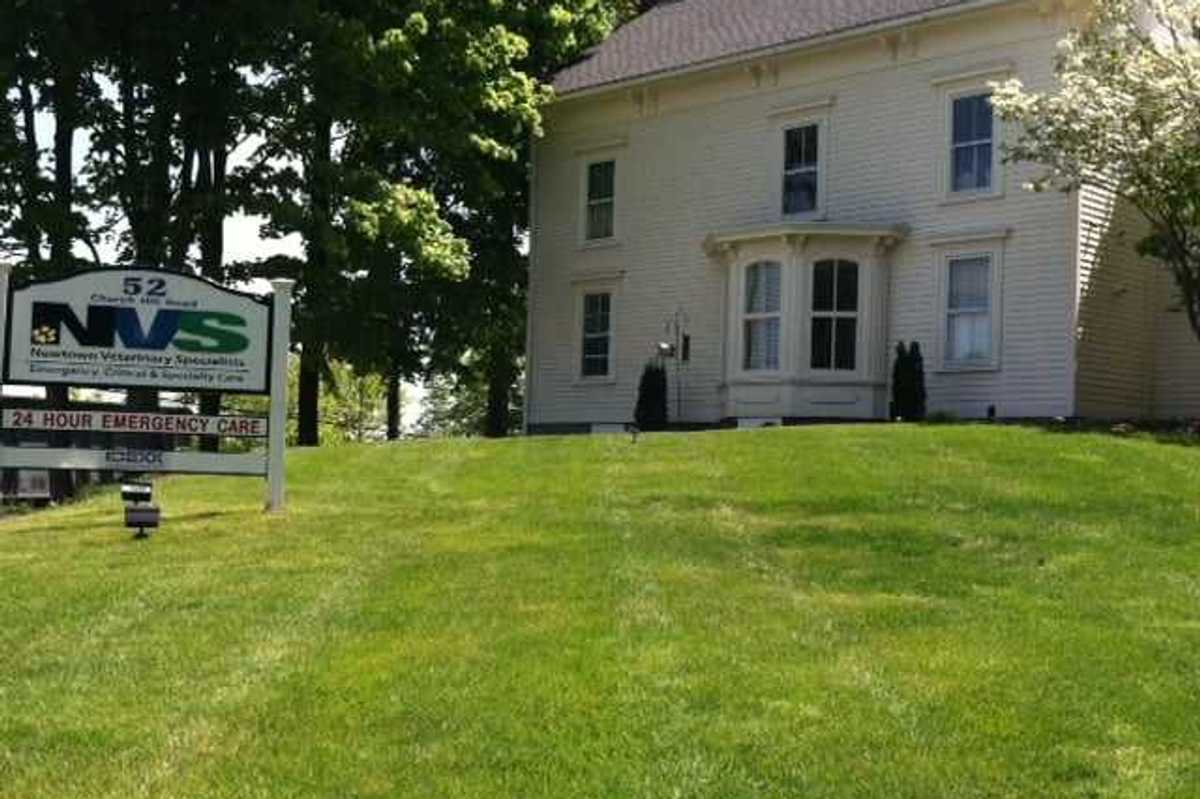
Newtown Veterinary Specialists
For Berkshire County residents, VCA All Caring Animal Hospital, 440 Stockbridge Road in Great Barrington, can be a nearby first call. The full-service hospital offers diagnostics and hospitalization and asks clients with an emergency or a pet requiring immediate attention to call rather than use its online contact form. It is not a 24-hour emergency hospital, however. Current hours are 7:30 a.m. to 5 p.m. Monday through Friday and 8 a.m. to 1 p.m. Saturday. It is closed Sunday. Call 413-528-8020.
Poughkeepsie also has several options for urgent care. Creature Comforts Animal Hospital, 64 Pine St., is a full-service veterinary hospital offering emergency and critical care during regular business hours. The hospital treats dogs and cats as well as birds, reptiles and other exotic pets. Hours are 9 a.m. to 8 p.m. Monday, 9 a.m. to 6 p.m. Tuesday through Friday and 9 a.m. to 2 p.m. Saturday. It is closed Sunday. For after-hours emergencies involving dogs and cats, the hospital refers patients to regional emergency facilities. Call 845-625-2474.
Community Animal Care, 269 Titusville Road, offers urgent and emergency care during operating hours and asks pet owners to call ahead. Regular hours are 8 a.m. to 6 p.m. Monday through Thursday, 8 a.m. to 5 p.m. Friday and 8 a.m. to 1 p.m. Saturday. Urgent care is available daily by calling ahead, with extended hours until 9 p.m. Tuesdays and Thursdays. The practice also offers after-hours veterinary triage by video to help owners determine whether a pet can safely wait or should be taken to a 24-hour facility. Call 845-471-7459.
When an animal needs care in the middle of the night, on a holiday or for a potentially life-threatening condition, the options become more limited.
Guardian Veterinary Specialists, 4 Hardscrabble Heights in Brewster, is a 24-hour emergency and specialty hospital, open seven days a week, 365 days a year. Its emergency department is staffed around the clock, with on-site imaging and laboratory services. No appointment is necessary for an emergency, although calling ahead is encouraged when possible. Call 914-704-3400.
 Provided
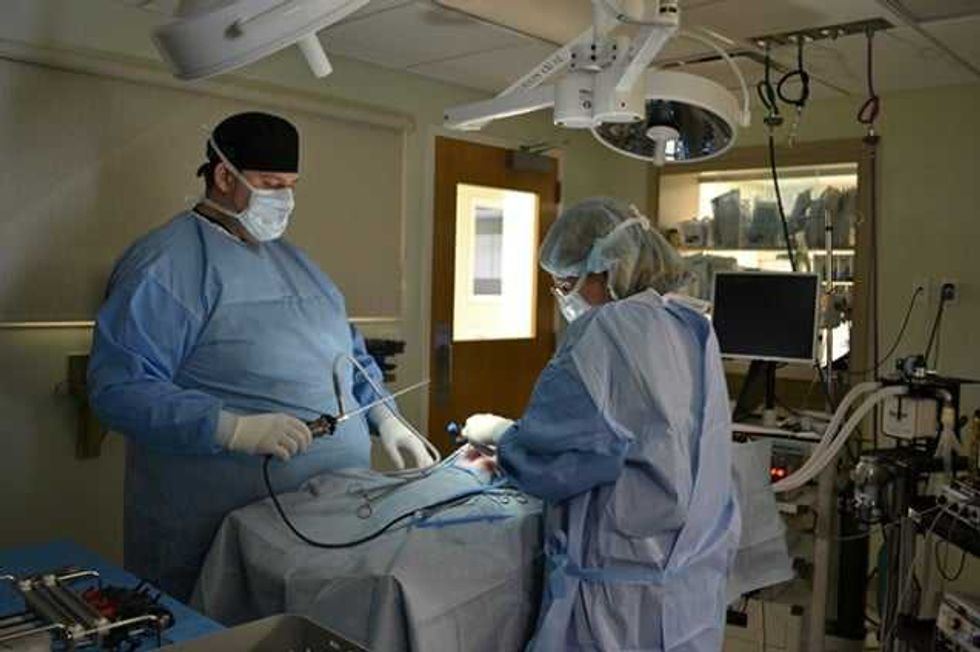
Newtown Veterinary Specialists, 52 Church Hill Road in Newtown, Connecticut, also provides emergency care 24 hours a day, seven days a week, including holidays. No appointment is required for emergency care, although the hospital recommends calling ahead when possible. Call 203-270-8387.
Pet owners should remember that emergency veterinary hospitals operate much like human emergency rooms in that patients are triaged according to the severity of their condition, so animals with less critical problems may have to wait.
The best preparation is simple. Keep the number of your regular veterinarian and at least one 24-hour emergency hospital in your phone, and know roughly how long it will take to get there. If circumstances allow, call before leaving home to confirm where your pet should be seen.
When something goes wrong at 10 p.m. on a Sunday, knowing where you’re headed can make a frightening situation a little less overwhelming.
Want more of our stories on Google? Click here to make us a Preferred Source.