PINE PLAINS — Despite the great distance and the tendency to disconnect from realities that are too painful to embrace, many families in the Harlem Valley have been personally touched by, and are closely tied to, the war in Iraq. There are many of us who have friends and family serving overseas, risking their lives on a daily basis while trying to establish democracy, safety and stability in the Middle East.
Two such young men are from Pine Plains. They are Master Sergeant David A. Cookingham, who is in the Airborne Military Police Company in the Military Police Regiment at Camp Basara, Iraq; and Brian Coons, TAG,
C JTF Phoenix, Camp Alamo. Coons has spent tours in Iraq, Afghanistan, as well as some time in Jordan and North Africa.
Both men have stayed in touch with their hometown through letters to those in their community. Cookingham writes home to his mother and stepfather, Carol and John Ladoceour, regularly. Coons, meanwhile, has kept in touch with Presbyterian Church Pastor Carol Miller, among others. Their thoughts and impressions are printed below, shared now with our readers, about how life is in the midst of war, thousands of miles away.
We thank them for their courage, and remind them that there are many people back home awaiting their safe return. Until then, we would like to share with you their e-mail addresses, so you can reach out to them with your own thoughts and best wishes.
— Whitney Joseph
Hi all, greetings from Basra, Iraq. At the bequest of my stepdad, John Ladoceour, I’ll start sending some updates from Operation Iraqi Freedom 07-09.
I’m a master sergeant in an airborne military police company in the Military Police Regiment. Myself and one other master sergeant run the operations cell of our unit of almost 200 paratroopers. I run intelligence operations, police intelligence operations and administrative operations; my battle buddy runs current operations.
My job specifically is to gather, process and forward all raw intelligence that my unit collects while conducting police transition team operations. I produce "link diagrams," which enable us to link criminal elements and enemy elements, as well as establish links to corruption in the Iraqi Police. Our whole goal is to train, coach, mentor and eventually provide operational overwatch to our Iraqi Police counterparts. It is a phenomenal task and takes a lot of effort and focus on the part of our junior leaders, who actually conduct the patrols.
The main body of troops arrived about three weeks ago, and I’m proud to say that the 21st Military Police Company (Airborne) is "boots on the ground" here in Basra, starting our combat mission. Sadly, we had to send one paratrooper back home as a result of an injury in Kuwait.
Our paratroopers have made a big impression on our British comrades. Every day our unit receives laudatory comments as to our esprit de corps, morale and professionalism. I am proud every day to serve with our "next generation," and be a small part of what they do here.
The 21st has a long and extremely prestigious history in combat zones from Normandy, Panama, the Balkans, and now, the Asian Peninsula; as well as a proud history of providing law enforcement to Fort Bragg, N.C., the second-largest garrison population in the Army. We are proud to be adding another chapter to our history.
We are on a small base in Basra, called COB Basra. The base is a couple of miles from the second largest city in Iraq, only a few miles from the gulf in southern Iraq. Basra is home to over two-thirds of Iraq’s oil wealth. Everything here is run by the British, which isn’t bad, but takes a little getting used to. We eat British food, which is pretty good; and use the British exchange system (which is their equivalent of our PX). It’s a small base camp and not like what I saw last time when I was up in Baghdad.
As I close out, I would like to tell you that America’s young warriors are making a tremendous impact here in Iraq. It is a noticeable difference from when I was here in 2006. The gains are tangible, and the soldiers, Marines, airman, sailors and Coast Guardsmen who have served here should be given a big pat on the back. It’s difficult to be away from your spouses, children, family members and friends for 12 to 15 months, but my fervent hope is that it will be worth it, as we stabilize this region of the world. Our warriors make tremendous sacrifices here in that effort, and you should be proud of them every day.
David A. Cookingham
21st MP Co (ABN)
Camp Basara, AE 09375
E-mail David A. Cookingham @US.Army.mil.
Hello. How are you? Thanks so much for the card and words of support.
 Our main mission or effort here in Afghanistan is to train the Afghani Army and prepare them for their duty of protecting Afghani citizens and taking control of their country. Years of war and conflict have left much of the country in poor condition. Electrical power and an inadequate water supply for many is still a commodity — let alone the quality of drinking water.
Humanitarian aid is just a small part of my mission. I spend the majority of my time managing CERP projects. CERP (Commanders Emergency Relief Program) is geared toward local needs that must be addressed immediately. These tend to be infrastructure, schools, health and welfare issues. Many of these projects are in and around the villages I visit.
The years of conflict I mentioned before seem to have drained much of the local populations’ will and desire to take hold of their country’s future. I have witnessed positive opinion and outlook from some, although it tends to be limited to the rural population or the lower classes.
Urban areas are plagued by corruption, poor living conditions and the ever-emerging threat of the car bomb.
With tours in Iraq, Afghanistan, some time in Jordan, and North Africa, I still find myself questioning Islam. As a Westerner, I guess I will never really understand it and try to always find the good in something.
So here I am, trying to stay positive and always striving to educate the less fortunate. All of these issues compounded with living in a strange land are adding to the experience.
I look forward to returning to the peace and serenity that I find in Pine Plains.
Hope this finds you in healthy mind, body and spirit.
Brian Coons
TAG
CJTF Phoenix
Camp Alamo
APO AE 09320
E-mail Brian.coons@us.army.mil.
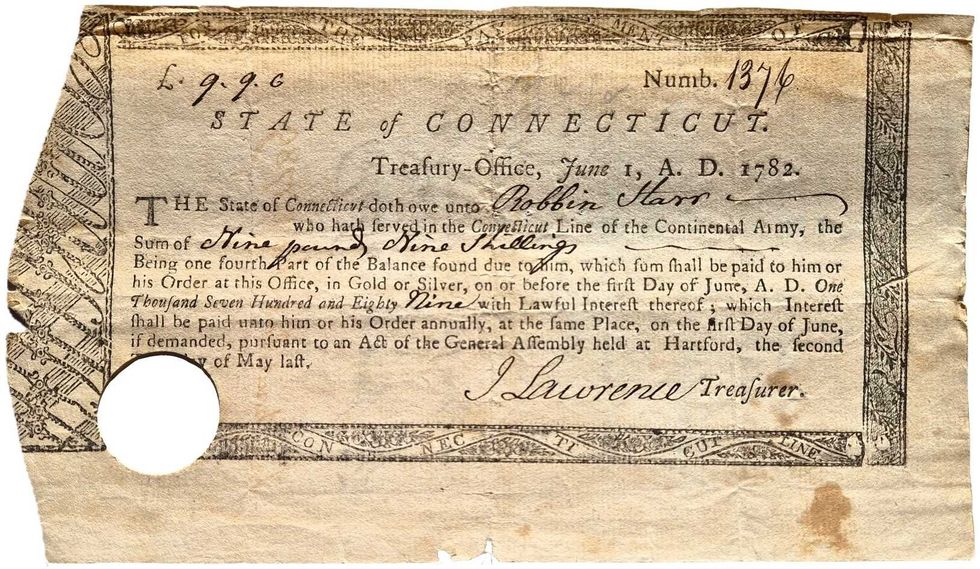 Pay Bill for Robin Starr’s service in the Continental Army.Courtesy the Alex Breanne Corporation
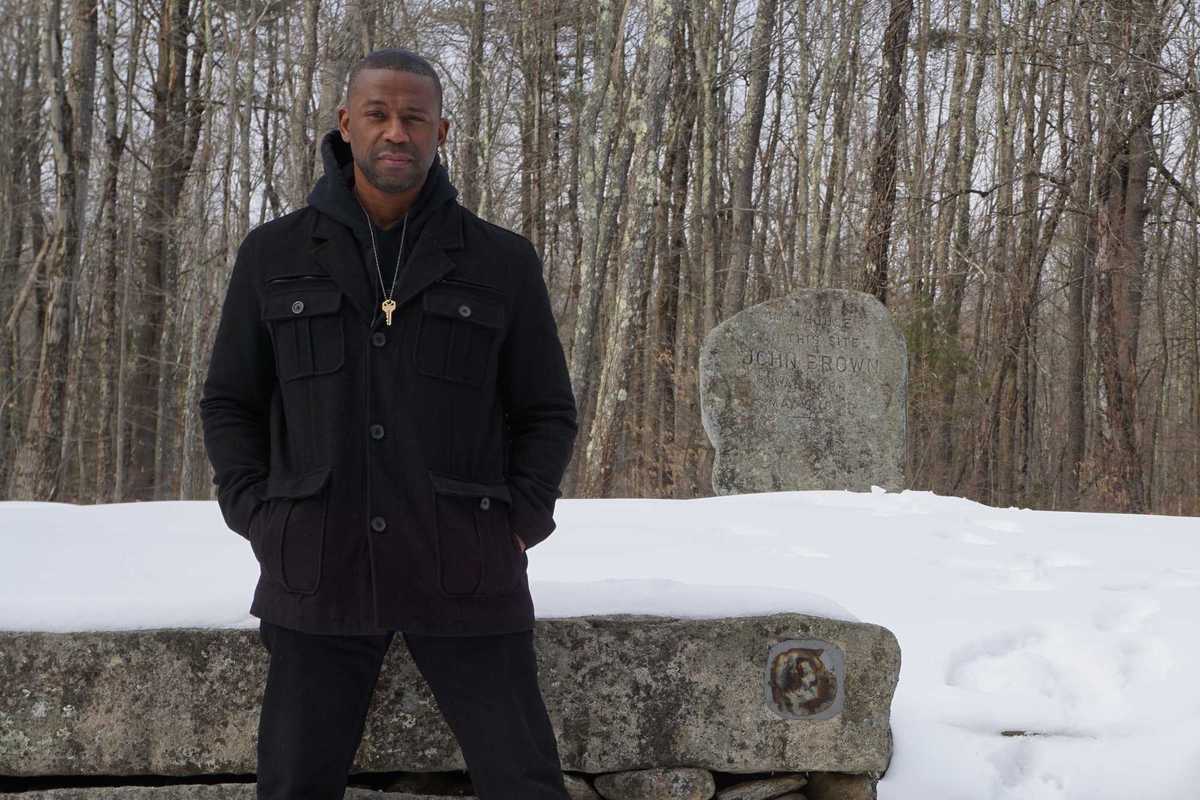
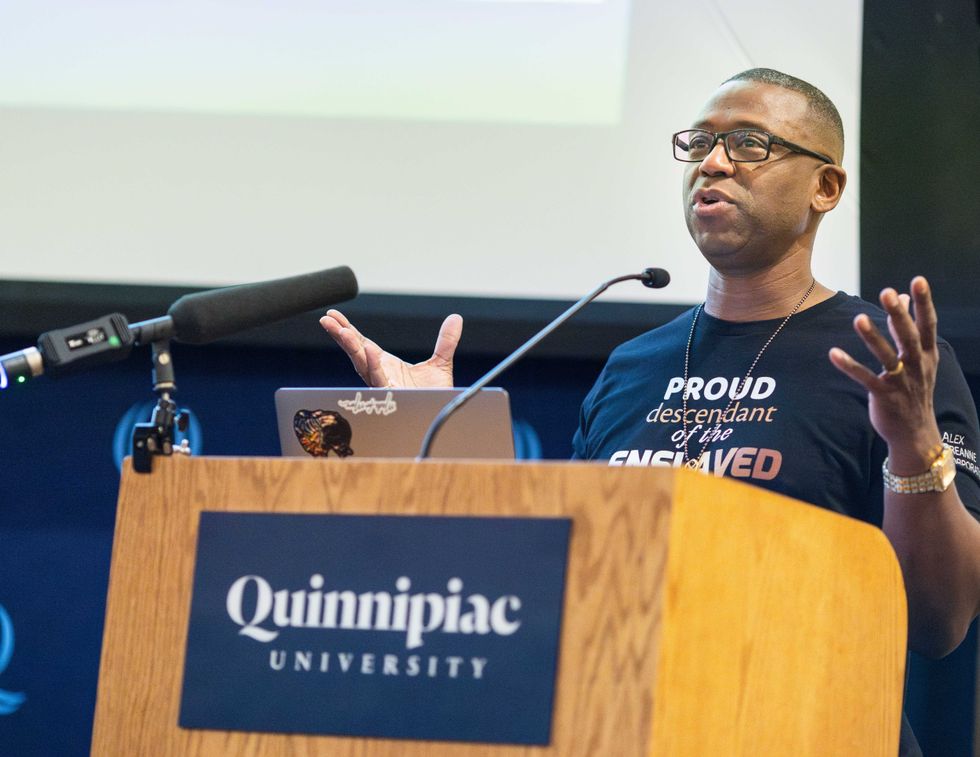 John Mills speaking at Quinnipiac University.Courtesy the Alex Breanne Corporation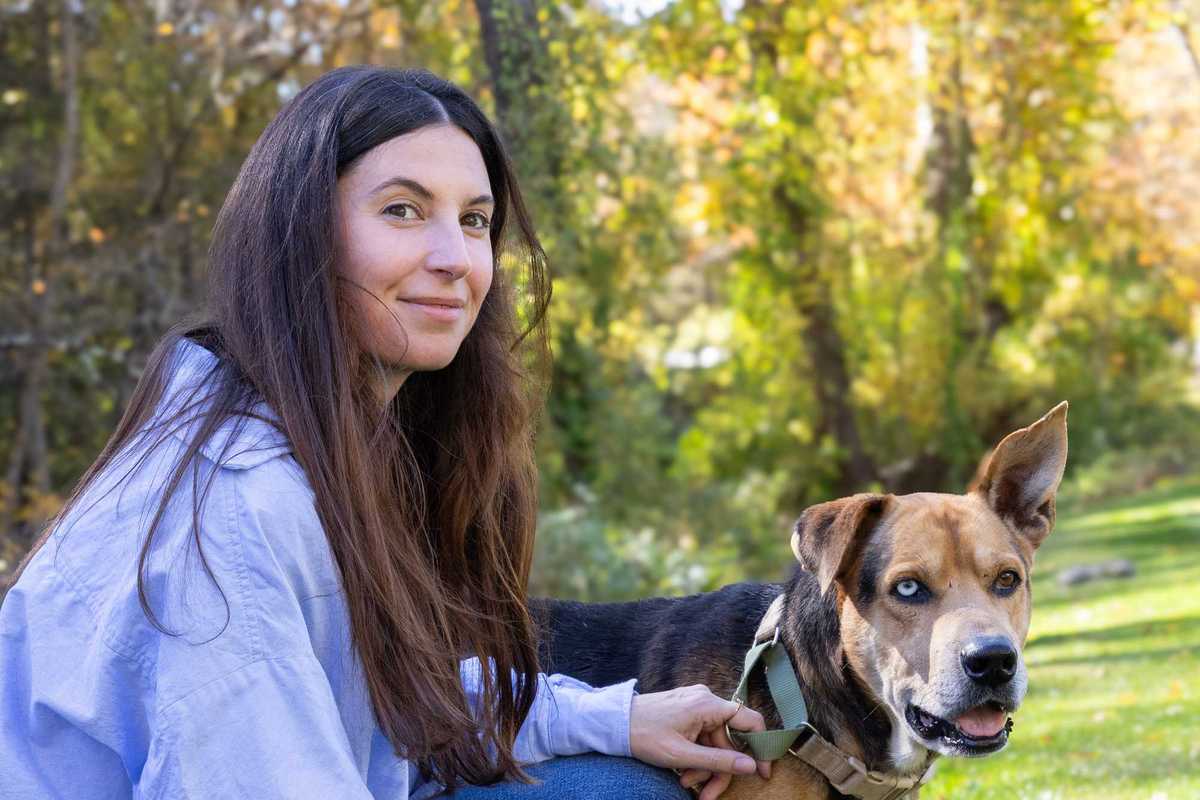
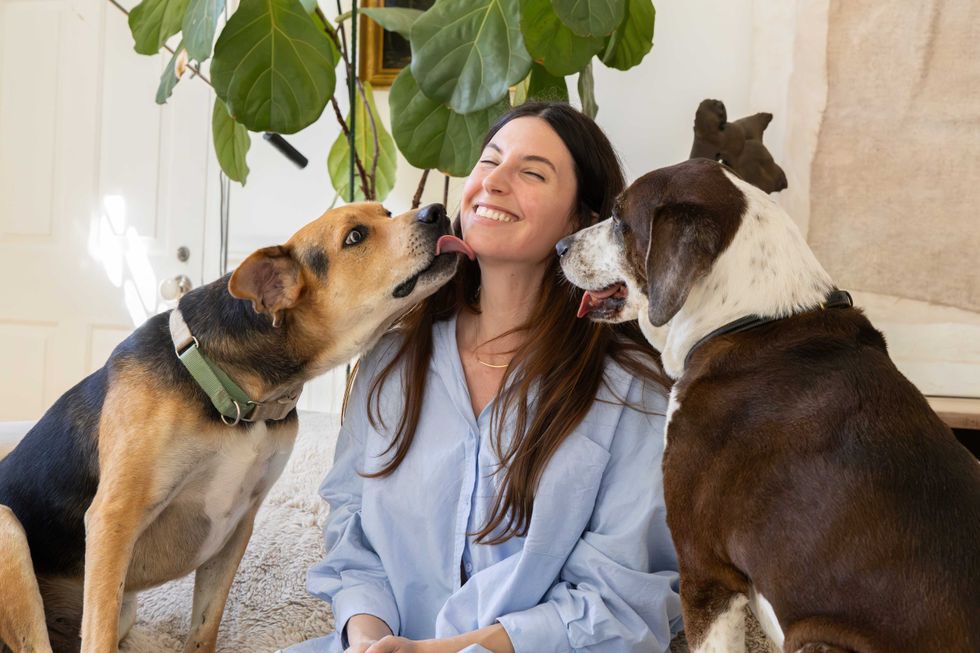 Stephanie Saetta,with her rescue dog George and Blue (left), a shepherd mix awaiting his forever home.Madi Long
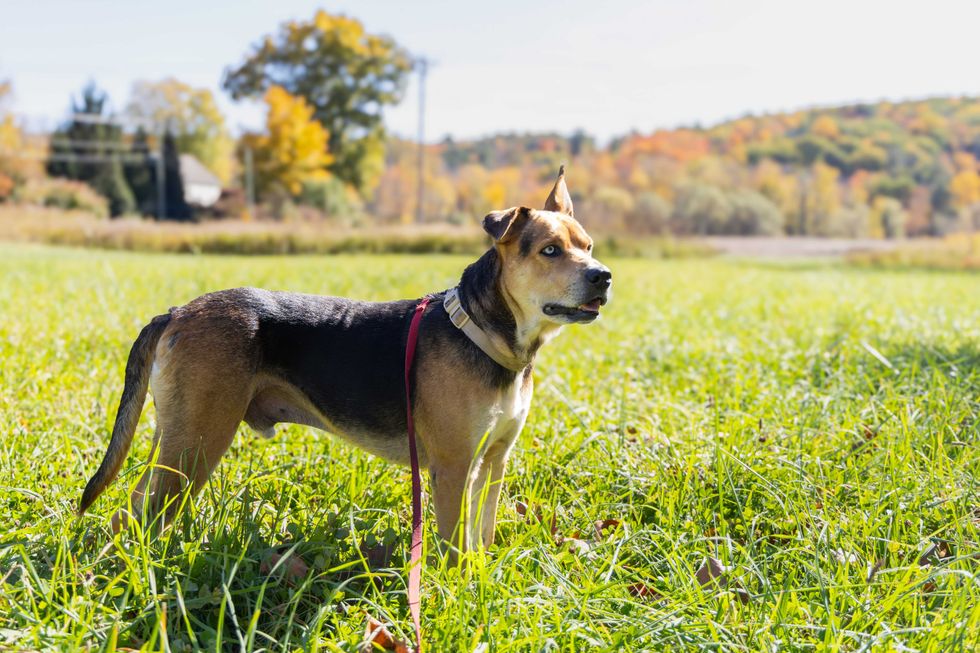 Blue, a 7 year-old Shepard mix, is waiting for his forever home. Madi Long