AMENIA — The horses stabled at Godspeed Horse Hostel on Route 22 in Amenia have received a little something extra this holiday season, thanks to the generosity of the American Society for the Prevention of Cruelty to Animals (ASPCA) out of New York City, one of the biggest animal welfare organizations in the country.
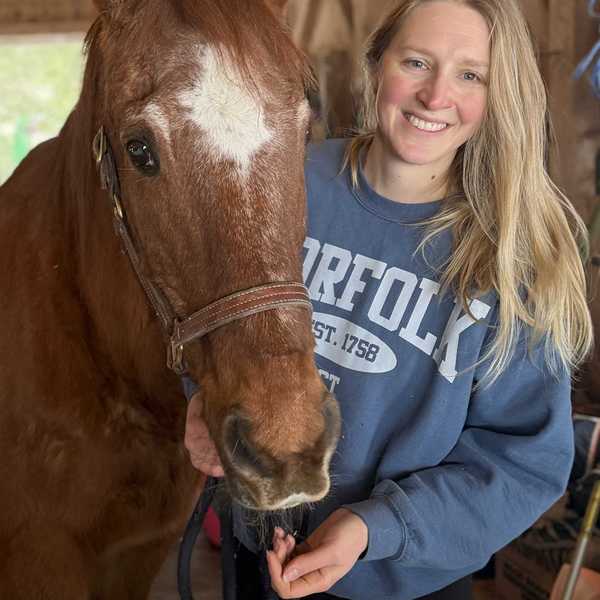
Maria Genovesi has owned and operated Godspeed since 2004, but she has been rescuing horses since the 1980s. She said the $1,000 grant may not sound like much but that it offers great relief to her many expenses; the money goes directly toward feeding the five rescue horses she currently houses at her farm.
“It’s a tremendous help,†Genovesi said. “I keep these horses outside so I keep hay in front of them all the time, although everybody gets a little supplementation with grain. And given that the price of hay went up this year, for me 50 cents a bale, it really helps.â€
The fact the grant came from the ASPCA also means a lot to Genovesi.
“It’s a very important grant because they’re the granddaddy of all animal welfare institutions,†she said, adding she received a similar grant in 2008. “The ASPCA was actually founded because of a carriage horse that was being beaten, and in 1866 Henry Bergh founded the first humane society in New York City. He felt it was important to care for and protect the working horses and livestock.
“He also transformed the dog pounds into adoption centers and then the focus shifted on to smaller animals,†Genovesi added. “But it still recognizes its roots and donates to horse organizations and is responsible for a lot of big adoptions throughout the area. And the ASPCA has been instrumental in pushing legislation through for anticruelty measures for animals.â€
Animal welfare is at the root of Godspeed’s origins, too. Genovesi runs her farm to save horses from slaughter, mainly freeing them from the Premarin industry, primarily in Canada, as well as in the United States. Premarin is a hormone-replacement drug for menopausal women made from female horses’ urine, produced immediately after they give birth; their unwanted foals are then sent to slaughter. It is through intervention, like Godspeed’s, that the foals, called PMU foals, are given a second chance; they are rescued, rehabilitated and then put up for adoption.
“I care for them until they can be adopted,†Genovesi said, adding she’s rescued roughly 60 horses during her career, and they don’t always have to be PMU foals. “I deal with horses of any age, any breed and any position. Eventually the right person comes alone, but it takes time. The longest I held onto a horse was three years, and I’ve had other horses adopted within the same week. It depends what people are looking for. But I’m happy to say that no horses have ever been returned.â€
The process isn’t easy, but it’s clearly Genovesi’s life’s work. She’s designed her days and nights around caring for the horses and doing whatever is necessary to tend to their needs and ultimately find them safe and secure homes.
And while grants like this one from the ASPCA help, they are but a drop in the bucket when it comes to covering the ever-rising costs of caring for the animals at Godspeed. Genovesi estimated that boarding, feeding, providing veterinarian care and other unforeseen expenses amounts to roughly $150 to $175 per horse per month, but acknowledged that figure can jump quickly with the unexpected. Donations make up a big part of her budget, and she’s hopeful those who can afford to will consider making some year-end donations to Godspeed.
To learn more about Godspeed, a not-for-profit 501 (c) (3) organization, or to make a donation, go to godspeedhorse.org or call 845-242-2069.
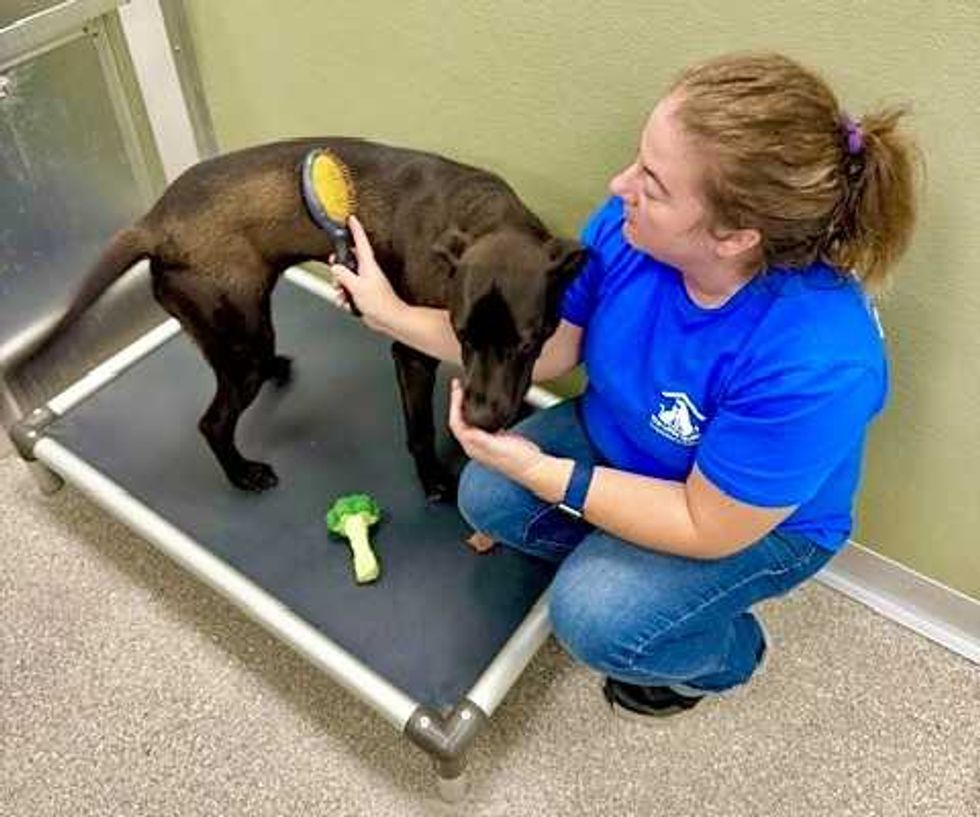 Tiffany Lemelin, shelter manager, brushing Marsala upon arrival.Provided
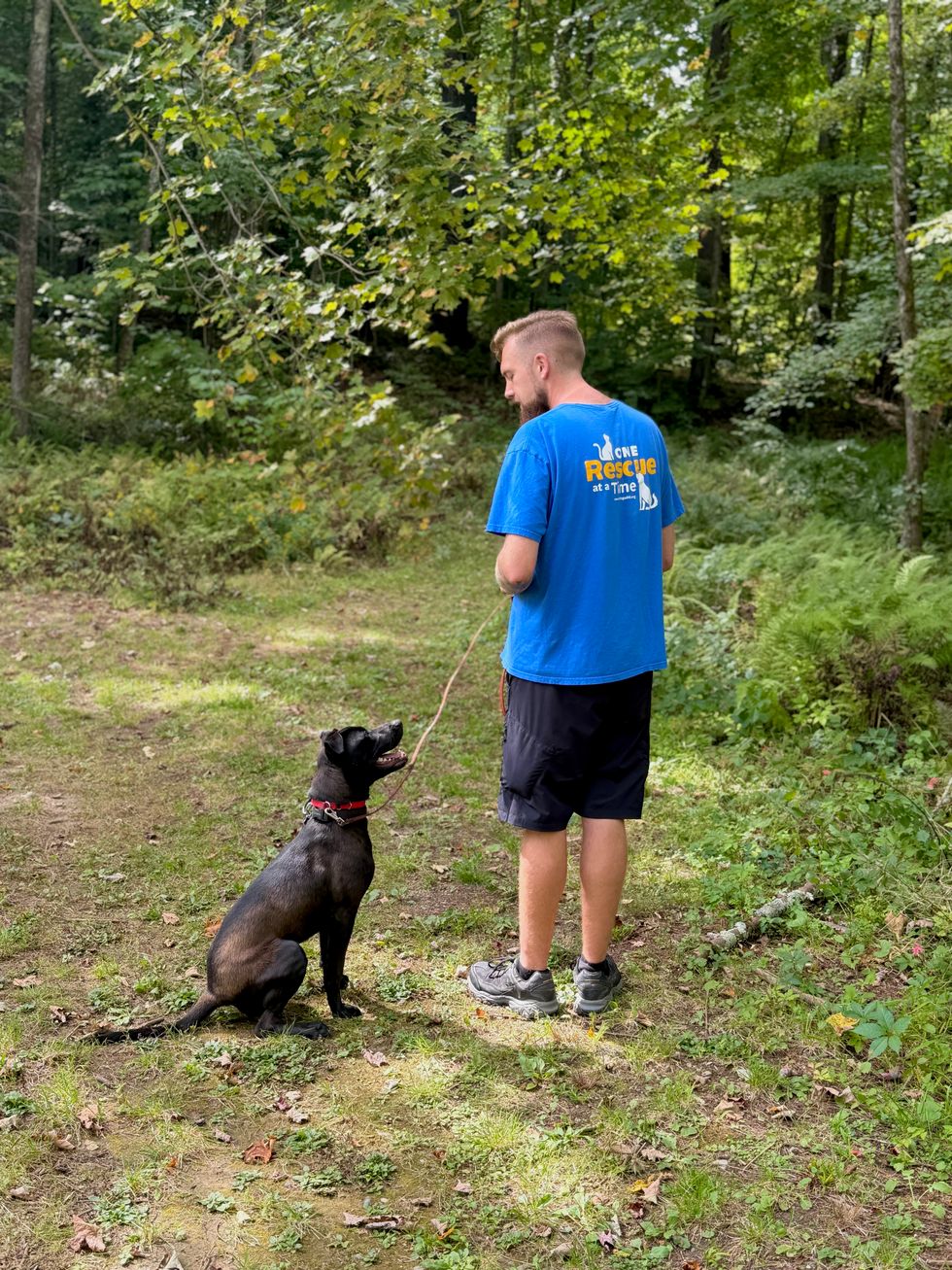 Michael DeBarba, certified dog trainer working with Marsala.Jennifer Almquist
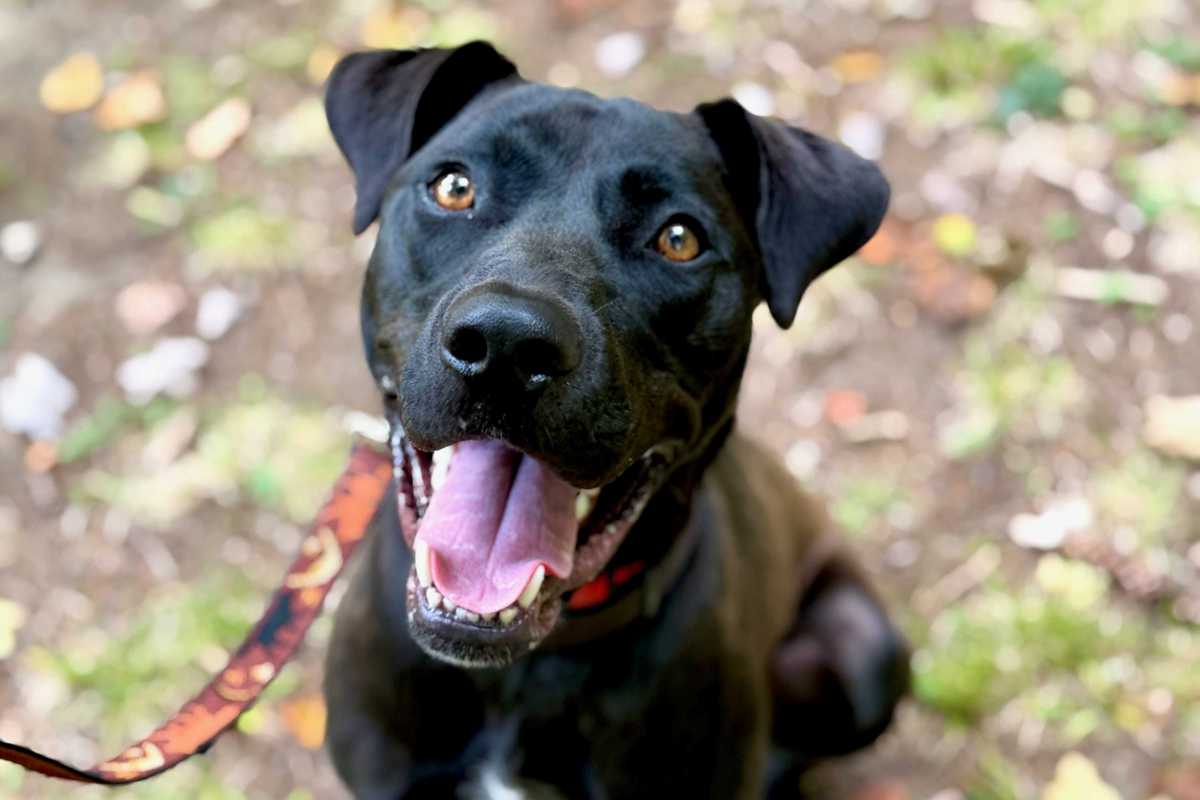
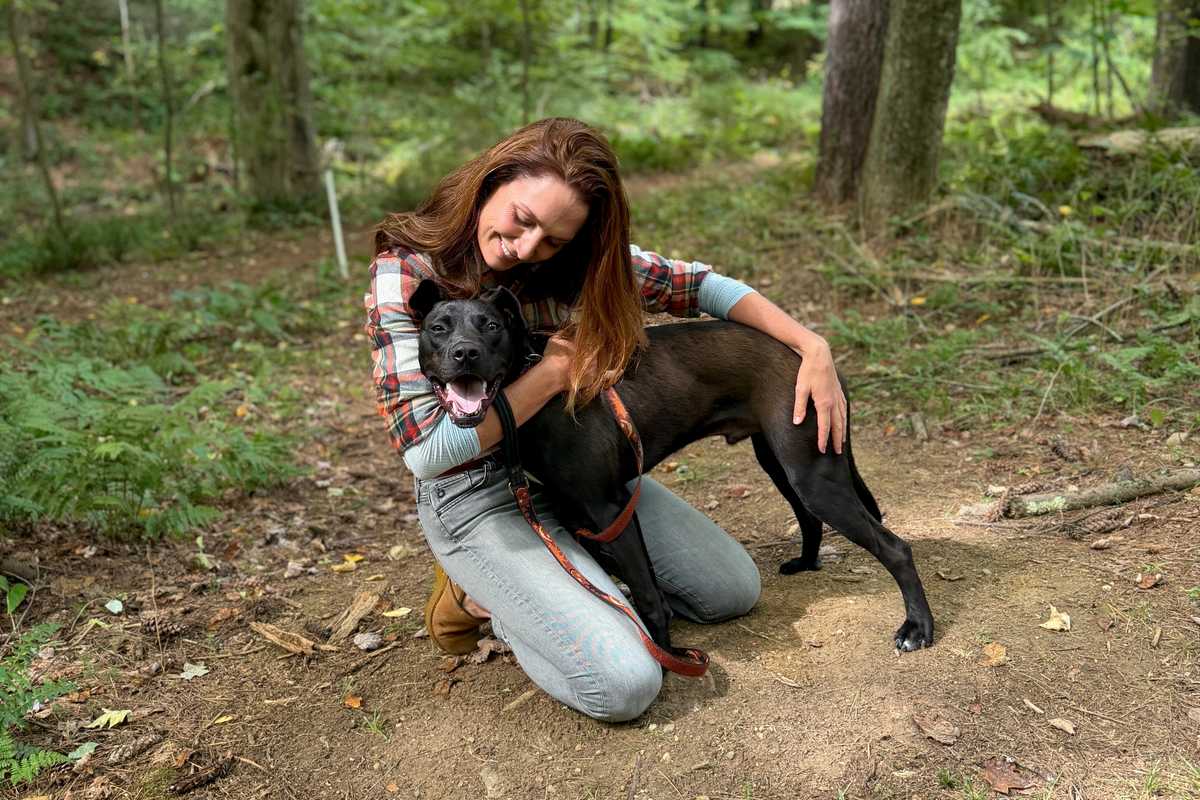 Marsala wins a heart.Jennifer Almquist
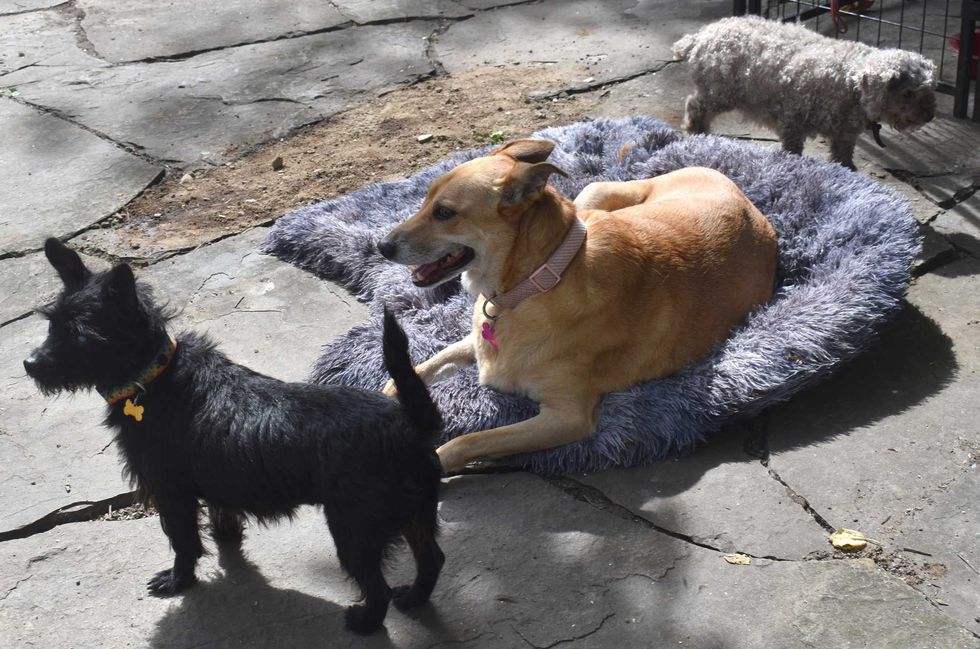 Sadie, center, a Carolina dog, plays with her friend Negra, a terrier mix. Bella Linda, the small poodle, has since been adopted.L. Tomaino
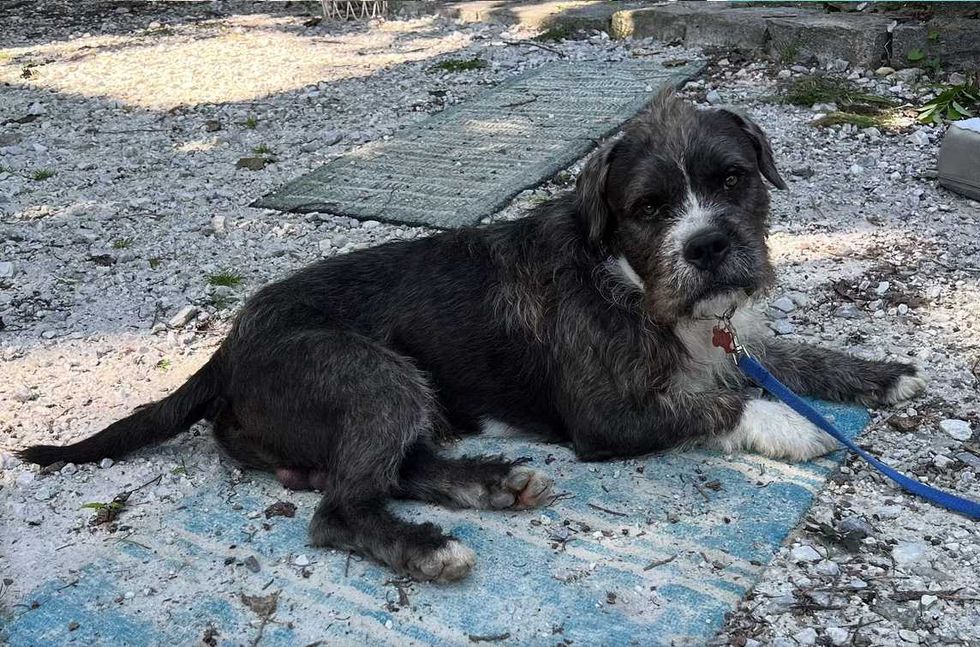 Wesley, a young, exuberant mix, is looking for an active home.L. Tomaino
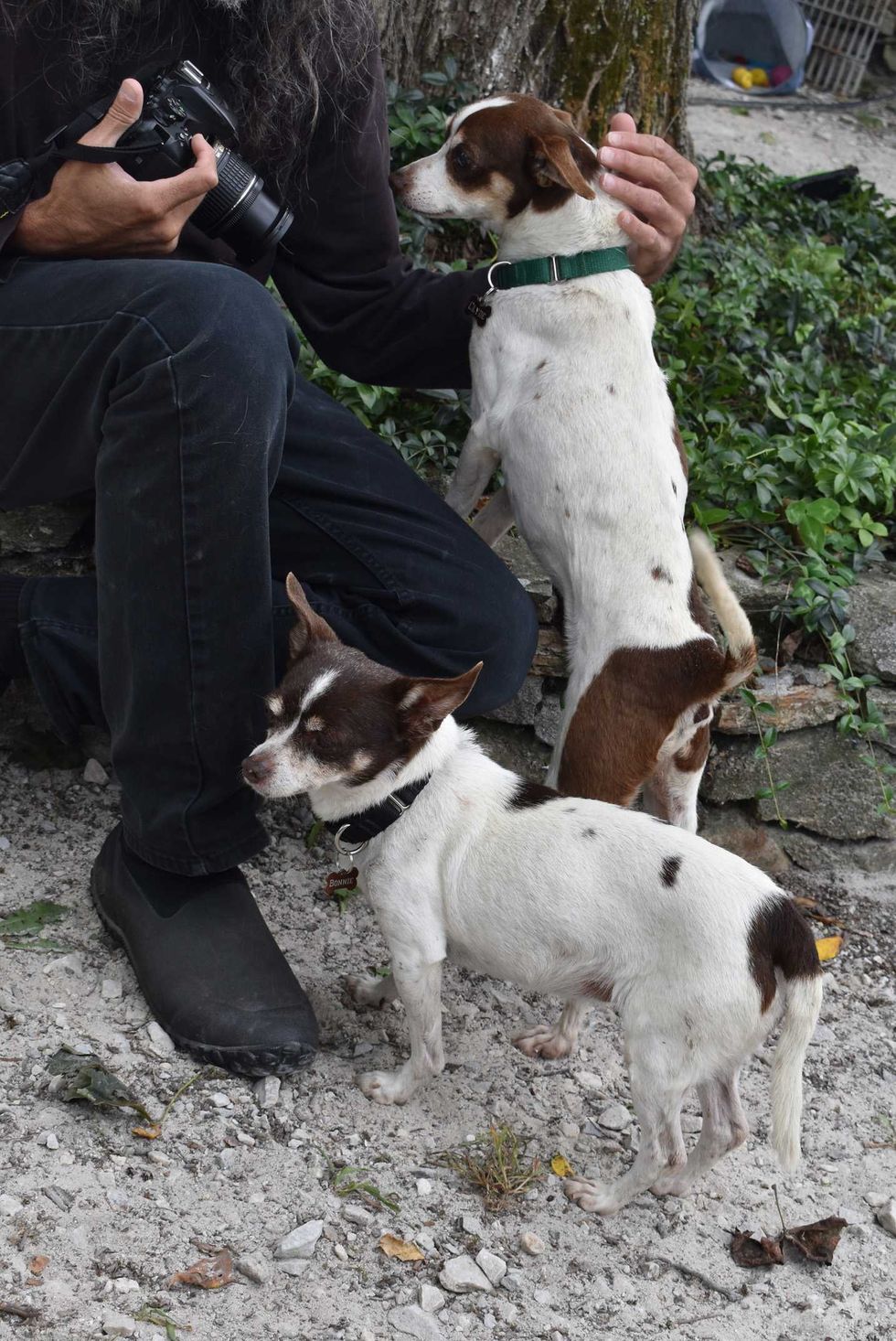 Bonnie and Clyde, an affectionate terrier pair.L. Tomaino
 Provided