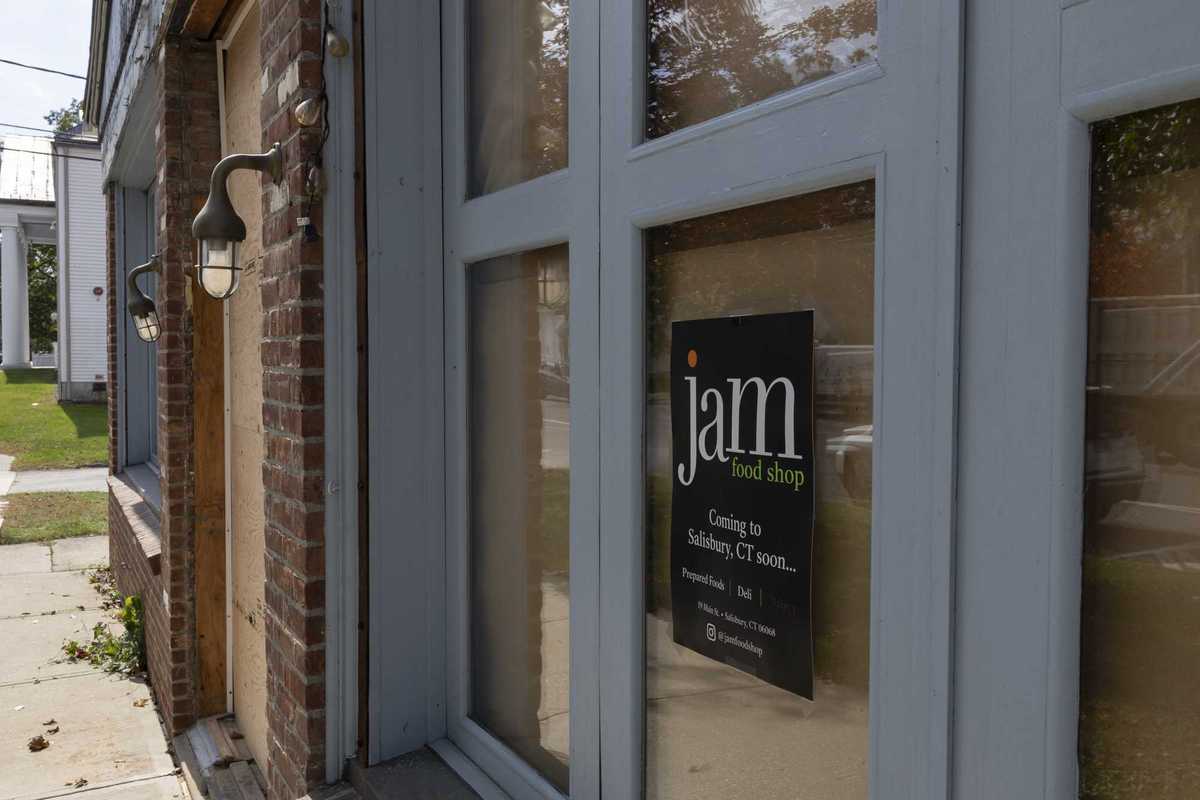
Salisbury’s Planning and Zoning Commission wants $65,000 for a part-time planning consultant. Curtis Rand, Salisbury’s first selectman, legitimately asks how he can justify $65,000 for town planning to voters concerned about the mill rate and paying higher taxes.
It is a fair question, and all Planning and Zoning commissioners have to get better at answering it. Here is my best shot.
According to the latest data I can find (2006), Salisbury had the third-lowest “equalized†mill rate in the state of Connecticut. In general, towns in the Northwest Corner have pretty much cornered the state market for low mill rates. Why? Because many people like to have second homes in the Northwest Corner. They often have expensive homes, pay high taxes and cost towns little because they rarely send their kids to local schools. Second homes are our major tax base. They are why our mill rates are so low.
Why do so many people like to have second homes here? The white sand beaches? The steel drums? The shopping? The casinos? Right. They come here for the quality of the land and the landscape, since it is the area closest to New York City that remains relatively unspoiled, and because they like our towns’ sense of community. Not spending money taking care of those things is probably the best way to see the second-homers leave for greener pastures.
Taking care of the land is like taking care of our roads. If we don’t spend enough on road maintenance, we will have major potholes in the roads in 10 or 20 years. If we don’t spend enough on protecting the land, we will have major potholes in our mill rates in 10 or 20 years. Our towns are all zoned for large lot residential sprawl. Sprawl is not a good thing to the second-homers who keep our mill rates low.
There is no town in Connecticut recognized for having succeeded in beating sprawl. If we are unwilling to pay for good planning, it is a pretty safe bet that our towns won’t beat sprawl, either, and the second-homers will leave.
If and when the recession is over, the new double-barreled Route 7 south of Kent will be finished and pointing right at us. It will cut travel times to our towns from the jobs to the south of Kent.
With good planning we could probably have smart growth and keep our second-homers and our low mill rates. Without good planning, we will probably have dumb growth. And then we will probably lose our second-homers and our low mill rates.
Patrick Hare is a housing and transportation planner and chair of the Cornwall Planning and Zoning Commission. The views expressed are his own. He can be reached at hareplanning@yahoo.com.





 Tiffany Lemelin, shelter manager, brushing Marsala upon arrival.Provided
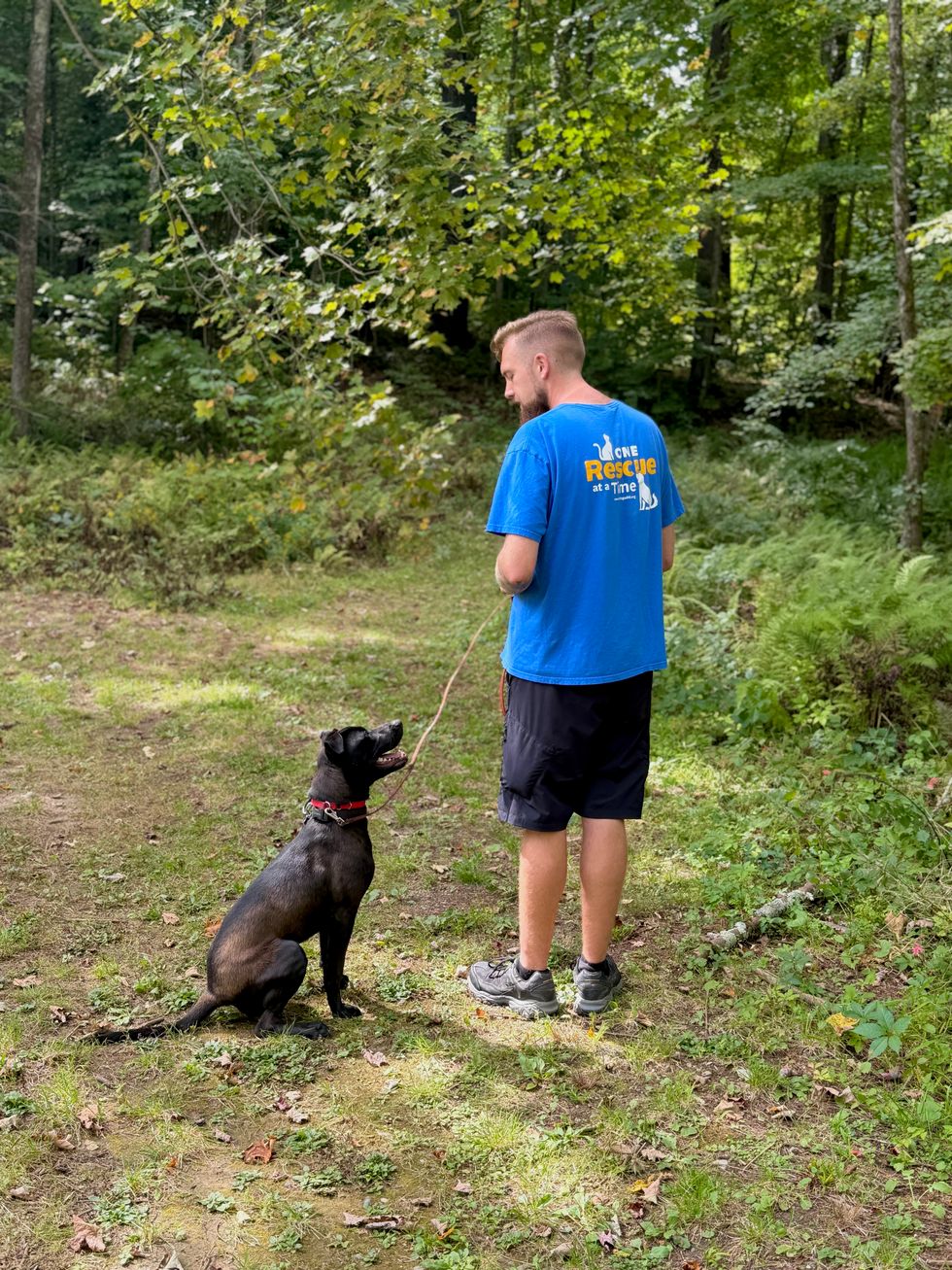 Michael DeBarba, certified dog trainer working with Marsala.Jennifer Almquist
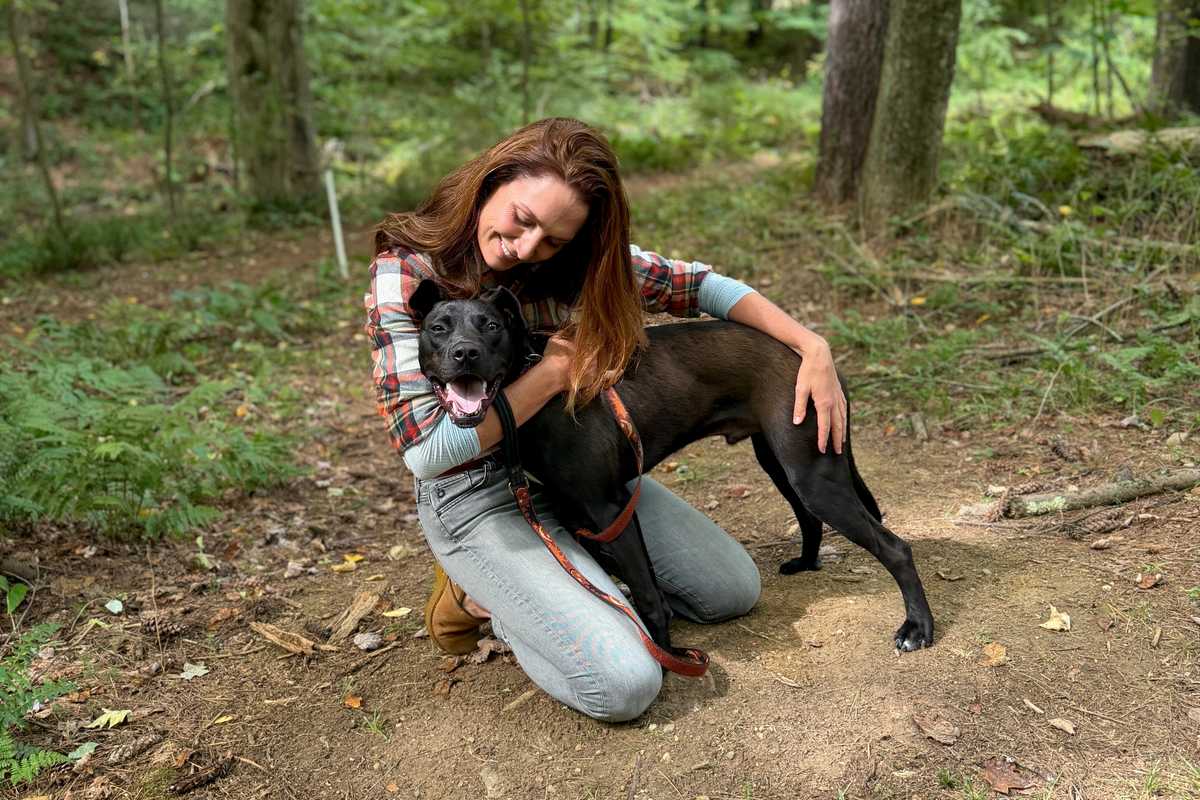 Marsala wins a heart.Jennifer Almquist