Love my gun,
I feel secure;
What a shame
I’m immature.
Don’t worry...if the Redcoats ever take another crack at recovering their lost colonies, we’ll be ready. Some 35 percent of our households sport guns, more than the total number of Brits — man, woman or child. Doesn’t that make you feel safe?
Unfortunately, though, that ancient violent era left us with an ambiguous constitutional provision that maybe allows any brain-disordered citizen to own a gun. And with this crazy Supreme Court, Lord knows the odds are good for that troubling rule to stick.
Surely today’s high-security lifestyle poses special hazards for all of us, and not just no-fly lists, false arrests, extraordinary renditions, phone-taps, Guantanamo and the like. Our archaic gun rules allowing citizens to feel secure also led to 29,000 deaths nationally in 2004, 173 of them in Connecticut.
We shoot each other at a world-record rate, with minorities bearing the brunt. Some young black males feel safer in jail than on the street and, of course, as a society, we are happy to oblige.
u u u
Other nations lack our history of musket-based uprisings, gun-toting frontier life,and preoccupation with violent home invasions. Consequently, they permit far fewer guns, thus vastly reducing tragedies like Columbine, Virginia Tech, other famous massacres, and our fabled day-to-day firearm mayhem. Sort of makes you wonder what those countries show on TV.
Anyway, in this country ambivalence rules. Not only is the Constitution coy about the right to own, but owners are supremely organized. And makers and dealers, in turn, support these owners financially. They advertise openly in the paper and lobby militantly in Hartford.
Meanwhile, innocent folks get shot while law-abiding gun-toters provide political cover for the crooks and drug dealers who cruise in their wake.
u u u
Luckily, mitigating solutions are not hard to devise. They’re just hard to pass. Even today, a bunch of afflicted mayors is on the case of Congress, legislatures and police departments to tighten their rules.
Speedy reporting of guns “stolen� from dealers would be a good start. So would background checks on buyers and employees, especially at gun shows. No Ph.D. is required to think up rules like that — just gumption. How brainy does a lawmaker need to be to prohibit sales to buyers with a history of mental illness?
Just now, the talk within the trade is of a high-tech proposal to make guns leave behind an imprint on the cartridges they fire. Another gambit would require all bullets to carry a code number to help out with tracing. Such ideas would surely carry a big price tag and further strain police manpower. Still, if the Big Court rules that anyone can own a gun, expensive steps may be necessary.
u u u
But setting aside the hardware for a moment, we ought to take a closer look at our complicit culture. We’re a violence-prone society. Consider our movies, or video games, or rap lyrics. Contemplate our military invasion of other countries, or our mindless war on drugs. Remember, too, our corporate-ruled economic system that is busily driving more and more Americans into poverty.
With such fertile soil to nurture them, young toughs may be less alien to firearms than in other lands. Congress’ new statute outlawing sales to the mentally ill is a reasonable response to one tragic symptom of this social dysfunction, but it’s only a tiny start.
Battles over drug turf are probably the biggest cause of shootings, while video games help make them more socially acceptable. Now, those are a couple of real issues into which Congress could sink its teeth.
Columnist William A. Collins is a former state representative and a former mayor of Norwalk, Conn.



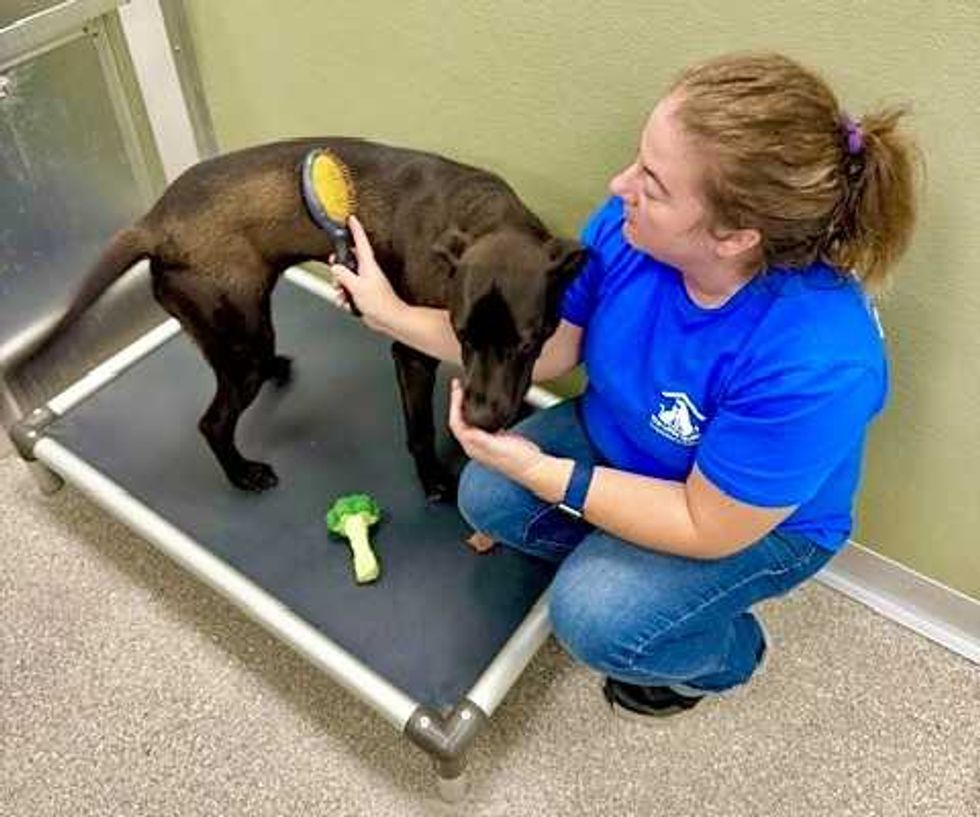 Tiffany Lemelin, shelter manager, brushing Marsala upon arrival.Provided
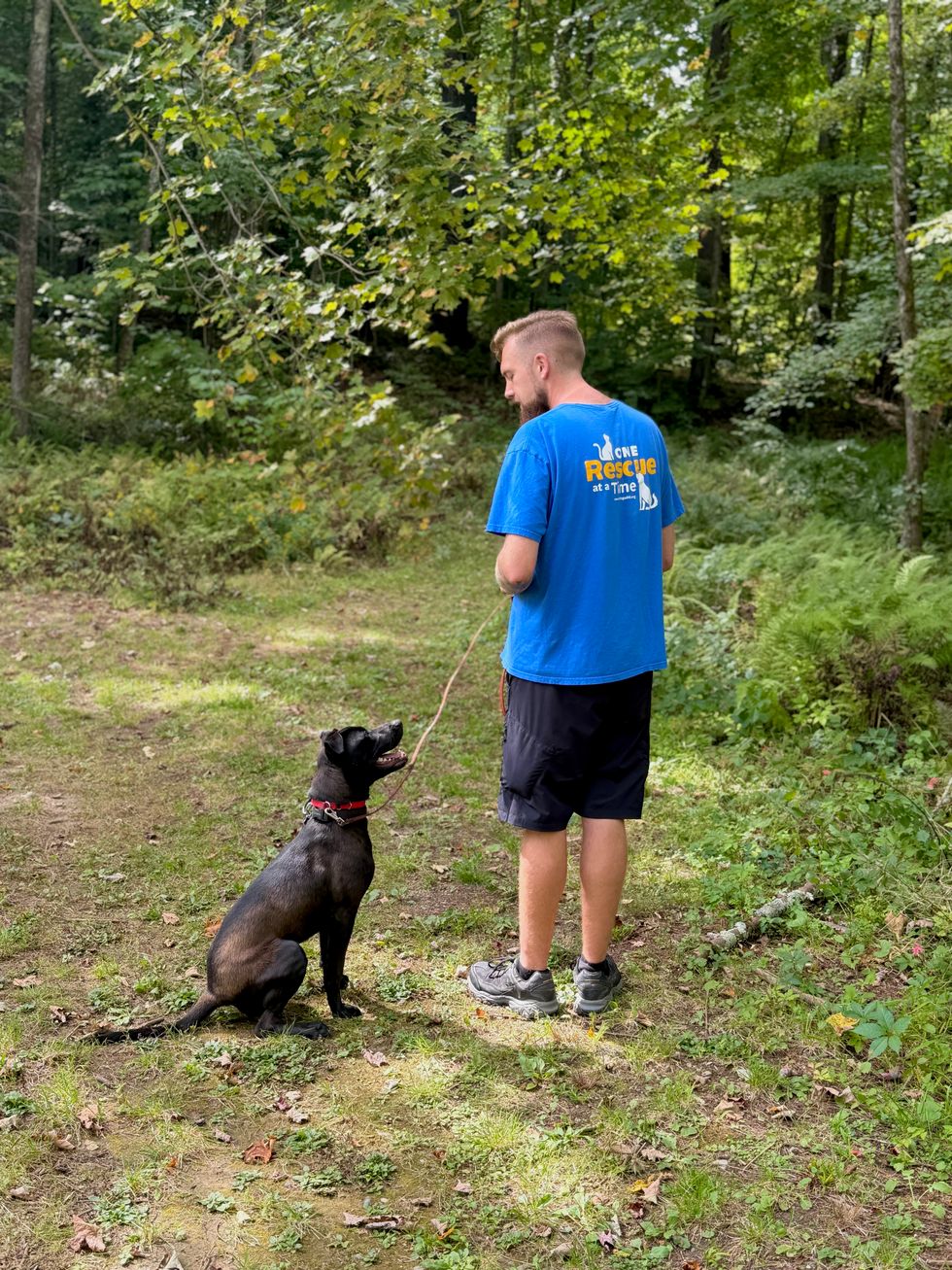 Michael DeBarba, certified dog trainer working with Marsala.Jennifer Almquist
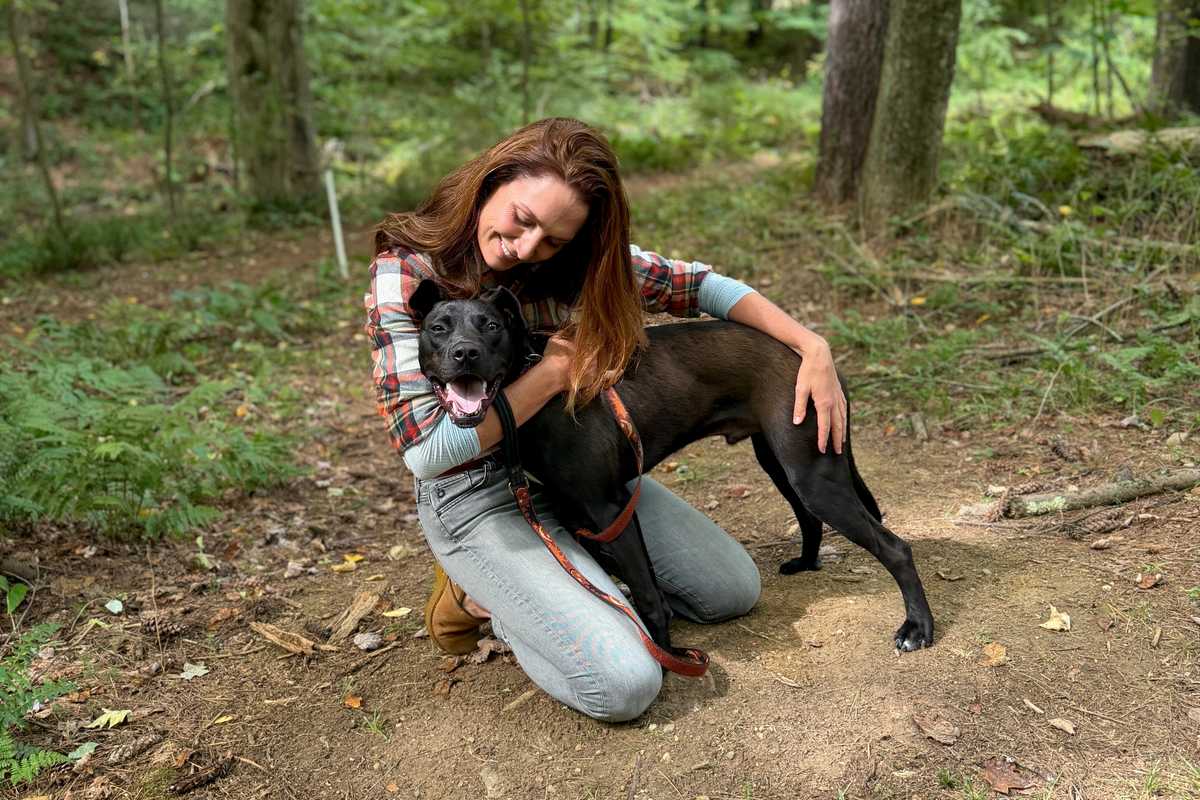 Marsala wins a heart.Jennifer Almquist

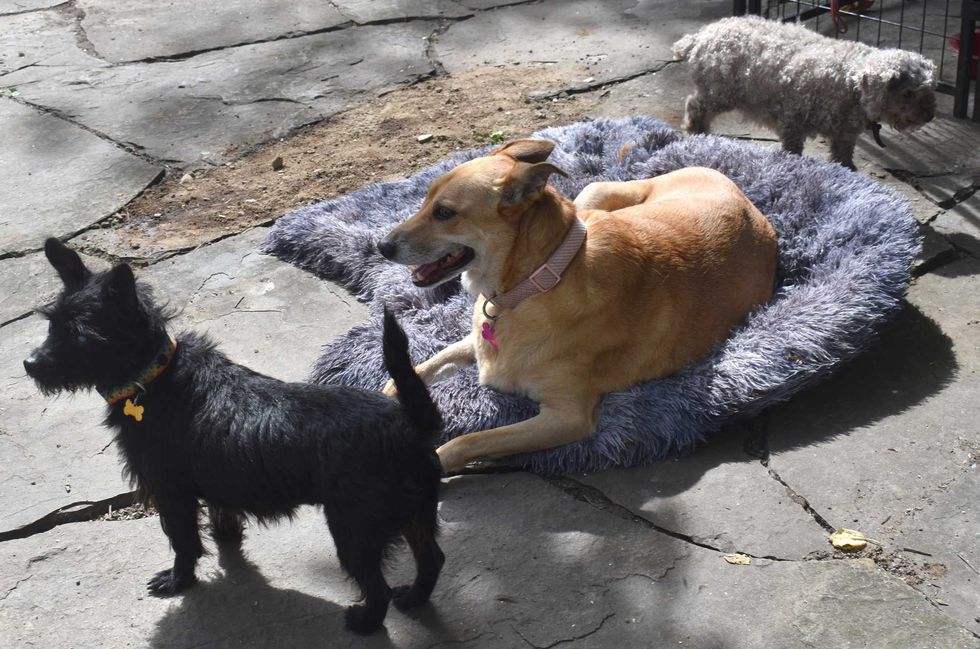 Sadie, center, a Carolina dog, plays with her friend Negra, a terrier mix. Bella Linda, the small poodle, has since been adopted.L. Tomaino
 Wesley, a young, exuberant mix, is looking for an active home.L. Tomaino
 Bonnie and Clyde, an affectionate terrier pair.L. Tomaino

 Provided