FALLS VILLAGE — The Region One Board of Education heard from Scott Fellows, chairman of the math department, on developments in math instruction during the regular monthly meeting Monday, Jan. 3.
Fellows said that math students at Housatonic Valley Regional High School, as part of a larger effort to increase writing across the curriculum, are “solving real world problems and reporting in a variety of formats,� including lab reports and e-mails.
He also said the system of “formative assessments� — evaluations that allow teachers to identify quickly students who need extra help — are proving effective.
He cited the example of an algebra II student that day. The student’s difficulty was identified, he received the additional help and was all set in 20 minutes.
“The teacher response time is fast,� said Fellows.
He also told the board of two major changes coming — one, a change in the state’s “common core standards� beginning in 2015.
Fellows said his department would work closely with the six elementary schools in the district to make sure students are prepared for the appropriate tests. The six regional towns are Falls Village, Sharon, Salisbury, Kent, North Canaan and Cornwall.
The state is also beefing up graduation requirements in math, requiring four years instead of the current three, starting in 2018.
Students will be required to take algebra I, geometry and algebra II plus one other course.
For those students who would not be inclined to take a fourth year of math, “in the course of the next few years we will be proposing new courses — financial math, the history of mathematics.�
Fellows also reported on the freshman seminar class he co-teaches with Lisa Carter from the social studies department.
The freshman seminars are designed to help students adjust to high school and to provide them with extra guidance, encouragement and monitoring in all aspects of school life, not just academics.
One feature of the program helps students develop a personal 10-year plan. “We’re finding the students are very willing to have conversations about what they want to do,� said Fellows.
For example, he continued, “Today we talked about ‘what does it cost to be a grown-up?’�
The discussion covered the cost of rent and utilities and moved from that to mortgage payments and what kind of income is required to make ends meet.
The teachers keep track of their freshmen, Fellows added. “We ask them if they got their homework done.�
When the first marking period grades came out, the freshman seminar teachers met individually with the students. “We came up with a plan for the next six weeks. ‘Let’s get those Cs to Bs.’
“The kids are responding well.�
Robotics team news
The board approved a request from robotics coach Andy Brockway for the $2,475 stipend that is normally attached to the job. Region One Business Manager Sam Herrick said the omission was an oversight and recommended the payment be made from the 2010-11 budget.
Assistant Superintendent Diane Goncalves pointed out that Cindy Fuller works with the robotics team for nothing and has to take personal days to make the trips. She recommended the board consider compensation for Fuller in the future.
The robotics team will be going on two field trips this spring: to the Finger Lakes Regional competition in Rochester, N.Y., in early March, and to the Hartford Regional March 30 through April 2.


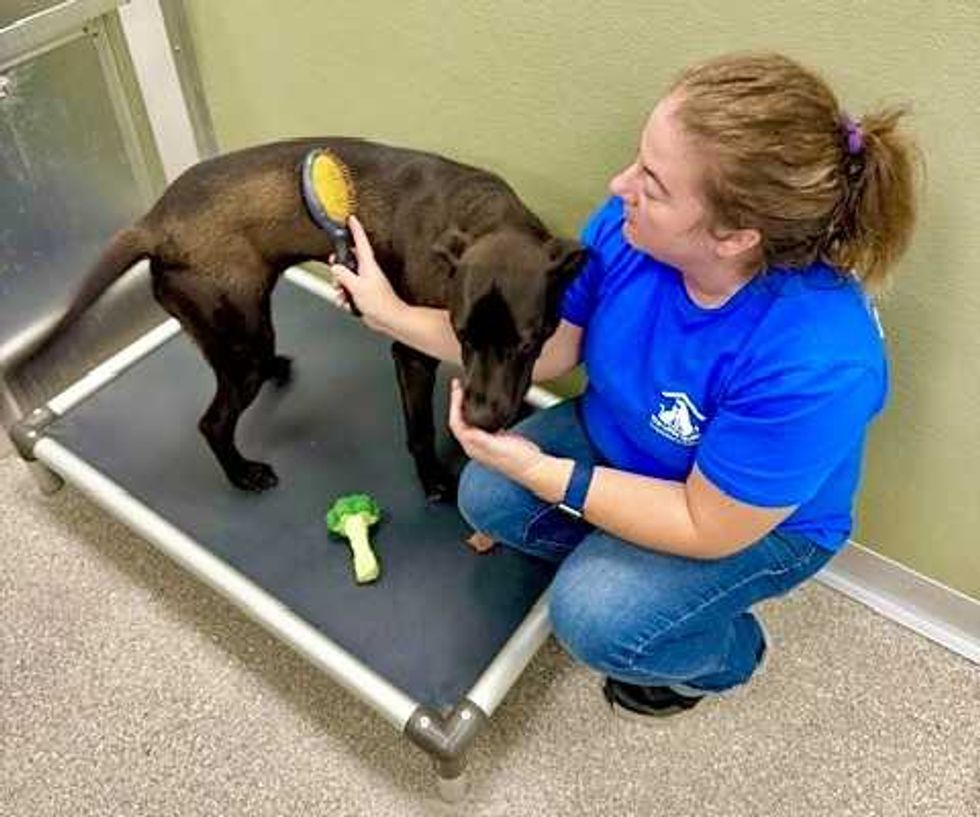 Tiffany Lemelin, shelter manager, brushing Marsala upon arrival.Provided
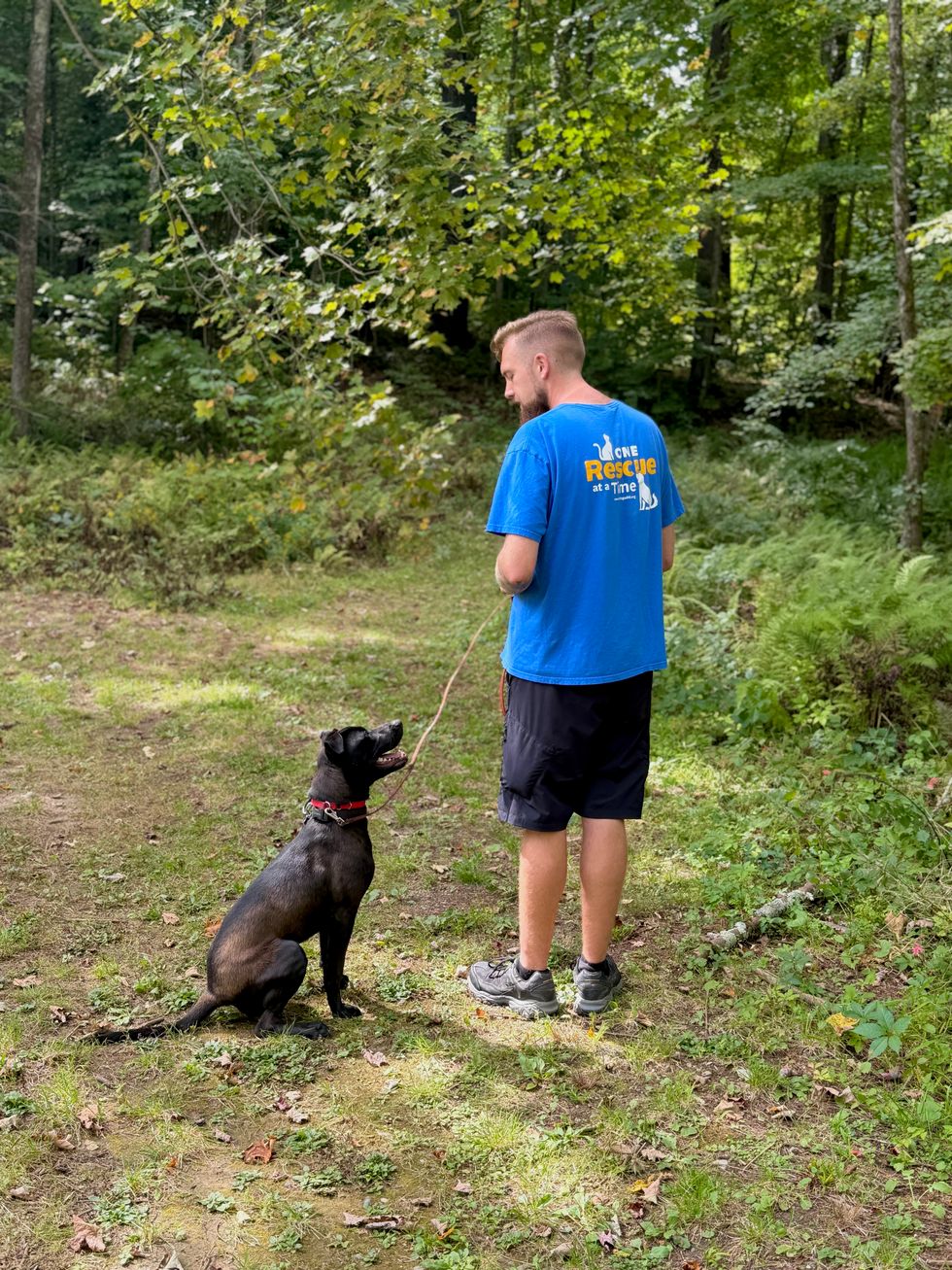 Michael DeBarba, certified dog trainer working with Marsala.Jennifer Almquist
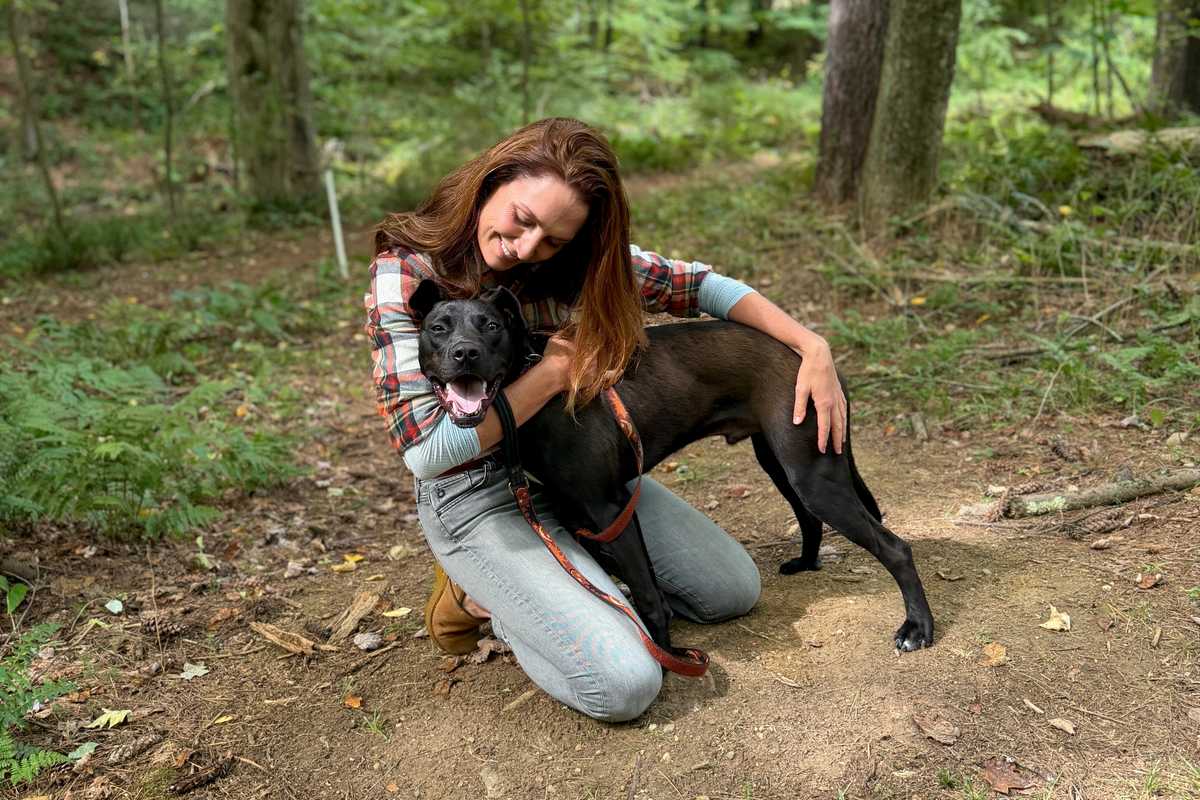 Marsala wins a heart.Jennifer Almquist

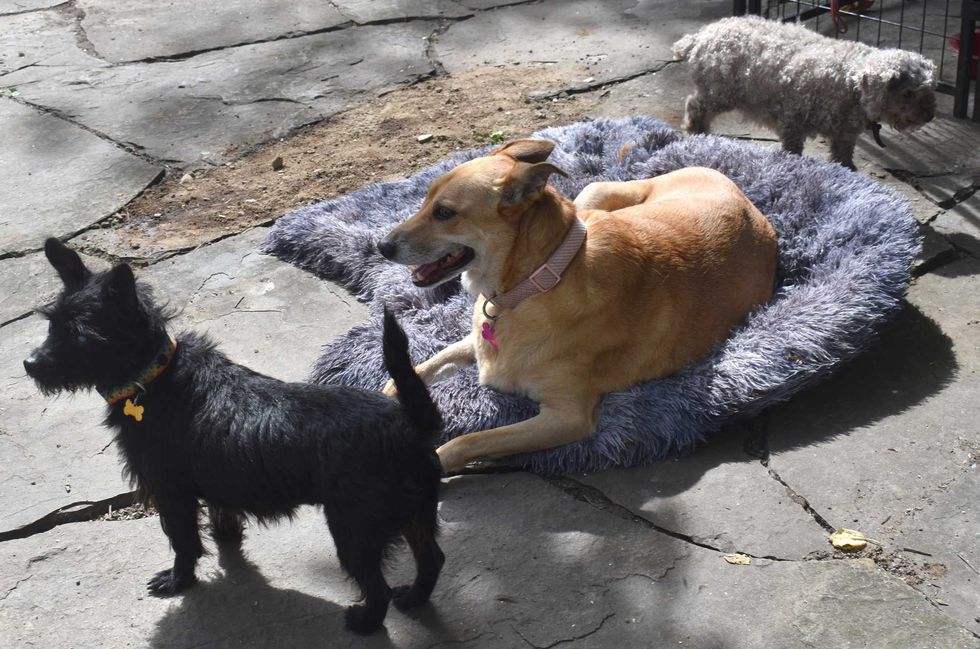 Sadie, center, a Carolina dog, plays with her friend Negra, a terrier mix. Bella Linda, the small poodle, has since been adopted.L. Tomaino
 Wesley, a young, exuberant mix, is looking for an active home.L. Tomaino
 Bonnie and Clyde, an affectionate terrier pair.L. Tomaino
 Provided