LITCHFIELD — Northwest Hills Council of Governments (COG) appointed Daniel Jerram as the board’s new leader, who got straight to work at the first meeting of the new board Thursday, Dec. 14.
Jerram, first selectman from New Hartford since 2009, replaced Henry Todd as COG chairman. The board also welcomed seven new members at this meeting after an eventful election cycle in the Northwest Corner.
Brian Ohler (North Canaan), Marty Lindenmayer (Kent), Dave Barger (Falls Village), Casey Flanagan (Sharon), Nick Lukiwsky (Barkhamsted), Bradley Bremer (Colebrook), and Bob Geiger (interim town manager for Winsted) were seated on the COG to represent their respective towns.
Two new COG staff members were introduced Dec. 14 as well: Rista Malanca, new director of community and economic development; and Jean Speck, former COG member from Kent and new senior regional planner at COG.
Following introductions, representatives from MIRA Dissolution Authority addressed the board on the future disposition of transfer stations.
On June 30, 2027, Connecticut’s trash-to-energy facility in Hartford will no longer process municipal solid waste. This will leave 12 COG towns with nowhere to send their garbage.
“July 1 of 2027, the towns will be on their own,” said Bert Hunter, chair of the MIRA Dissolution Authority board. “The towns that were left behind are basically the towns here in the Northwest Corner and the towns in the Southeast.”
The two remaining transfer stations in the state that use MIRA to process waste are in Torrington and Essex.
“When June 30, ‘27 comes, towns will have to have, through their process, selected a new facility or operator and be able to take over at that point,” said chief financial officer Mark Daley.
COG members expressed frustration with the process and noted the state’s lack of support on this issue. Daley stated there is approximately $55 million available to put toward the dissolution and transfer of services, but that is primarily expected to be used to remediate the 80 acres in Hartford on which the plant sits.
“I feel like I’ve been whipped around by the legislature,” said Curtis Rand of Salisbury. “We need long-term security. We can’t possibly manage this way.”
“This is our number one issue,” said Jerram. “It’s fourth quarter, people. And it’s not looking good because we’re down three touchdowns.”
Jerram moved the solid waste problem to “the front burner” and looked to solve the issue at a regional level through the COG.
“Is this Council of Governments a qualifying agency to take on ownership of the Torrington transfer station?” Jerram asked Daley.
“Yes, I don’t see why not,” Daley responded.
Jerram then asked if part of the $55 million could be used for a phase two site assessment on the Torrington transfer station.
“We’re not at that stage,” said Daley.
Jerram then suggested COG form a special committee to determine if purchasing the Torrington transfer station is a viable option.
“I think the bylaws need to be reviewed quickly and efficiently to move forward and then we need to consider as a group whether to pursue the Torrington site,” said Jerram.


 Pay Bill for Robin Starr’s service in the Continental Army.Courtesy the Alex Breanne Corporation
 John Mills speaking at Quinnipiac University.Courtesy the Alex Breanne Corporation
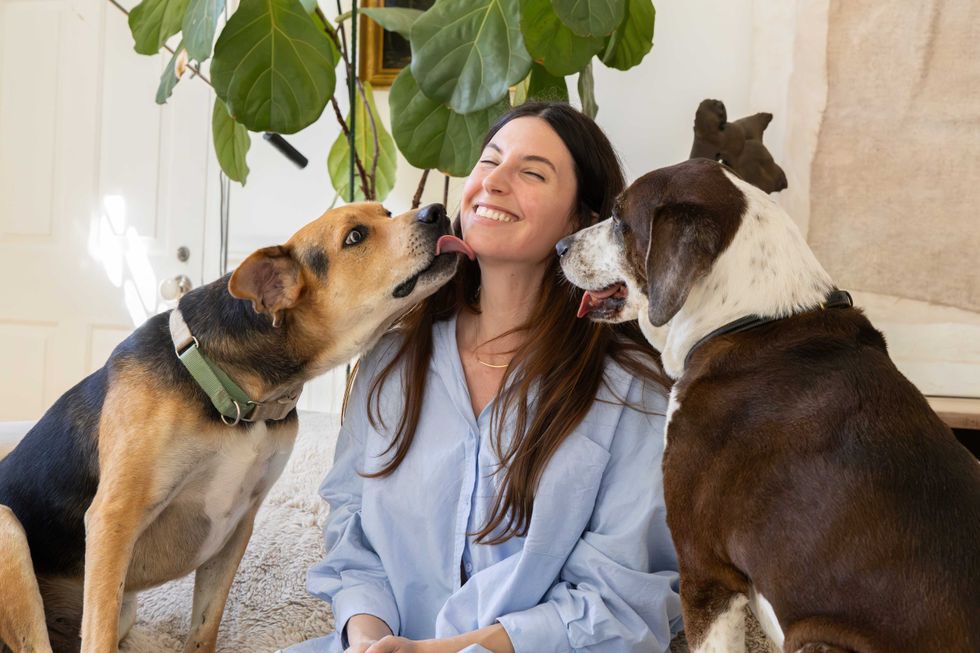 Stephanie Saetta,with her rescue dog George and Blue (left), a shepherd mix awaiting his forever home.Madi Long
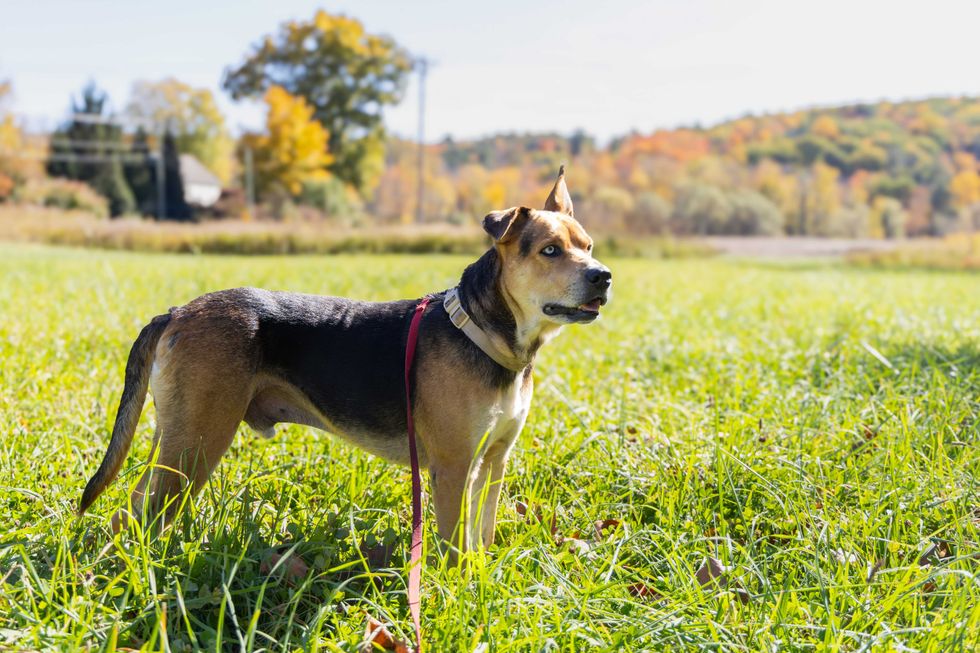 Blue, a 7 year-old Shepard mix, is waiting for his forever home. Madi Long