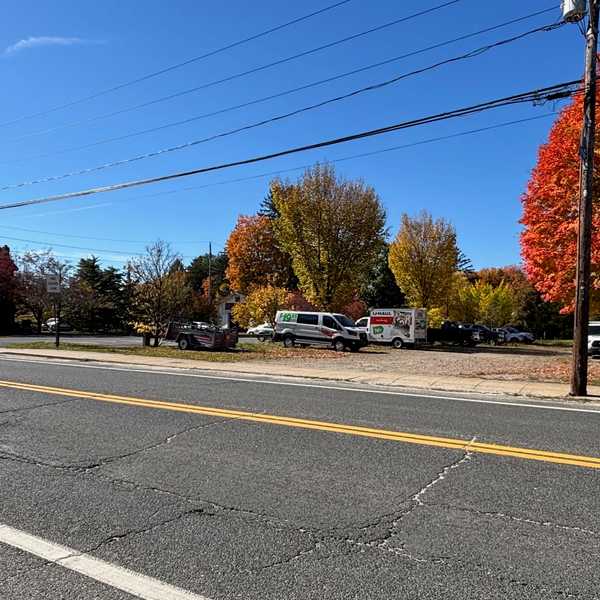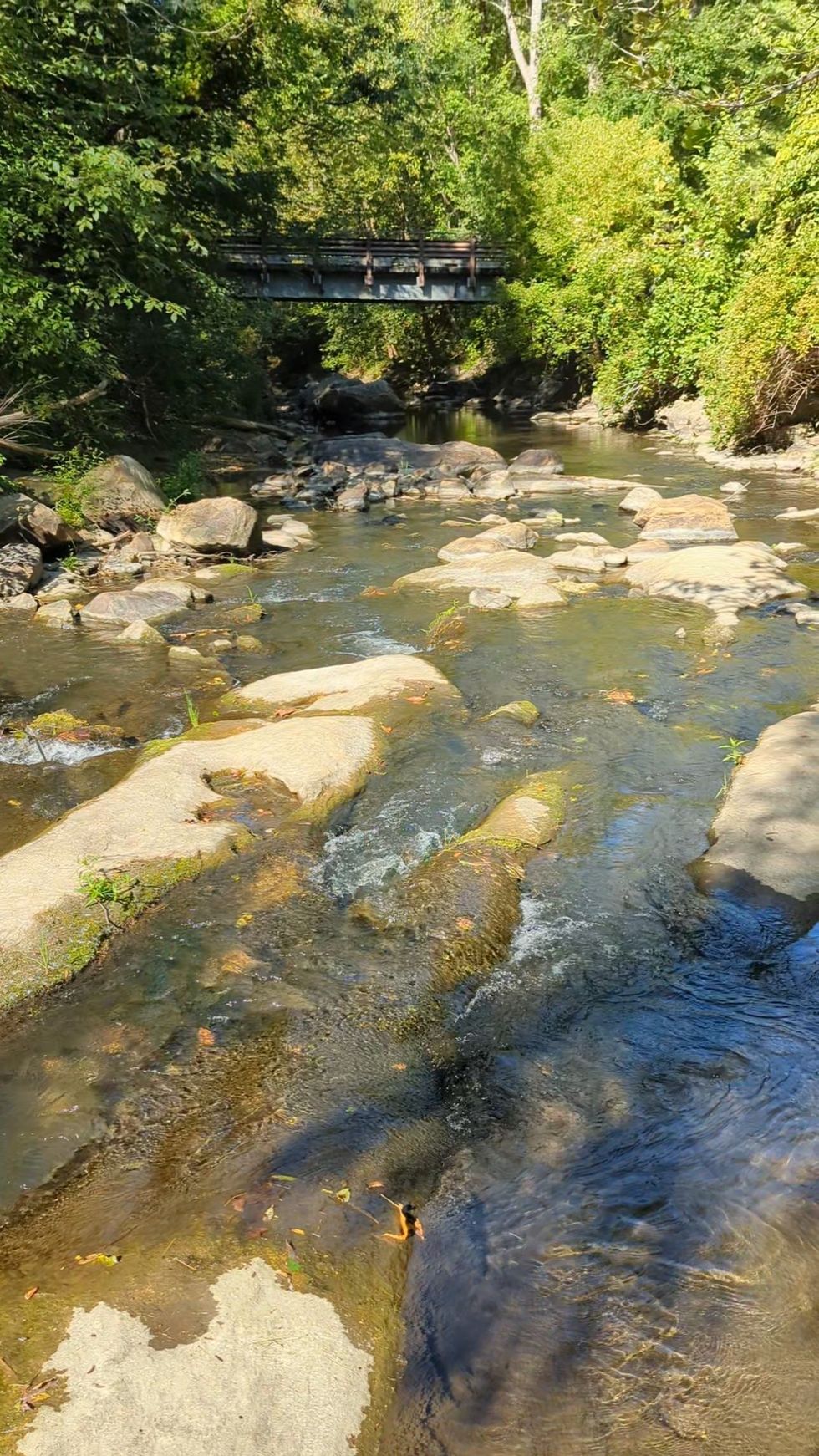
A summer of high temperatures and unusually low rainfall left the Northwest Corner in severe drought during the months of August, September and early October.
Area experts reported failing crops on farms, reduced landscaping activity, and exacerbated forests as trees struggled to recover from defoliation by Spongy moths in the spring.
Joan Nichols, executive director of Connecticut’s Farm Bureau, detailed the challenges farmers experienced as a result of the drought.
“Some dairy and poultry farmers have had to ship water in, with others pulling water from the municipal water systems because their wells have gone dry,” said Nichols.
The effects of a severe drought can linger into the following season, hindering farmers as they prepare for next year.
“Hay production [was] way down,” said Nichols. “Many farmers [were] unable to get a second cutting in.”
Compounding stress factors have placed increased strain on wildlife and agriculture year after year. Whether it was caused by floods in 2021, spongy moths in spring 2022 or a late summer drought, the resilience of nature has been repeatedly put to the test.

 Pay Bill for Robin Starr’s service in the Continental Army.Courtesy the Alex Breanne Corporation
 John Mills speaking at Quinnipiac University.Courtesy the Alex Breanne Corporation
 Stephanie Saetta,with her rescue dog George and Blue (left), a shepherd mix awaiting his forever home.Madi Long
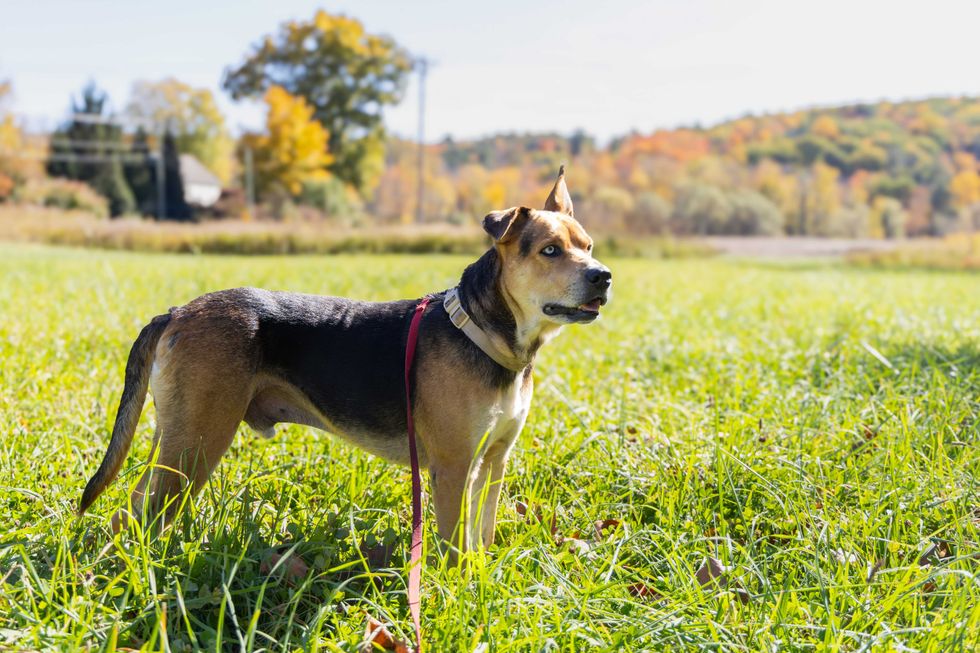 Blue, a 7 year-old Shepard mix, is waiting for his forever home. Madi Long