There is something magnificent about a new field of unblemished snow. Animal tracks across the vista do not detract, but rather add to the beauty. Human footprints, somehow, just seem to mess it up. The deer or fox prints are dainty by comparison. Our great, blundering trail just looks wrong.
When I was a kid, I lived in suburbia, where everybody had a smallish yard, which, when it snowed, became your own little snowscape. People there seemed to take a perverse delight in tracking through every patch of clear snow, even if it meant walking across someone else’s yard. An untrammeled patch of ground lasted about 15 minutes after a snowfall before it became ugly. It got so that you would hurry outside and track it up yourself just so someone else didn’t violate your space first.
This owning property was new to us. We had always been renters in city apartments. There was a lot of territory marking and boundary delineation in suburbia. We built fences and planted hedges to make it clear where our land ended and yours started.
Little kids would order each other off their respective properties, threatening to call the cops and have them arrested for trespassing. This was a serious threat. Former city dwellers, like immigrants from third world countries, have an innate distrust of police in particular, and officialdom in general.We always think it is better to not get involved with them. The Godfather capitalized on this when he offered “protection� to his neighborhood.
I don’t see this so much around here. Maybe it’s because the lots are bigger and a couple of inches more or less is not such a big deal. Oh sure, the markers are in the ground, to be found somewhere for when you sell or buy property, but they are quickly overgrown again once the new owners have settled in.
Maybe it also has to do with the fact that every square inch has not been developed to death (yet), which gives even tiny lots an exaggerated value.
To get back to our tracks, even our big human trails are oversized, disruptive, smelly and dangerous slashes through the landscape. When’s the last time you heard of a human run down by a deer while crossing a deer trail? Half the time you don’t even know you are crossing one.
Our trails change the land, sectioning it off into new, unnatural zones while rain-proofing vast expanses of ground and mixing the runoff with oil and bitumen, to say nothing of salt in the winter, all for the sake of a smooth ride.
I have to run now. That neighbor cat is in my yard again.
Bill Abrams resides (and stomps around in the snow with his dog, Zack) in Pine Plains.

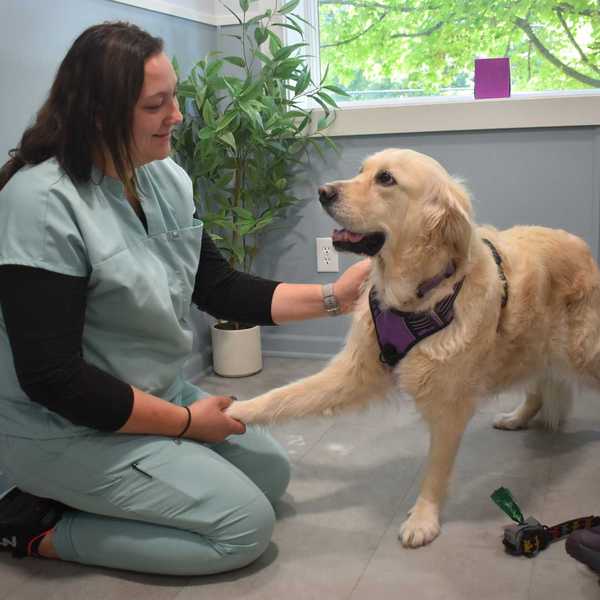
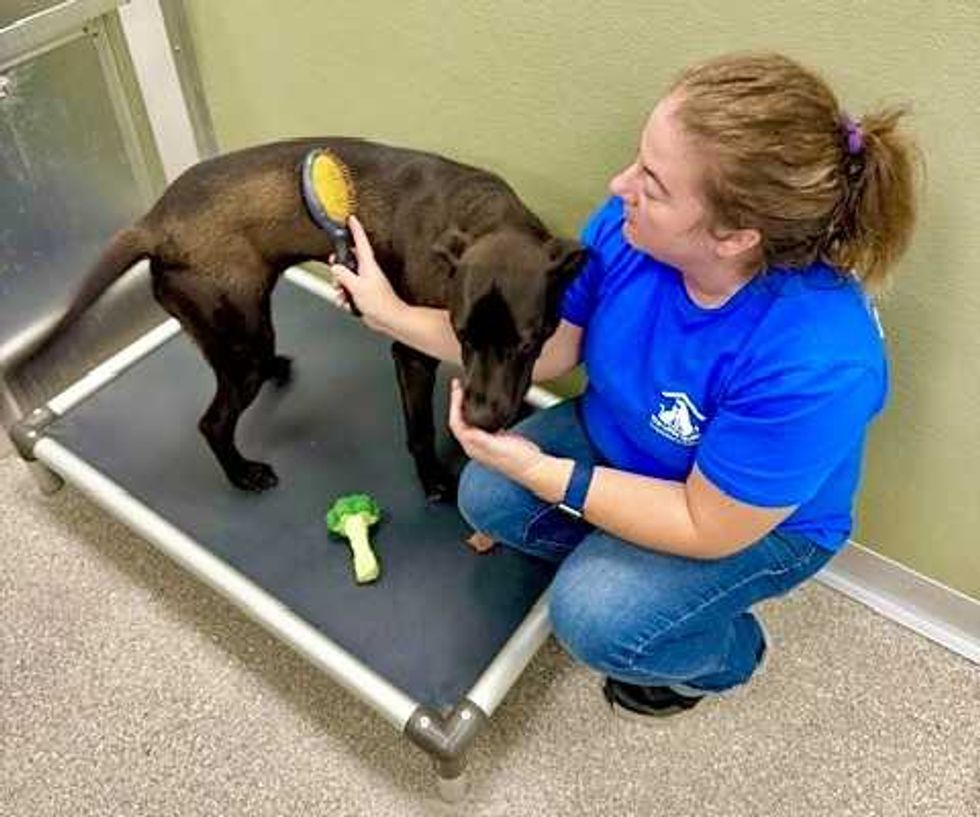 Tiffany Lemelin, shelter manager, brushing Marsala upon arrival.Provided
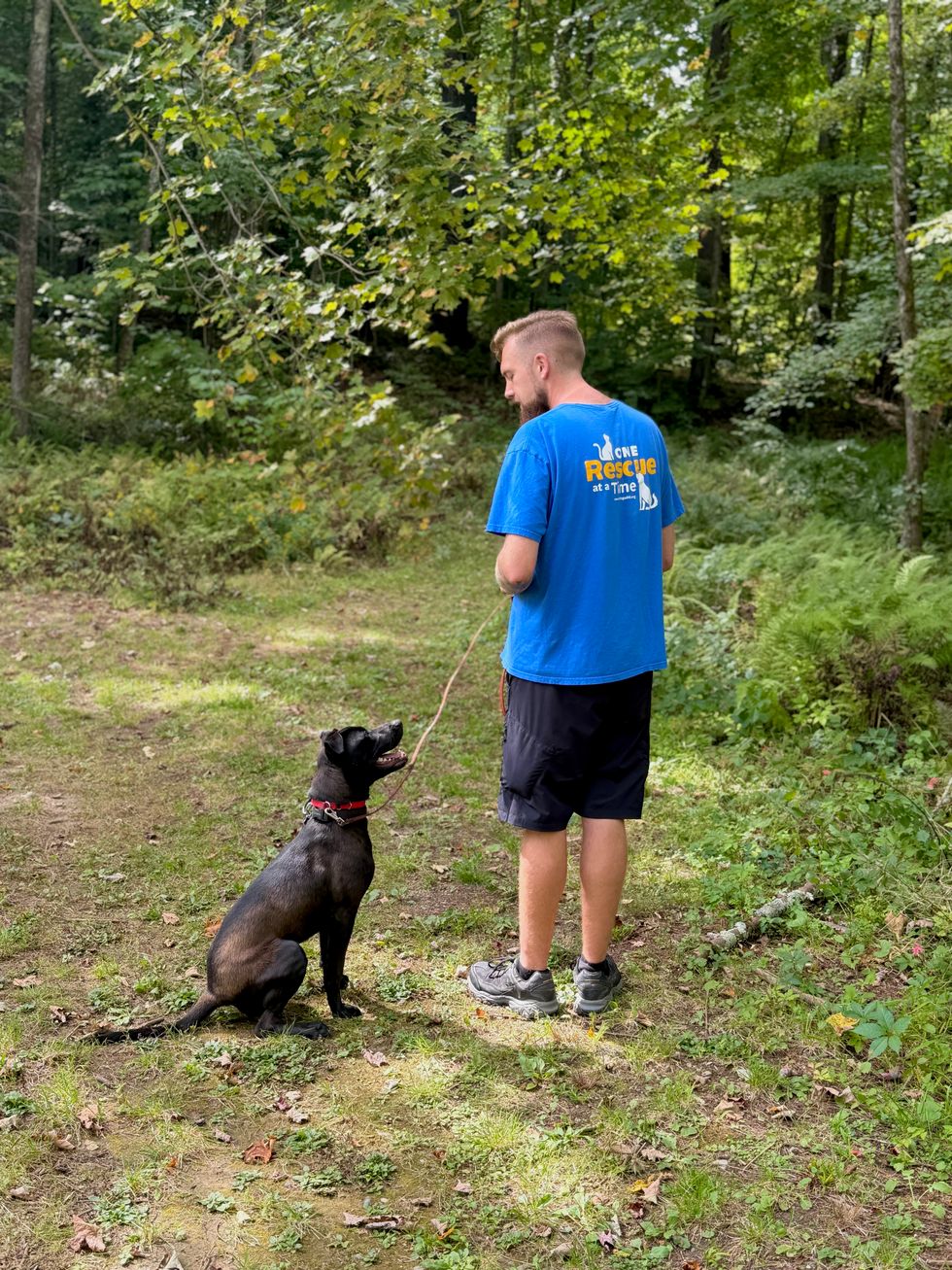 Michael DeBarba, certified dog trainer working with Marsala.Jennifer Almquist
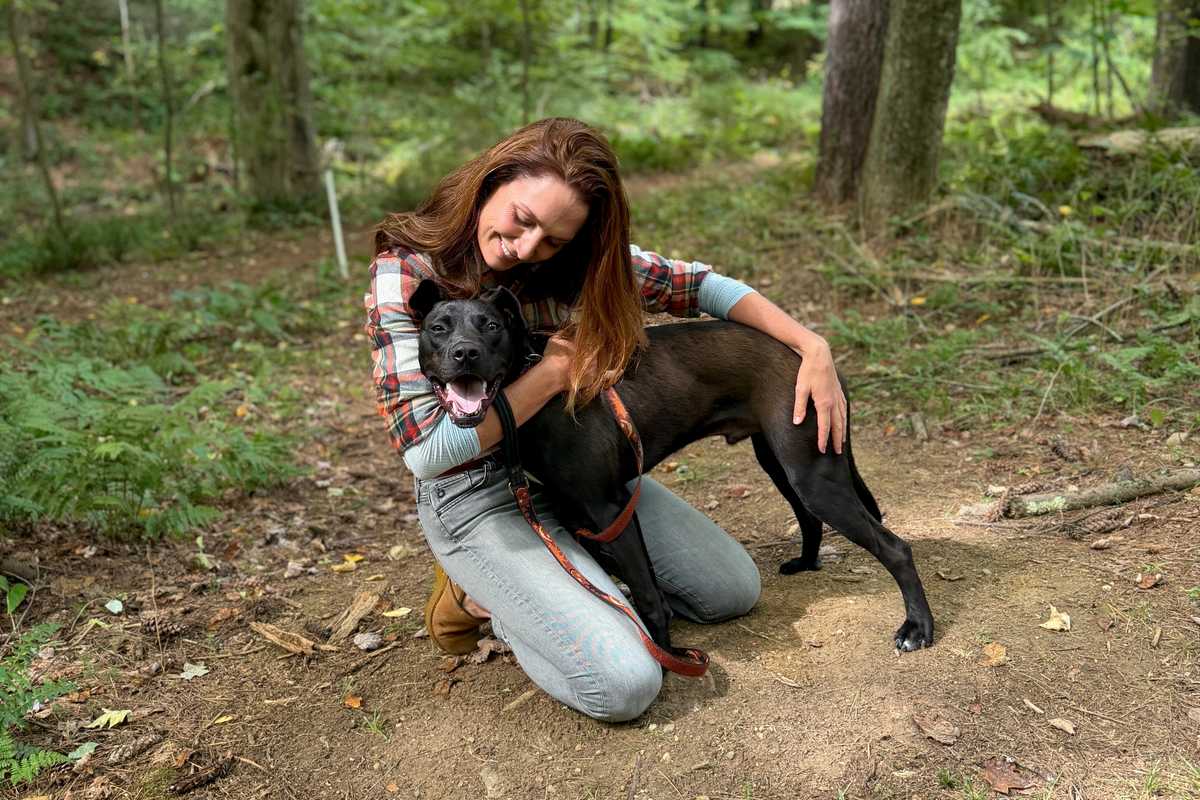 Marsala wins a heart.Jennifer Almquist
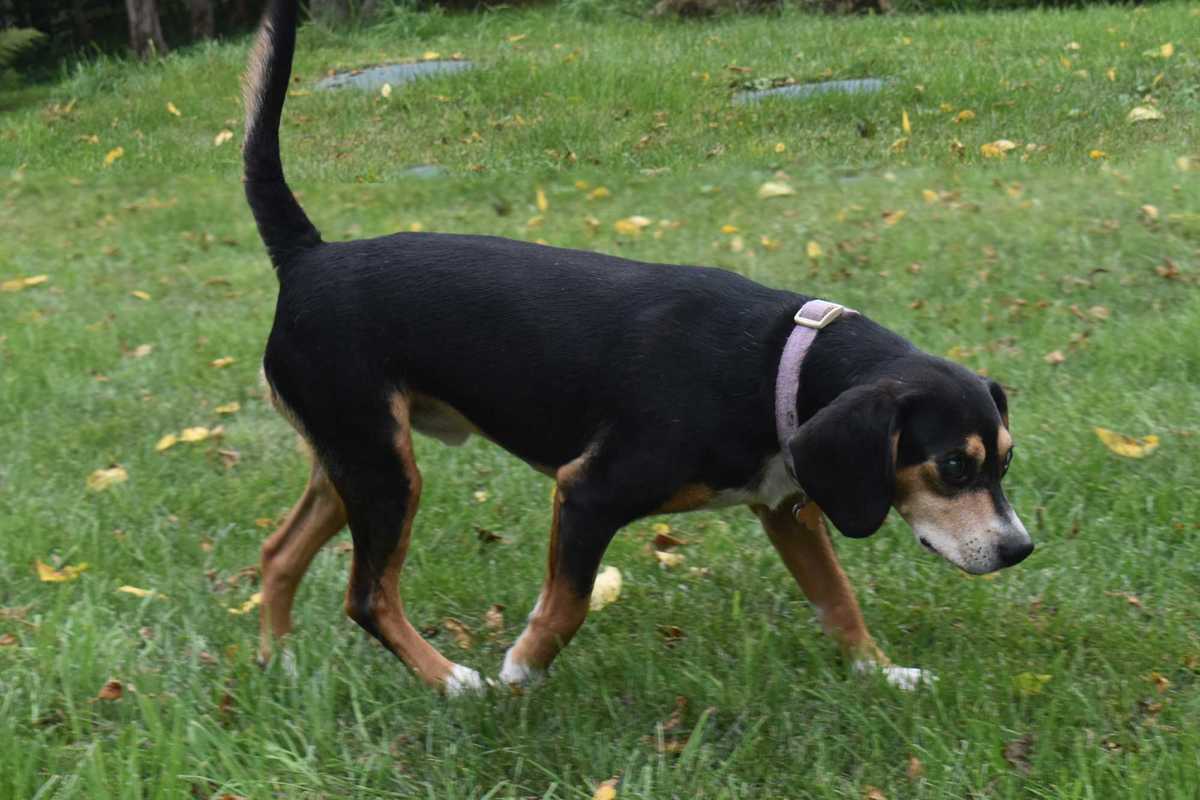
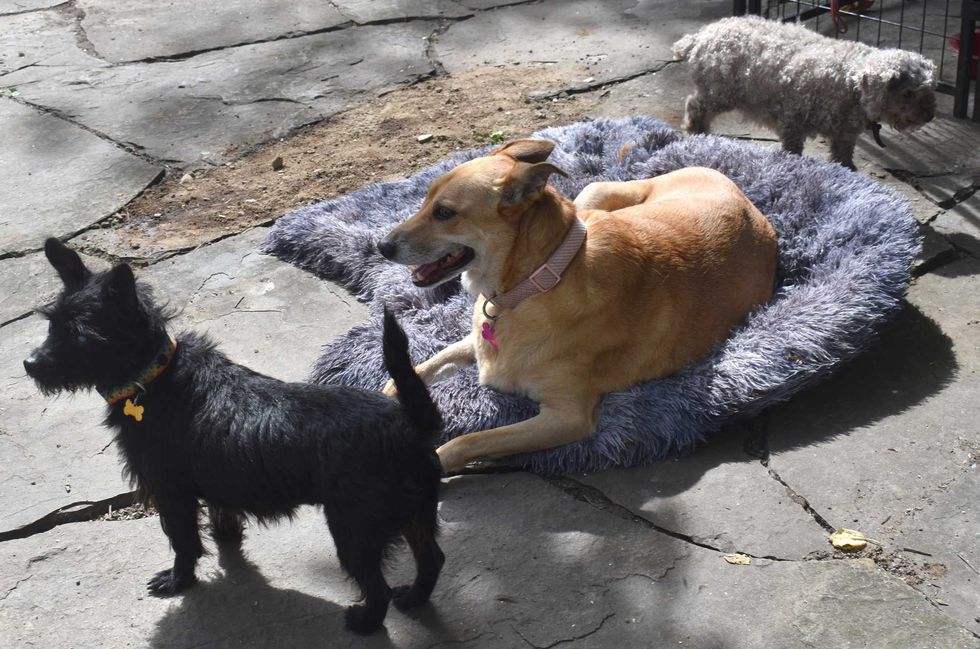 Sadie, center, a Carolina dog, plays with her friend Negra, a terrier mix. Bella Linda, the small poodle, has since been adopted.L. Tomaino
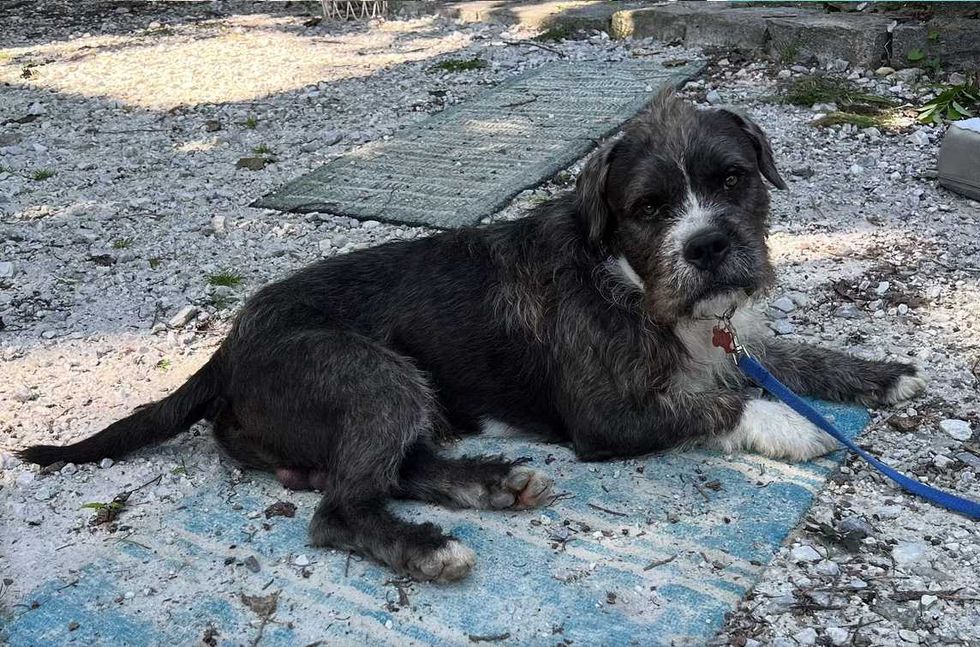 Wesley, a young, exuberant mix, is looking for an active home.L. Tomaino
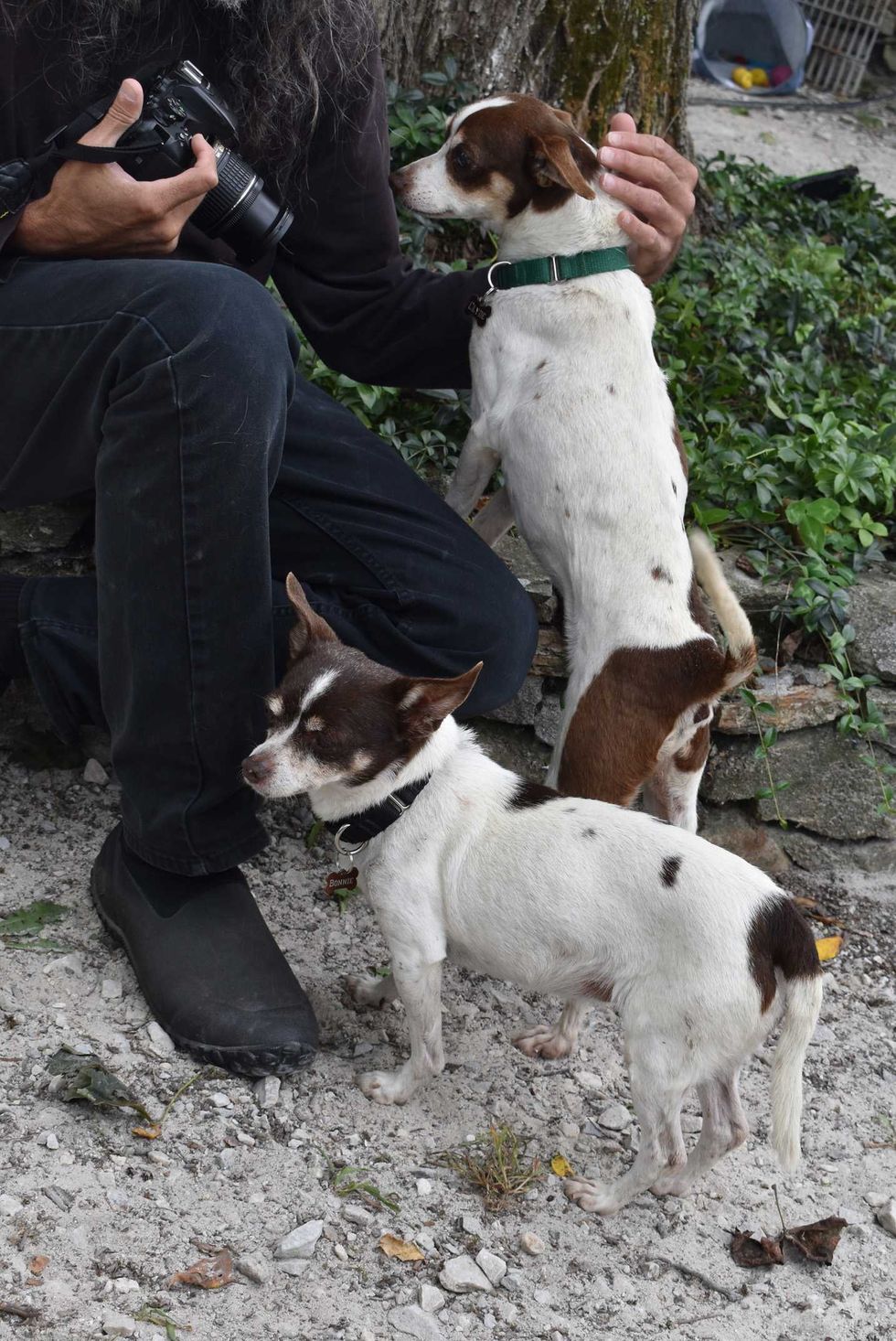 Bonnie and Clyde, an affectionate terrier pair.L. Tomaino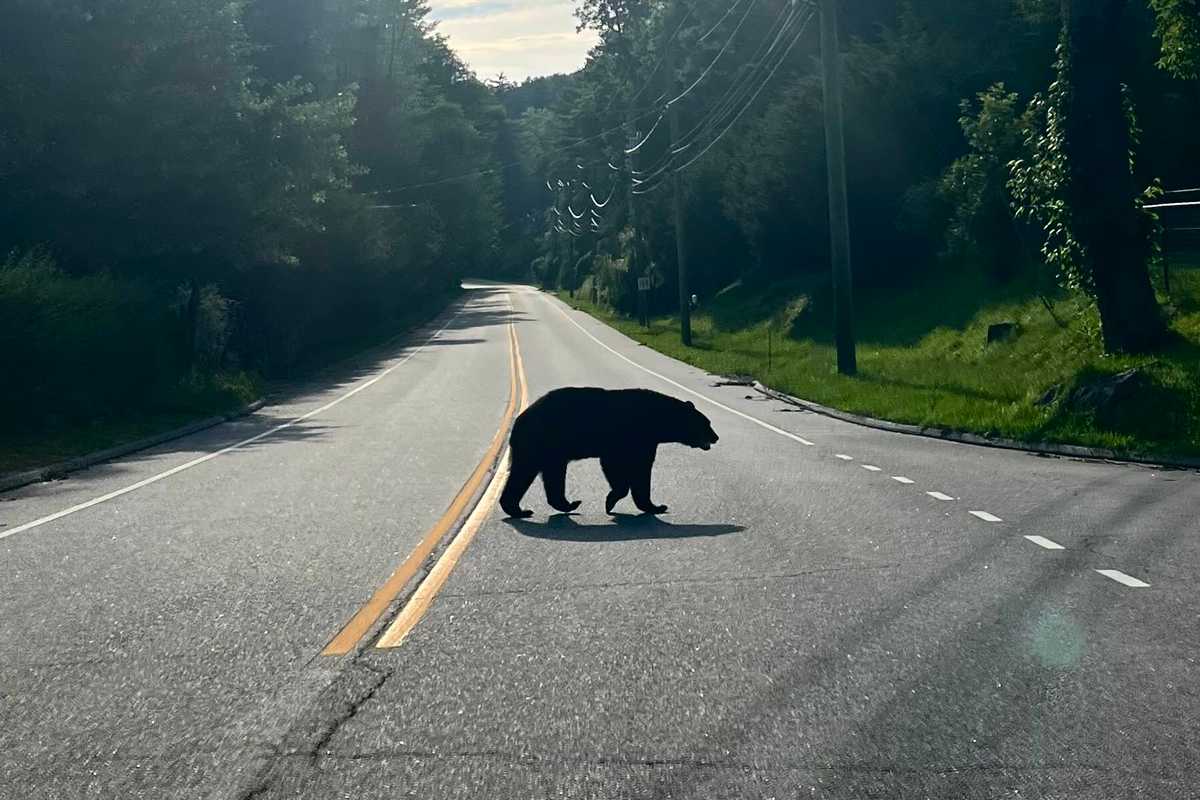

 Provided