Now what? That’s the question mental health providers are asking as the fallout of Gov. Andrew Cuomo’s state budget is felt in Dutchess County and throughout the state.
Cuomo’s budget severely reduced the state Office of Mental Health, which until recently managed mental health care through county departments of mental hygiene. Instead, under the budget, coordination of care will be turned over during the next two years to private BMOs (behavioral management organizations), who for a profit will determine levels of care. The role of county mental hygiene departments will be reduced merely to “consultation” status, after an earlier plan to eliminate the county role altogether was defeated.
As the privatization of the mental health field goes ahead, county leadership will need to address how the reduced county mental hygiene department will look. Certainly grievance boards will need to be created as a mechanism for checking and reviewing the decisions of BMOs when necessary care is denied. Beyond that, in all likelihood we can anticipate the eventual merger of the mental hygiene and health departments as the two become synthesized under President Obama’s healthcare model.
The larger question is what happens to access to care. Under Cuomo’s Medicaid redesign, New York state will be moving Medicaid recipients into the Health Home model championed by President Obama’s health-care reform. These virtual “homes” will function through the Department of Health to manage comprehensive health concerns of Medicaid patients — physical as well as mental.
The intent is to detect health risks early in the Medicaid population (mostly the indigent) and treat them now so as to avoid costly hospitalizations in later years. The short-term costs will be high because there will be case findings, and the expectations are that the costs will be much higher than traditional services today.
There is also concern that with limited dollars, that BHOs will prioritize physical health needs at the expense of mental health services. Already the shift toward health homes is moving away from mental health care to a more comprehensive model with existing “mental health case managers” given enlarged responsibilities and renamed “care coordinators.”
At present there are no safeguards to ensure acceptable levels of mental health treatment for patients. Last week Medicaid recipients were notified by mail that some prescriptions would be discontinued when the changes are fully implemented.
There is also fear that change is taking place too fast. The Medicaid Redesign Team was hurrying to have the health home model implemented by Tuesday, Nov. 1 (this deadline has since been extended), in keeping with state budget projections to take advantage of favorable federal reimbursement. Under the Obama health-care plan, the federal government will cover 90 percent of health-care costs associated with health homes for two years. It is unclear what happens when the two years are up.
The sum result at present is chaos, with the future of mental health services in New York state best described at a recent provider meeting as a thick bucket of fog. The only clarity is that the driving force is not quality of care, but the dollar.
Michael Kelsey represents Amenia, Washington, Stanford, Pleasant Valley and Millbrook in the County Legislature. Write him at KelseyESQ@yahoo.com.

 Pay Bill for Robin Starr’s service in the Continental Army.Courtesy the Alex Breanne Corporation
 John Mills speaking at Quinnipiac University.Courtesy the Alex Breanne Corporation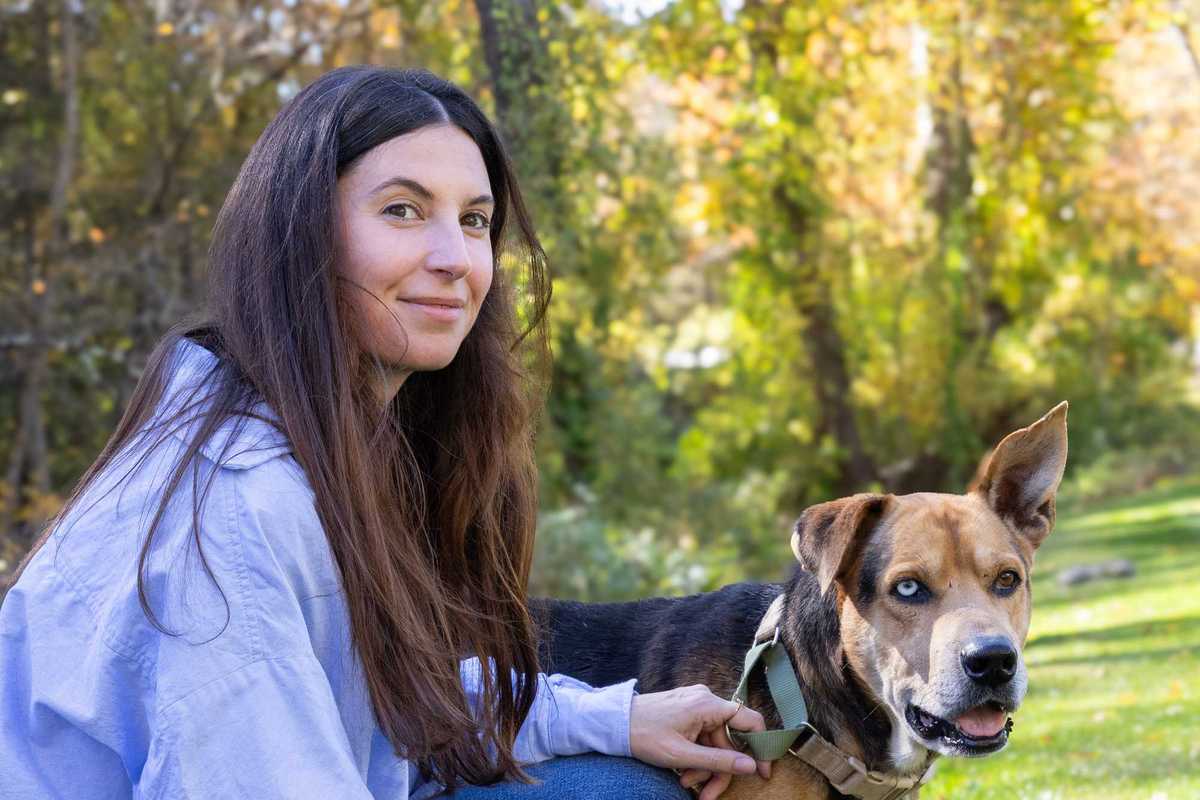
 Stephanie Saetta,with her rescue dog George and Blue (left), a shepherd mix awaiting his forever home.Madi Long
 Blue, a 7 year-old Shepard mix, is waiting for his forever home. Madi Long