S. Norman Rich, in a recent letter under the caption “Proud/shamed to be an American,� in The Lakeville Journal, Feb. 21, 2008, describes how he felt as his U.S. Navy ship went up river to Bangkok, Thailand, to celebrate July 4, 1959.
Flags flew and Thai citizens turned out to give the ship an excited, warm welcome. President Eisenhower had sent a radio message to the ship: All naval personnel going ashore were to behave as American ambassadors for his “People to People� initiative. And they did. Rich was “proud to be an American.�
That was exactly my experience in the U.S. Army in Germany after World War II. Our former enemies lionized us. We were the “chewing gum soldiers.� During the war, we had not tortured prisoners. Generals Eisenhower, Mac-Arthur, Bradley, Patton, Montgomery (and even General Rommel on the other side) had strictly forbidden torture or mistreatment of prisoners. Moral tone was set from the top.
Immediately after the war, the United States famously sponsored the Marshall Plan for European economic recovery, the creation of the United Nations for international cooperation, and the Geneva Conventions that were to outlaw torture forever. America’s reputation was at its zenith.
The Korean War, desperate as it was, pursued the same moral pattern. During the “Cold War� of the 1950s in Germany, we in the military helped round up literally hundreds of Soviet agents, including spy rings run by the Warsaw Pact. I am witness to the fact that, teetering on the brink of real nuclear holocaust, we did not use torture in the interrogation of suspects.
My brother, Sherman resident Thomas Piel, who served several tours of duty in Vietnam as a helicopter pilot and airborne infantry officer, tells me that while he heard of some rough stuff among Vietnamese, the U.S. military, even in this controversial war, did not engage in torture. They went by the book, the military code of honor.
u u u
Working in WHO on primary health-care planning in the Thai border areas with Cambodia, Vietnam, Laos and Myanmar (Burma) in the late 1970s and 1980s, I made it a point to ask locals what they thought of the American military during the Vietnam war, and were there any American prisoners of war still being held involuntarily, as many feared.
There was overall praise for the conduct of our troops, with a few exceptions, even from our former Viet Cong enemies. As to the second question, the answer again and again was, no, there were no remaining “tiger cages� and no American servicemen still held against their will. A few Americans, who are still officially listed today as missing or killed in action (MIA/KIA), had voluntary stayed behind, often taken local wives, and some had gone into the illicit drug trade, particularly in the “Golden Triangle.� What to do about them?
u u u
Coincidentally, nearly 30 years previously, while biking around Southern Germany, I had met and gotten to know a young man, then in his mid-30s, working behind the bar of a cafe in the Swabian countryside. His English, it turned out, was far better than my German.
Eventually, he confided something that even the locals did not know. He was an American, from the Mid-West. When his bomber aircraft was shot down in 1944, he alone survived. He was taken in and safely hidden by a German farm family, who explained to neighbors he was a dim-witted orphaned nephew.
Toward the end of the war, when Patton’s forces raced by, he stayed with the German family. They got him papers, he learned German. Officially, he is still MIA or KIA. And yes, you guessed it: He married the farmer’s daughter, inherited the farm, and together they built and ran the roadside cafe. Some things are better left alone.
u u u
To their credit, Swift Boat John Kerry and pilot John McCain served honorably in the Vietnam War, and in the early 1990s returned to Vietnam to spearhead a final last attempt to find MIAs. That’s more than can be said of most occupants of today’s White House. Kerry and McCain predictably came up empty-handed, but at least they tried to do something other than pay lip-service to “support the troops.�
It is, however, a sad commentary on current politics in America that an outstanding presidential candidate such as McCain, in order to curry favor with gutless arch-conservatives, would backpedal his former clear and unequivocal stance against torture in all its forms. The U.S. Army manual on the subject he apparently thinks is not good enough. If he wants to be president, he’d better think twice.
u u u
Today, when you see hanging beneath the Stars and Stripes that black flag with bowed and bandaged head, it is not American MIAs that should come to mind; it’s our missing honor in Guantanamo, Abu Graib and unnumbered torture centers around the world. It took years for us Americans to build that sacred honor, but only a single presidency to lose it.
The current U.S. administration sent our military to war in Iraq on false pretexts and pretenses, and condoned torture, by every existing legal and moral definition, notably the 1984 International Convention Against Torture and Other Cruel and Inhuman or Degrading Treatment, which is brought into U.S. law as “the supreme law of the land,� by the express language of the Constitution of the United States.
The Army Times of Feb. 4, 2008, reports on these matters under the title “935 False Statements Made Before the War in Iraq.� The Center for Public Integrity and the Fund for Independence in Journalism have counted 935 false statements made over a two-year period by named individuals, including Bush, Cheney, Rumsfeld, Powell, Wolfowitz and Rice. It’s a matter of public record.
Conclusion: “It is now beyond dispute that ... the Bush administration led the nation to war on the basis of erroneous information that it methodically propagated.� The White House has refused to comment. So, where is our honor now?
The time has come to restore America’s honor. The time and place to do so is your local voting booth in November 2008. We must elect candidates to Congress and the White House who have the intelligence, integrity, competence and moral fiber to re-set the moral code and compass of this nation. Our leaders must stand above arrogance, pandering pseudo-patriotism, disinformation, secrecy and xenophobia. With these new leaders for change, we must reclaim what has been lately missing in action: America’s honor.
Sharon resident Anthony Piel is former legal counsel of the World Health Organization and member of the U.S. Army’s 2nd and 4th Armored Divisions.

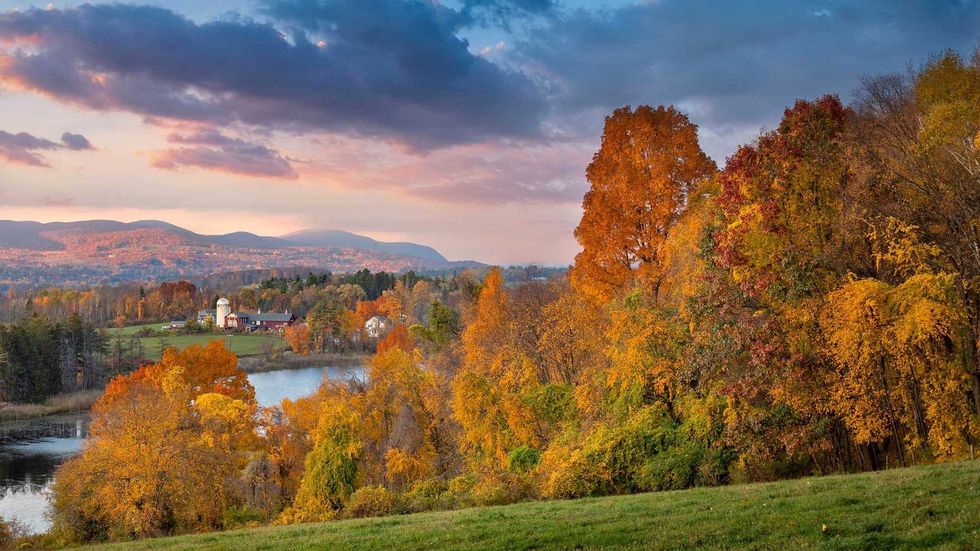 Sharon, CTBill Wakeley
  Mill Pond, Sheffield MADeb Segalla-Watson
 New Marlborough, MAWendy Miller
 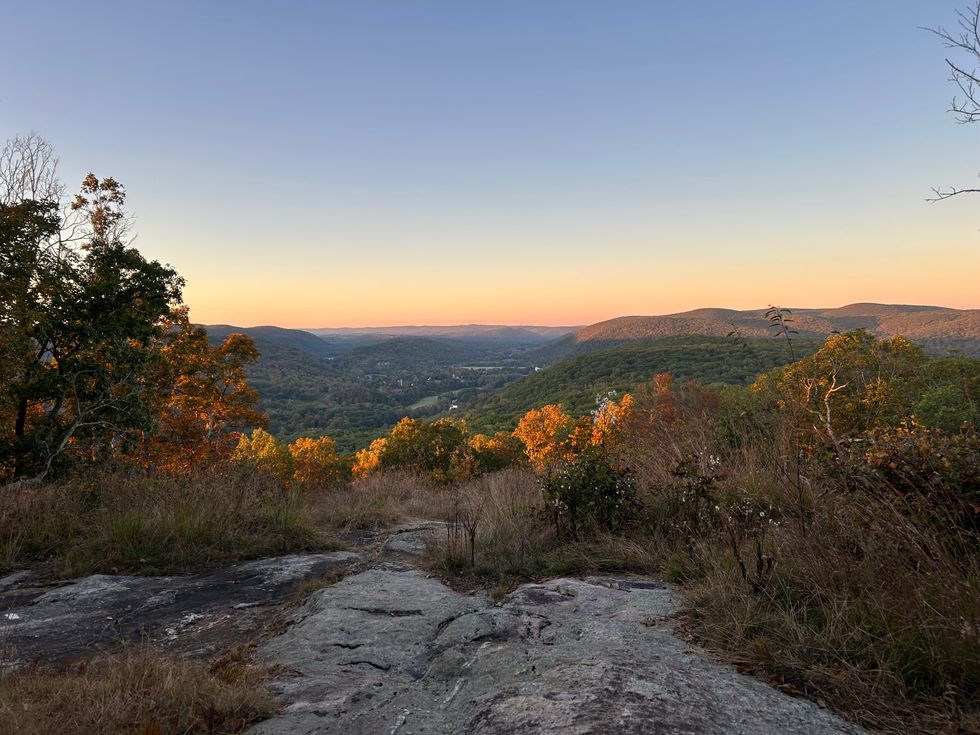 Peter Austin
 Falls Village, CTPete Sanders
  Tom Carley
  Factory Pond, Lakeville CTBarbara Peck
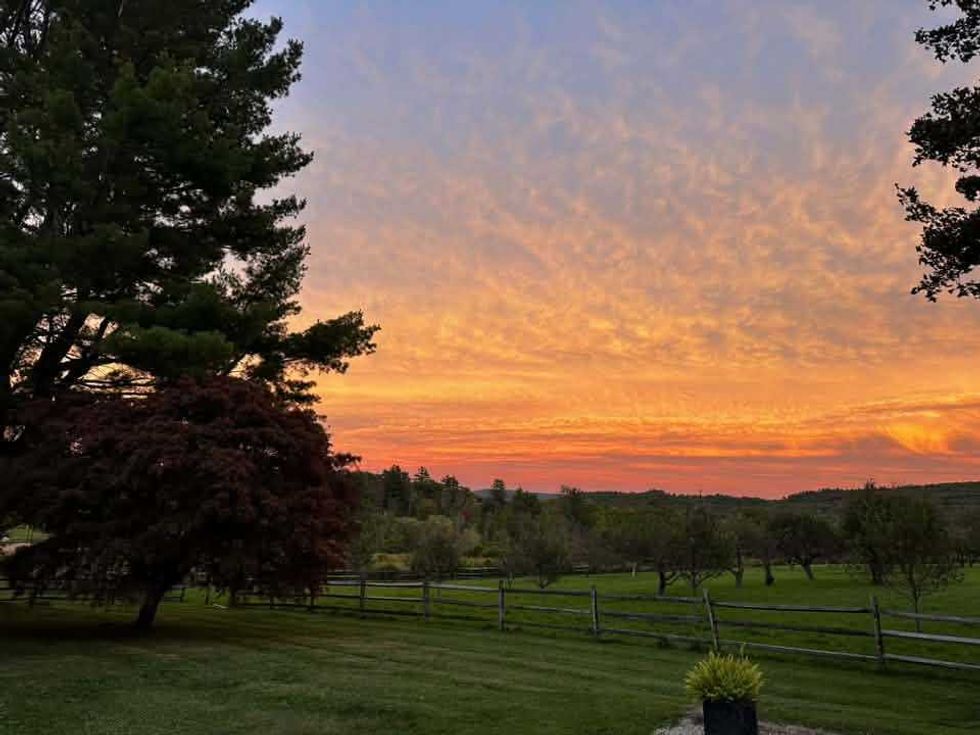 Lime Rock Road, Lakeville CTKeary Hanan
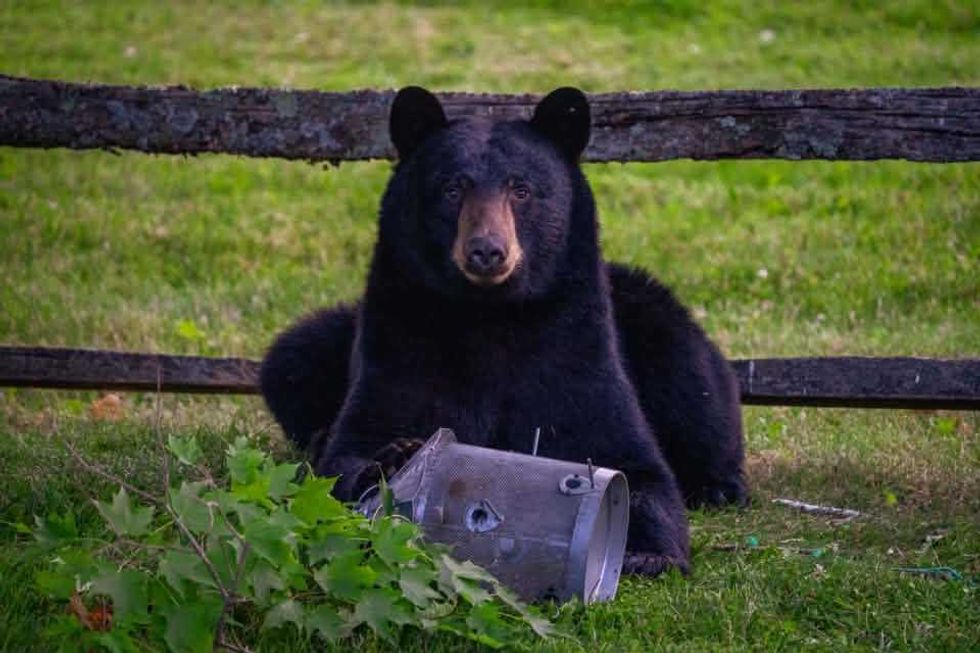 Lime Rock Road, Lakeville CTJake Marcum
 Housatonic River, Sharon, CTBill Wakeley
 Norfolk, CTTom Carley
 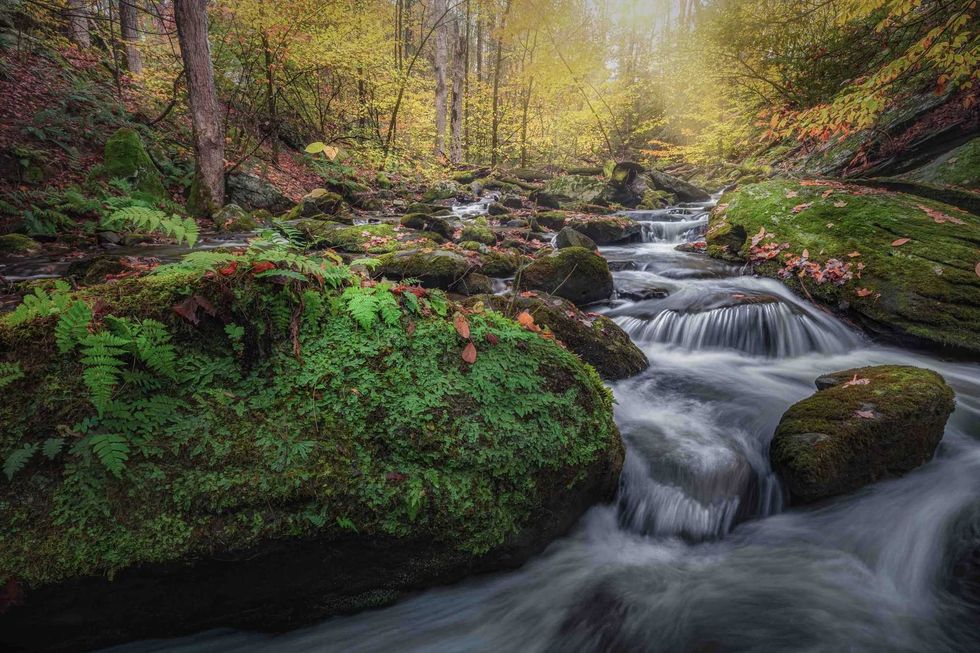 Reed Brook, Deans Ravine, Canaan CTBill Wakeley


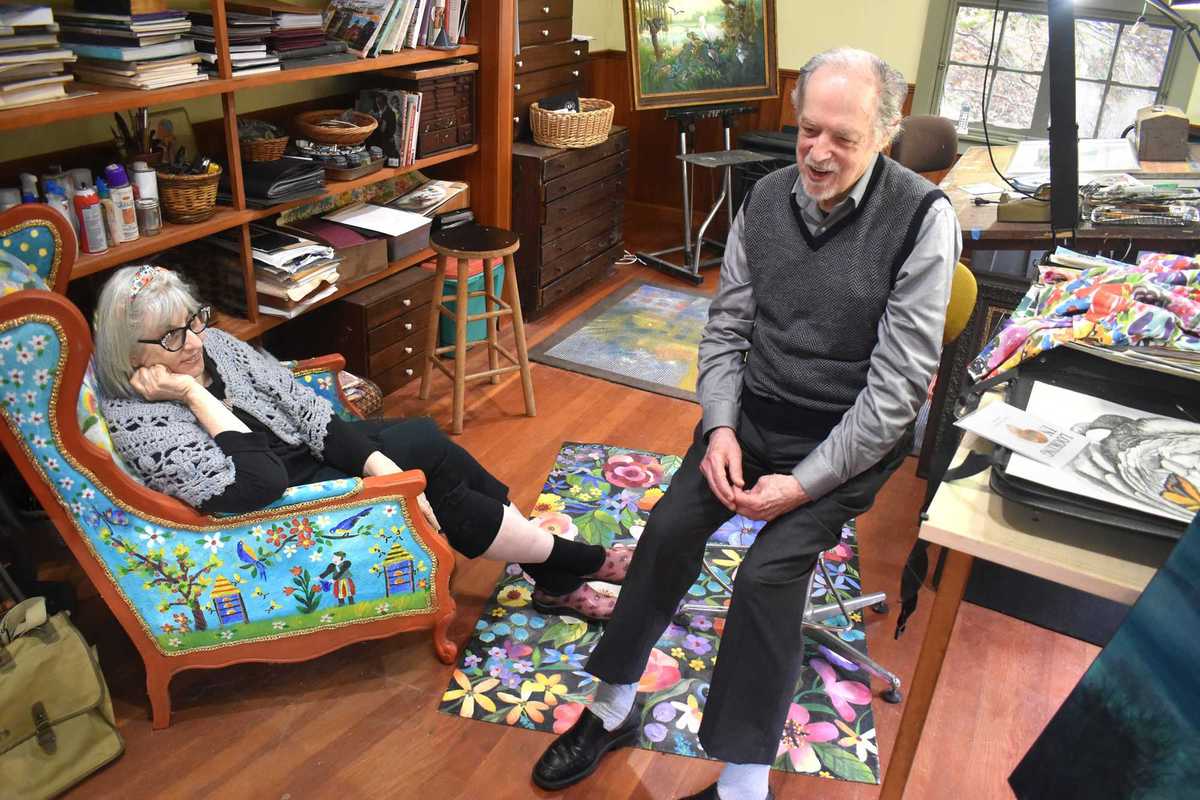
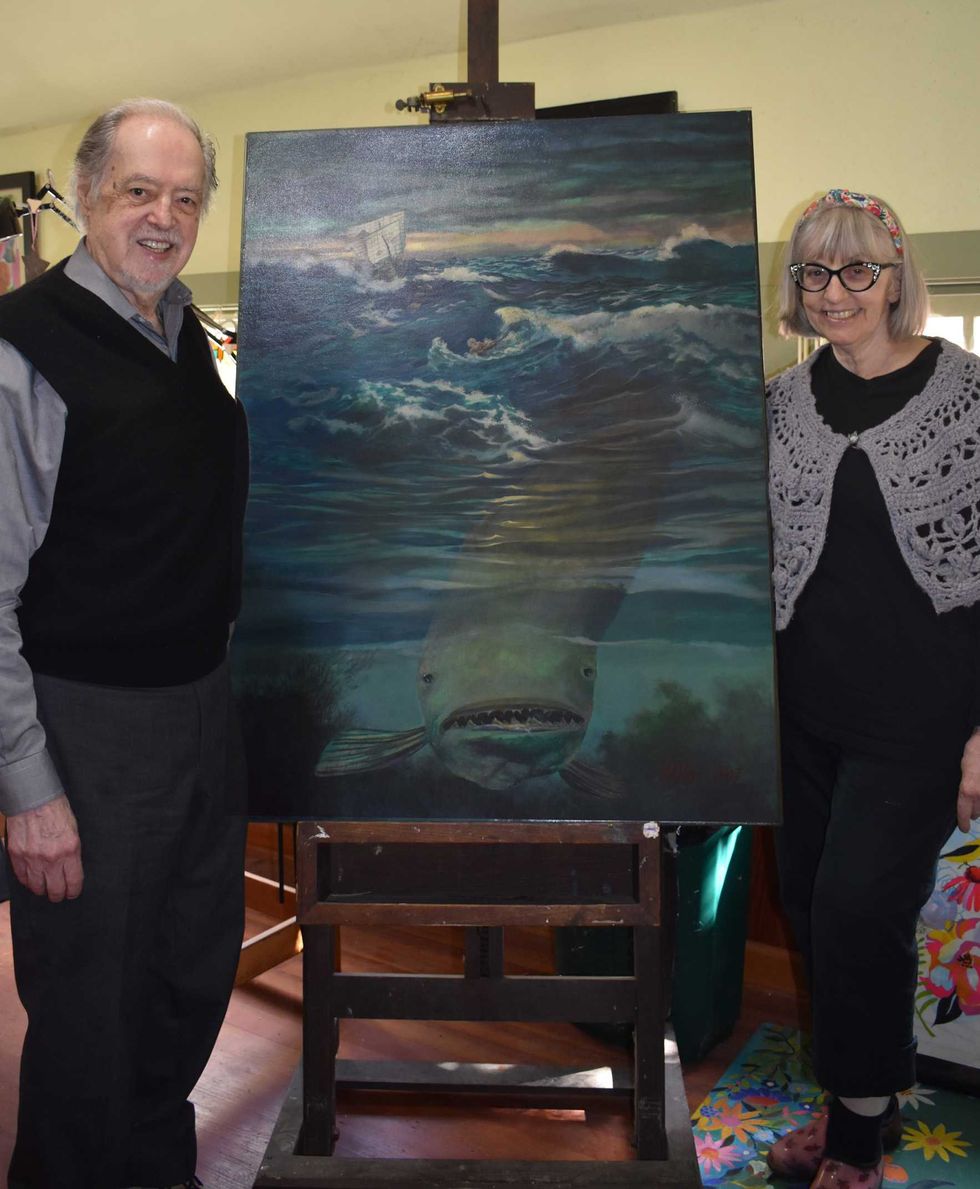 Justine and Victor Valla in their studio with a painting of Victor’s,”Jonah and the Whale.” Robin Roraback

 A ceramic vase by Kathleen Heidemann.Provided
 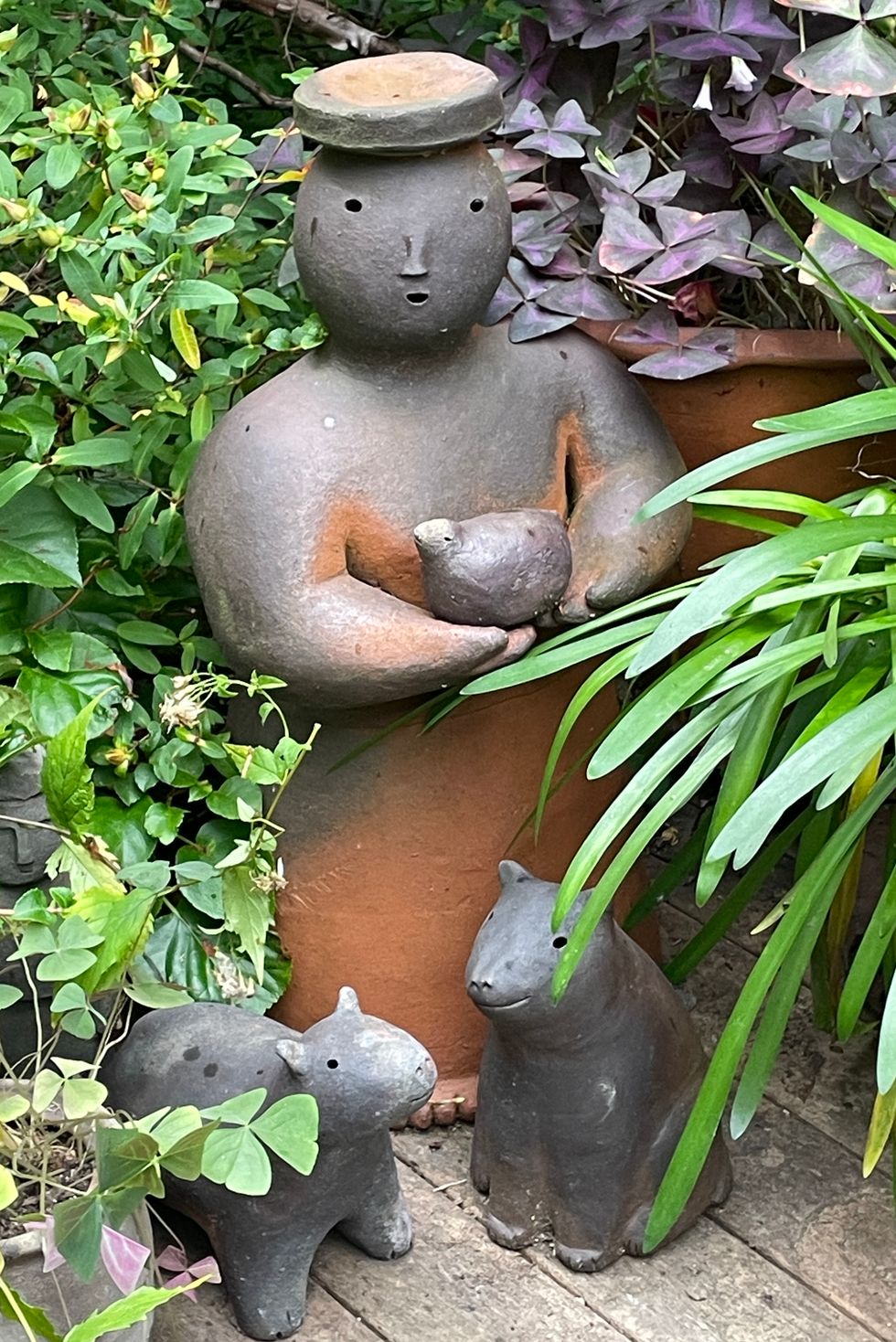 Joy Brown’s delightful ceramic sculptures.Provided