On Christmas Eve, when many people were too busy to read the papers and even fewer were hungering for news of the 2008 presidential race, The New York Times printed some pointed questions about the political plans of Sen. Barack Obama from an unexpected source, his 6-year-old daughter.
After he took the oath of office as a first-term senator from Illinois in 2004, Obama "strolled across the Capitol grounds hand in hand with his wife and two daughters," reported the Times. As photographers surrounded the young family, daughter Malia looked up at her father and said, "Are you going to try to be president?" and, before he could answer, "Shouldn’t you be the vice president first?"
u u u
Two years later, the answer to the first question is a tentative yes, he probably will try to be president. As to the second question, being vice president first might be the wiser course for this young, inexperienced, but very appealing politician whose claims on the presidency are largely the product of his charisma, eloquence and early and fervent opposition to going to war in Iraq. No other leading Democrat, not Hillary Clinton nor John Edwards, can make that claim, as they both voted to give President Bush the authority to go to war before Obama was even in the Senate.
But given all of that, is the nation prepared to hand the presidency to a relatively young first-term senator, whose foreign policy experience is as limited as was George W. Bush’s, to give a pointed example?
Not that the nation has been particularly ill served by its younger presidents. The youngest at the time of their inaugurations were Theodore Roosevelt, 42; John F. Kennedy, 43; Bill Clinton and Ulysses Grant, both 46, and Grover Cleveland, 47. Of the five, only Grant would go down in history as a failed president. If elected in 2008, Obama would be, at 47, several weeks younger than Cleveland at his inauguration.
But Roosevelt, Cleveland and Clinton had been governors before they sought the presidency and Kennedy, considered inexperienced at the time, had served three terms in the House and was in his second term in the Senate when he ran for president. Obama, if he runs next year, will have only four years as a senator and a term in the Illinois senate on his political resume.
u u u
In addition to his personal qualities, Obama’s main appeal seems to be his newness, a direct consequence of the voters’ weariness with the old — from George W. Bush and his repudiated Republican Party to old Democratic faces like John Kerry and Al Gore. Even Hillary Clinton, though new to the ranks of presidential aspirants, has been around for 16 years and subject to more scrutiny in that period than many would-be presidents.
There is also the prospect of a husband and wife Clinton dynasty coming on the heels of the Bush father and son dynasty, a factor that has yet to make its mark on the public’s consciousness but it will. If Clinton is elected president, she will be inaugurated 20 years to the day George Herbert Walker Bush was sworn in for the first and only time. The four years of Bush I would be followed by eight years of Clinton I and eight more of Bush II.
That adds up to 20 consecutive years of presidents named Bush or Clinton before we even embark upon what could be four to eight more years of Clinton II, should she be elected. When the press finally gets around to exploring the prospect of perhaps 28 years of Bush/Clinton rule, what would the reaction be? How likely would it be that the public would look kindly upon more than a quarter of a century under the thumb of two families?
u u u
This scenario could, of course, open things up for Obama, but would being handed the nomination for being the popular favorite in the primaries make him a viable presidential candidate against a tough, seasoned opponent like John McCain? In his one race for national office, Obama didn’t even have a worthy opponent. Instead, he had only the token opposition of the shopworn Alan Keyes, a Maryland resident running for senator from the state of Illinois.
No, Obama would be better off sitting this presidential election out, establishing a record in the Senate, then going home to run again in 2010 against a more formidable opponent or showing the nation what executive skills he may have as a governor. Or he could run for vice president. Either way, he would be facing the prospect of having to wait up to eight years for a chance at the presidency.
But after those eight, long years, Obama would be all of 55, not a bad age to run for president. Ask John Edwards, who will be 55 in 2008, or Hillary Clinton, who will be 61.
Dick Ahles is a retired television news executive. He lives in Simsbury. E-mail him at dahles@hotmail.com.

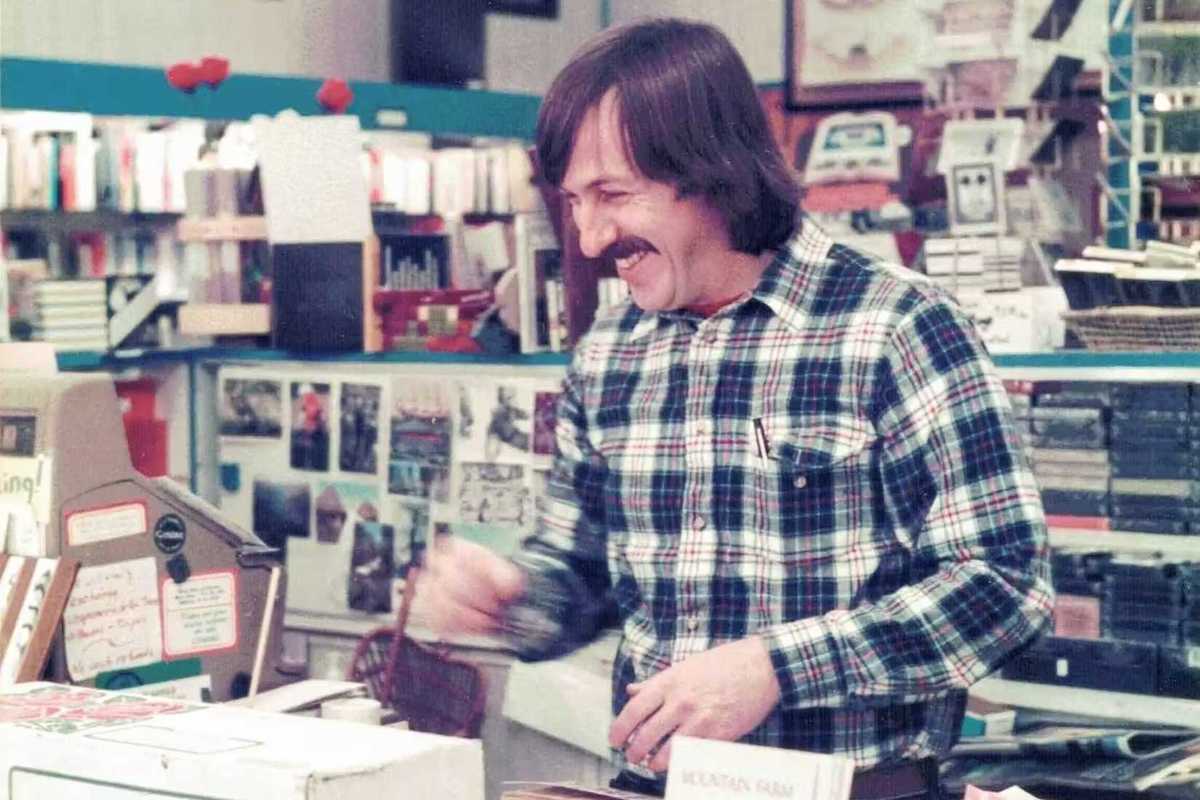
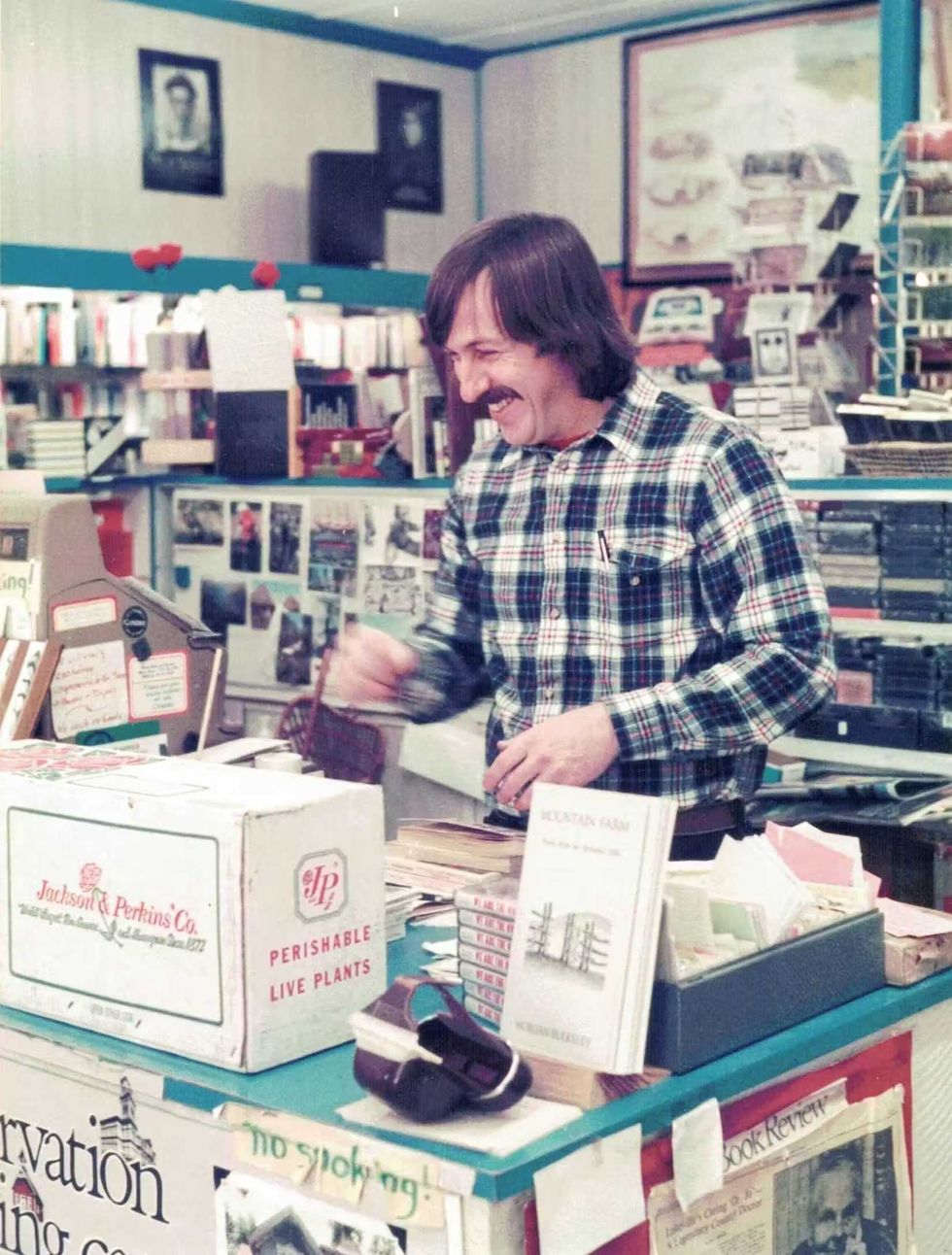 Dick Hermans in the Oblong Bookstore on Millerton’s Main Street in 1985.Provided



 Fall storage crop harvests amid soil building cover crops at Adamah Farm in Falls Village. Janna Siller