I like horses. We have things in common. We both like raw carrots and lumps of sugar. I also respect them. I have great respect for anything that weighs way more than I do and wears big, metal shoes. When a horse steps on your foot it makes an impression, literally.
Fortunately for humans, horses do not have a written or oral history tradition. If they could somehow communicate the past to one another we would see a lot more head-smacking-into-overhanging-limb injuries. There are large mammals that never forget, and I am just not sure if this might include racial memories. I have never been on a whale watch for this reason, and I haven’t turned my back on an elephant since I was sprayed at the age of 5 at the Bronx Zoo.
u u u
We often overwork these poor creatures.
From a cowboy movie:
John Wayne to his posse, “We’ll rest here.�
First posse guy, “Whut fer? I ain’t tired.�
John Wayne, “Ask your horse. You been settin’ on ‘im all day.�
u u u
The first time I rode a real horse (as opposed to the ones you put a dime into), my companions told me to tell the stable guy that I was experienced. If you are not experienced you have to walk around in a circle with the guy leading the horse. In retrospect, well, you’ll see.
I mounted up, almost dismounting on the other side in the same motion. Those leather saddles are slippery. It’s almost like they put oil or soap on them. So are the stirrups and the horse, for that matter. My saddle was missing the horn that I was kind of counting on as an emergency handle.
Once out of sight of the stable, the other members of my party, seasoned commercial riders, cut switches from the overhanging branches and began encouraging their tired mounts.
My horse, not interested in racing, demonstrated an amazing ability to reach all the way back with his head to bite my leg. I have seen the cowboys in the movies control their horses by pulling back on the reins, so I did that. He took exception to this. Now I know what they mean by the expression “took the bit in his teeth.� My horse knew a spine-jarring shortcut back to the stable.
Ever since then, horses and I have had an understanding. We stay off of each other, and I bring the snacks.
Bill Abrams resides in Pine Plains.
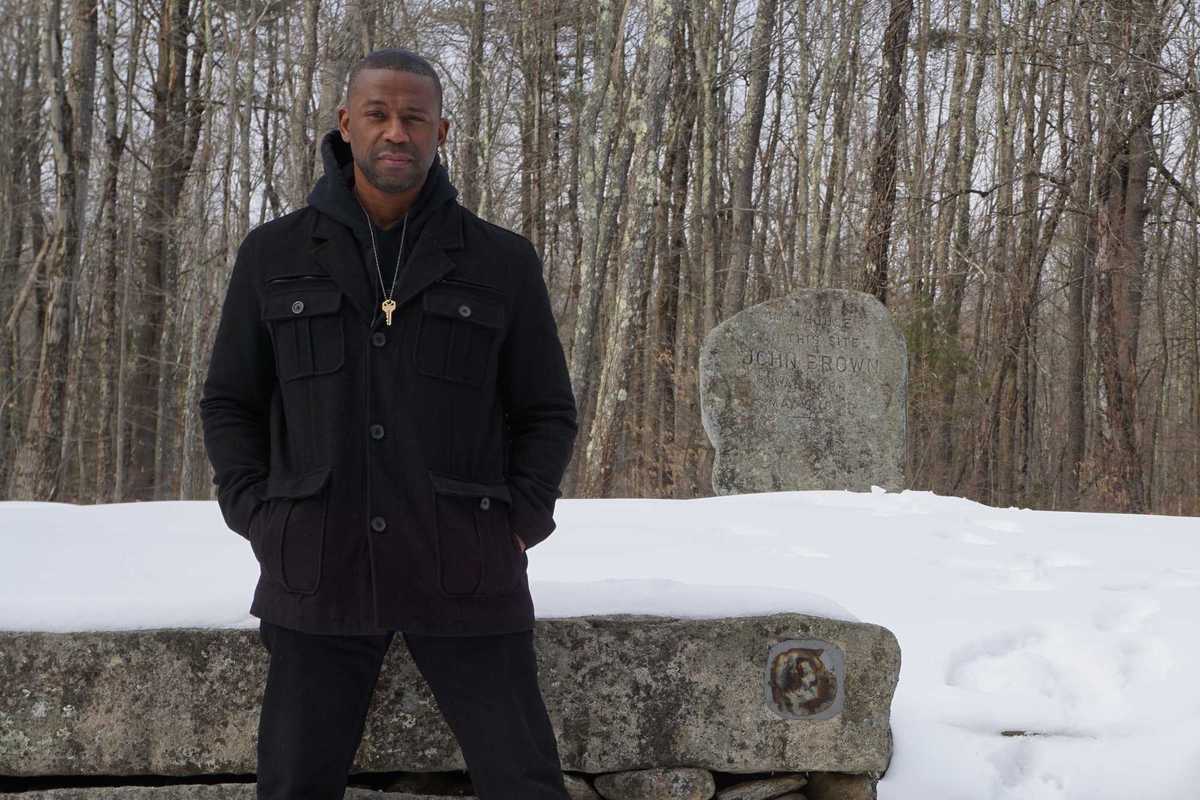
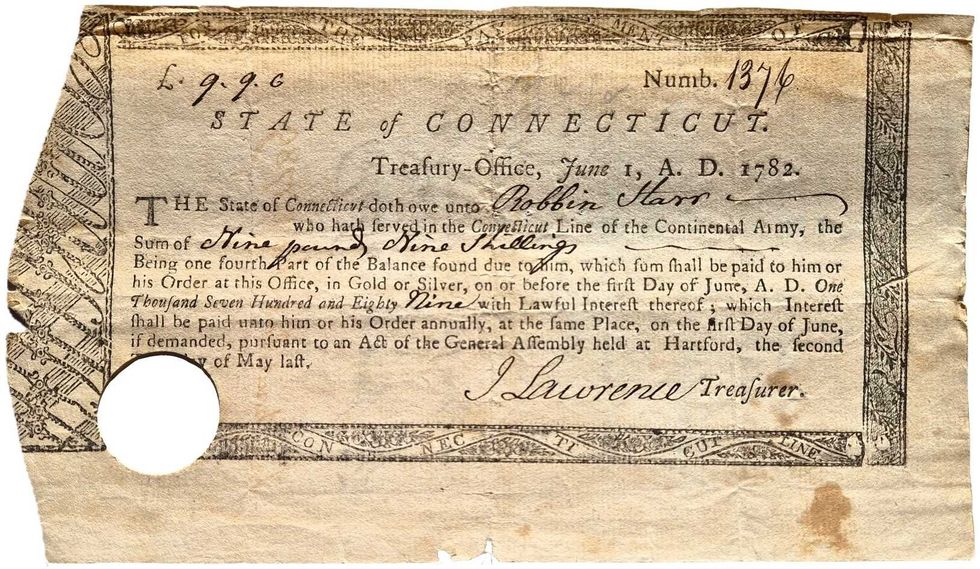 Pay Bill for Robin Starr’s service in the Continental Army.Courtesy the Alex Breanne Corporation
 John Mills speaking at Quinnipiac University.Courtesy the Alex Breanne Corporation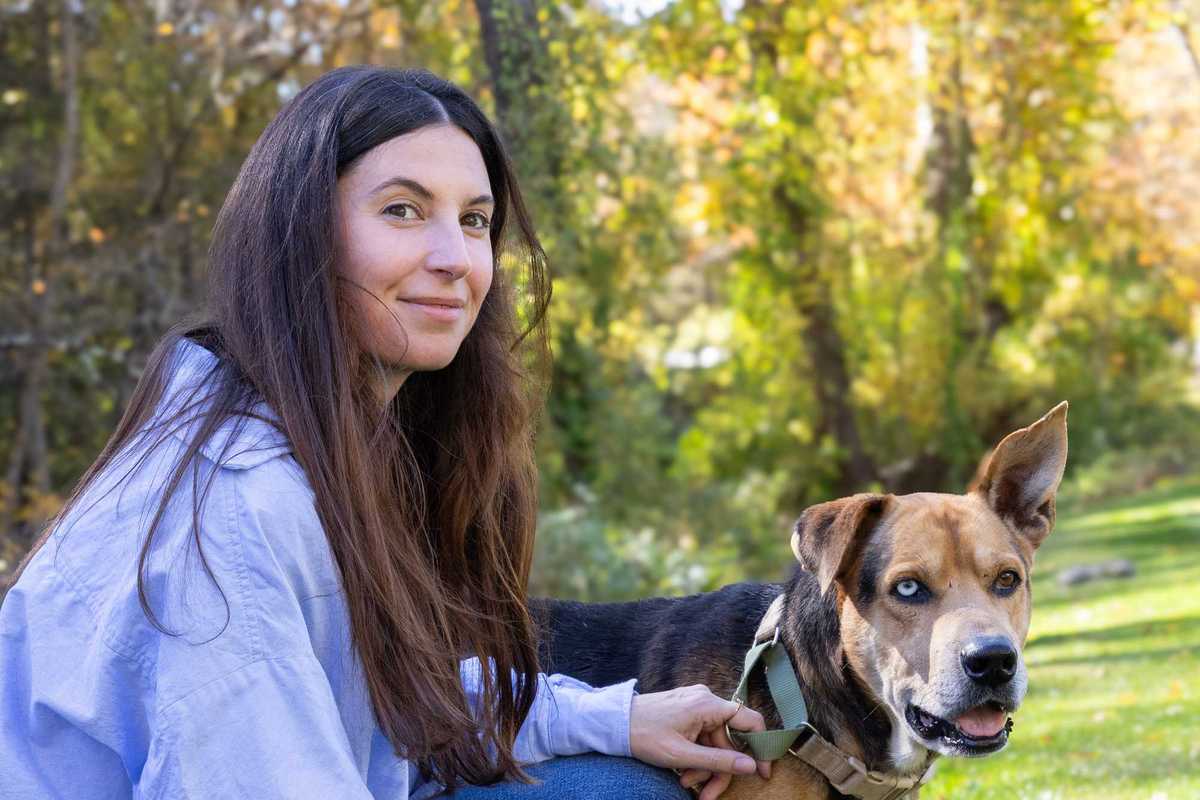
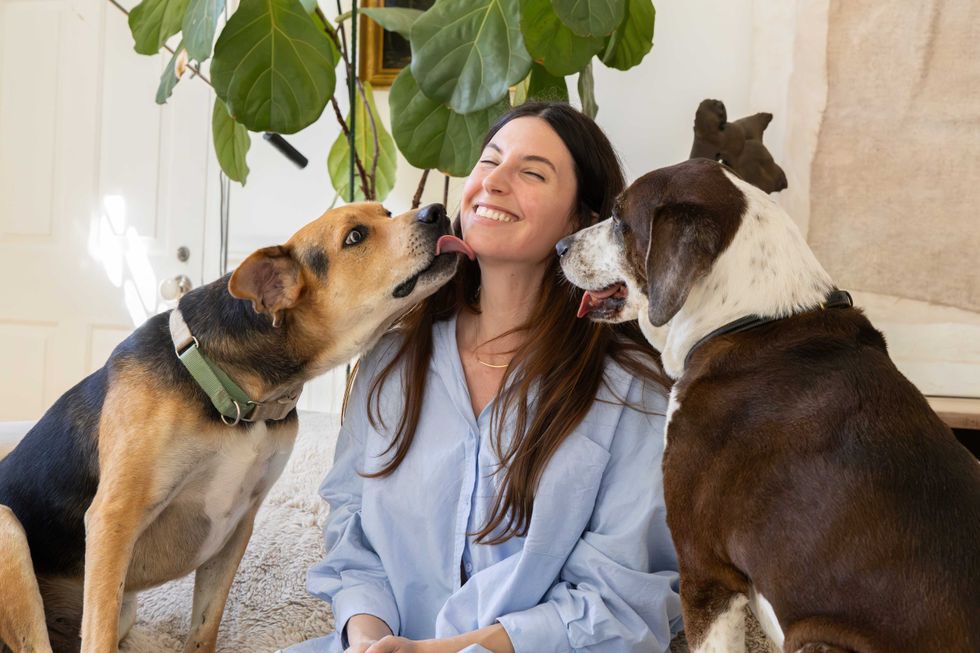 Stephanie Saetta,with her rescue dog George and Blue (left), a shepherd mix awaiting his forever home.Madi Long
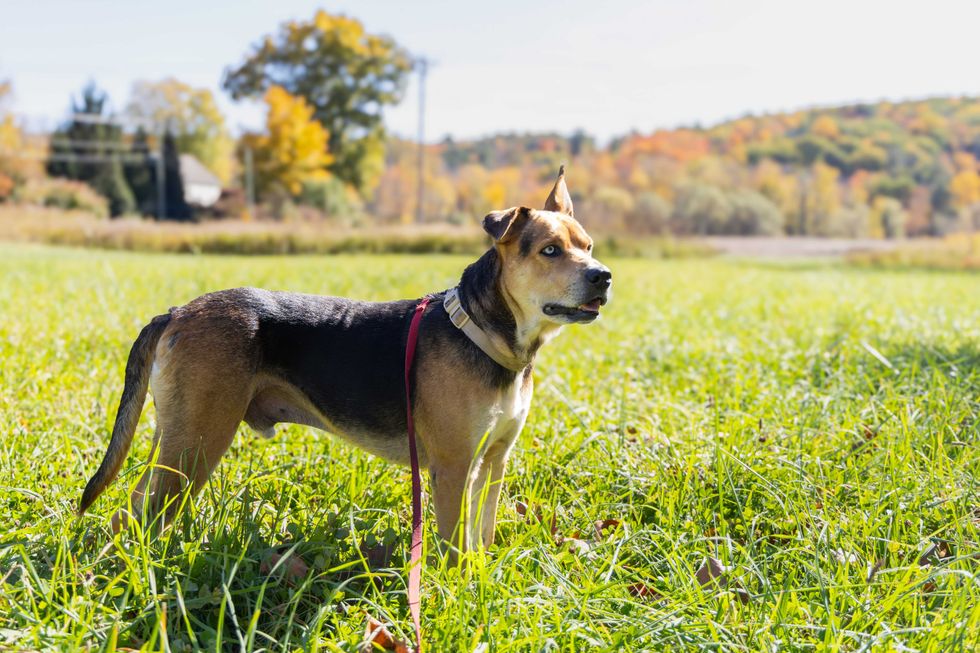 Blue, a 7 year-old Shepard mix, is waiting for his forever home. Madi Long