PINE PLAINS — The Pine Plains Town Board has worked on its budget and come up with a preliminary document — now it’s ready for the public hearing. That hearing is set for tonight, Thursday, Nov. 5, at 8 p.m. at Town Hall.
Historically there has been little participation in the budget public hearings, but they are held nonetheless, for residents to weigh in and give their input on the fiscal plan drafted by the supervisor and hashed out by the Town Board. Town Supervisor Gregg Pulver said he’s encouraged by the light turnout at the hearings.
“I think that’s a sign of respect that people have that we’re trying to do the right things,� he said, adding that residents are always welcome to voice their thoughts.
This year the town had to make some additional cuts to the budget, as it was a tough year all around. But there is definitely fresh funding incorporated into the budget, too, in the form of roughly $100,000 in new spending, some of which will be cut to keep the tax increase hovering around 3 to 4 percent. The total budget figure for 2010, according to Pulver, is $1,552,250. Getting to that figure has been anything but easy.
“Right now we’re obviously at the bottom end of the totem pole when it comes to the budget process,� Pulver said. “The governor stated that next year there will be cuts everywhere, and an increase in every fee. The county executive is worried about his budget. He’s not relishing cutting 70 jobs; nobody looks forward to having to do that. The last line of defense is town government. We knew last year this was going to be a significant budget, we knew that this year’s budget was going to be an issue. We’ve been saving every dime possible.�
That’s been done with conserving every sheet of copier paper to cutting back on sand and salt for the roads during storms (when it’s safe to do so). In 2010 there will be no raises for any employees or elected officials — no raises anywhere. The state retirement system has added a burden of $15,000 to $20,000 this year and health-insurance costs are going up, but despite those challenges, Pulver said there will be no layoffs in Pine Plains. He will be looking “very hard,� however, at extra hours and extra services that are not vital.
“We’re going above and beyond to make sure we’re as efficient as possible,� he said. “That’s a huge part of the budget.
“I just don’t know where it’s going to end at this point,� Pulver continued. “We can’t keep taxing our population out of their hard-earned dollars. We’ve got to draw the line somewhere. If you look back at the 10 town budgets I’ve prepared, the highest single increase one year was 5 percent. I always try to keep them around 3 percent, and I hope I can keep this at that level this year. The budget proposed to the Town Board had a 10-percent increase this year. We will not have a 10-percent tax increase this year. We’re going to be trimming.�
Pine Plains had been planning to start a property revaluation process; now it’s reconsidering whether it can afford to do so this year. As with other towns, “a big chunk of change� went to the state’s retirement fund, according to the supervisor. Employee benefits were also on the list of items the town wanted to attend to in the 2010 budget that may now have to be pushed to the back burner. The town also wanted to put aside some money to help expand both the recreation and library programs — both of which may now have to wait for future funding. Then there are issues like the survival of the town’s emergency services.
“In another year or so we’ll be talking again whether we have to hire a paid ambulance squad,� Pulver said. “It’s all related. People don’t have time to volunteer because they’re holding down two jobs, because of the economy. People are forced to do these things. These are the unintended consequences because there’s not enough people volunteering.�
The supervisor said his goal is to keep the budget increase around 3 percent while working with all departments and trying to “squeeze every bit of productivity out of every dollar.�
Every town faces the same problem, he said: budgeting without knowing the county’s final numbers, as well as not knowing the state’s budget (which won’t be out until April). Until then, however, Pulver said the town will continue to tighten its belt and be as fiscally conservative as it can while providing its residents with the services they rely on.


 Tiffany Lemelin, shelter manager, brushing Marsala upon arrival.Provided
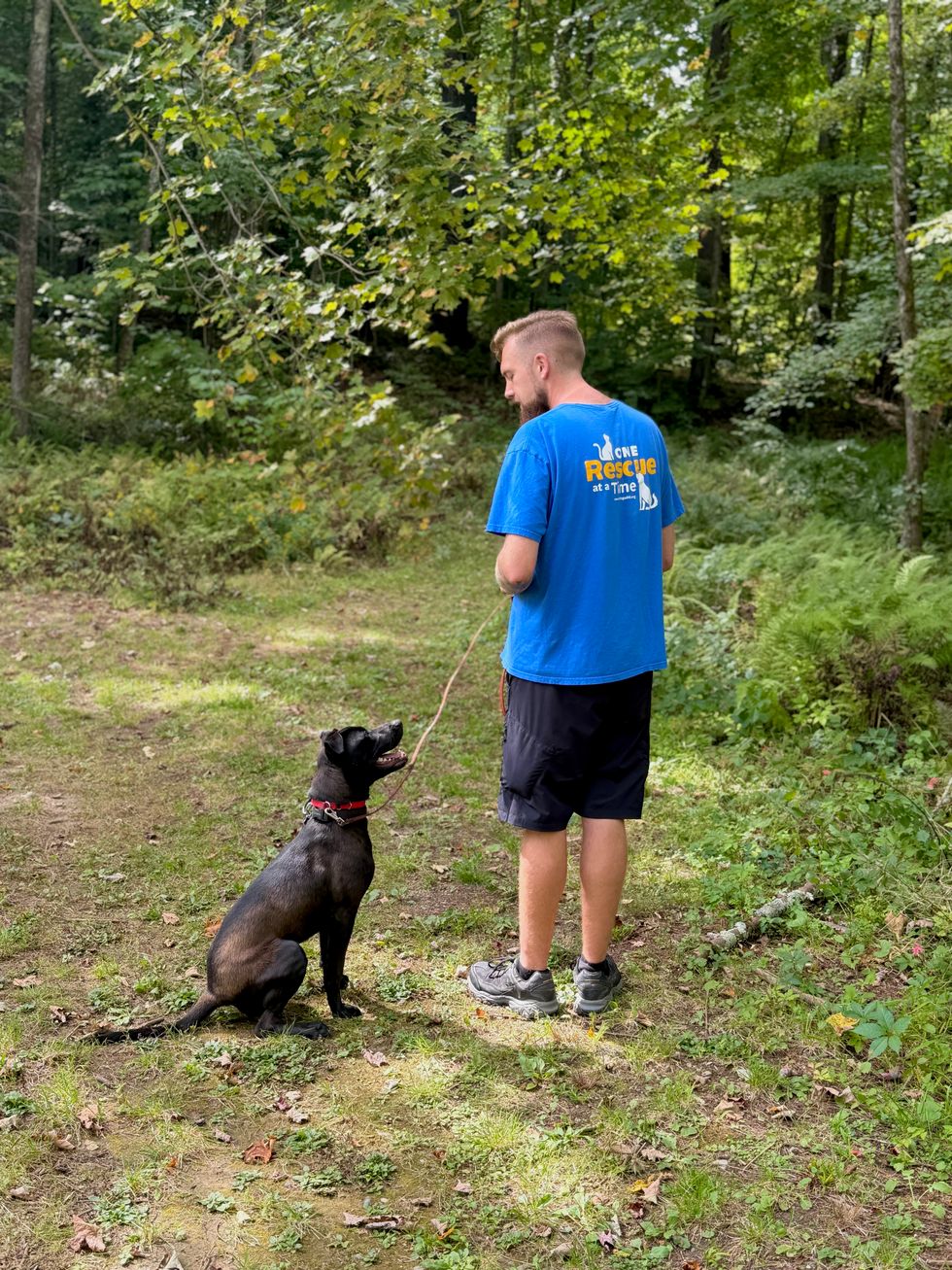 Michael DeBarba, certified dog trainer working with Marsala.Jennifer Almquist
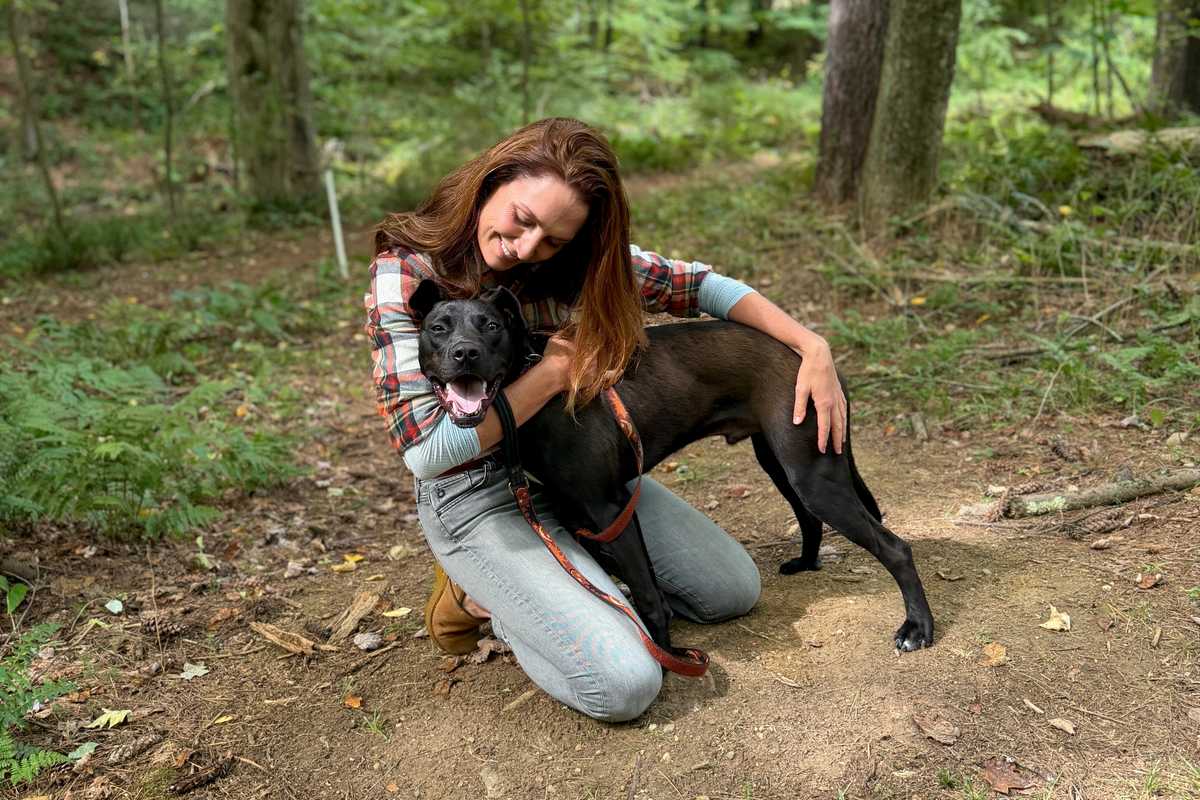 Marsala wins a heart.Jennifer Almquist

 Sadie, center, a Carolina dog, plays with her friend Negra, a terrier mix. Bella Linda, the small poodle, has since been adopted.L. Tomaino
 Wesley, a young, exuberant mix, is looking for an active home.L. Tomaino
 Bonnie and Clyde, an affectionate terrier pair.L. Tomaino
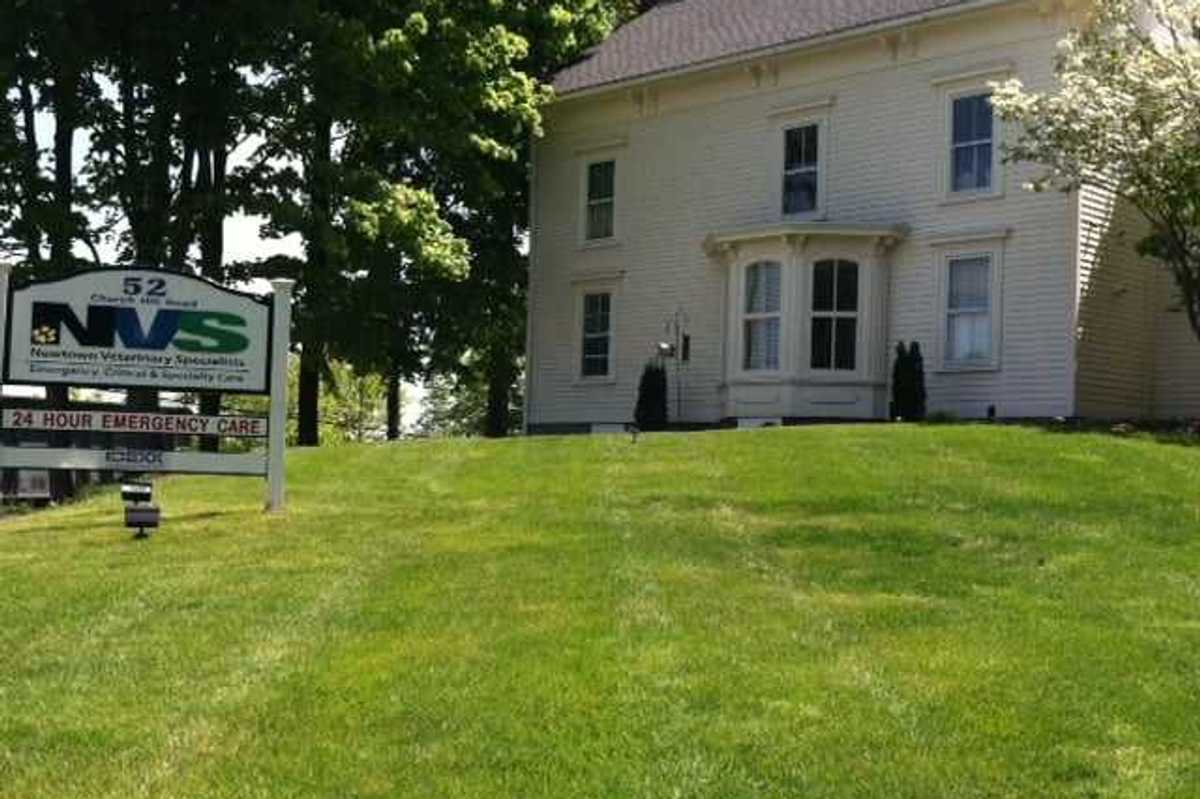
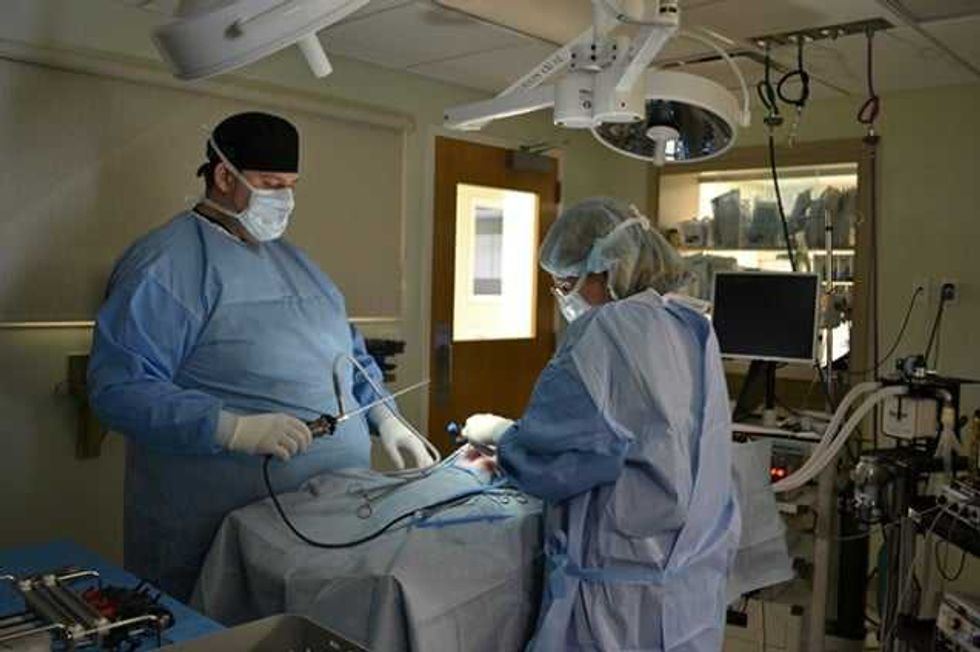 Provided