KENT — It’s possible that President George W. Bush had no clue about the controversy his visit caused among his political enemies in the Northwest Corner. He spent most of the day in Connecticut last Friday, April 25. And about 100 anti-Iraq war demonstrators turned out in this normally sleepy burg and its neighboring town, Warren, to express their displeasure over his policies.
The president started his day off in Hartford at the Boys and Girls Club to raise awareness about his anti-malaria initiatives. From there, he helicoptered to the Kent estate of former Secretary of State Henry Kissinger and his wife, Nancy, arriving at about 1:30 p.m. The occasion was a fundraiser for state Sen. David J. Cappiello (R-24), who is challenging U.S. Rep. Chris Murphy (D-5), the freshman Democrat who defeated 12-term GOP incumbent Nancy Johnson in 2006.
About 450 guests paid $1,000 apiece to have lunch with the president. Especially deep-pocketed diners could get their picture taken with Bush for $10,000.
The president’s appearance at the event, which raised $750,000 for the Cappiello campaign, made for tight security, including not only his traveling Secret Service detail, but also dozens of state troopers who guarded the Henderson Road entrance to the Kissinger property, shooing away onlookers.
But since the public and the news media were barred from the event and kept well away from Kissingers’ estate near the Warren town line, the focus for protesters was on a show of disapproval of the president’s policies and — in some cases — attacking Bush personally.
Protesters were forbidden by state police from assembling in Kent until later in the day, when a parade started down Main Street. So the activists met about 2 1/2 miles away, near the Congregational Church in Warren.
“It was an example of the administration forcing the state police to be like storm troopers,� said Bob Layton, a Lakeville resident who made the trip to Warren.
Layton is active with the Northwest Connecticut Coalition for Peace and Justice, the group that protests the war every Saturday morning in front of The White Hart Inn in Salisbury. He said he was told there would be a shuttle van from Warren to Kent to ferry protesters to the parade but that the van only made one trip.
“It was a non-event. We were miles away,� said Layton, adding that Marine One, the president’s helicopter, passed over the Warren Town Green, “and I didn’t even shoot at it.�
Before the parade in Kent, a convoy of cars pulled into the parking lot in front of the post office, where a group of 80 protesters gathered to listen to Patsy Cline’s song “Crazy,� intermixed with some of Bush’s presidential speeches. Crowds gathered to watch the protesters make their way down the Main Street sidewalks. In the procession was a parade float with a likeness of Bush riding a large rocket, reminiscent of the last scene of the film “Dr. Strangelove.� Most locals seemed stunned and amused rather than annoyed by the protesters’ presence.
“In my 56 years of living in Kent, I have never seen anything like this,� longtime resident Cyndy Osborne said. “I made my kids stay in town to see it.�
The young people in town were the only ones who seemed bothered by the rally. Some yelled, “Get a job, you bums� at the marchers.
“We went down Main Street and then over the bridge and shouted a few slogans in front of Kent School,� added Charlie Keil of Lakeville.
Chants could be heard such as “Money for jobs and education, not for war and occupation,� “Hey, Bush, what do you say, how many kids have you killed today?� and “What do you want? PEACE! When do you want it? NOW!�
“The mood was angry, but peaceful, if that makes any sense,� said David Paton, who came from Sharon to march in the parade.
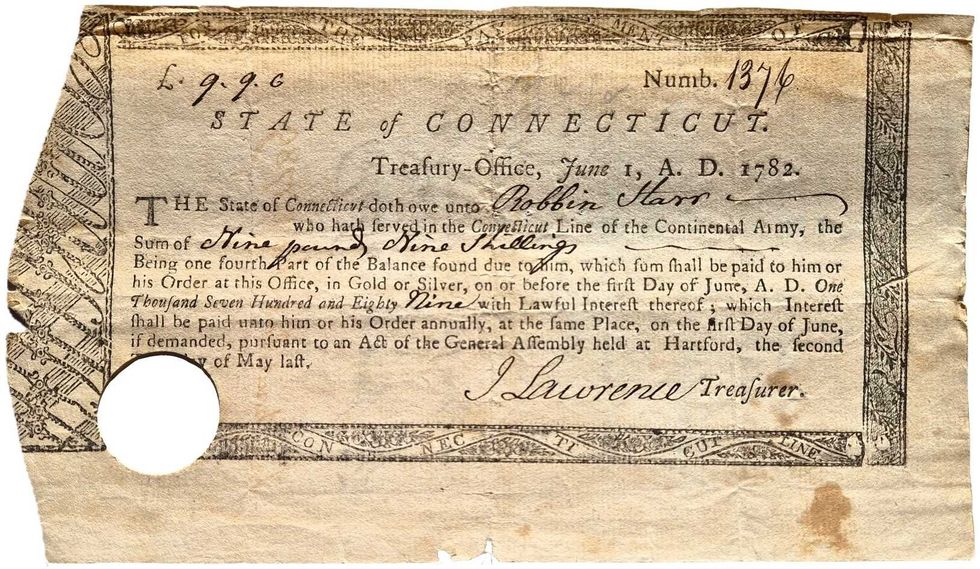 Pay Bill for Robin Starr’s service in the Continental Army.Courtesy the Alex Breanne Corporation
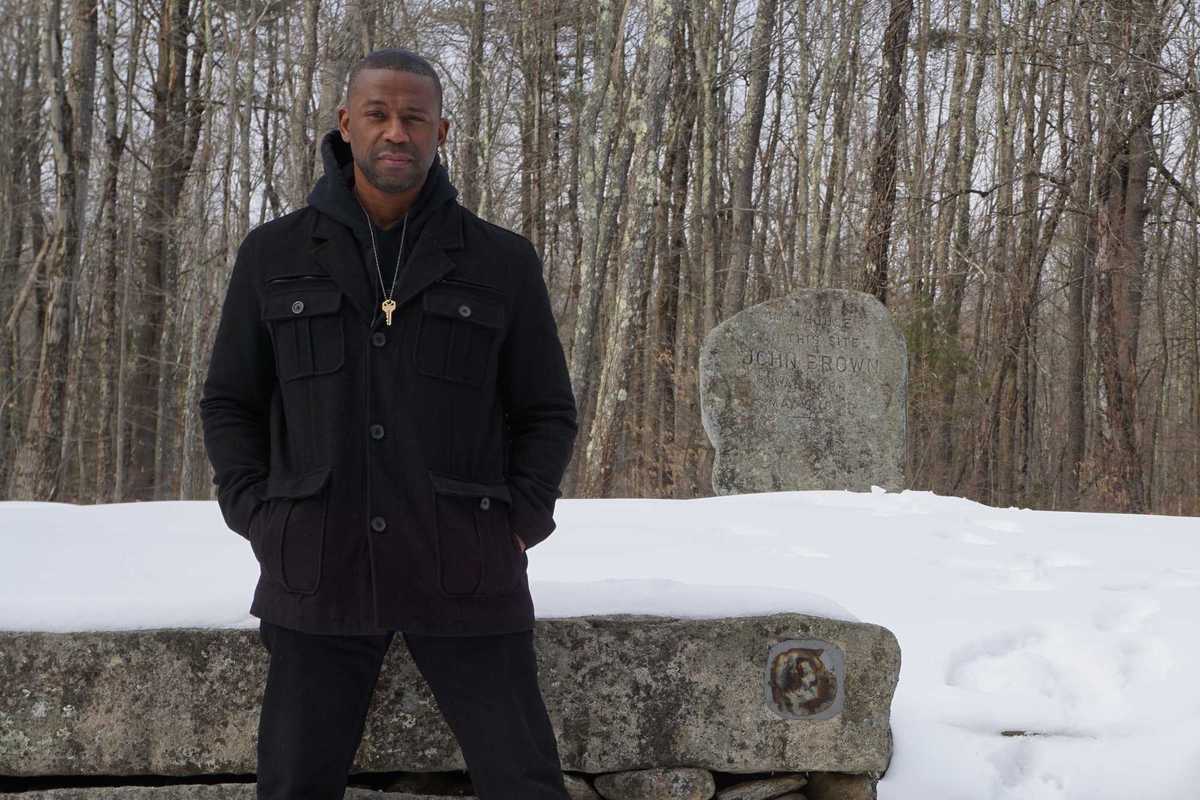
 John Mills speaking at Quinnipiac University.Courtesy the Alex Breanne Corporation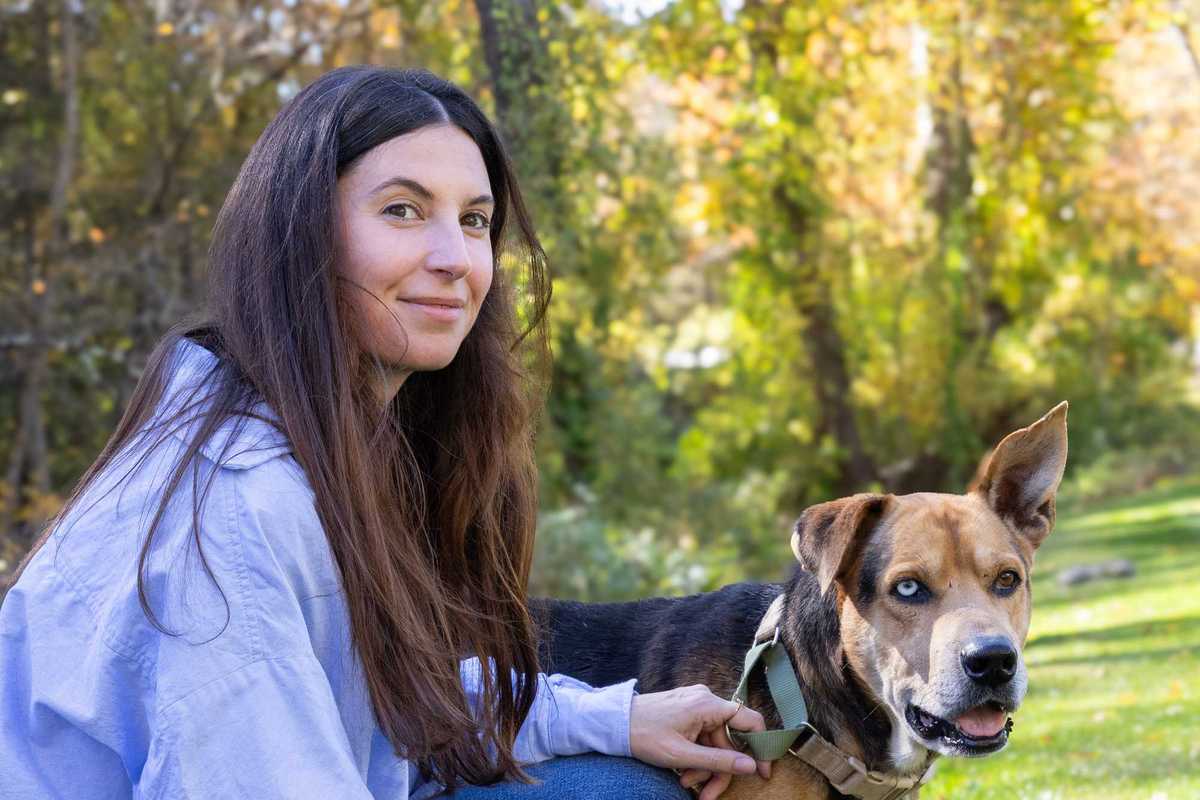
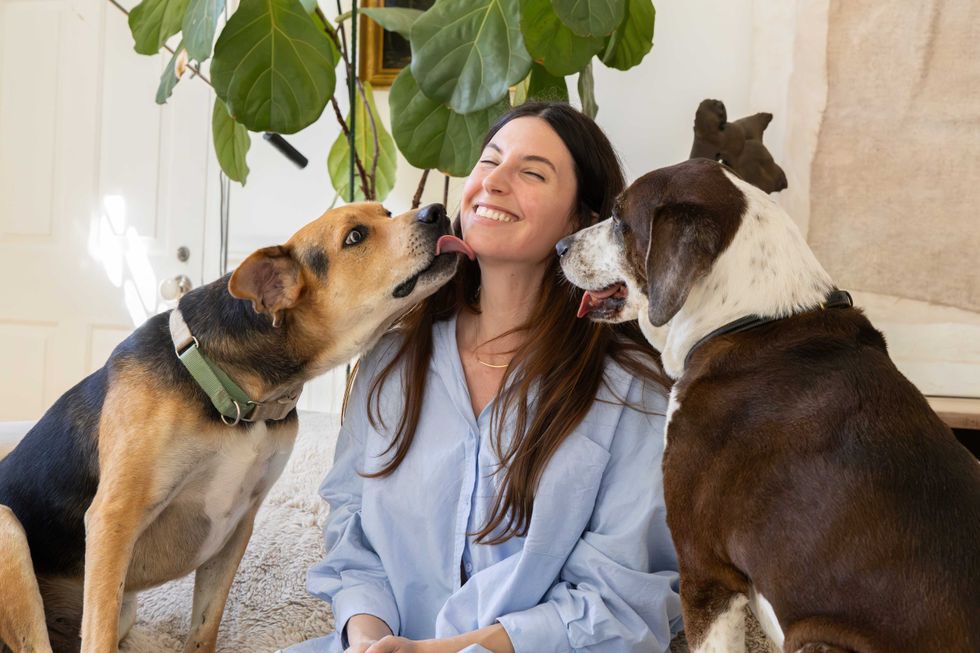 Stephanie Saetta,with her rescue dog George and Blue (left), a shepherd mix awaiting his forever home.Madi Long
 Blue, a 7 year-old Shepard mix, is waiting for his forever home. Madi Long