MILLERTON — There may not be any placards out just yet, but make no mistake about it, the campaign has begun. The cause? To save the old Irondale Schoolhouse.
The building can be found, for now, on Route 22, just north of the village on the east side of the roadway. A plan has been proposed to move the structure to the Rail Trail head on Main Street in Millerton, to use as a visitor’s center for the popular village destination.
Ralph Fedele, who is both a board member of the village betterment group, Townscape, as well as the president of the North East Historical Society, has made this his pet project. However, he has done so strictly as a private citizen, without involving either of those two groups, which may or may not be able to lend their official support to the project.
"I just feel this village is so important to me and this would be a terrific addition," he said. "I’m concerned as an active citizen trying to move forward, but I don’t want to put the burden onto any not-for-profits and make them feel like they have to take title."
But that, in fact, is exactly what needs to be done. Right now, according to Fedele, an entity needs to step forward and accept the responsibility of taking title to the old schoolhouse, as well as to move the building to its yet-to-be-approved final destination.
Unfortunately, he said, none of the not-for-profits he’s checked with are in the position to take title of the building, and that includes the historical society itself, the Harlem Valley Rail Trail and Townscape.
Townscape President Cathy Fenn acknowledged the project is beyond the means of her group, although she supported its goals.
"I think it’s a wonderful idea," she said. "We’ve certainly lost too many buildings in Millerton that we shouldn’t have, so it would be nice to keep any old, historical structures that we can.
"It’s going to take a considerable effort by a lot of people to get this done," she added. "We don’t know all the particulars yet or what it will involve, but Townscape has endorsed it as well as the historical society and the Rail Trail association, so everybody is on board. At this point, though, Townscape has no definite plans."
While not having "definite plans," Fedele is by no means leaving things to chance. He’s already settled on a purchase price for the old, one-room schoolhouse, which is owned by Floyd Rossini. That price is $29,900. To move the 22 foot by 36 foot structure to the proposed Main Street location would cost an estimated $35,000. The total cost of the project, including renovations to the 1858 schoolhouse, the purchase price and transportation from Rossini’s property would cost approximately $125,000.
Fedele said it’s just possible that the state might help out with some funding.
"I worked with Sen. Vincent Leibell, and he was very much in favor of the move and willing to help fund the purchase price and the move," Fedele said, adding that he’s not sure where that offer stands at the present time.
Fedele’s idea is that if the state stepped in to purchase the schoolhouse it could lease the building to a not-for-profit willing to operate it as a visitor’s center. He’s also made the suggestion that a business or individual could make the purchase, and work just as easily with a not-for-profit organization. However it works out, Fedele said he just wants it to work.
"Up until this point I have been reluctant to spread word of the schoolhouse, but now it’s at a standstill and I want to start a really major, important campaign. However, I’m not savvy enough to put all the pieces together, I need help," he said. "The urgency is if nobody does anything with this building in the next couple of years, it will probably be bulldozed."
Anyone interested in learning more about the proposed project, or who has ideas about financing the move, is encouraged to call Fedele at 518-789-4619.
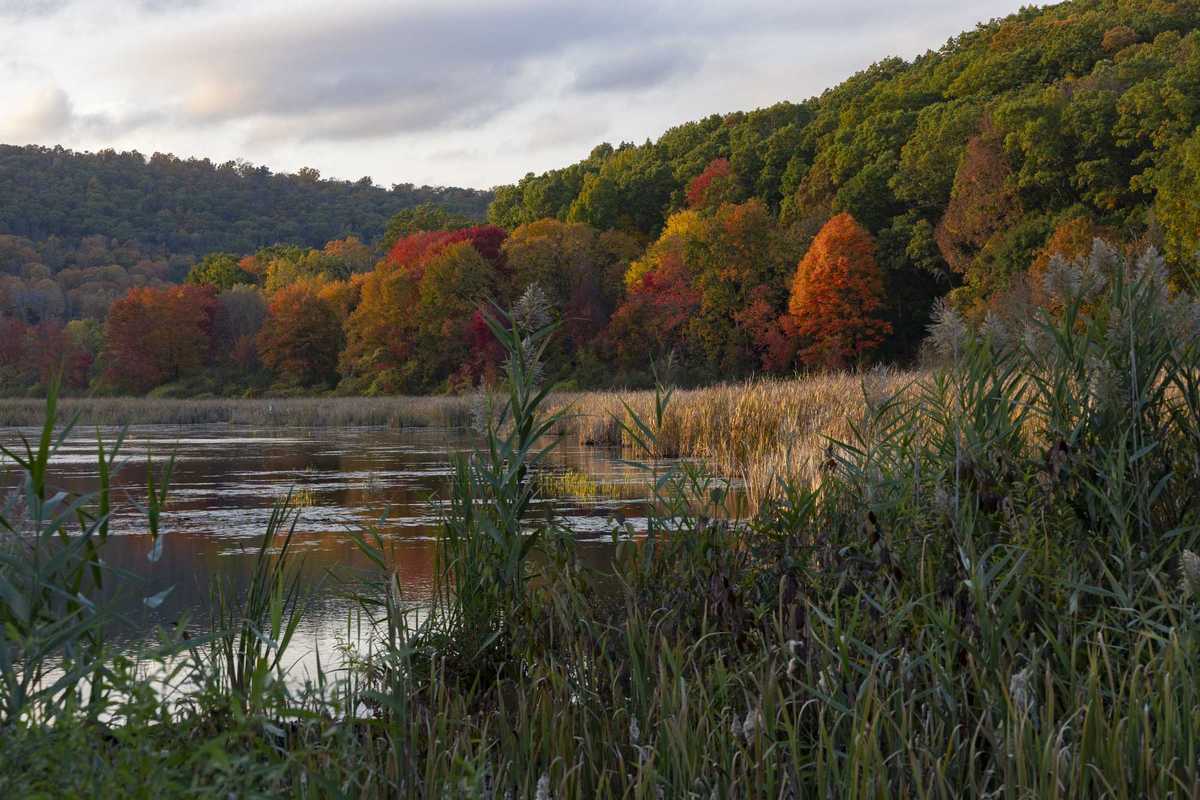
 Sharon, CTBill Wakeley
 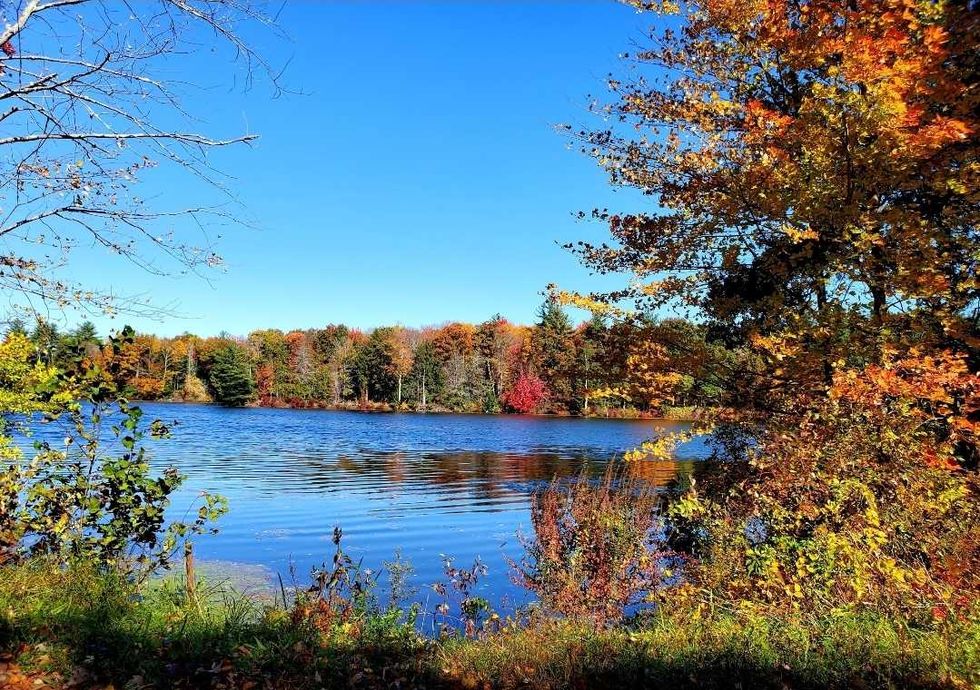 Mill Pond, Sheffield MADeb Segalla-Watson
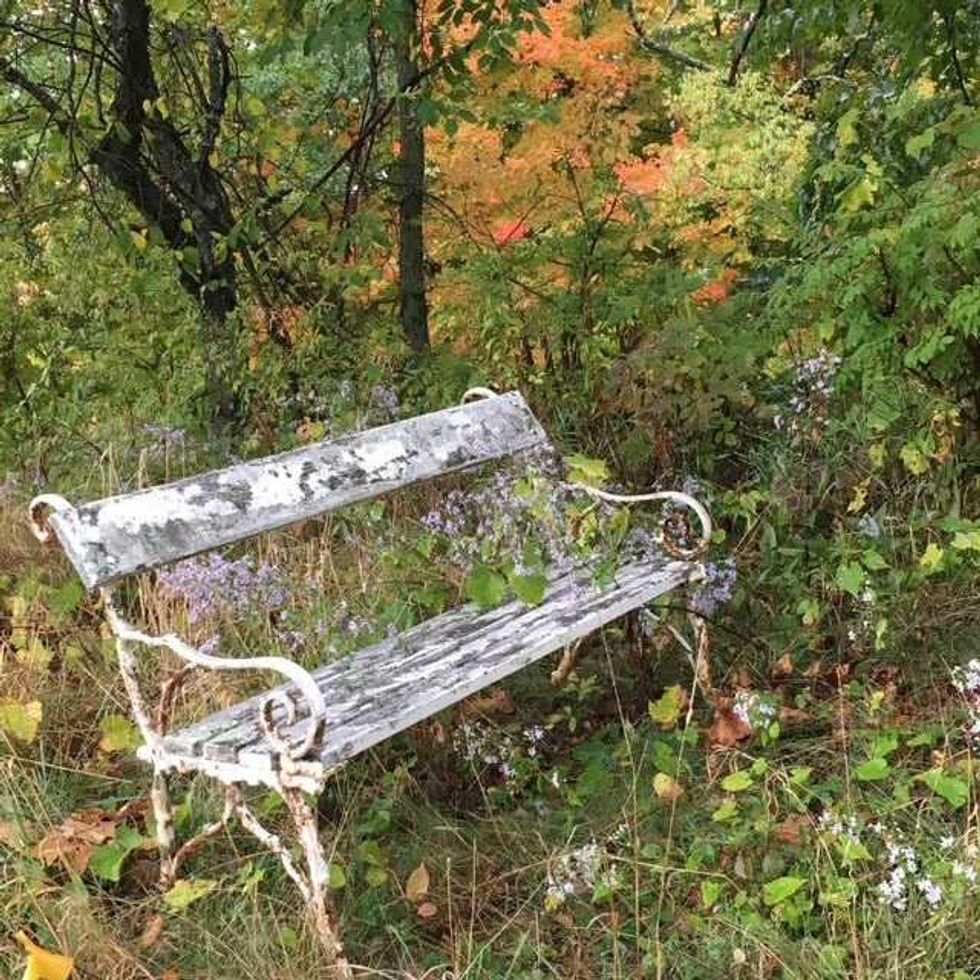 New Marlborough, MAWendy Miller
 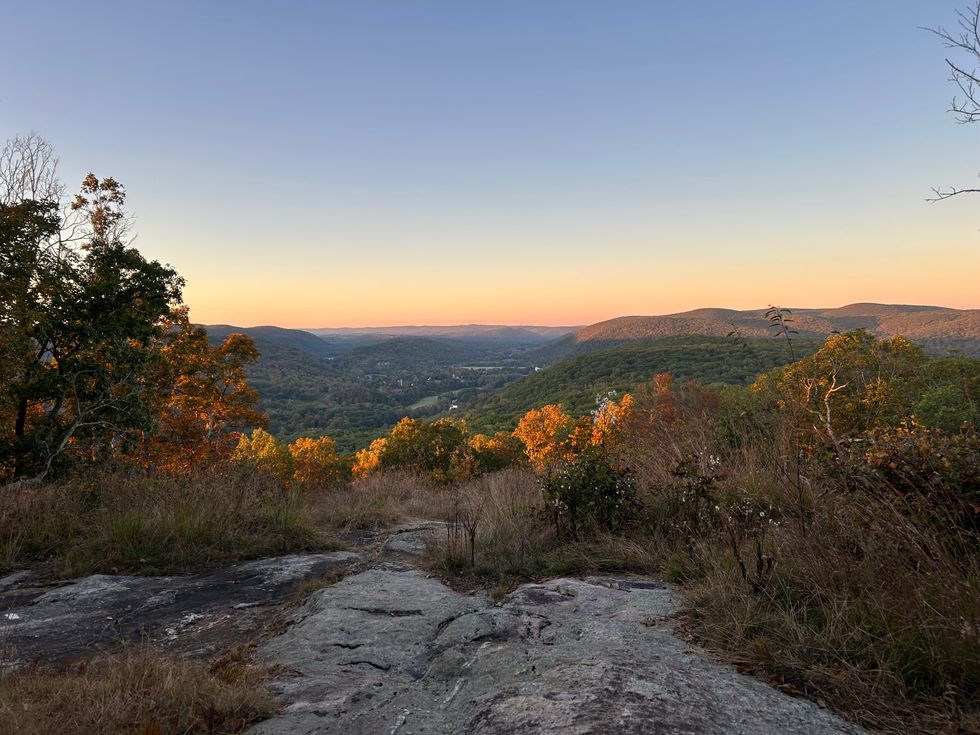 Peter Austin
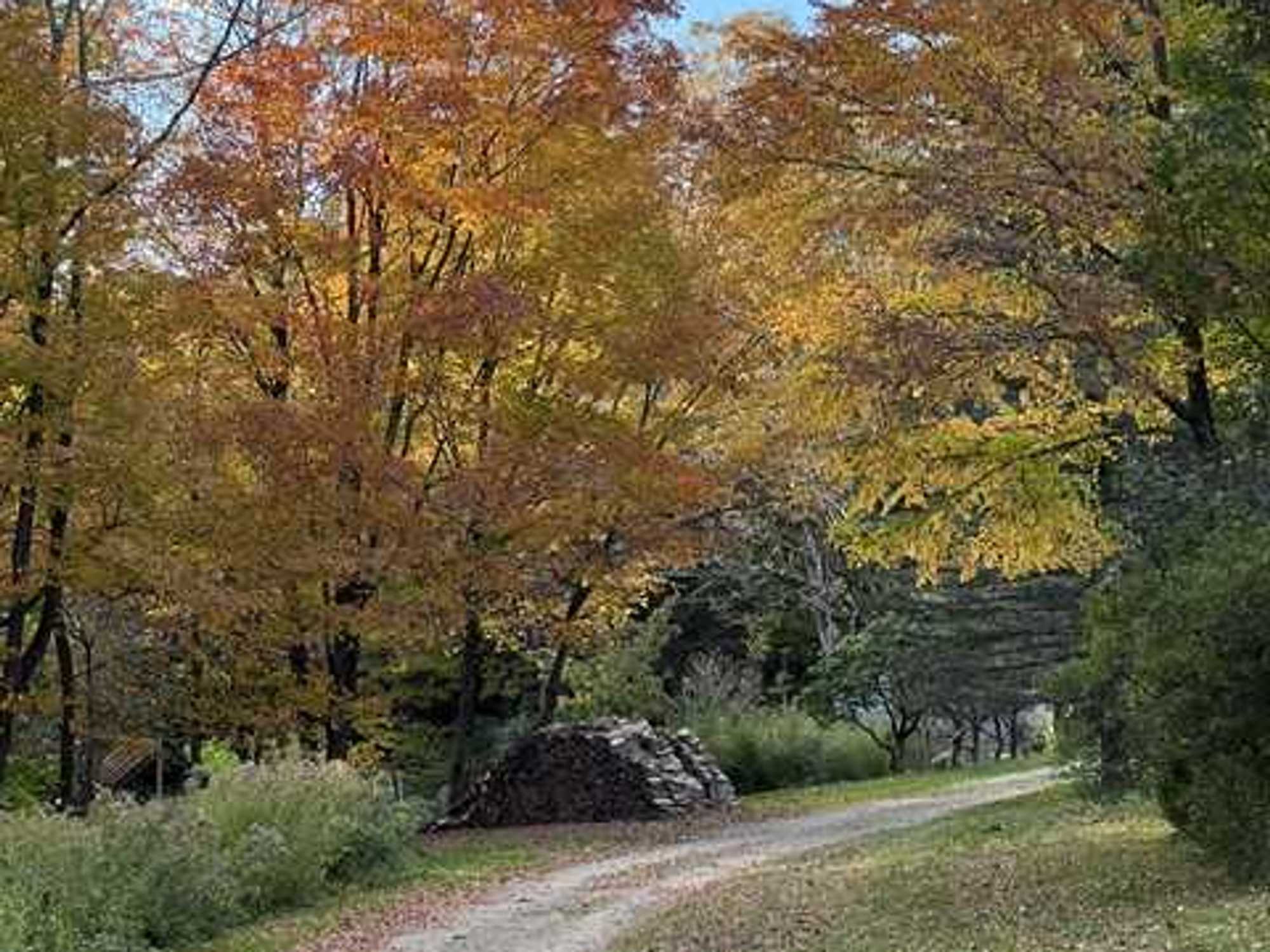 Falls Village, CTPete Sanders
  Tom Carley
 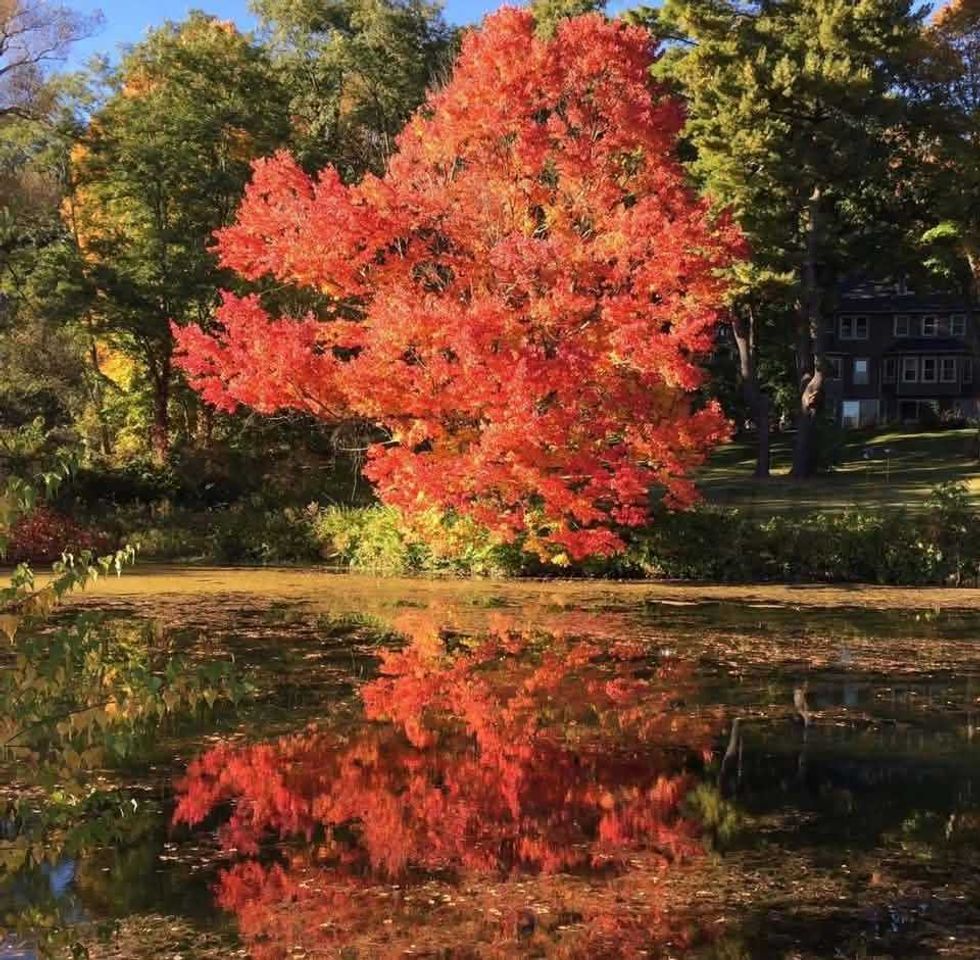 Factory Pond, Lakeville CTBarbara Peck
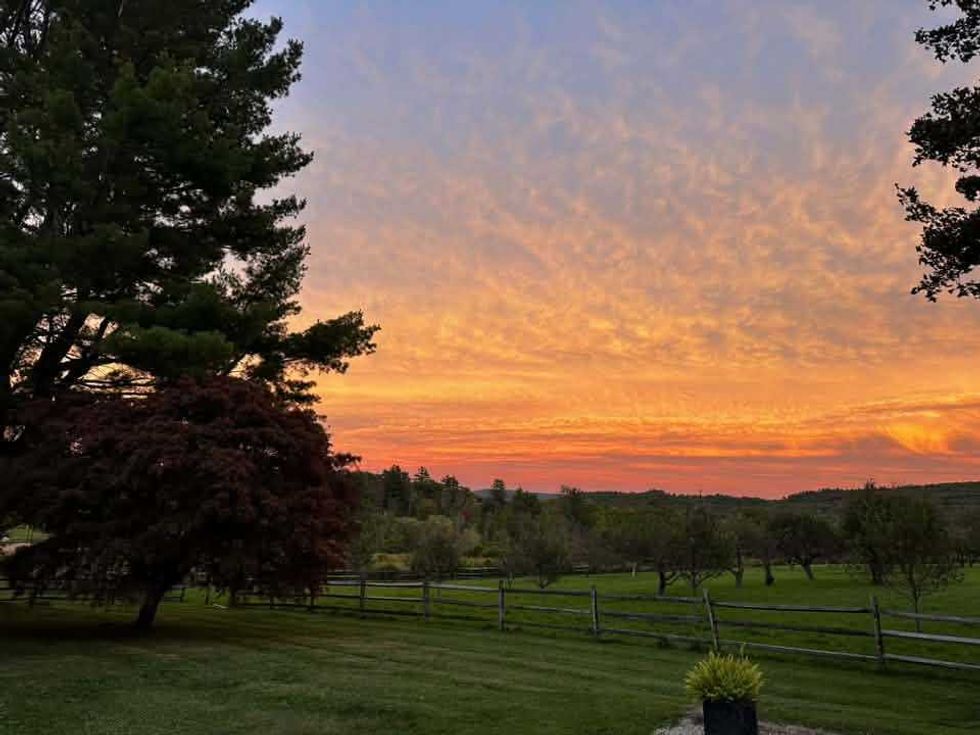 Lime Rock Road, Lakeville CTKeary Hanan
 Lime Rock Road, Lakeville CTJake Marcum
 Housatonic River, Sharon, CTBill Wakeley
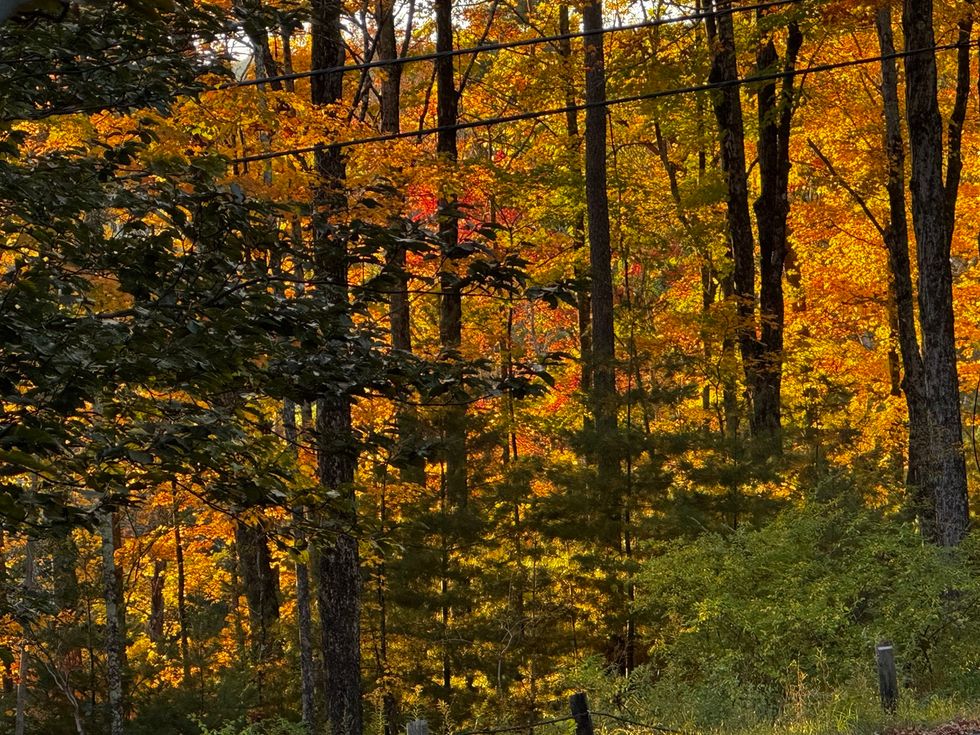 Norfolk, CTTom Carley
 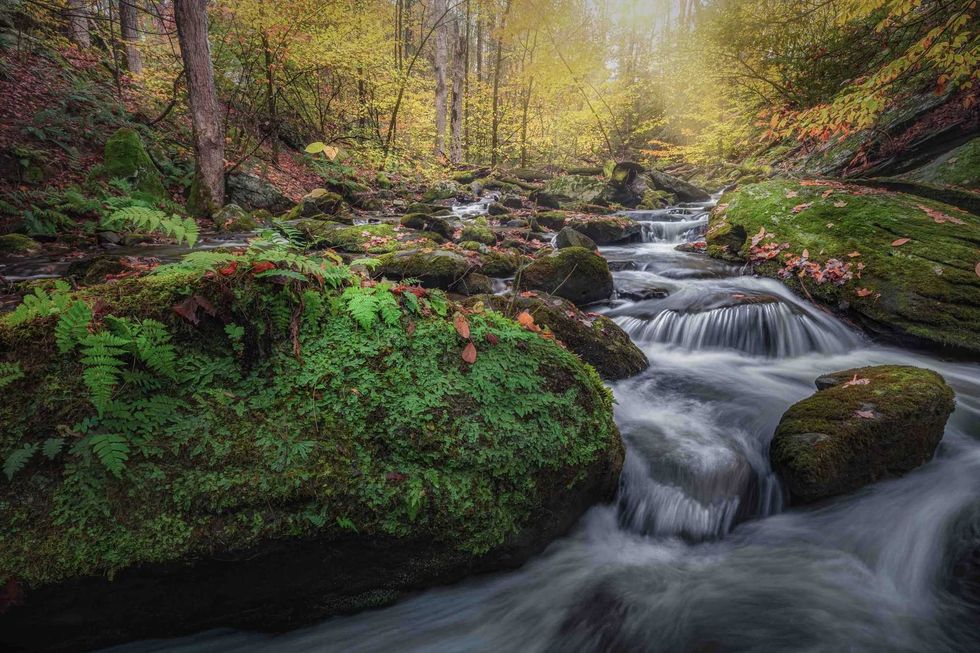 Reed Brook, Deans Ravine, Canaan CTBill Wakeley


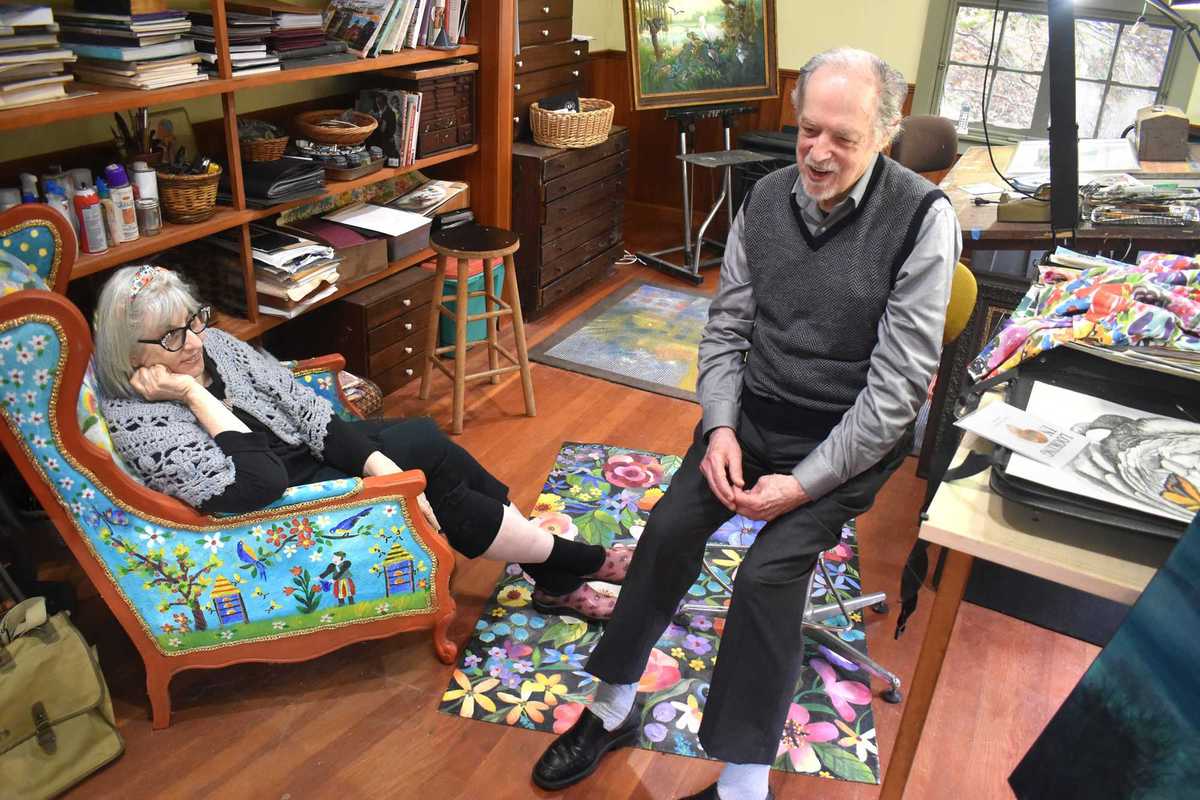
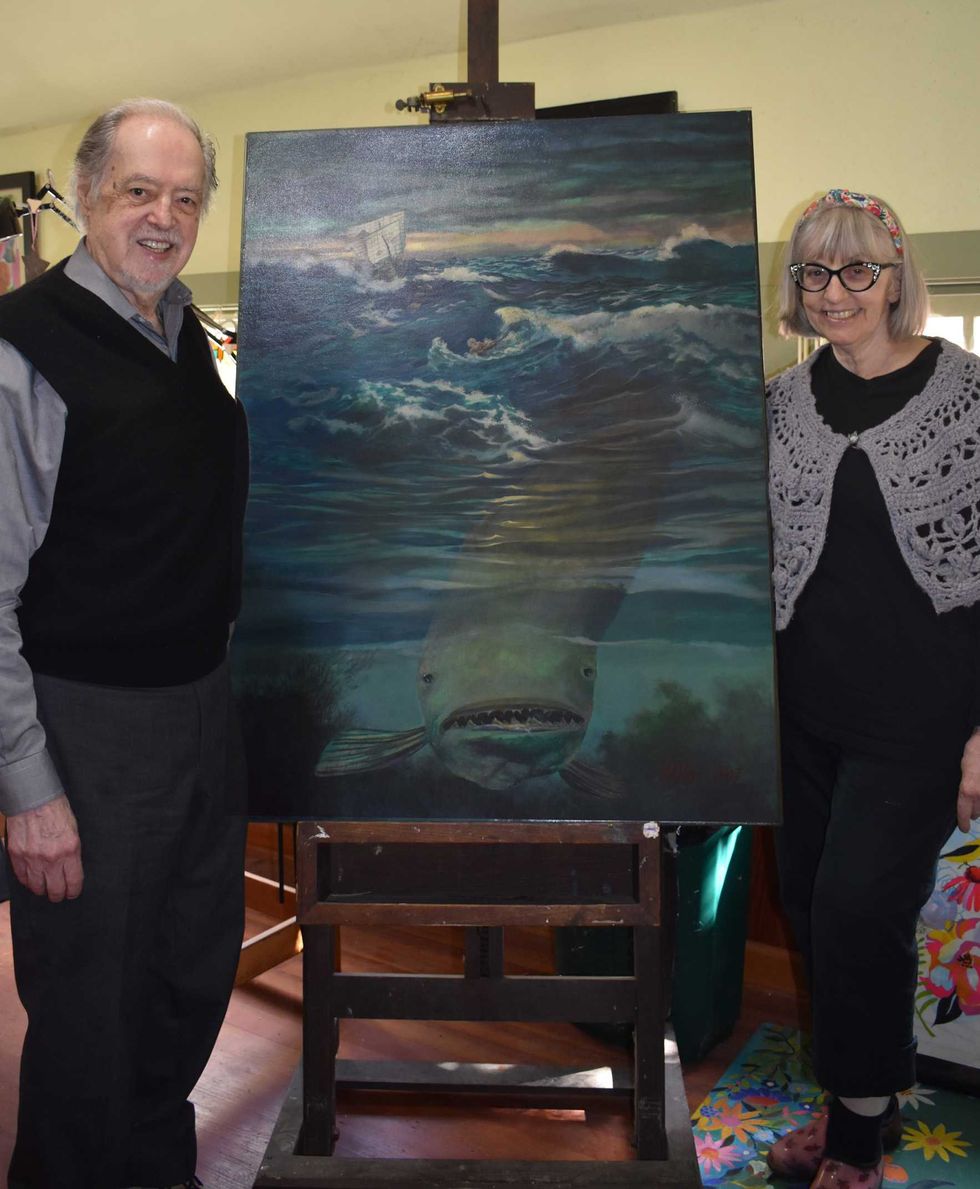 Justine and Victor Valla in their studio with a painting of Victor’s,”Jonah and the Whale.” Robin Roraback

 A ceramic vase by Kathleen Heidemann.Provided
 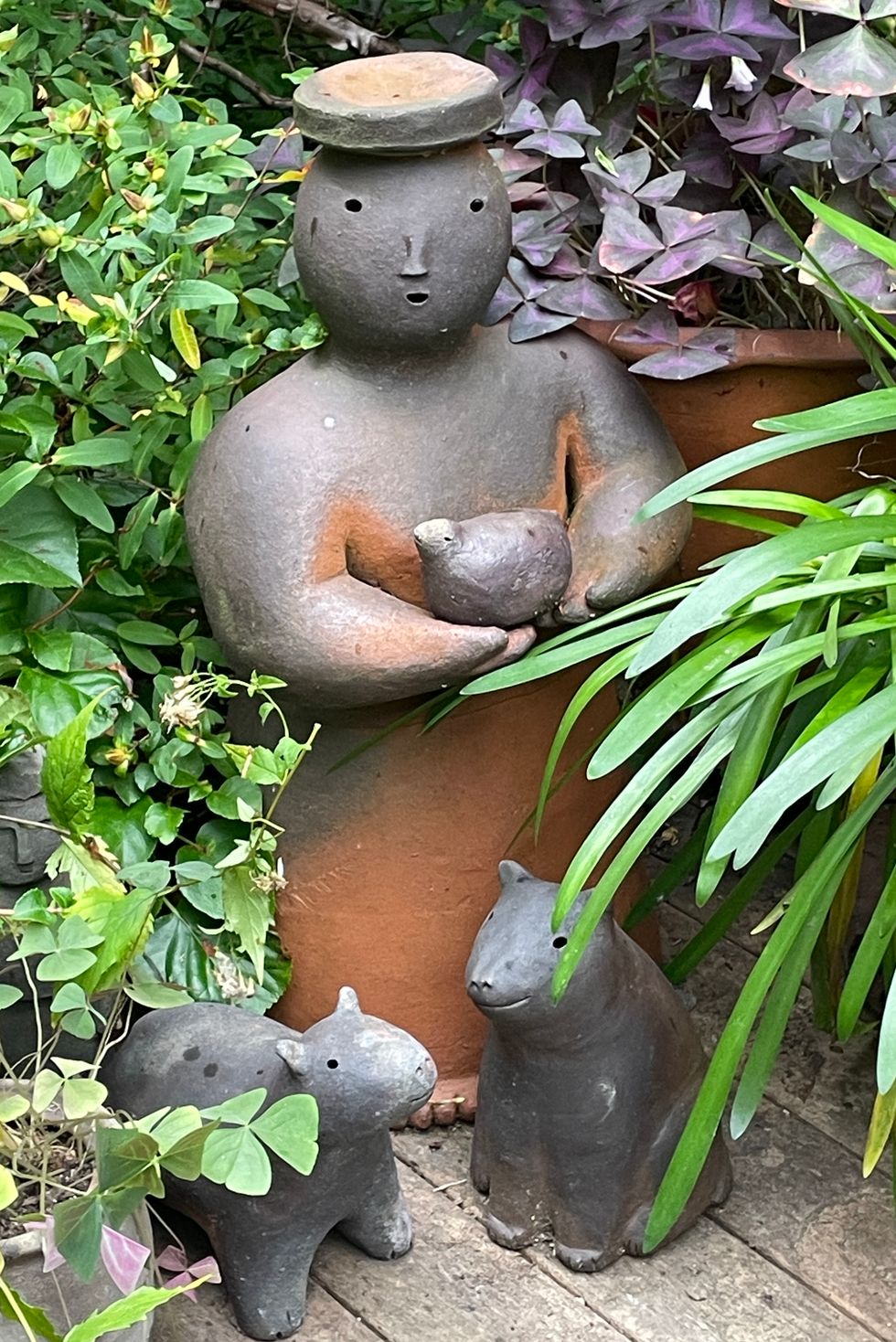 Joy Brown’s delightful ceramic sculptures.Provided