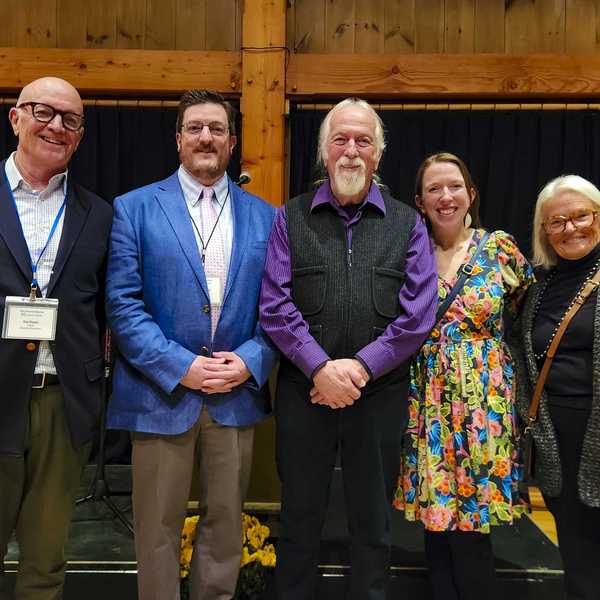
FALLS VILLAGE —The very first concert at Music Mountain in Falls Village, 80 years ago, had plenty of notable figures in the audience (see the story from the 1930 Lakeville Journal, this page), but the 80th anniversary concert held Sunday, Sept. 6, 2009, was notable in a special way: State Sen. Andrew Roraback (R-30) joined Nick Gordon, who is Music Mountain’s president and the son of founder Jacques Gordon, onstage and read a proclamation from Gov. M. Jodi Rell. In it, she praised the musicians, supporters and volunteers who keep the concert hall alive and vibrant; and she declared Sept. 6, 2009, “Music Mountain Day� in the state of Connecticut.
Gordon read aloud another congratulatory letter, from Michael Stern, son of violinist Isaac Stern, in which he applauded the “intrepid leap of artistic faith� that was required to open this concert hall “against the backdrop of the Great Depression.�
He also referred to the historic trip he took with his father to China in 1979, one of the first when Western artists were invited to perform there. At that time, they met the young Shanghai String Quartet. Stern recommended the quartet to Gordon, and they have performed the final quartet of nearly every Music Mountain season for the past 25 years.
“My father would have been very proud to see them at Music Mountain, all these years later,� Stern wrote.
On Sunday, the Shanghai performed works by Beethoven, Ravel and Schumann in a re-creation of the program performed on Aug. 22, 1930.
As he introduced the quartet and Sen. Roraback, Gordon, who was wearing a light-weight wool blazer, noted happily that the concert hall is now air conditioned. However, he said, the plan all along had been to leave the air conditioning off for the anniversary concert, for greater authenticity.
“Happily,� he said, referring to the cool weather, “air conditioning is unnecessary today.�
Music Center Dedicated in 1930
This article about the opening of Music Mountain was printed in the Aug. 28, 1930, edition of The Lakeville Journal.
FALLS VILLAGE — More than 1,000 persons prominent in all walks of life were present Friday and Saturday afternoons of last week, Aug. 22 and 23, at the dedicatory chamber music festival of the Gordon Musical Foundation at the new music center on Music Mountain, Falls Village.
The program presented Jacques Gordon, former concertmaster of the Chicago Symphony Orchestra; Helen Stanley, soprano of the Philadelphia Opera Company; Harold Bauer and Lee Pattison, noted pianists; and the Gordon String Quartet.
Among the guests were Ethel Barrymore; George Bakmeteff, former imperial Russian Ambassador; Lady Komp of Toronto; United States Sen. Hiram Bingham and Mrs. Bingham of Connecticut; Mrs. Waller Bordon, Mrs. Chauncey Blair and Frederick West, all of Chicago; Ezra Winter, the painter; United States Senator James E. Watson of Indiana; Professor David Stanley Smith of the Yale University School of Music; Mr. and Mrs. James W. Fessler of Indianapolis; Mr. and Mrs. William A. Prendergast of New York; United States Sen. Frederick Wollcott of Connecticut; Mrs. Robert E. Speer, president of the National Council, Y.W.C.A.; Mrs. Charles Ditson of Boston; Zor Akins, the novelist; Mr. and Mrs. Henry Bridgman of Washington, D.C.
Sponsored by groups of New York, Chicago, Indianapolis and Boston men and women of prominence, Jacques Gordon’s new musical foundation will provide low-cost instruction under the best of teachers for deserving young musicians, largely those members of the finer musical organizations who are financially unable to properly pursue their studies privately. This is the first institution of its kind in America. On Music Mountain these advanced young musicians will receive summer instruction at the low cost of $12 per week. There are now 27 pupils attending the foundation school.
Five Colonial-type buildings have been built this year at a cost of approximately $150,000, designed by David S. Betcone, prominent architect of Chicago. The foundation has purchased 120 acres of land on a mountain top, a part of the old Barracks Farm, so called because of the location there during the American Revolution of a Colonial army detachment barracks, and renamed Music Mountain. In order to transport the building materials up the mountain side an old road out of Falls Village had to be almost entirely rebuilt.
The main music hall and instruction studio building houses a concert and recital room that will seat 500 persons. Its interior is finished in old Colonial knotty pine and exposed heavy ceiling beams with New England Puritan type benches for the seating arrangements, and the acoustics have been exceptionally well carried out by the designers and builders. On Friday last, the opening day of the dedicatory festival the music hall was taxed beyond its capacity and many guests stood outside the doors on the flanking terraces. Despite the heavy rains on Saturday more than 400 attended the second afternoon concert.
The Gordon String Quartet opened the program with five pieces by H.W. Warner, and with Mme. Stanley and Mr. Pattison, took part in “Chanson Perpetuelle.� The quartet then played Mozart numbers, and Mr. Bauer and Mr. Gordon played music by Beethoven.
Five concerts are to be given at the Gordon Musical Foundation on Music Mountain, commencing Sunday, Aug. 31, and continuing each Sunday through September. The Gordon String Quartet, with Lee Pattison at the piano, will give the concerts.
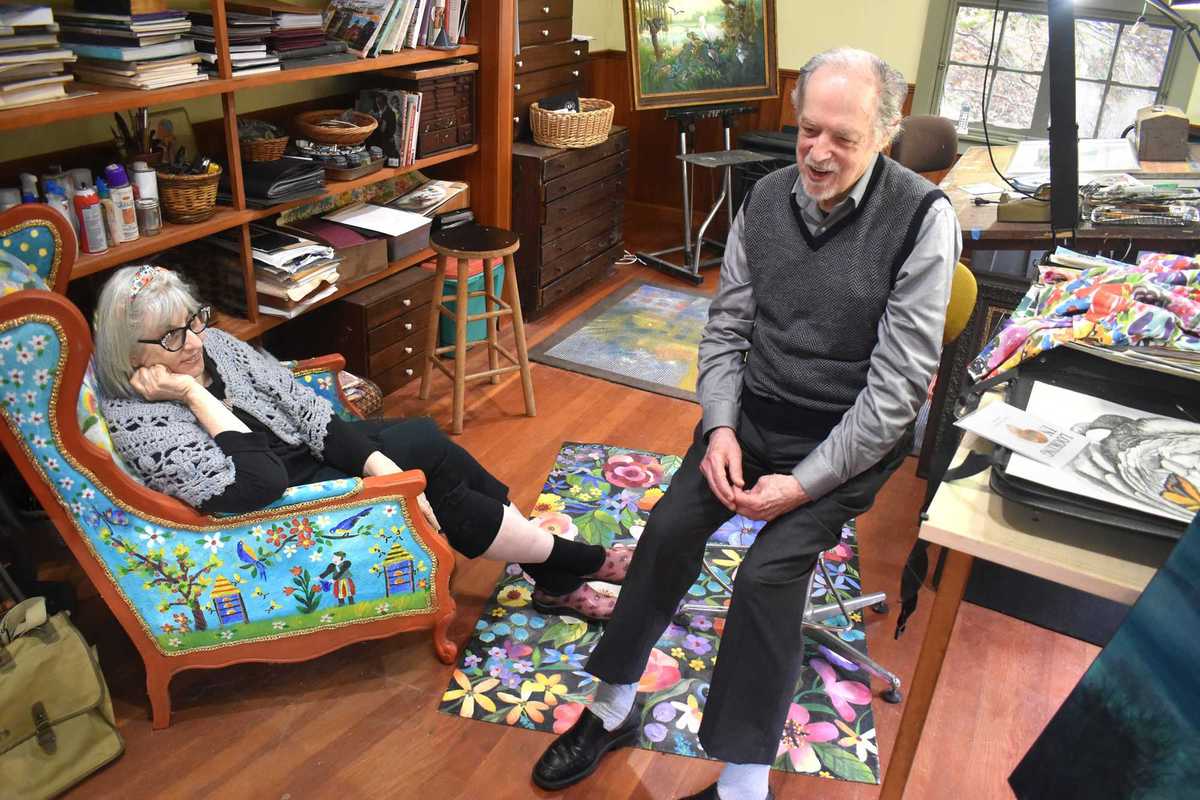
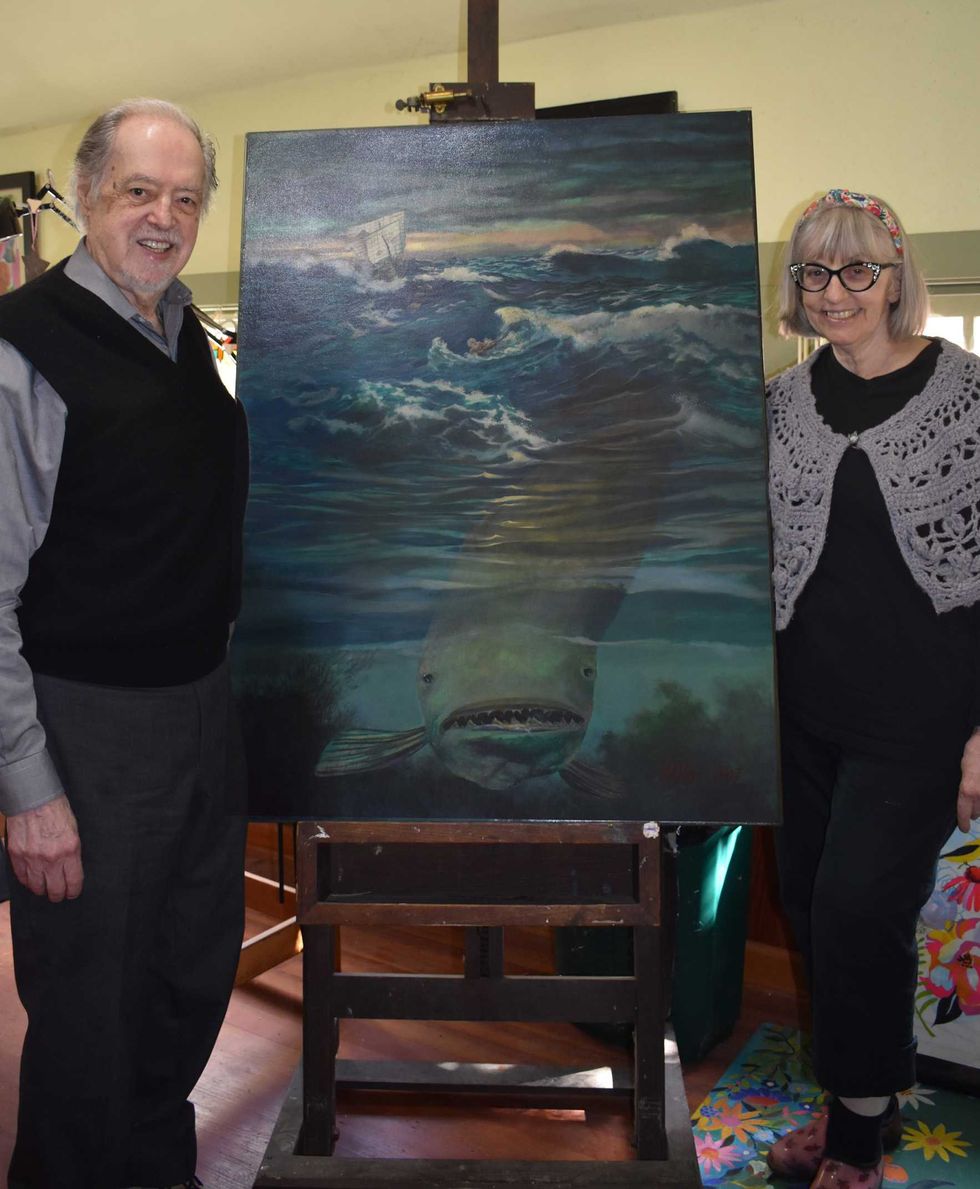 Justine and Victor Valla in their studio with a painting of Victor’s,”Jonah and the Whale.” Robin Roraback


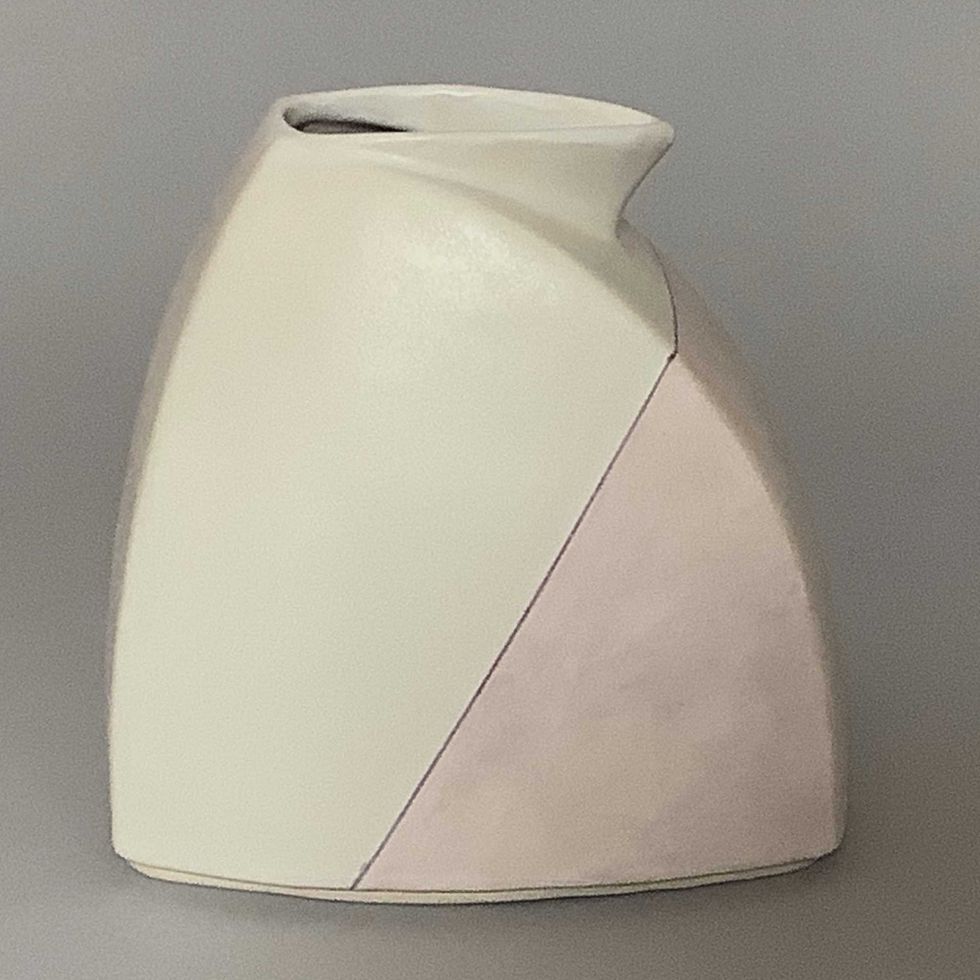 A ceramic vase by Kathleen Heidemann.Provided
 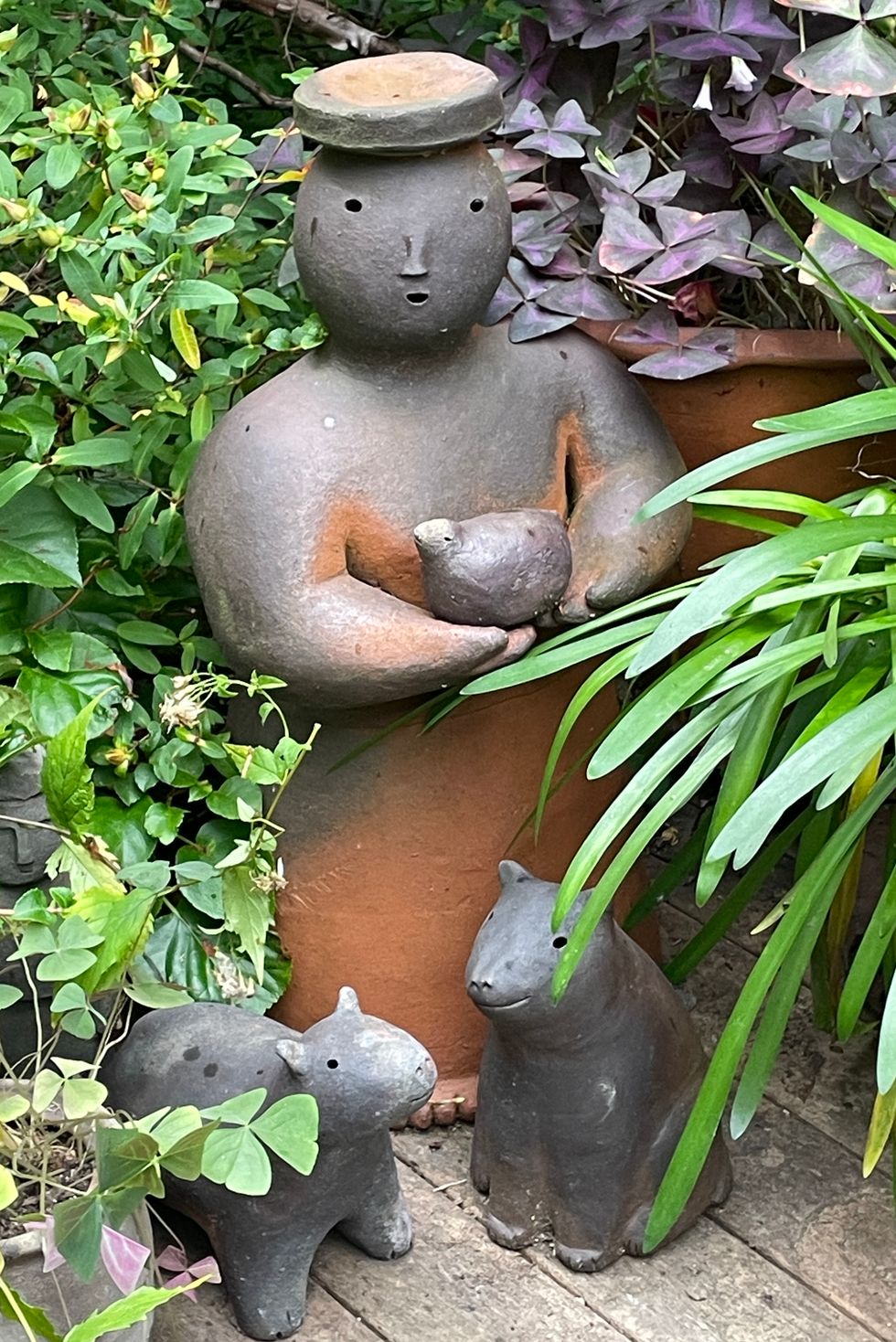 Joy Brown’s delightful ceramic sculptures.Provided
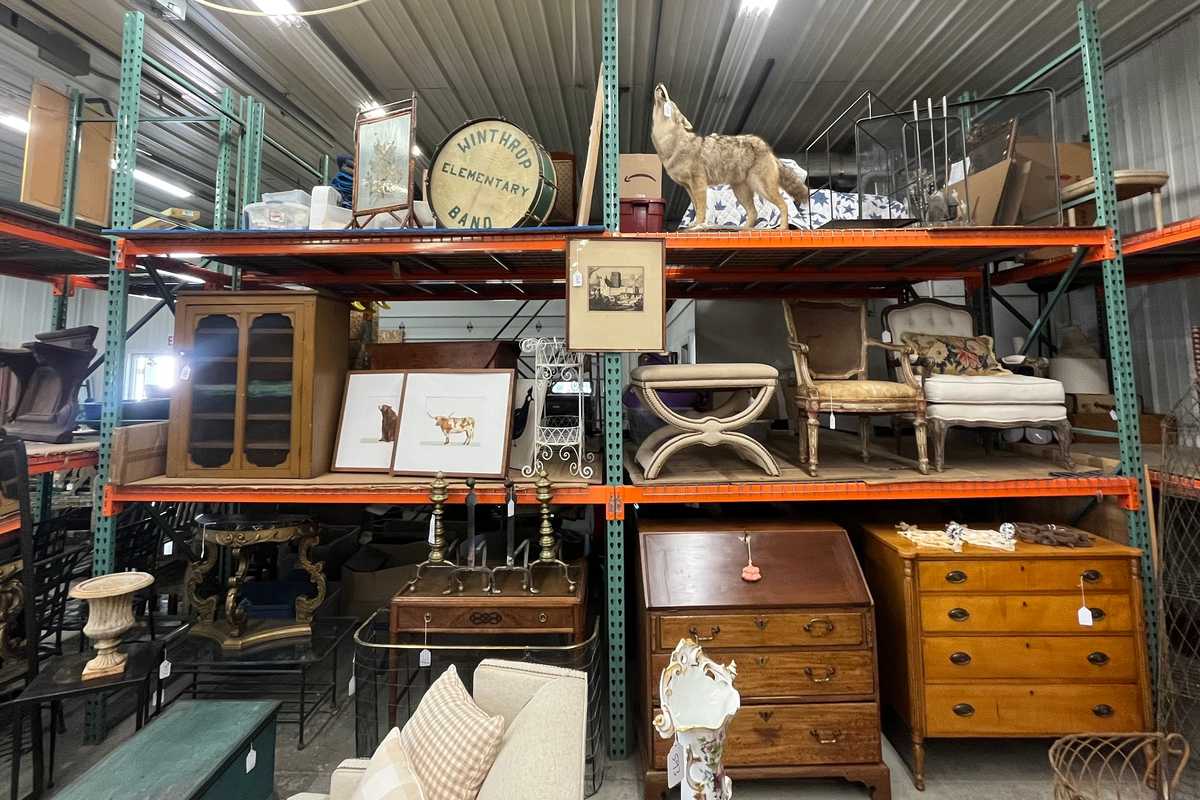
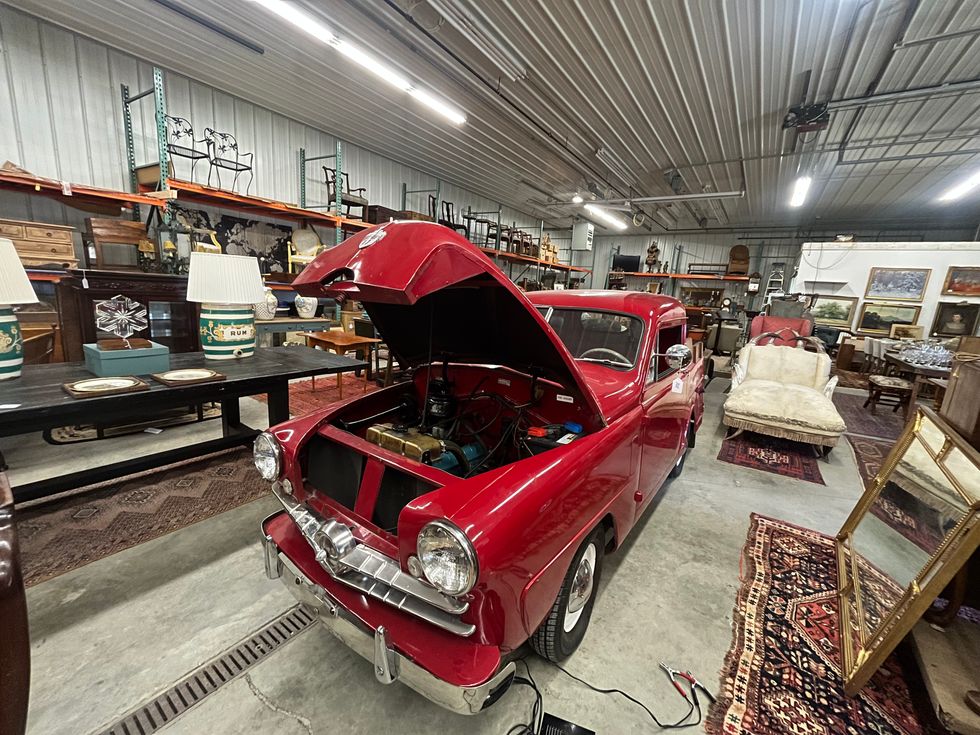 Hundreds of items at Stateline Auctions, including a candy-apple-red Crosley pickup truck.D.H. Callahan