NORTH CANAAN — One does not have to search far to find great gifts and accomplishments at Geer Village. Among its residents are many retirees who could easily rest on their laurels. Then there are those who continue to share their talent and experience.
Stuart W. Little, at 86, is doing the latter. On April 16, he drew a large audience at his current home at Geer for a reading of his book, “Home in Fenwick: Memoir of a Place.�
He charmed his audience with tales of sailing and unforgettable summers on the tiny Fenwick peninsula off Old Saybrook, where the Connecticut River meets Long Island Sound. There are still only about two dozen homes in the borough.
The story takes place in 1970. Katharine Hepburn was starring on Broadway in “Coco,� the only stage musical of her career. And whenever she could escape New York City, the Hartford native headed for Fenwick.
It was there that Little grew up, as a close friend of the family. He was in awe of her and often attended Mrs. Hepburn’s daily afternoon tea on the porch. The conversation would be described today as edgy, given the Hepburn family’s free-thinking style.
Years later, the connection continued. Little describes a game of doubles tennis that he and his wife, Anastazia, played with the actress and her brother, Dick.
Hepburn was always forthright in manner, and an aggressive athlete, he said. But she announced before their match that caution was needed. She couldn’t afford to get hit in the face while she was in the play. Despite his efforts, a hard shot by Little went astray and hit her square in the face. Tense moments followed.
“Thankfully, I didn’t damage those famous cheekbones,� Little said.
“Fenwick was the place Katherine was always leaving, and always returning to. It had a hold on everyone, but none as great as Kate,� he said.
While Little’s book — and his reading at Geer Village — is peppered with celebrities, his stories are presented as vivid memories of a close-knit community enjoying simple summer days on the shore.
Just as interesting was Little’s description of how he met his wife. He mentions (almost in passing) that he was working in London in July 1945 for the Office of Strategic Services (OSS), the predecessor of the CIA. Anastazia Raben-Levetzau came to Little’s flat looking for his roommate, Jim. As fate would have it, Jim wasn’t home.
Stuart and Anastasia were engaged five weeks later and married in September 1945.
The Littles kept a home in Fenwick until 1995. Meanwhile, both were writers in New York City. Little wrote plays and worked for NBC and the Herald Tribune newspaper. With William F. Buckley Jr., he published the Buckley-Little catalog of out-of-print books.
Before audience members at Geer Village lined up for autographed copies of the book, Little read a portion, of an incident that still stands out clearly in his mind.
When Little was a teenager, Howard Hughes came often to Fenwick to visit Hepburn. Although he saw them together frequently, he would not confirm gossip of a romance between the two. They usually golfed or sailed, he said.
One afternoon, in 1938 or so, the couple was stuck at their boat’s mooring, with a storm brewing and no tender to get them to shore. Little was moored about 50 feet away and heard Hepburn declare she would swim to shore and get a boat that could rescue her companion.
With the canoe his father insisted he use as a dingy, Little gave them a ride to the dock.
He described how Hepburn sat facing him in the canoe, her head wrapped in a scarf, wearing a “smile that came straight out of a movie screen.�
While he tensely navigated the choppy sea and its crosscurrents, terrified that he might dump his celebrity passengers (who were now his “comrades at sea�) into the drink, Hepburn calmly asked him about his sailing adventures.
But the magical interlude ended when they spotted the paparazzi lined up on the dock. The photo was snapped, and when Hughes made no move to respond, Hepburn gave chase. The photographer was lucky; he escaped.
“I was left without so much as a smile, but with an image of her private, fiercely independent self.�



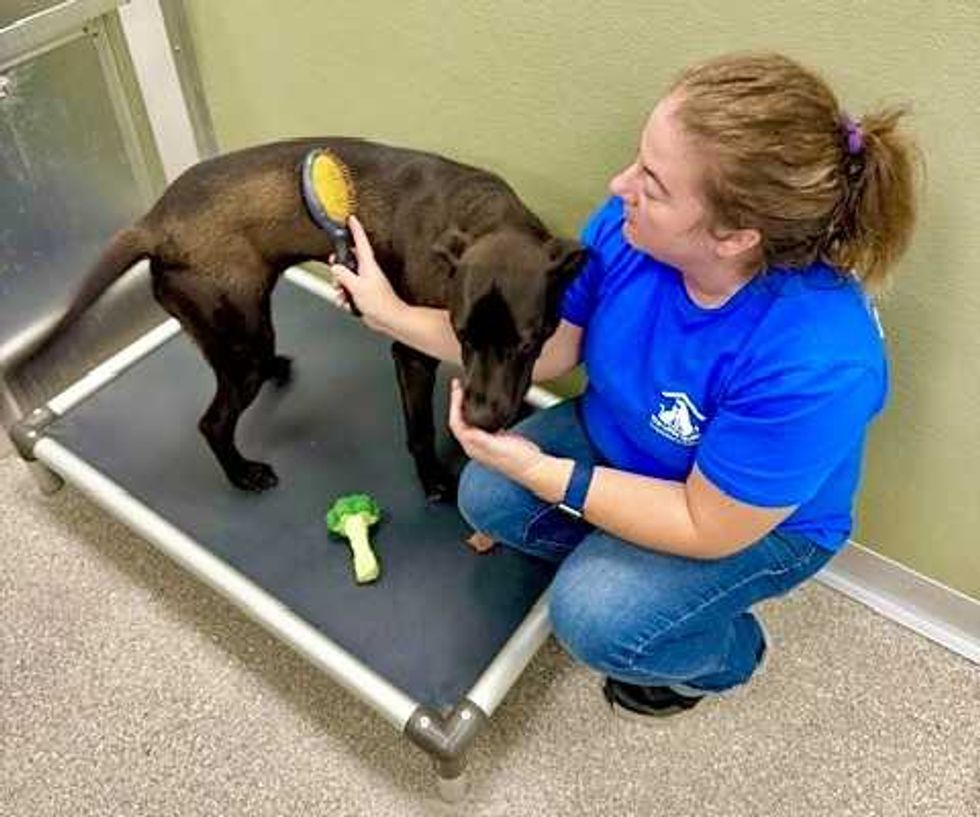 Tiffany Lemelin, shelter manager, brushing Marsala upon arrival.Provided
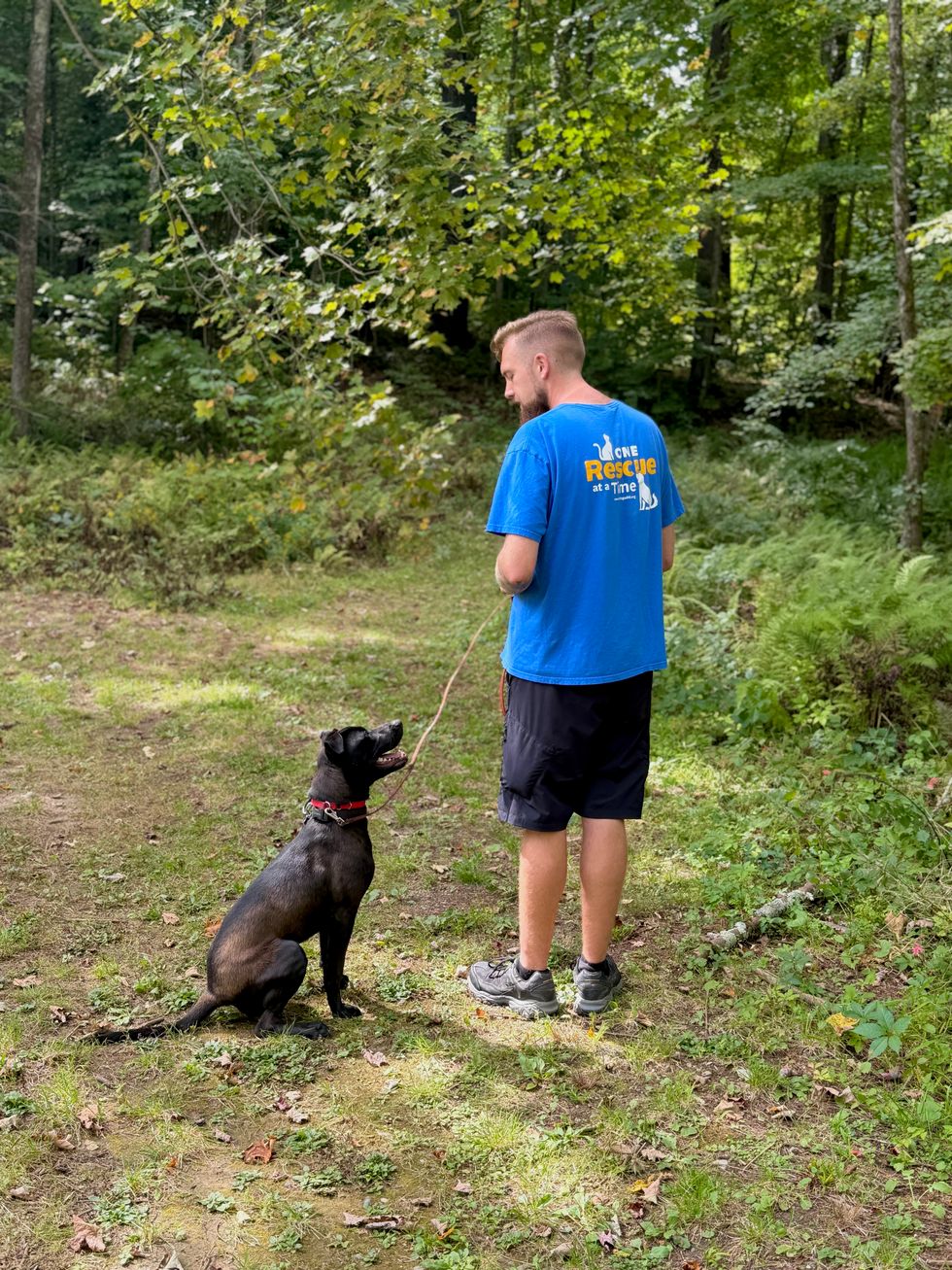 Michael DeBarba, certified dog trainer working with Marsala.Jennifer Almquist
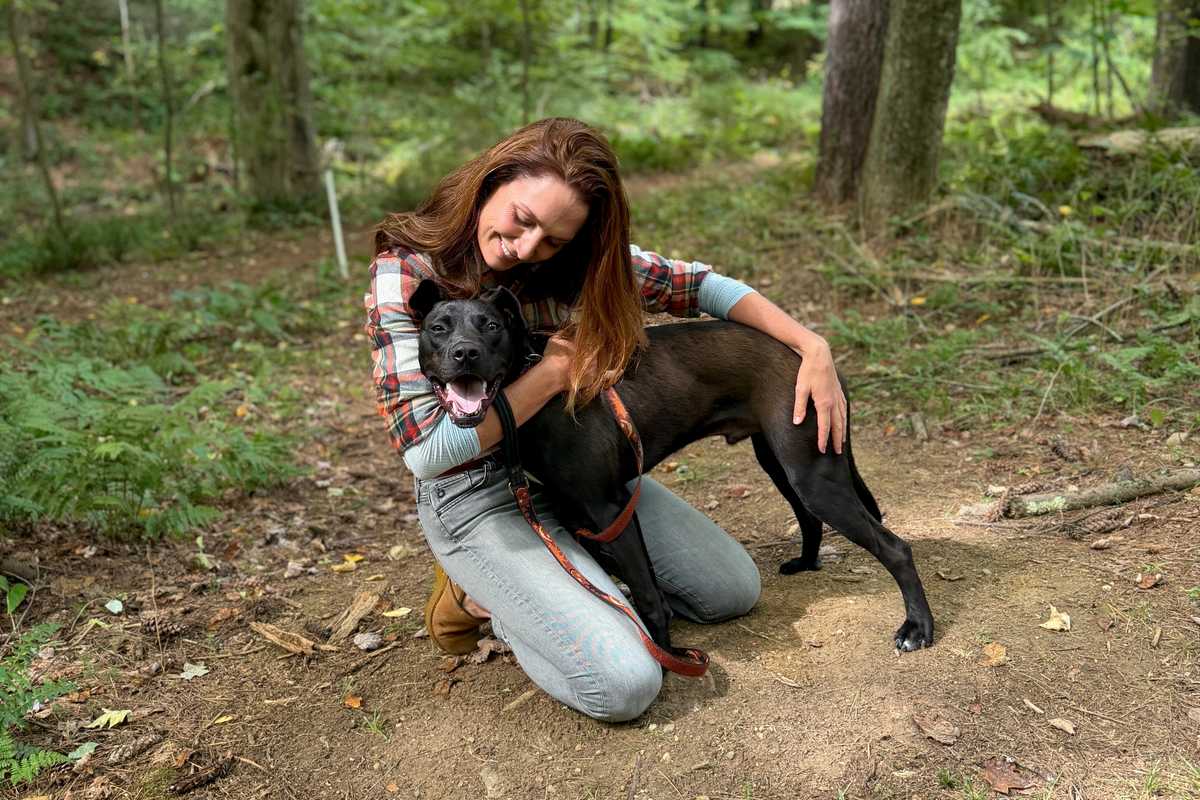 Marsala wins a heart.Jennifer Almquist
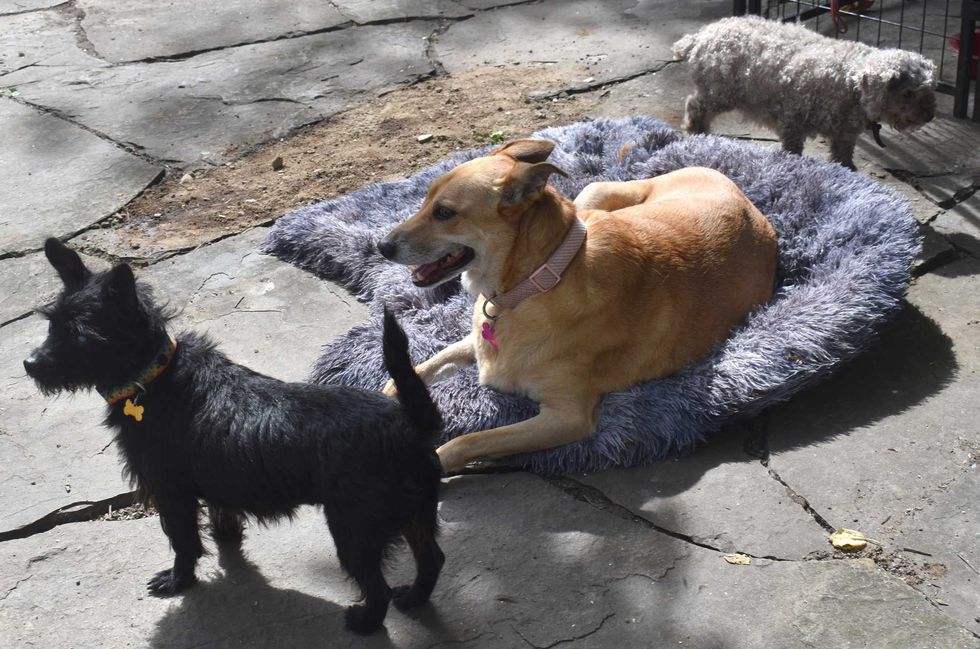 Sadie, center, a Carolina dog, plays with her friend Negra, a terrier mix. Bella Linda, the small poodle, has since been adopted.L. Tomaino
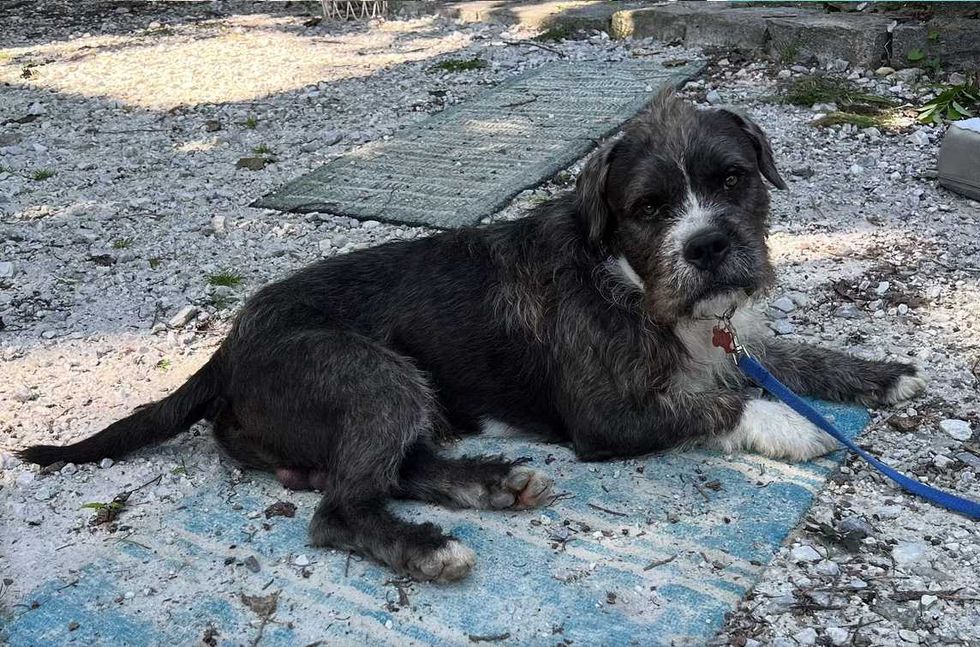 Wesley, a young, exuberant mix, is looking for an active home.L. Tomaino
 Bonnie and Clyde, an affectionate terrier pair.L. Tomaino
 Provided