If you haven’t bought armloads full of tomatoes yet, do it now, advises farmer Charlie Paley of the eponymous farm market in Sharon. It’s been an astonishingly good growing season, according to Paley and other growers in the region, but Paley cited tomatoes and corn as being particularly good this year.
“I’ve never seen the fields so full of corn,� he said, and estimated that the Jacquier’s “field� corn in the Weatogue section of Salisbury (near Dutcher’s Bridge) is about 12 feet tall (which leads one to speculate on how high it would have to grow to meet an elephant’s eye). “And this is the best crop we’ve ever had of heirloom tomatoes.�
Most years, he said, the tomatoes begin to crack and split as the August heat bears down on them. This year, every tomato has been smooth and practically blemish free. Paley keeps a selection of them out on his counter for easy snacking.
“The tomatoes are so sweet at this time of year, I’d rather eat them than fruit.�
Business has been brisk at the Sharon market, as it has been at other farmstands around the region. None of the growers is sure exactly why, but perhaps the shoppers and chefs sense instinctively that this has been an extraordinary growing season. Fruits and vegetables are enormous and flavorful, with perfect skin.
“The rain came at just the right time this year, and there was a good amount of it,� said Theresa Freund of Freund’s Farm Market in North Canaan.
Other farmers agreed. George Dean of Falls Village specified that “the storms came out of the northwest this year instead of the south,� and as a result there have been fewer pests and bugs plaguing his crops, which have been growing like gangbusters this year. In addition to corn and tomatoes, he also has peppers, potatoes, broccoli, cucumbers, squash, basil, bell peppers (“The best I’ve had in years,� Dean said) — and eggplants so glorious it’s hard to believe they grew in dirt.
“I haven’t had to do much spraying for bugs this year,� he said. “And a lot of the vegetables I never had to spray.�
Dean is an old-fashioned farmer who is outspoken in his praise of modern farm tools such as sprays and genetically engineered seed. He grows three varieties of corn that are all engineered and he wouldn’t have it any other way. The new seeds, he said, are tastier, sweeter and easier to manage.
The varieties he grows: Geronimo, Incredible, Delectable and Silver King. Which should not be confused with the old-fashioned favorite, Silver Queen. Although the Freunds still grow Silver Queen, many area farmers have given it up. And though they nervously dance around the question of whether their seeds are genetically engineered, most agree that the new corn seeds are so much better than the old ones that it would be absurd to even plant the old ones in this day and age.
“For about 10 years now I’ve been growing a type of corn called Super Sweets,� said Paley. He demurred from saying that he uses genetically engineered seeds. But he is adamant that “I wouldn’t be able to compete if I didn’t sell the new types of corn.�
It’s also easier to grow, he said.
“With the old corn, there was more of a time factor, you had to catch it right at the moment of maturity,� he said. “Now we have more time to pick.�
Ray McEnroe of McEnroe’s Organic in Millerton also danced around the question of how his seeds are produced. He said he isn’t sure what kind he uses but he does know they are certified organic. Similarly, the Freunds said they believe their seeds are hybrids but are not genetically engineered; other farmers, however, said that the hybrids are engineered products as well.
Why all the secrecy? Farmers seem nervous that their customers will have a negative reaction if they discover that their quaint local farmstand is selling engineered vegetables. Buyers still come to stands and ask for the old varieties they remember eating when they were children. If they got what they were looking for, area farmers suspect they would be disappointed — and would not come back to buy more.
“Silver Queen? People wouldn’t buy it today,� Paley said. “The new corn is so much sweeter.�
Julie Schroeder of Silamar Farm in Millerton said she does not grow genetically engineered corn, but uses old-fashioned bi-color varieties. Although she concedes that the newer corns are sweeter, she doesn’t want to make the switch.
“Something has been lost,� she said.

 Pay Bill for Robin Starr’s service in the Continental Army.Courtesy the Alex Breanne Corporation
 John Mills speaking at Quinnipiac University.Courtesy the Alex Breanne Corporation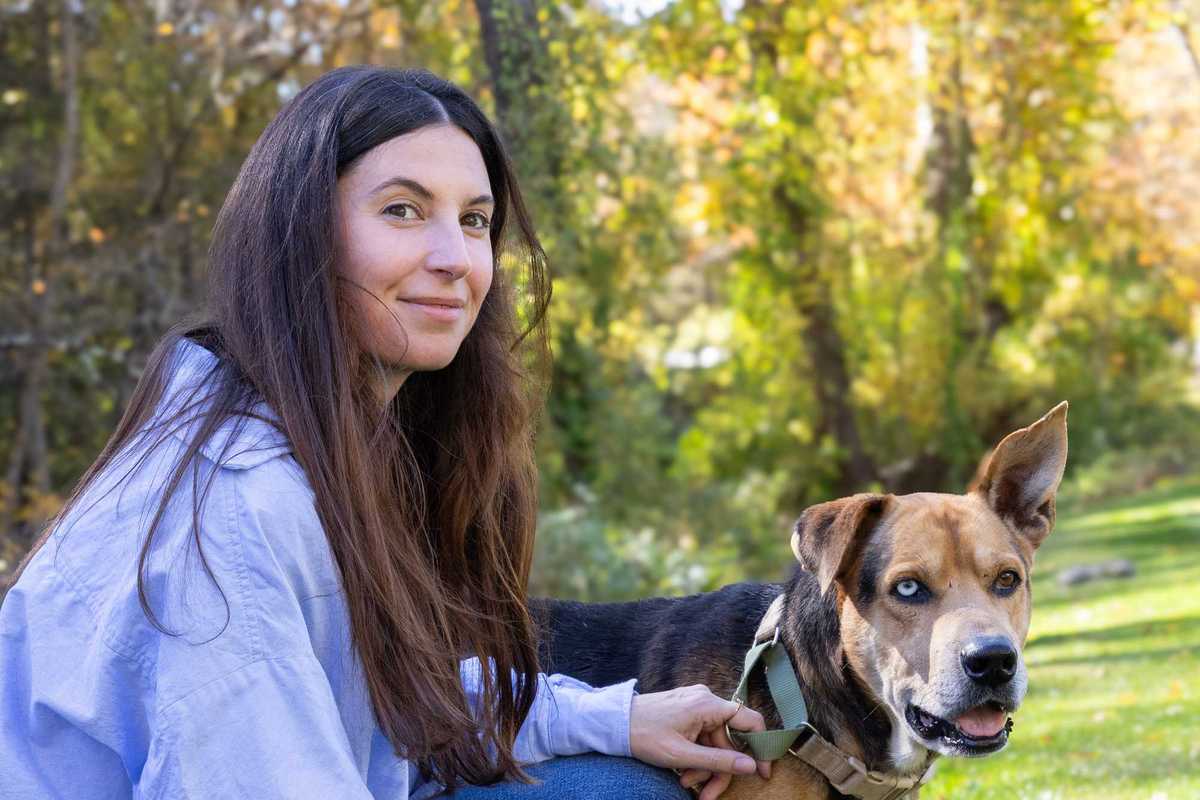
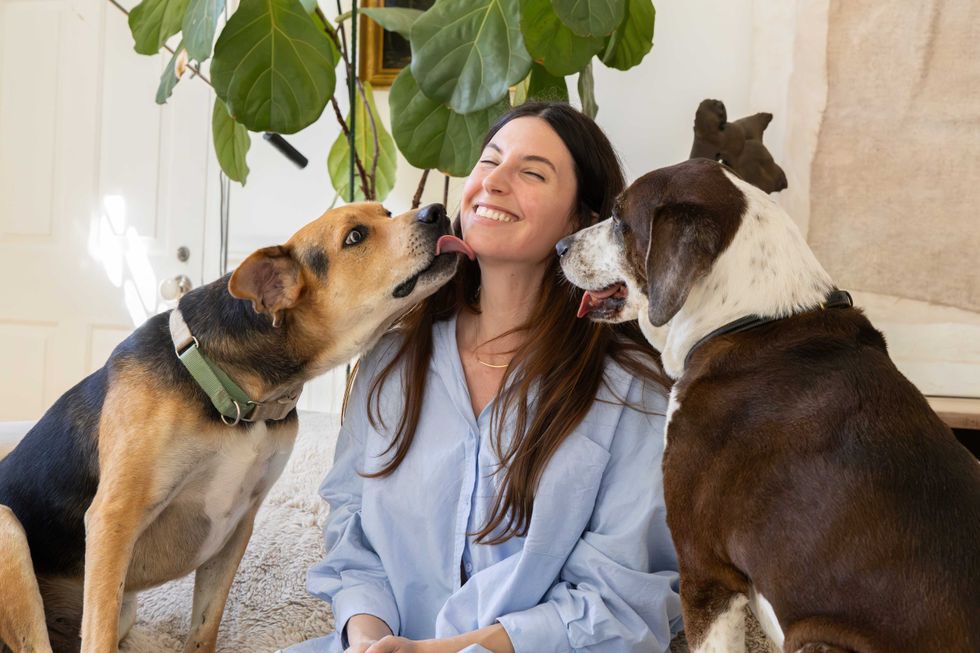 Stephanie Saetta,with her rescue dog George and Blue (left), a shepherd mix awaiting his forever home.Madi Long
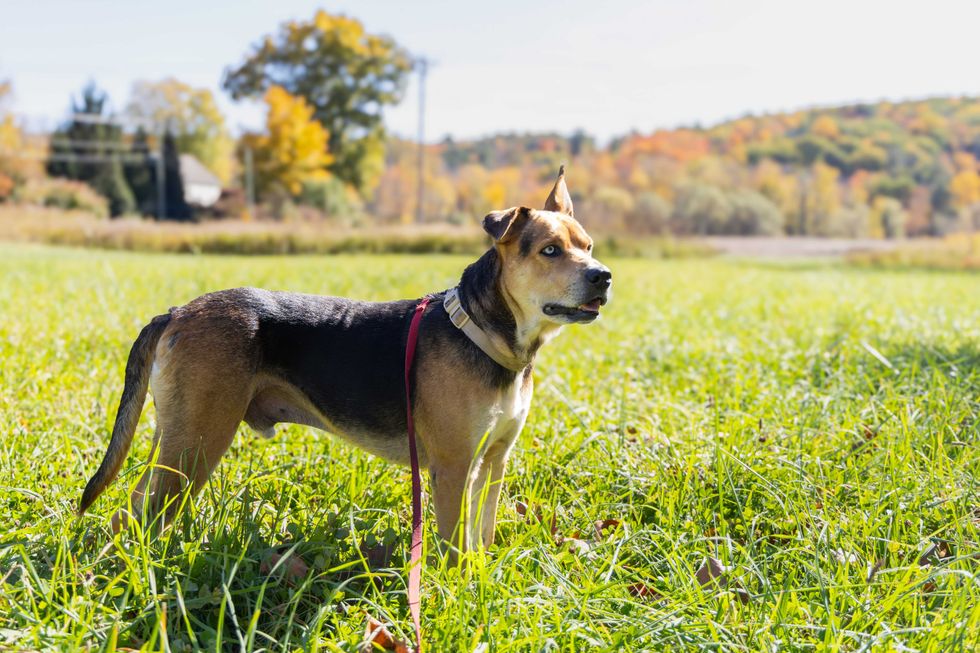 Blue, a 7 year-old Shepard mix, is waiting for his forever home. Madi Long