PINE PLAINS — The architects and construction managers in charge of upcoming repairs to the Seymour Smith Elementary School building laid out a working timeline and assured the district that work has been scheduled with the students’ education as a priority.
Representatives from Mosaic Associates Architects and The Palumbo Group made a presentation to the Board of Education at its Feb. 17 meeting. District residents approved the project during last year’s school elections. Since then, Mosaic has produced plans and specifications for the project, which were submitted to the state education department in December.
Mike Fanning, a partner at Mosaic, said that approval has been held up by two issues. The first is the state’s recommendation that the district consider adding wheelchair access to the stage in the Seymour Smith gym. The district administration decided that, if project budgeting doesn’t permit additional work, Pine Plains will lay out its intentions for providing access in the future.
The second issue is approval from the State Historic Preservation Office (SHPO). Because the Seymour Smith building is of historical significance, the state requires that the masonry reconstruction accurately restore the building to its original appearance. Fanning said they were expecting state approval shortly.
The entire project involves a variety of restoration and reconstruction efforts ranging in size and scope. Work runs the gamut from simply cleaning brick to repointing or reconstructing brick and masonry.
The surrounding sidewalks, notably in the front of the building, will also be replaced. New sidewalks, as well as new stormwater collection systems, should improve drainage problems. A paved driveway area once used on the right side of the front of the building will also be removed and filled in with grass.
The work will be undertaken in three phases. The project is projected to go out to bid by the end of March or beginning of April.
The first phase will begin immediately after, and involve second-shift work from 3:30 to 11 p.m., after school has let out. Work will be concentrated on the east and west sides of the building. Scaffolding may be present on the outside of the classrooms during the day, but The Palumbo Group has met with the local fire department and given assurance that no fire exits would be blocked while children were in the building.
The second phase, which involves more significant work to the front and rear of the building, is scheduled for this summer, from when school is let out until the 2010-11 year starts.
The third and final phase is then expected to last until November 2011. Work will be taking place during class time, but the focus is centralized near the back of building, where there are only a few classrooms.
Seymour Smith Principal Richard Azoff said that only one classroom would have to be moved during that last phase of work, and that there would be plenty of room to accommodate that class. The teacher would still have access to her old room, where materials could be stored, and Azoff said he felt the effects would be minimal.
The PowerPoint presentation made at the Feb. 17 board meeting, which includes detailed phasing plans, is available to download at ppcsd.org, It can be found in the latest Superintendent’s Reflections article accessed under the Board of Ed pull-down tab at the top of page.
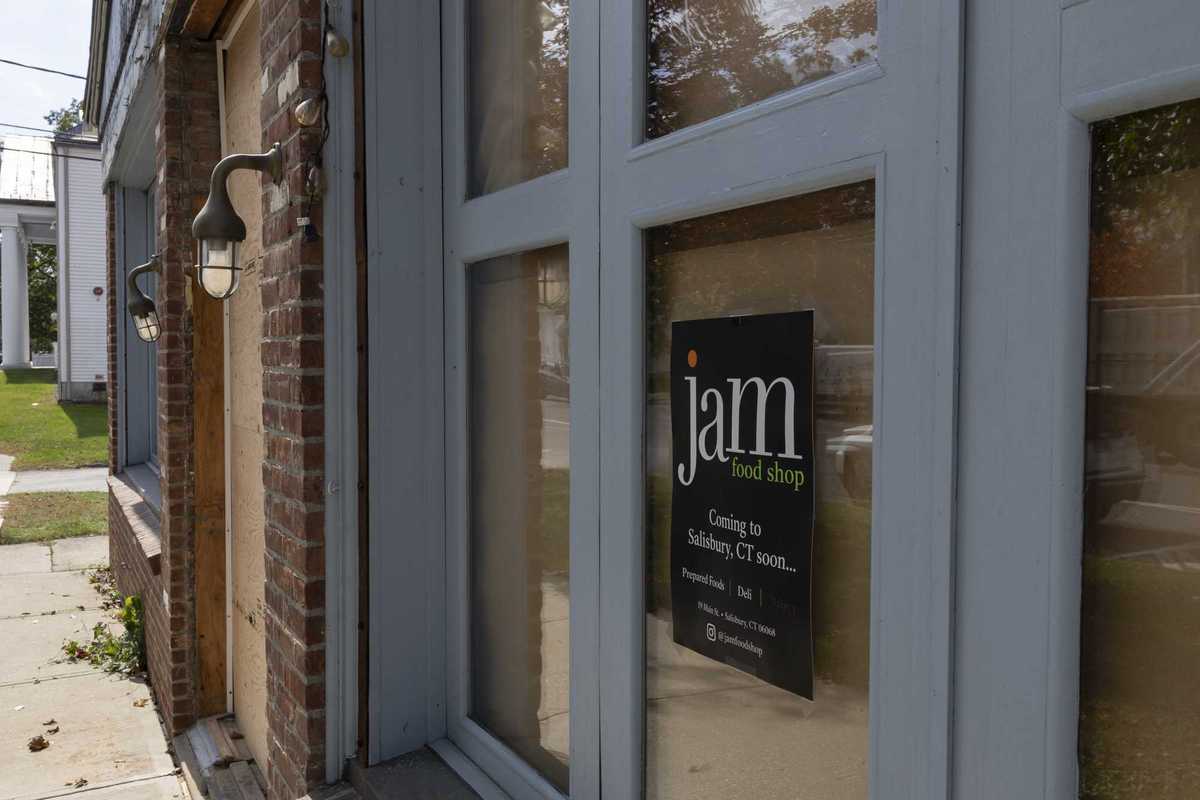


 Tiffany Lemelin, shelter manager, brushing Marsala upon arrival.Provided
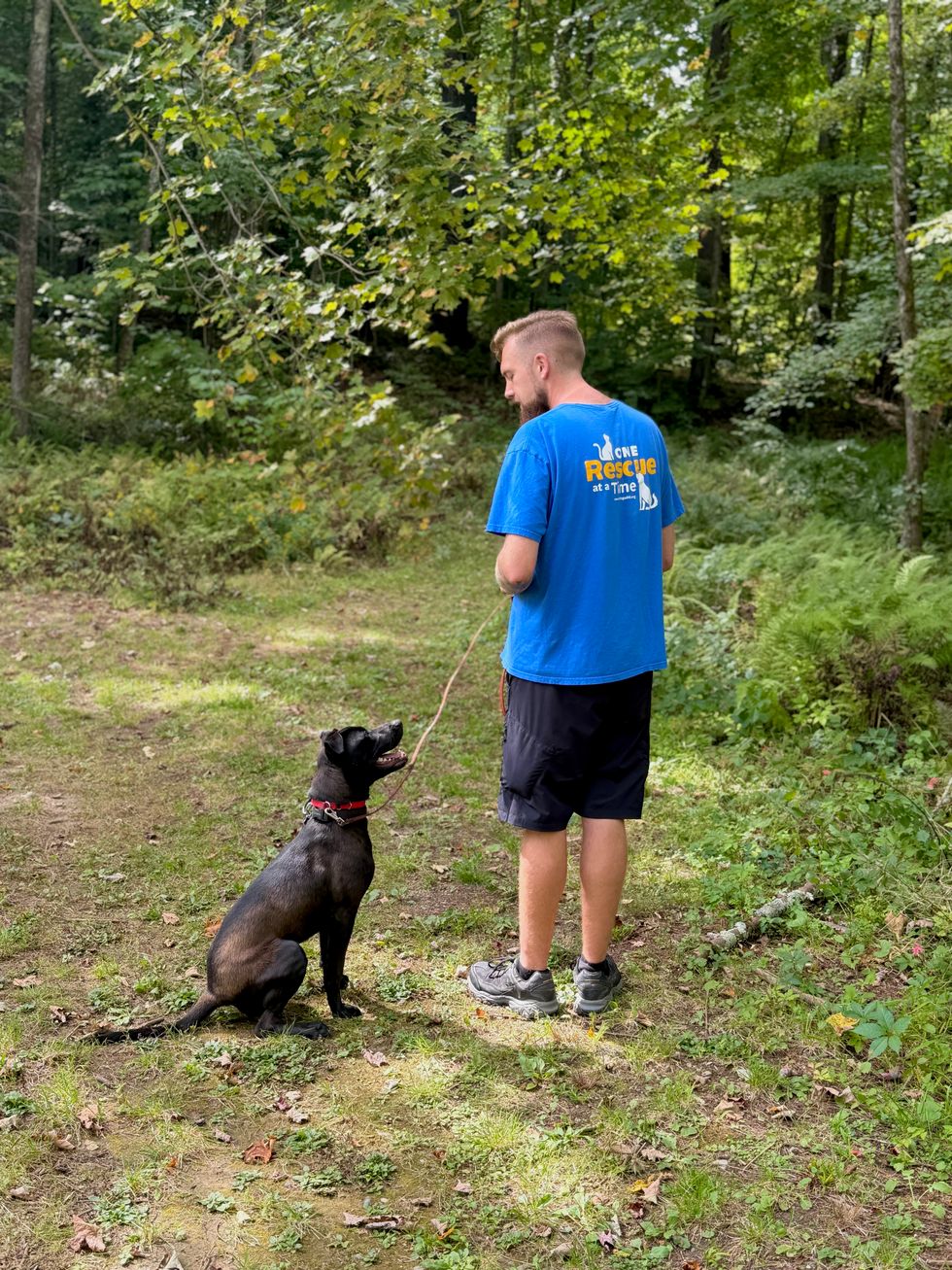 Michael DeBarba, certified dog trainer working with Marsala.Jennifer Almquist
 Marsala wins a heart.Jennifer Almquist

 Sadie, center, a Carolina dog, plays with her friend Negra, a terrier mix. Bella Linda, the small poodle, has since been adopted.L. Tomaino
 Wesley, a young, exuberant mix, is looking for an active home.L. Tomaino
 Bonnie and Clyde, an affectionate terrier pair.L. Tomaino
 Provided