CORNWALL — The classroom is a sea of small heads bent in concentration over math papers. Curiously, those heads are moving back and forth, and bobbing up and down, as if they were all riding little boats.
It is the second-grade classroom at Cornwall Consolidated School, where teacher Joyce Samson has found a fun and unique way to help her little wigglers focus. They sit on big, inflated balls specifically designed for both exercise and for kids who need to be constantly moving.
Samson explained that, although the approach has been very successful for students with attention disorders, the chair balls are now being used for entire classrooms. She also explained that this class is an especially active one, with 12 boys and four girls. All it takes is one to get the others going. Their regular morning routine includes a few energy-eating laps around the gym. Samson’s approach has become, “If you can’t beat ’em, join ’em.�
After seeing a news story last fall about a Minnesota classroom using the ball chairs, Samson was intrigued. She discovered they were first used in the 1980s for children with ADHD. The subconscious movements they make when using the chairs satisfy the urge to move and help students stay on task.
The Cornwall students have been using the chairs for just a couple of weeks. Samson and her students are delighted.
“When I first got on it, it felt weird,� said Lucas Calhoun, “but I got used to it and I like it. Now, when I sit on a hard chair, I forget and I try to bounce.�
There are orange ones and green ones. Arieh Saed proudly explained that the green ones are bigger, for taller kids, of which he is one.
Samson said in order to function properly for balancing and core strengthening, the chairs have to be at a height that puts the user’s knees at a 90-degree angle. She adds or releases air to make exact adjustments for each student.
These chairs, appropriately enough for this town of dairy farms, look like cow udders thanks to a ring of stumpy legs, or feet, that keeps them from rolling around. Samson said you can get the balls with or without, and the ones with feet are called udders.
There are some regular chairs in the classroom still, but mostly for students who forget the ball chair rules. The students made up their own list, including no jumping on it, kicking, it throwing it, or using sharp objects around it. They summed it up: It’s a chair, not a toy — although it is tempting to play with it. The consequences? Back to a “normal� chair for a week. So far, that has not been an issue.
“I like it,� Arieh said, after carefully considering the question. “It’s very bouncy, which is fun, and you can sort of move around on it. The only thing I don’t like is it doesn’t have a back. But it’s still better than a regular chair.�
The chairs were in place for recent parent/teacher conferences. There were no complaints from parents who got to try them out, and those chats about their kids’ progress were undoubtedly more fun.
“They are much different,� student Myah Baird said. “You can bounce on them while you do your work, which is really good for the boys.�
“They’re more comfortable,� said Danielle Gorat. “It’s like sitting on air.�


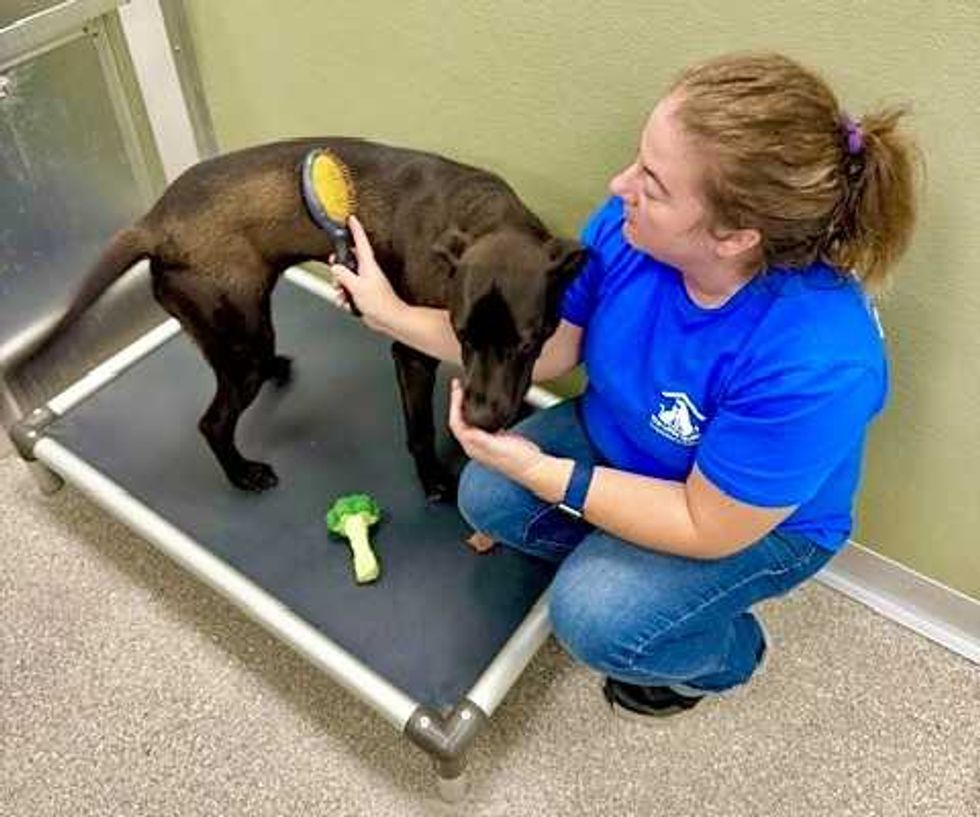 Tiffany Lemelin, shelter manager, brushing Marsala upon arrival.Provided
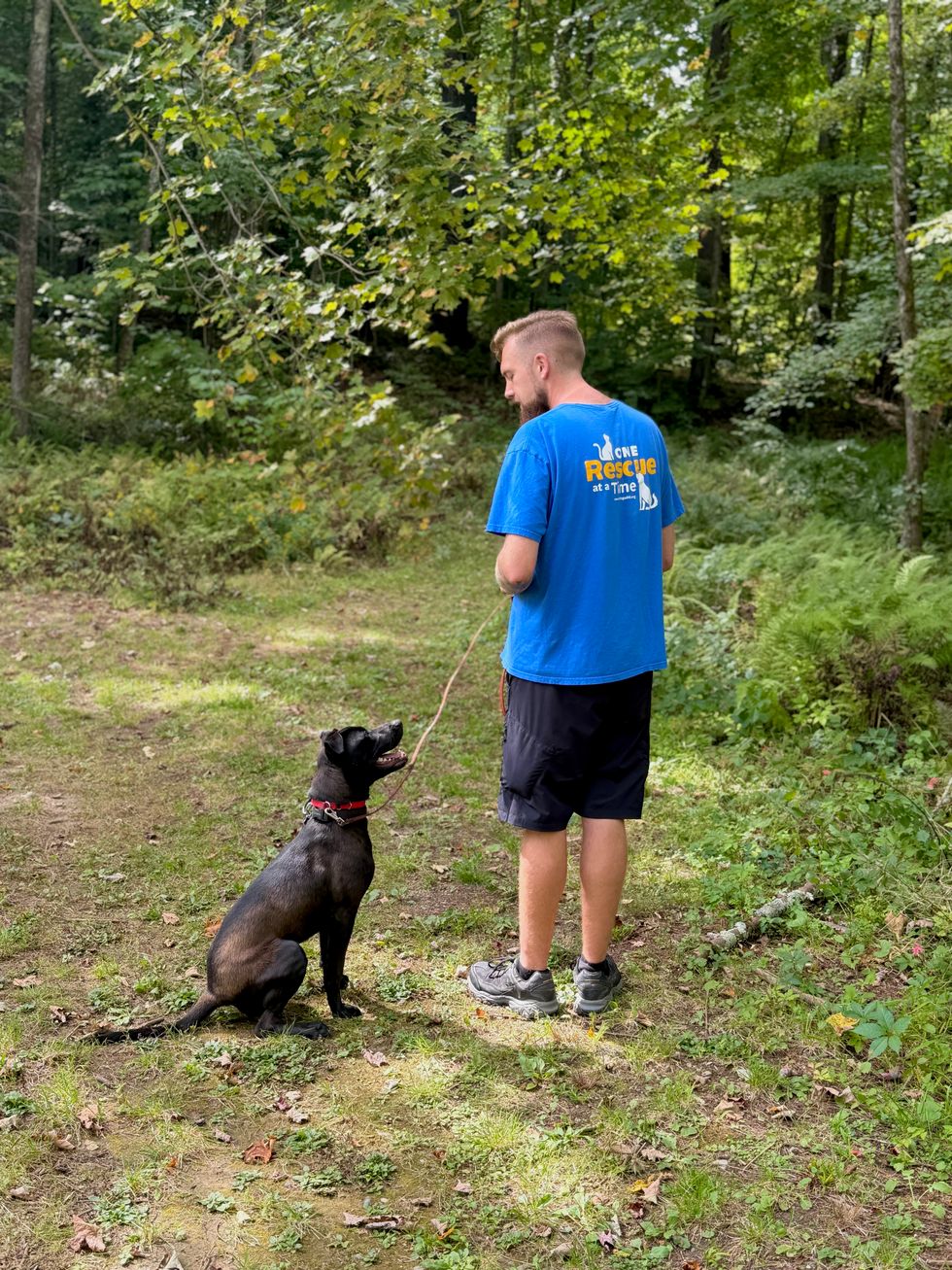 Michael DeBarba, certified dog trainer working with Marsala.Jennifer Almquist
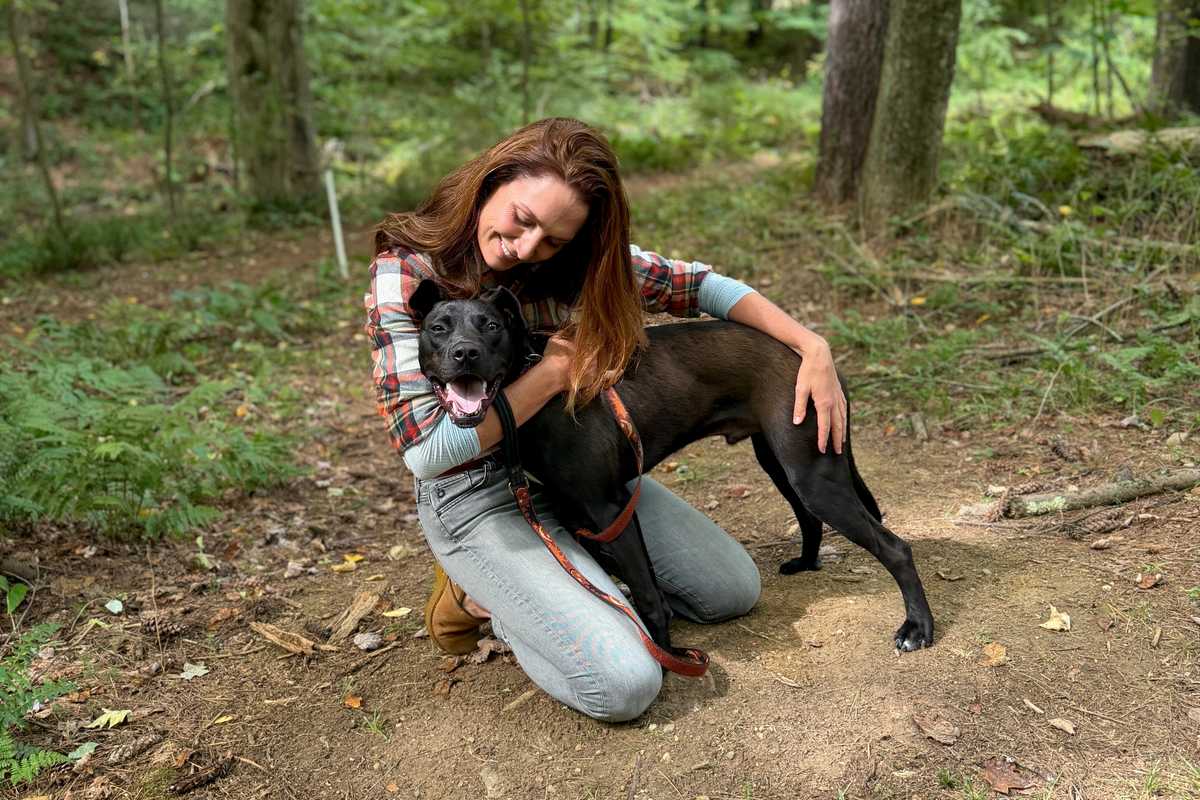 Marsala wins a heart.Jennifer Almquist
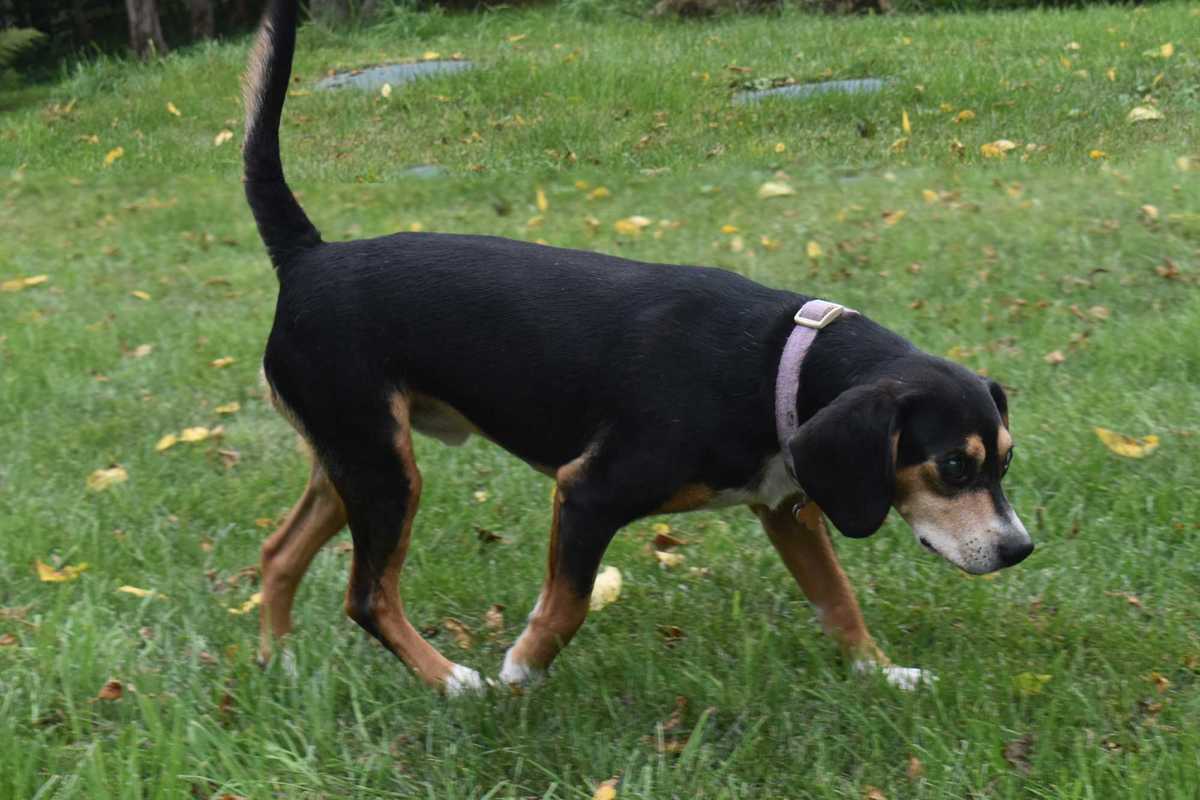
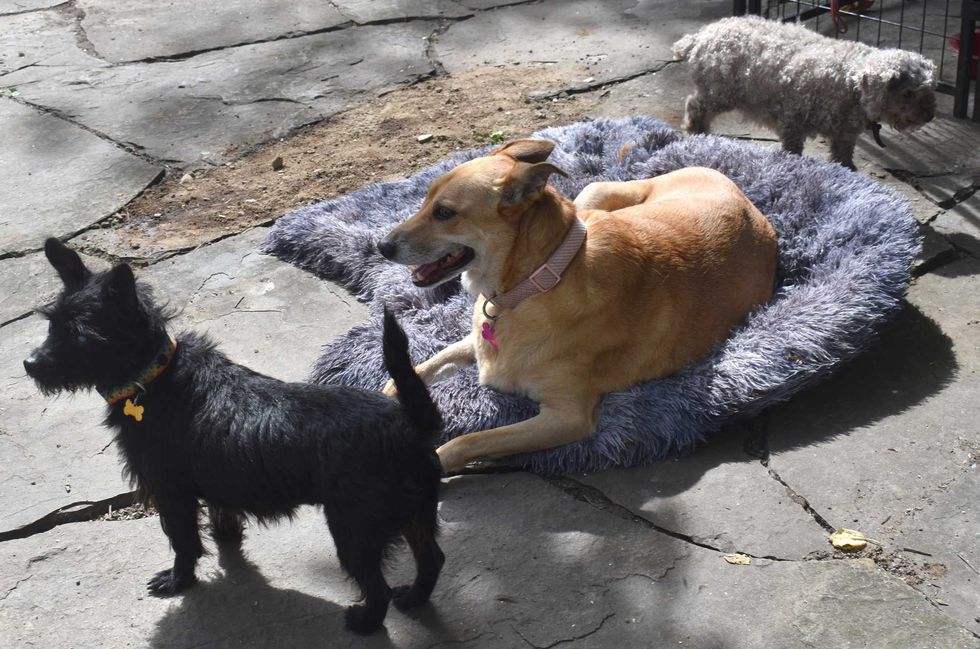 Sadie, center, a Carolina dog, plays with her friend Negra, a terrier mix. Bella Linda, the small poodle, has since been adopted.L. Tomaino
 Wesley, a young, exuberant mix, is looking for an active home.L. Tomaino
 Bonnie and Clyde, an affectionate terrier pair.L. Tomaino

 Provided