Oct. 23, 1983, was the first time in my life that I truly experienced fear. On that day, suicide bombers targeted the U.S. Marine headquarters and the French Drakkar building in Beirut, Lebanon, killing 241 Americans (220 Marines, 18 seamen and three soldiers) and 58 French paratroopers. This event launched what the United States unofficially acknowledges as the beginning of the global terrorist campaign.
I experienced this fear at 19 years old as my brother Daniel Raymond Jr. (aka Dan or DR) was deployed to Beirut. I did not know his fate and I truly feared for his life. As servicemen we know that the ultimate sacrifice could come at any time. Yet, the fear was deeper than just a fear for my family’s safety. I feared as well for the world — a fear of the growing threat of suicide operatives. There was an intense fear of those who would condone such activity.
u u u
I have studied this phenomenon since that day and remain puzzled how a culture or religion can justify such evil. Whether in Afghanistan, Iraq, Lebanon, Israel or elsewhere, suicide bombings take the lives of innocents that cannot be judged by any God/Allah-fearing person as acceptable, not even in war. Worse yet — how do parents send sons and daughters to their death?
It is unconscionable. It goes against all humankind. It pains me deeply each time a suicide bomber detonates him/herself and I, now, literally shed a tear for humankind each time. Some people may not agree, making the case that his/her death is just a symptom of war or religious fanaticism — or, some may say, “Good riddance, one more terrorist dead.�
But I view the loss of these souls as a tragedy. The leaders of this horror are the worst-of-the-worst humankind has to offer and the suicide bombers themselves (for the most part) are victims of fanatical religion and vile exploitation.
u u u
I was brought up in the charming village of Millerton and there we learned respect for each other. My dad was a hard-working man who served Suburban Propane and volunteered in the community on the ambulance squad and as a village trustee and the mayor for more than 12 years. My mom also volunteered in the community with Cub Scouts and Millerton Days, and served the Webutuck Middle School as the teacher’s aide (she was also the feared, yet respected, lunch lady). But, I cannot see either of them becoming so religiously fanatical as to ask me to strap on a suicide vest and blow up a restaurant or bus for any cause.
I outline my upbringing to show that serving others in the community — in the world — should be done with respect. It matters not what religion or culture or language or skin color someone has. Respect for each other should be our global motto.
I never heard of suicide terrorism before I left home to serve in the military. It was unknown to me. And, frankly, it should be unknown to the entire world. The lack of respect for the individual and the religion is why the suicide bomber has always captured my attention. There have been volumes written about it, but I am not sure anyone can fully understand it: Why someone would voluntarily sign up to be a suicide bomber remains beyond comprehension to me.
u u u
Now, 26 years after that day in October 1983, I am deployed to Afghanistan. The second day I was here, a suicide bomber detonated himself about 200 yards from my building. The building shook, plaster fell, people scrambled from the immense shock and awe of such an attack.
My fear remains for ourselves and our partner nation forces trying to help the Afghan people. Since my arrival, there have been upward of 15 suicide attacks in Afghanistan. I am still baffled by the animals that train and send these youngsters to their death in the name of religion or ideology. They are taking the Muslim religion and ideology and creating a fanatical view that does the world no good.
And, although I have studied the Afghan culture, the Muslim religion and have read the Quran, I still find the most disturbing practice of the “enemy� is training and using the suicide bomber. Culture, religion, and ideology should not be hijacked to manipulate young people to volunteer for such an assignment. It cannot be acceptable.
This is something to fear. Those who can manipulate people to commit such a vile act should be subjected to becoming suicide bombers themselves.
Bob Cuddeback grew up in Millerton, is deployed in Afghanistan as a Department of the Army senior civilian and is a retired chief warrant officer 3.
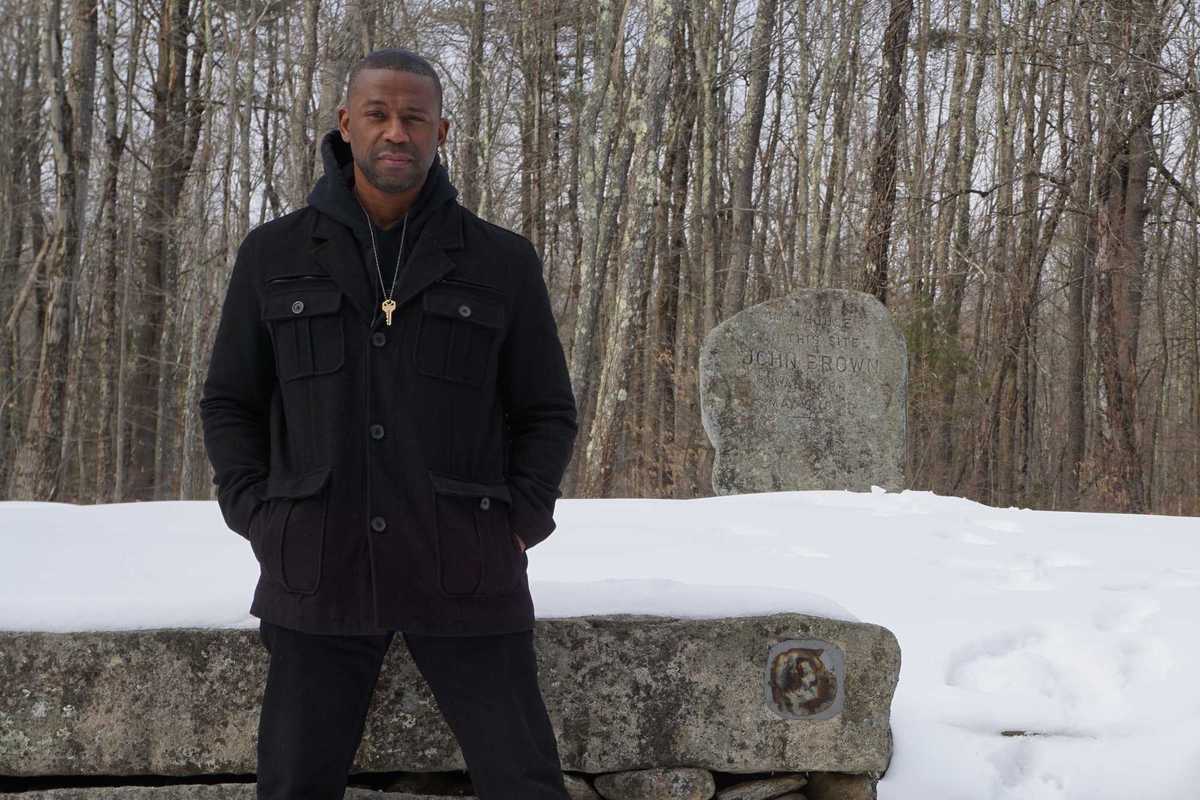
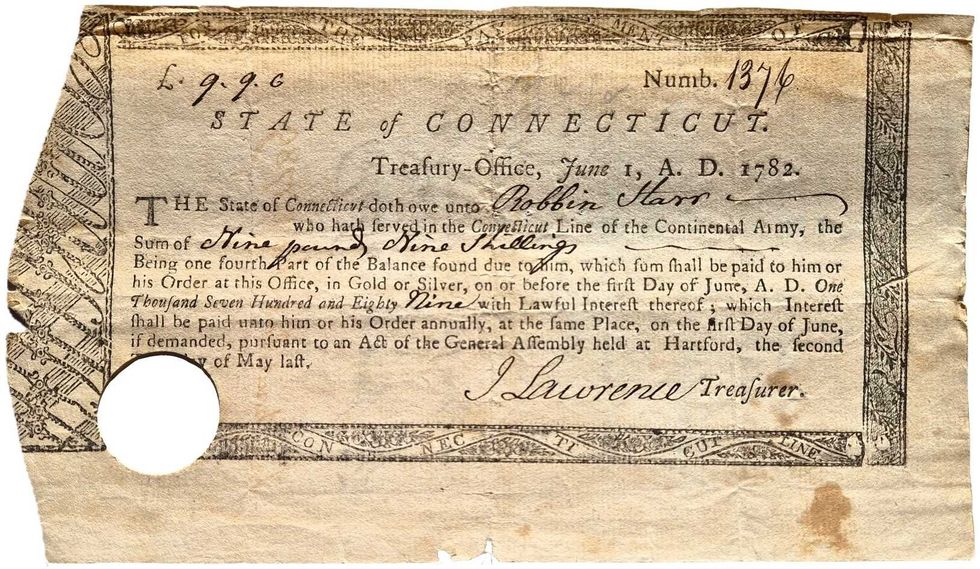 Pay Bill for Robin Starr’s service in the Continental Army.Courtesy the Alex Breanne Corporation
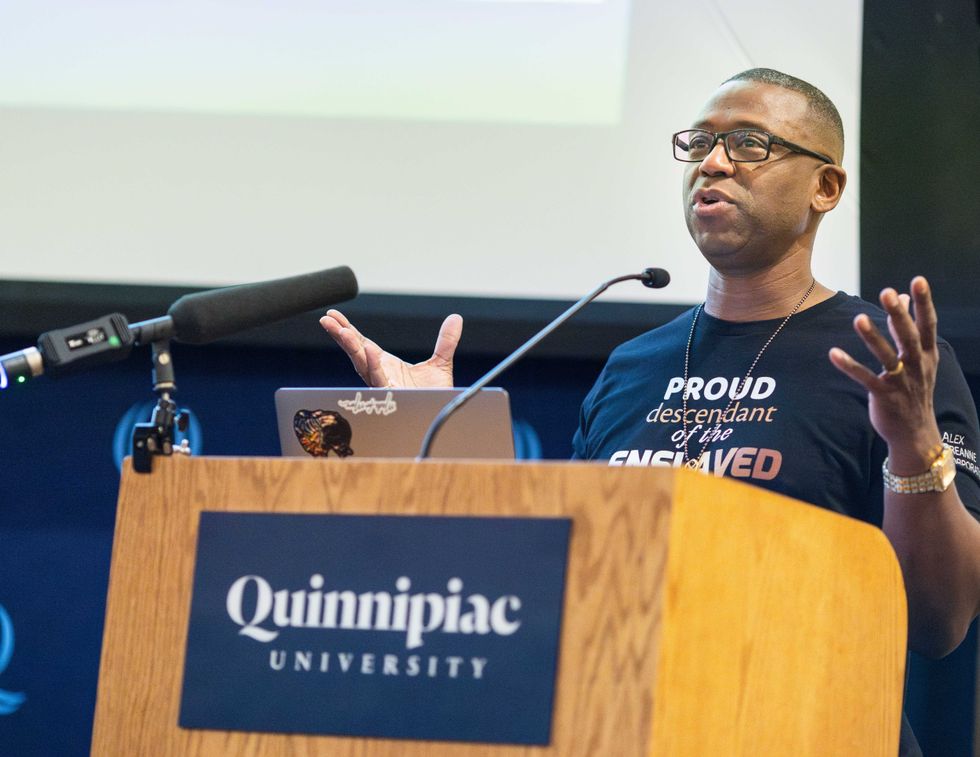 John Mills speaking at Quinnipiac University.Courtesy the Alex Breanne Corporation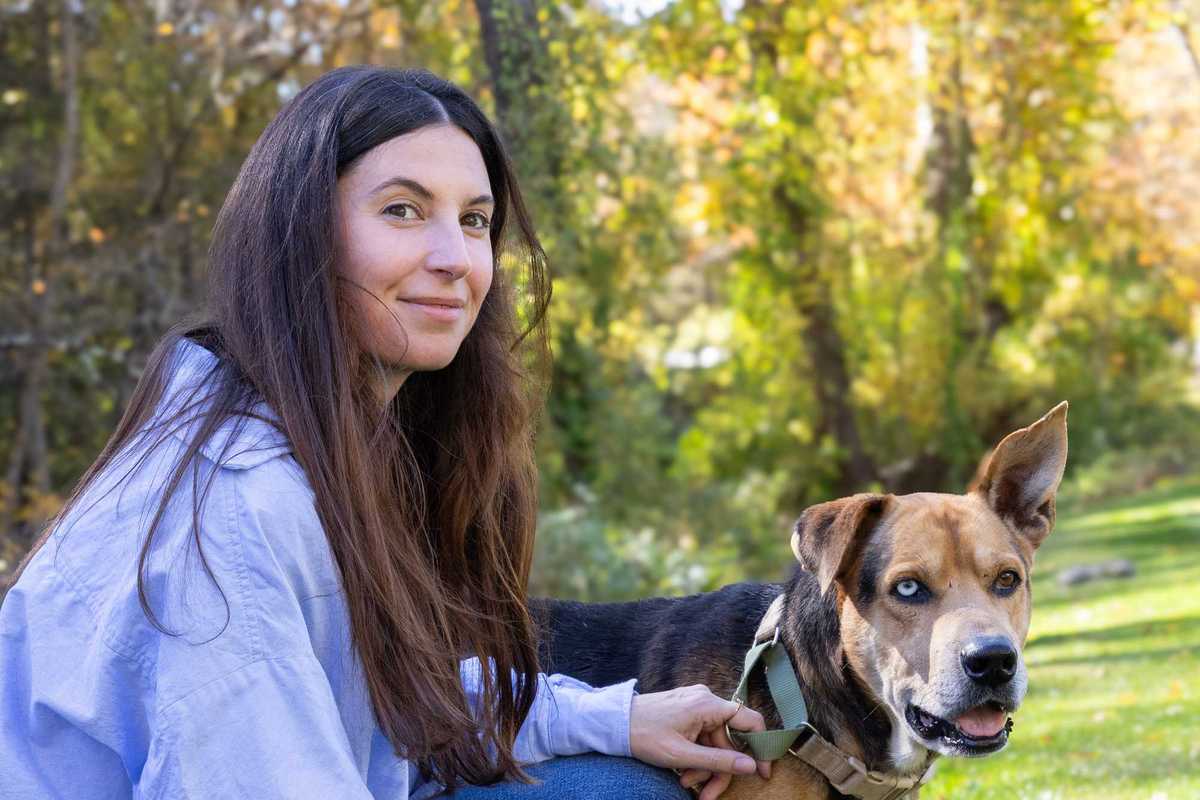
 Stephanie Saetta,with her rescue dog George and Blue (left), a shepherd mix awaiting his forever home.Madi Long
 Blue, a 7 year-old Shepard mix, is waiting for his forever home. Madi Long