The more you learn about nutrition, the more you realize that nature gives interesting little cues to which foods are most desirable. For example, you can actually categorize foods according to their color. The dark green vegetables are a nutrition group (they tend to have calcium and antioxidants and they protect your eyes from macular degeneration; the darkest and most bitter greens are supposed to cleanse your liver).
Another nutrition group: orange/yellow fruits and vegetables, which includes the powerhouse sweet potatoes, apparently one of the world’s most nutritious edibles. All orange/yellow vegetables are good in a variety of ways. They have beta carotene (also known as vitamin A), which is good for your eyes. They have beta-cryptoxanthin, which helps ward off lung cancer (interestingly, vitamin A is also believed to protect your lungs from second-hand smoke). And they have vitamin C, potassium (good for your muscles and helps lower your blood pressure) and lots of dietary fiber as well as folate, which in addition to being essential to pregnant women is also believed to help fight off Alzheimer’s disease. Sweet potatoes have all these nutrients in the greatest abundance.
In last week’s column, we announced that we’re doing nutrition columns that relate to the traditional Thanksgiving dinner. This week, in case you hadn’t guessed, the focus is on sweet potatoes and winter squash.
Every family seems to have its own traditions for preparing sweet potatoes (not to be confused with yams, which are a cousin of the darker orange sweet potato). And most of those traditions seem to include a lot of butter and sugar (sometimes in the form of my favorite holiday food: mini marshmallows).
It’s never a good idea to tinker with family traditions, so we are not going to be so bold as to suggest you do something experimental or odd with the sweet potatoes at your Thanksgiving table.
However, most families like mashed potatoes and most families like sweet potatoes. I’ve never heard anyone complain yet about being served a luscious scoop of rich, creamy mashed sweets. Of course you can top them with whatever you like: marshmallows, brown sugar, toasted bread crumbs. And of course you should feel free to mix in some hot spices or a can of evaporated condensed milk.
But if you want to be helpful to your digestion and to your guests’ waistlines, you can just as easily enrich the flavor and improve the texture of your mashed sweets by mixing them with some other roasted winter squash, such as butternut squash, kabocha or pumpkin.
I’ve found that the best way to cook any of these orange/yellow winter squashes is to preheat the oven to 400 and roast them whole for as little time as possible. If they’re pretty fresh and ripe, they should cook in about 30 minutes (you should be able to easily pierce the skin with a fork).
Some people like to scoop out the seeds from their winter squash before roasting. I’m lazy and prefer to scoop the seeds out after the squash is done. It’s messier but easier; and that way, if it’s a very thick-skinned squash, you don’t have to cut it open before putting it in the oven.
There’s no particular science to mixing and mashing your squash. I find that you want to mainly use one of the starchier ones, such as sweet potatoes or butternut squash, and add in just a little bit of soupier squash such as pumpkin. There are many low-calorie, low-fat ways to enrich the flavor. A shake of paprika and another shake of nutmeg is good. A little bit of orange juice or lemon juice is good. You can also mash in some ripe pears.
Feel free to also serve white or yukon gold potatoes in a mash. But keep in mind that this yellow/orange squash is not only vastly more nutritious and tasty; it’s also a much less fussy mash and will never coagulate into a gluey mess in the crucial minutes before your guests sit down to dine.

 Pay Bill for Robin Starr’s service in the Continental Army.Courtesy the Alex Breanne Corporation
 John Mills speaking at Quinnipiac University.Courtesy the Alex Breanne Corporation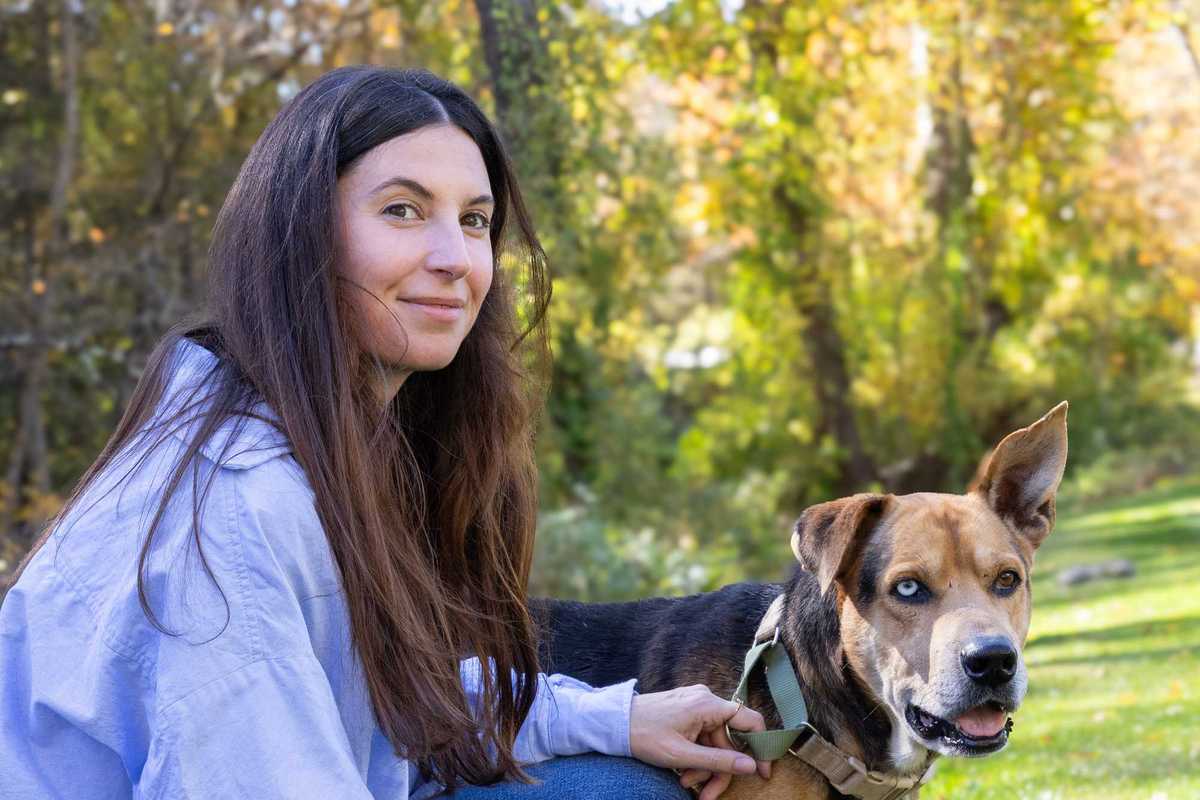
 Stephanie Saetta,with her rescue dog George and Blue (left), a shepherd mix awaiting his forever home.Madi Long
 Blue, a 7 year-old Shepard mix, is waiting for his forever home. Madi Long