The Elm City doesn’t have any elms, the Insurance Capital of America is home to only three insurance giants, they don’t make hats in the Hat City anymore, and Waterbury is no longer The Brass City.
So what is all this palaver about? I say it’s silly to still call cities, and, stay with me, sports teams by nicknames that are outdated, meaningless and no longer descriptive. Let’s dispense with the silliness we have here in Connecticut along these lines.
When I was being reared in Hartford, eons ago, it boasted the home offices of more than 30 major insurance companies. Young girls who had earned their high school mortarboards had their eyes on long careers in one of the big insurers. They were in many ways like the girls of Lowell, Mass., who fled from the drudgery of the family farms to work in the huge textile mills. For some of the insurance companies in Hartford, a little pull with a local politico often was necessary to sign on for a job.
One of my daughters spent a summer in a cubby hall of one of the local insurance companies. It was an unnerving experience. “It was so boring and dull,� she said, “that I couldn’t imagine anyone spending their life in one of these gigantic paper-pushing factories.� She always had a way with words because she said that summer convinced her that she was going to study real hard and go to college.
She did and is now the author of two books and flies all around the United States and Europe on lecture tours.
u u u
A short digression: While No. 1 daughter, Sara, found working in an insurance company duller than dish water, one of America’s most acclaimed, and most difficult to understand poets, Wallace Stevens, spent his adult life in The Hartford Insurance Company, but he was a vice president and the papers he pushed were arguably a mite more interesting than those the girls pushed on the floors below.
End of digression: Sad to say, the insurance companies fled Hartford and it has the highest crime rate of any city in the state, and I haven’t figured out a good nickname for that.
u u u
But Hartford had another claim to fame: It’s fair to say the Industrial Revolution in America started there. When Samuel Colt built a huge factory to make the revolvers with six-bullet chambers that he had invented, it was the biggest industrial enterprise in America.
Remington repeating rifles, the famous Winchester carried by America’s iconic cowboy, John Wayne, and the Marlin guns also carried the stamp, “Made in Connecticut.�
So, I have no problem with anyone who wants to attach the nickname “The Arsenal of America� to Connecticut, which presently labors under the title “The Constitution State.� Not that I hold a grudge with the Constitution. It’s just that hardly anyone on our fair state knows which constitution we are talking about.
u u u
But let’s move on. Waterbury for years was called the Brass City because it had more brass factories than any other city in America. The brass buttons on the uniforms of many of the armies of the world came out of Waterbury. During the Second World War, Waterbury was a major producer of brass casings for cannon shells.
But that’s all past. No more brass factories. But sports writers and political writers still refer to Waterbury as “The Brass City.� It does have a huge mall that runs a straight mile along a river and is on the site of a former brass wire mill. The “Brass Mill� city would be a more appropriate name. Or since so many of its mayors, and a former governor, were corrupt and jailed, how about “The City of Corrupt Politicians�?
u u u
For years factories in Danbury made 25 percent of all hats in America for civilians, soldiers and cowboys. Wayne and his pardners wore the 10-gallon Stetsons, fabricated in Danbury.
Then a young man named John F. Kennedy was inaugurated president without, yikes, wearing a hat — and nearly every man followed suit and discarded their hats. Danbury fell into decline and is only now engaging in a metamorphosis. But men finally realized you really couldn’t spend your entire lives with your head bared to the elements, so they adopted the caps worn by farmers and truck drivers, which are made, not in Danbury, but in China.
Direct your comments to my new Facebook page, which has just gone online.
Freelance writer Barnett Laschever is the former president of the Goshen Library Board of Directors. He was ousted by a GOP landslide and now says, “I plan to spend more time with my family.�
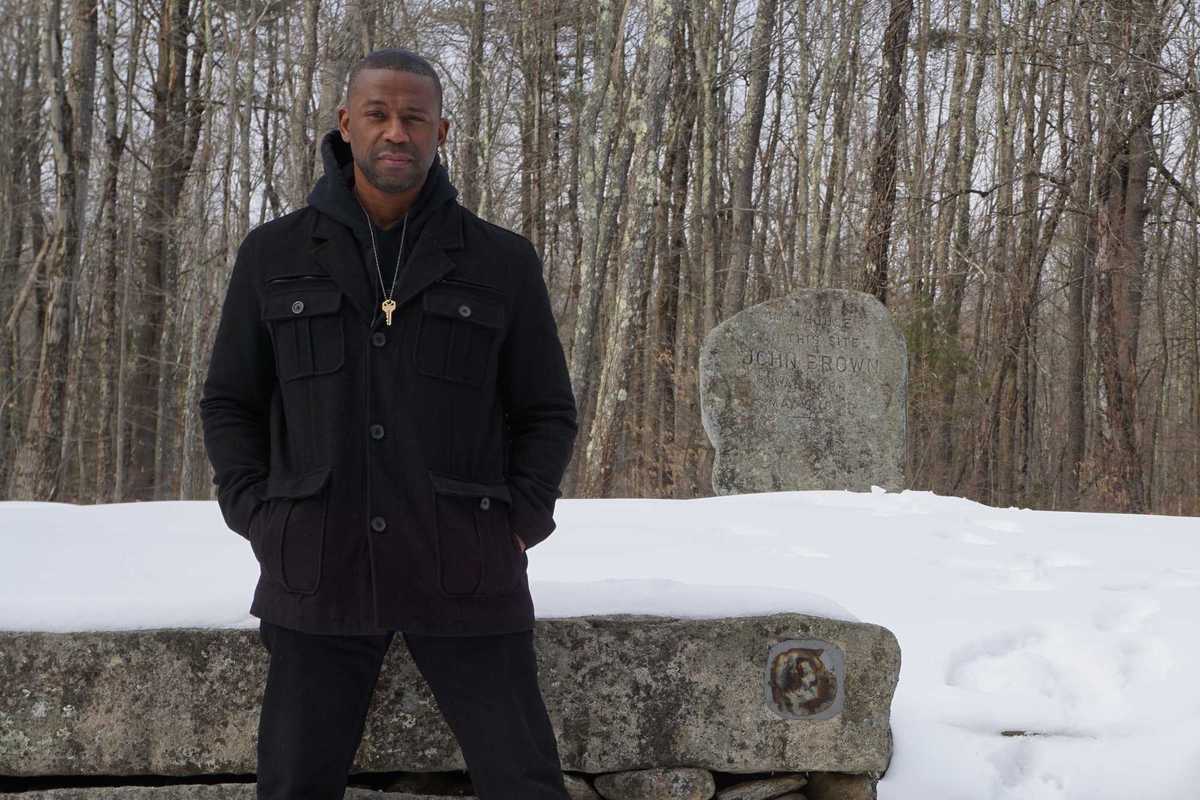
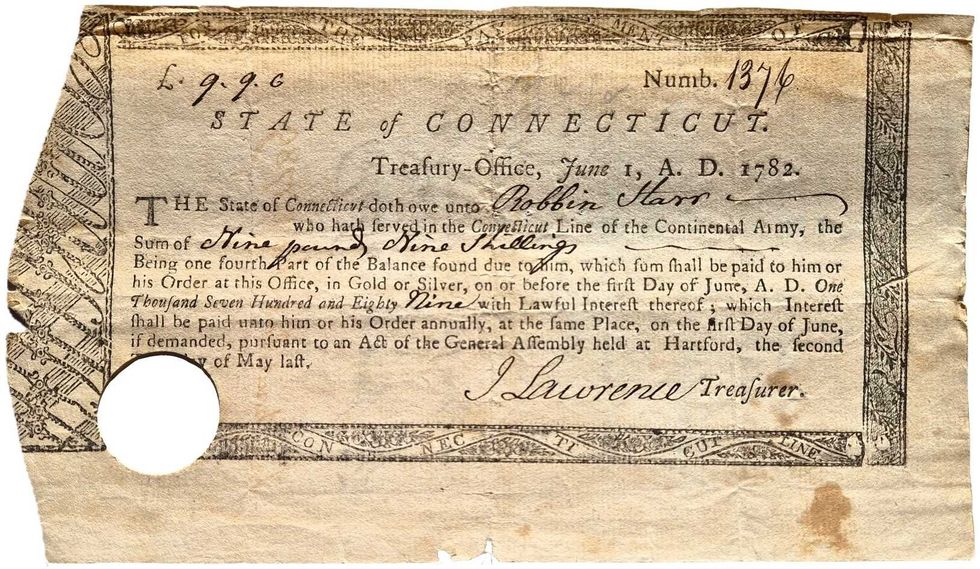 Pay Bill for Robin Starr’s service in the Continental Army.Courtesy the Alex Breanne Corporation
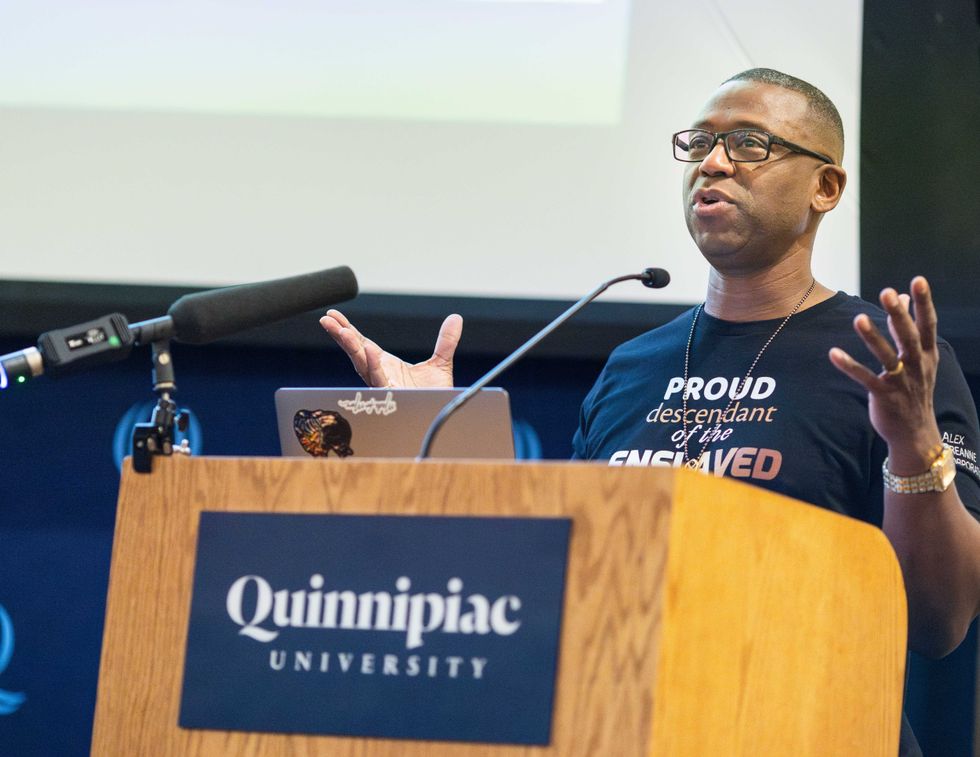 John Mills speaking at Quinnipiac University.Courtesy the Alex Breanne Corporation
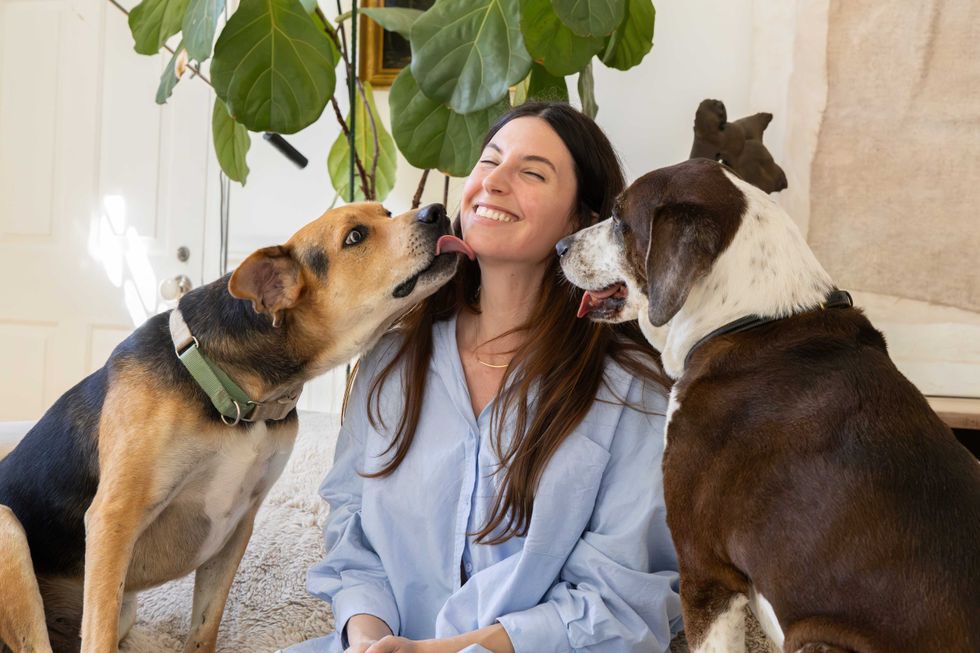 Stephanie Saetta,with her rescue dog George and Blue (left), a shepherd mix awaiting his forever home.Madi Long
 Blue, a 7 year-old Shepard mix, is waiting for his forever home. Madi Long