It may be too early to predict the fate of health-care reform in the United States, but after several weeks of intense debate, little has been accomplished and most signs point to an impending failure.
Some of the problems with the push for legislation were predictable. Partisan bickering has erupted into a full-scale public-relations battle, with Republicans almost unanimously against all Democratic measures, while Democrats are split on the issue. The health insurance industry is spending hundreds of millions of dollars to lobby against certain reforms, while terms such as “public option� and “government health care� have been demonized to the point that proponents of a taxpayer-funded public insurance system are already abandoning the idea. Last week, Democratic members of the Senate Finance Committee were unable to pass a public option, which is central to any real nationwide health-insurance reform.
Now, pundits are predicting that a public option may ultimately be included in proposed legislation, but it will be “watered down,� or even “wounded� as some doctors have put it. The health-insurance industry continues to set conditions for proposed reforms, while wild-eyed protesters cry that the country is moving toward socialism.
The truth is the United States already has socialized medicine in many forms, from the Department of Veterans Affairs to Medicare, Medicaid and public health clinics. If the debate over health reform began as an initiative to first strengthen these organizations and build on that success instead of bracing for a health-care “battle,� much of the rhetoric of the past few months could have been avoided.
Unfortunately, the Democrats, who claim to be in support of health-care reform, are once again left looking weak and indecisive, while naysayers continue to win the public-relations game. Even the biggest supporters of reform are predicting the passage of meaningless legislation that leaves tens of millions of Americans uninsured. If that happens, predictions of failure will have come true.


 Justine and Victor Valla in their studio with a painting of Victor’s,”Jonah and the Whale.” Robin Roraback


 A ceramic vase by Kathleen Heidemann.Provided
  Joy Brown’s delightful ceramic sculptures.Provided

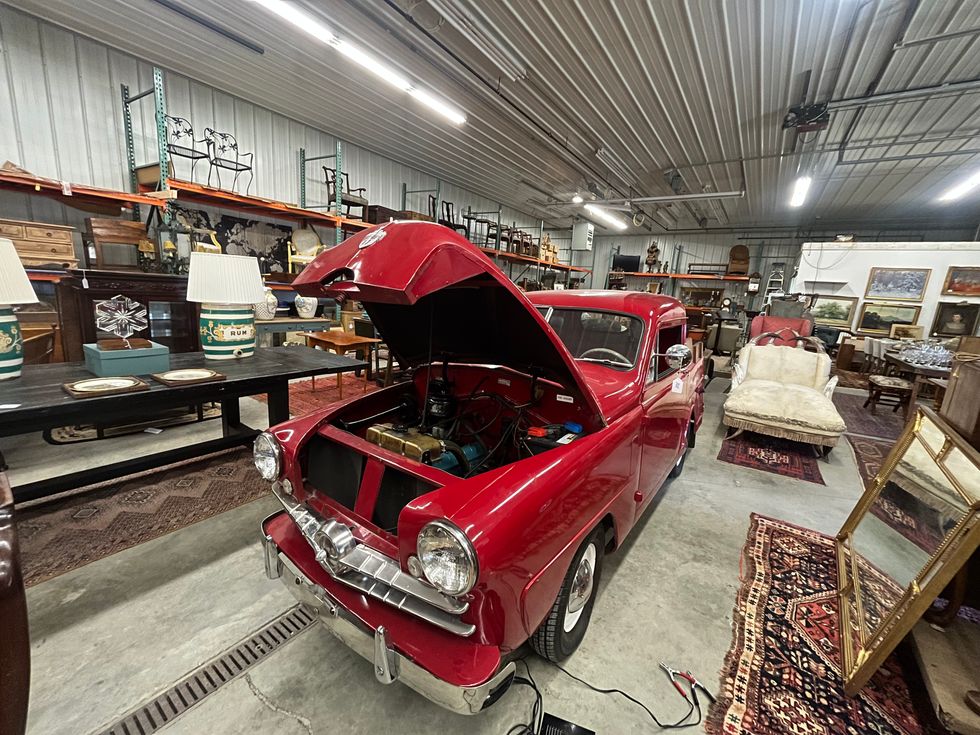 Hundreds of items at Stateline Auctions, including a candy-apple-red Crosley pickup truck.D.H. Callahan