LAKEVILLE — A plan for addressing one of the town’s most dangerous intersections will be on the drawing boards within a year.
Last month, the Board of Selectmen contracted with Beta Group Incorporated of Newington to devise a conceptual study for the intersection of routes 44 and 41 in the center of Lakeville. Chief among the goals of the company and the selectmen will be to institute "traffic calming" measures.
"When all that traffic enters Lakeville it will be slower," First Selectman Curtis Rand said in an interview. "And we want it to be more pedestrian-friendly."
Officials have long said the intersection, with its steep slopes and sharp curves, is dangerous to motorists and walkers alike.
Eastbound motorists on Route 44 (Millerton Road) come down a steep incline with poor sightlines to the intersection. If they want to turn right onto Route 41 south, there is a turning ramp, but motorists often appear baffled about who has the right of way (the Route 44 turners onto Route 41 must yield). Traffic entering and leaving the Patco filling station and the firehouse creates a nuisance and a hazard for pedestrians.
Officers of The Lakeville Hose Company have also said the sometimes-congested intersection interferes with emergency vehicles leaving the firehouse. That problem could disappear in the next few years if, as expected, officials come forward soon with a proposal for a new firehouse in a different location.
Beta engineer Jerome F. Shea wrote in a Jan. 19 scope-of-work document to the state Department of Transportation that the intersection "has experienced increasing traffic volumes and speeds that are not compatible with a village environment."
Consequently, both the town and the state want to improve the intersection in one of two possible ways: constructing a traffic circle or maintaining the "three-legged" intersection but instituting calming measures designed to slow traffic to an acceptable speed to reduce accidents.
Rand said when he and Shea met last year in Hartford with state officials, he "was surprised the DOT even suggested the roundabout could be done."
But if traffic could be slowed sufficiently before descending the hill down Millerton Road, and if a topographic survey is completed, officials felt a traffic circle would be feasible, Rand added.
To research the design, Beta will conduct a traffic survey that includes anticipated traffic growth for the next 20 years. The possibility of additional traffic lights will be studied.
Rand said the main criteria for an acceptable proposal will be cost, aesthetics and the effectiveness of the traffic calming measures. One of the reasons the selectmen chose Beta is that the company’s expertise in landscape architecture could be important in deciding on appropriate plantings.
The roundabout option might be the least esthetically pleasing because it would likely include the removal of the stone wall on the south side of Route 44 and leading down to the turning ramp.
Traffic calming measures could include the installation of an island or median strip as far west as the Rudd property (the large historic house on the lake side of Route 44); and the relocation of a poorly sighted crosswalk at the intersection with Holley Street west to a point near the Argazzi Art gallery.
Sidewalks on the north side of Millerton Road would then have to be extended as far as the Holley Williams House to meet the new crosswalk, Rand explained.
"We’re trying to take a holistic approach to the intersection," he added.
Originally, the state grant for the project was supposed to be for $900,000 (80 percent federal highway funds and 20 percent local) to create a safer intersection.
That figure was reduced by a congressional appropriations committee to the current amount of $716,000. But recently Congress put a 90 percent cap on all such grants, reducing the federal portion to about $644,000. The town is required to pay a 20 percent cost share, or about $161,000.
Rand said Beta will share its findings in six months to a year from now.

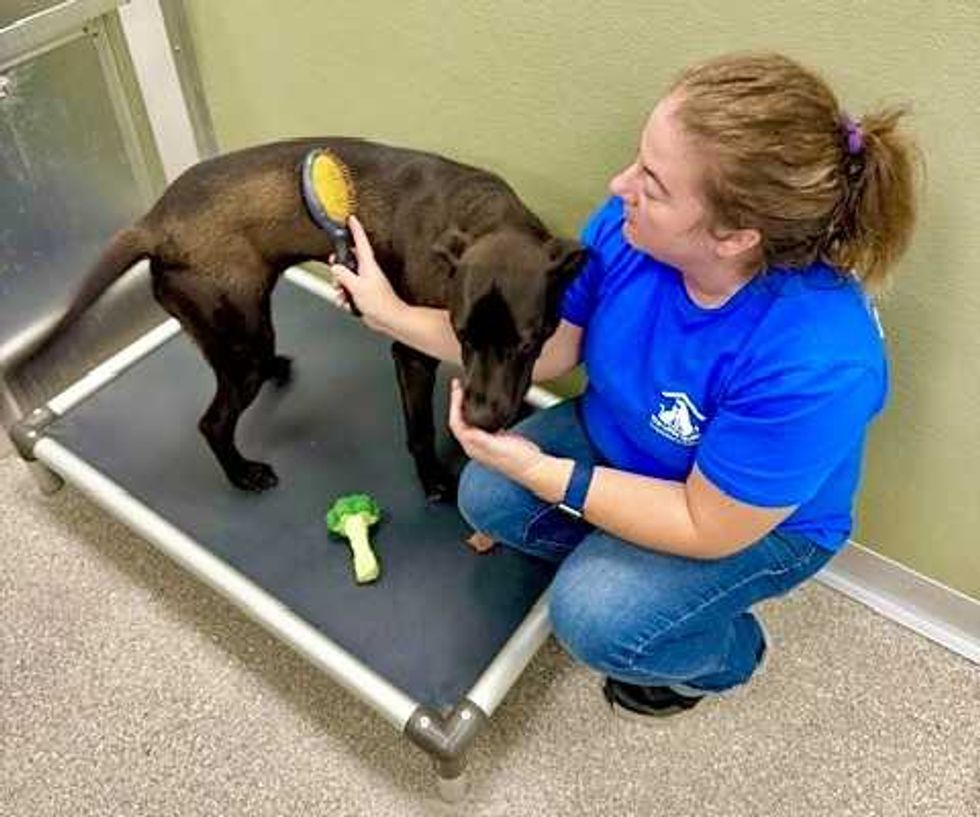 Tiffany Lemelin, shelter manager, brushing Marsala upon arrival.Provided
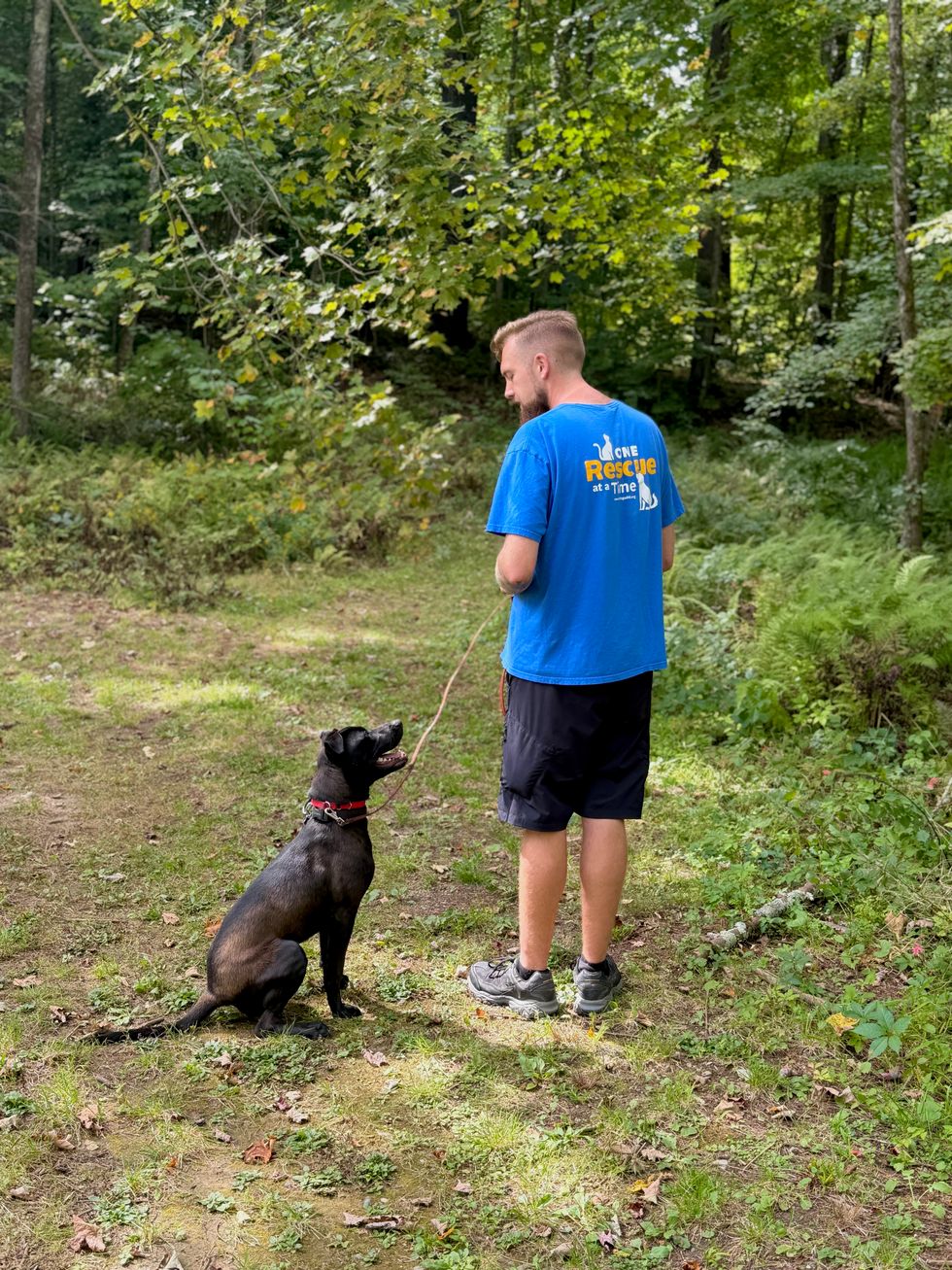 Michael DeBarba, certified dog trainer working with Marsala.Jennifer Almquist
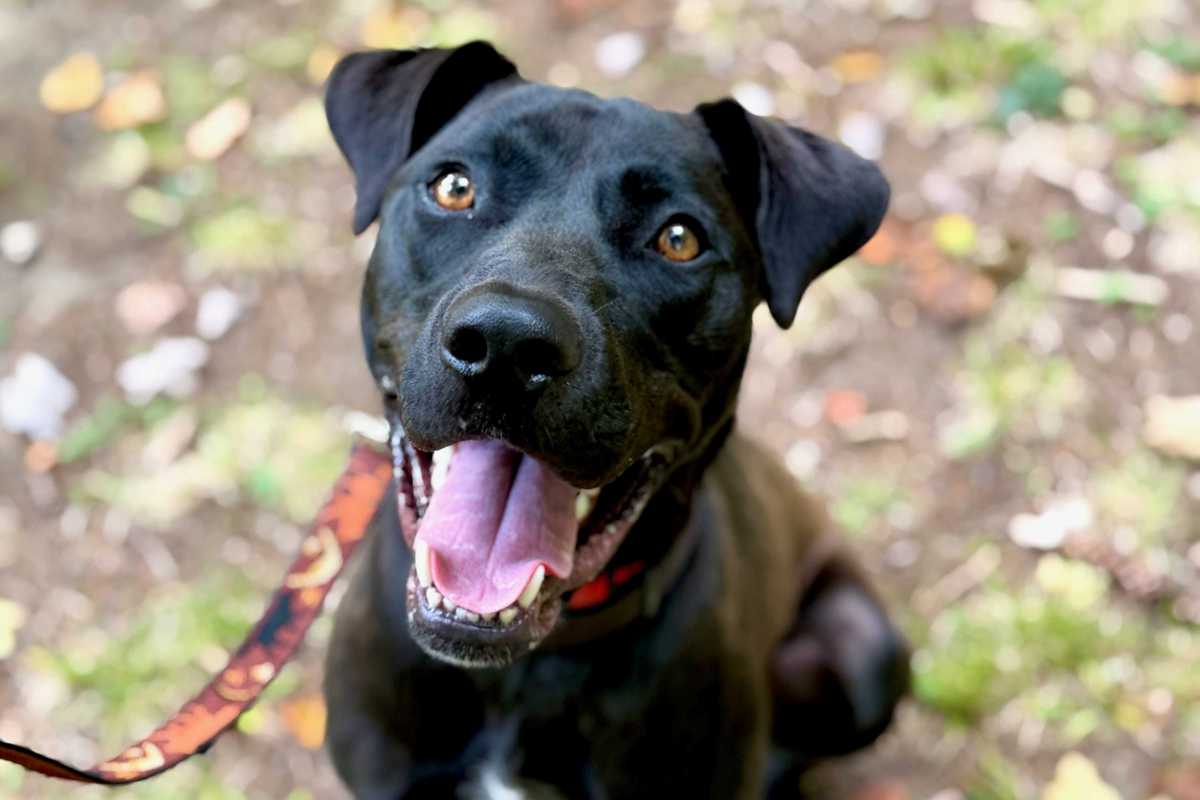
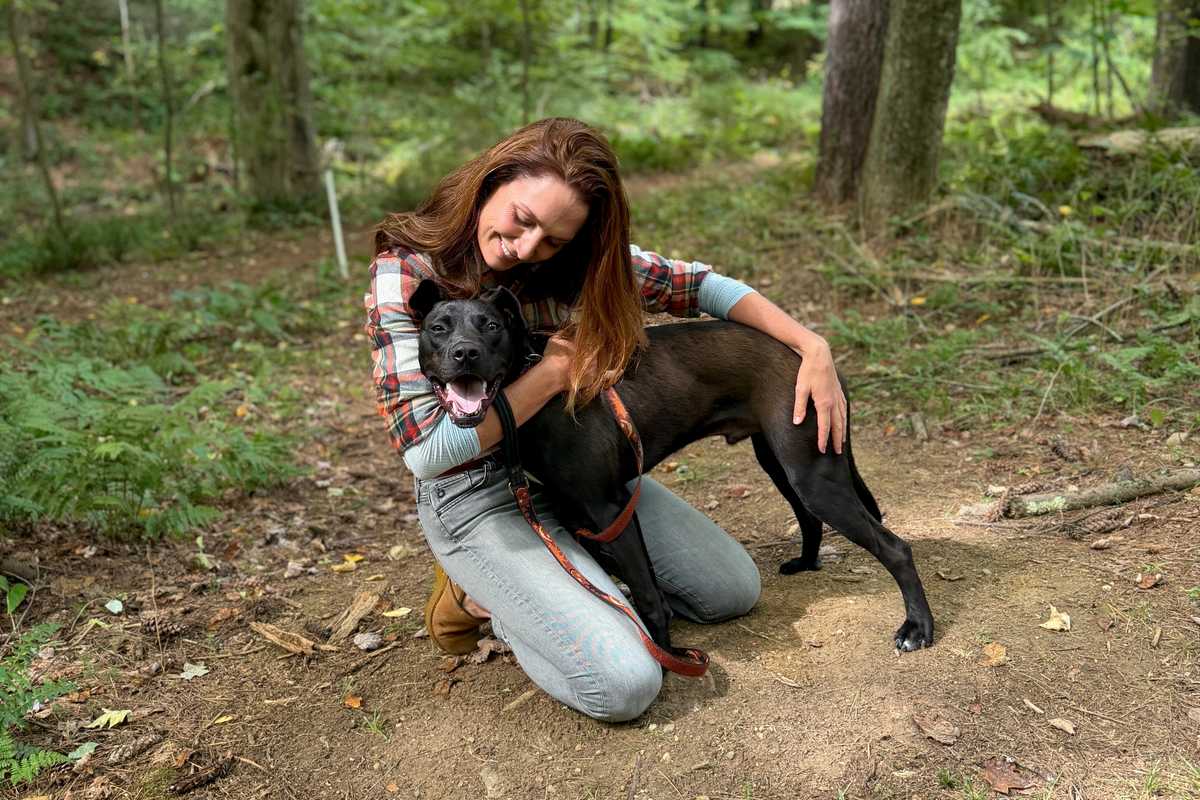 Marsala wins a heart.Jennifer Almquist
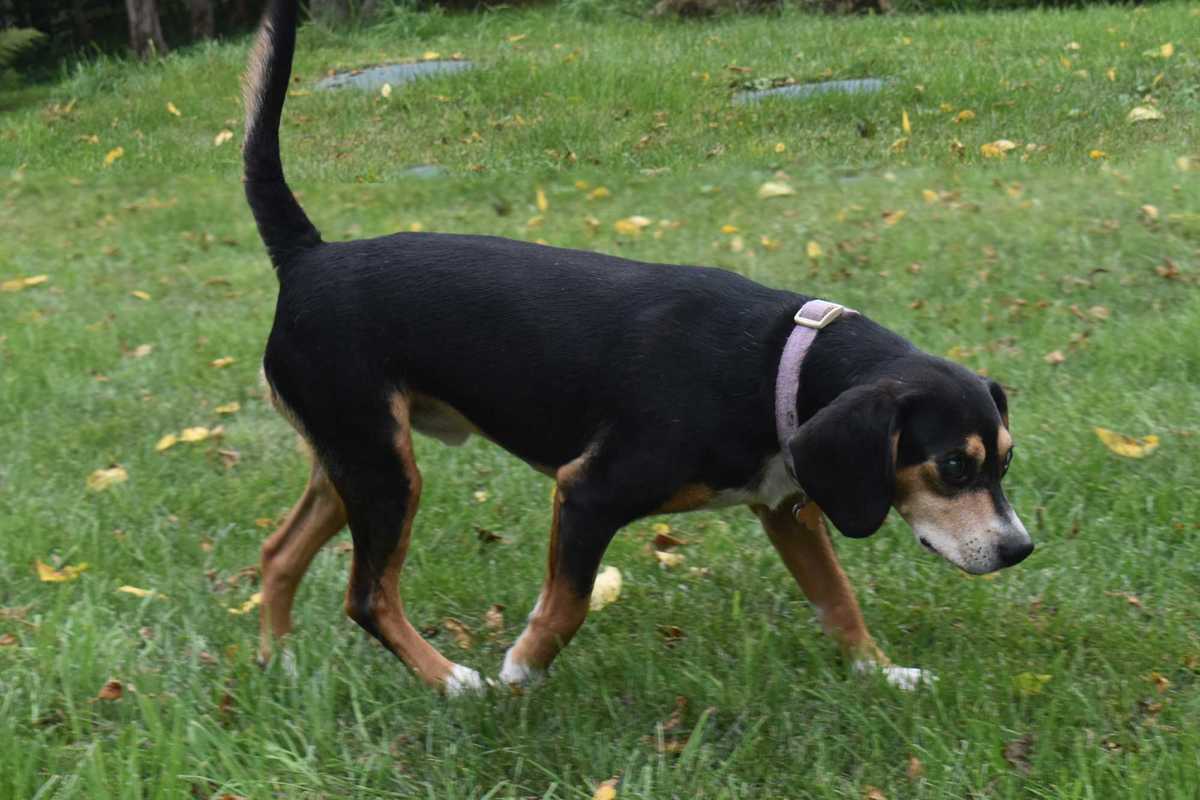
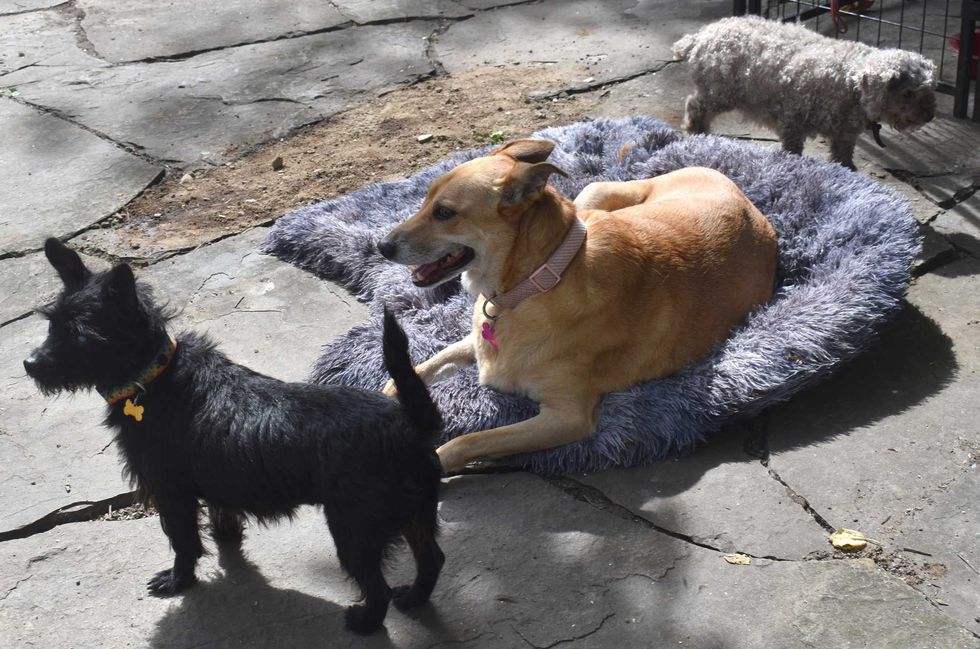 Sadie, center, a Carolina dog, plays with her friend Negra, a terrier mix. Bella Linda, the small poodle, has since been adopted.L. Tomaino
 Wesley, a young, exuberant mix, is looking for an active home.L. Tomaino
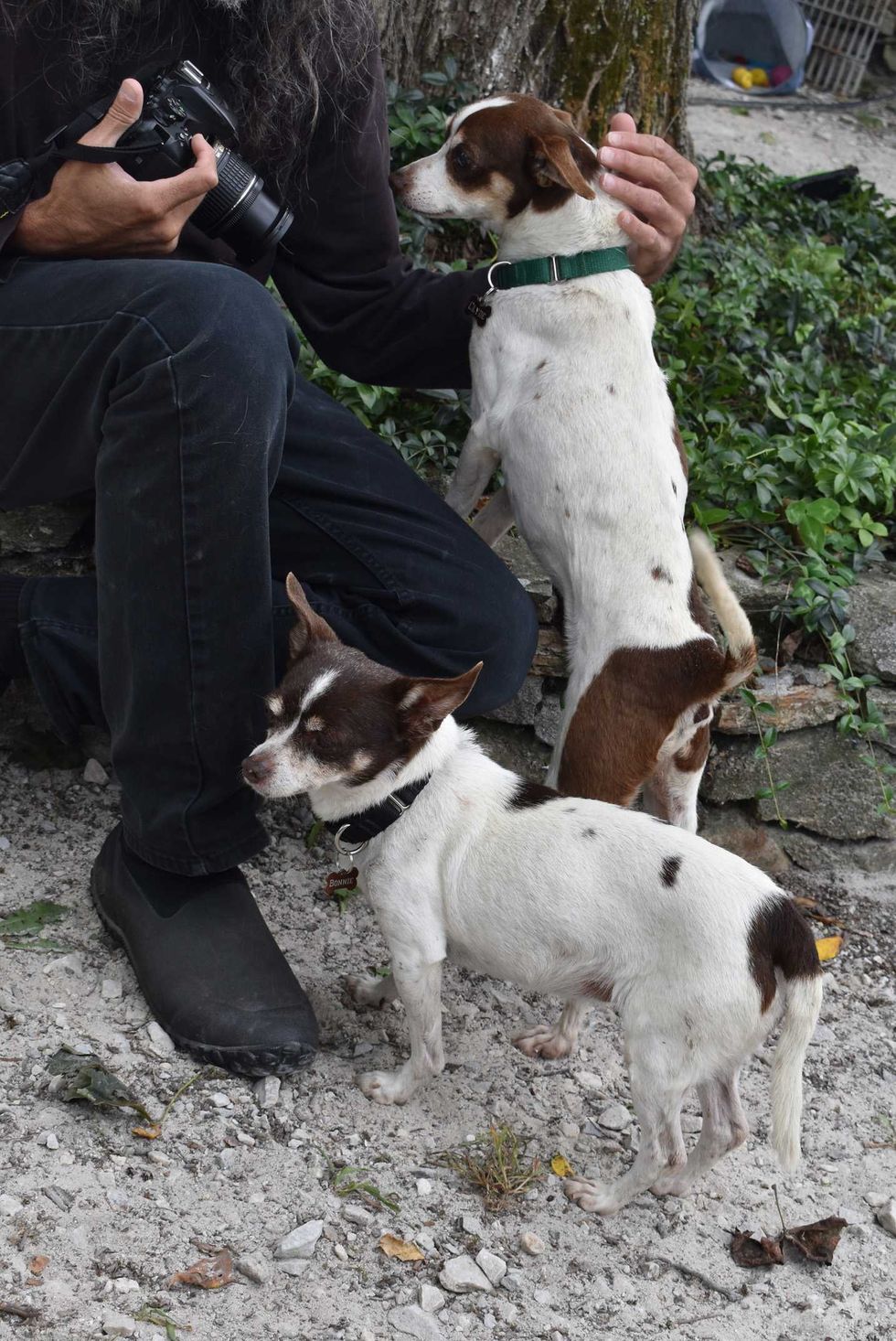 Bonnie and Clyde, an affectionate terrier pair.L. Tomaino
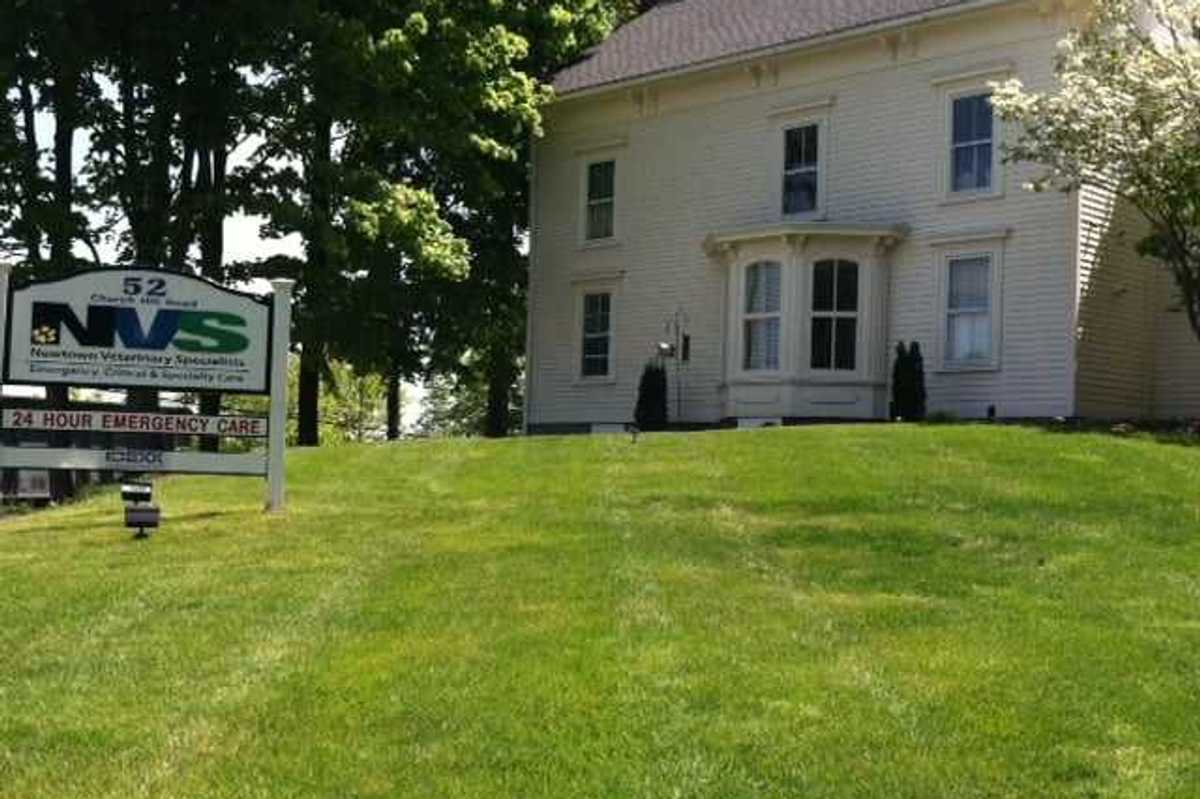
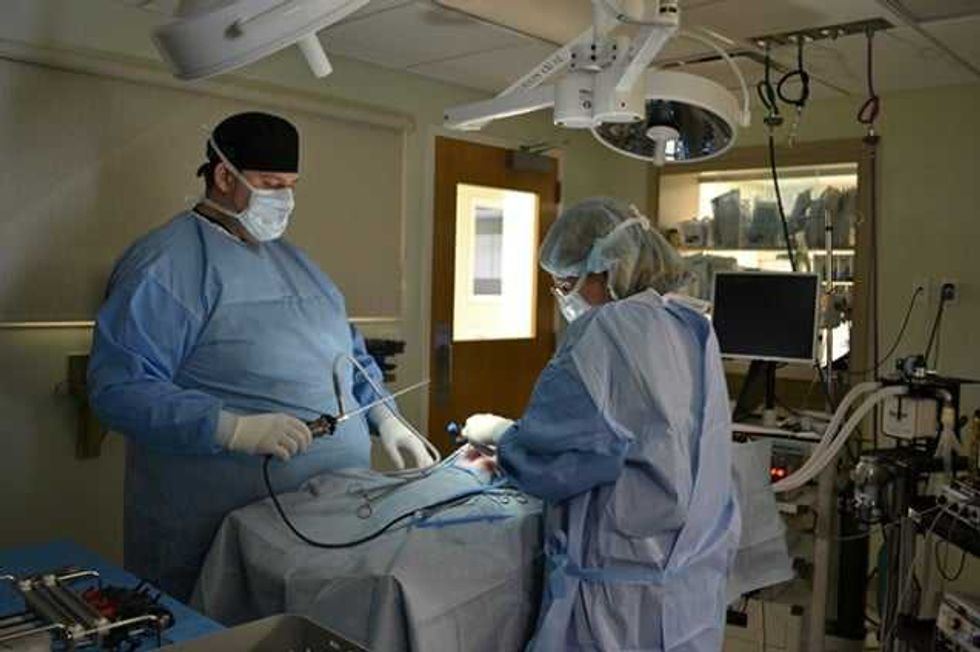 Provided