WASSAIC — The year 2008 marked the beginning of what was to become an annual contemporary arts festival, where history and modernism would come together in this community. The founders of the Wassaic Project, Bowie Zunino, Eve Biddle, and Elan Bogarin, gained the approval of the Maxon Mills owners, Tony Zunino and Richard Berry, to use the mill as an artistic venue. In 2005, Zunino and Berry purchased and restored the mill, saving it from demolition. The Wassaic Project is therefore not only an opportunity for the expression of art, but is also representative of an initiative to bring new life into this historic area. The Wassaic Project Summer Festival, held Aug. 5 to 7, marked the culmination of the project’s annual art program. The festival featured more than 100 artists and 23 bands that performed for festivalgoers, who spanned the inside and outside of the mill buildings. The weekend also included poetry readings, dance performances, film screenings and artist talks, giving artists the opportunity to share their work with both the community and each other.For a first-time attendee, walking through the doors of the Maxon Mills on Aug. 6 was striking, as art was shown on all seven floors, utilizing every annex. Standing by her installation, “You Are My Anchor,” Sarah Hardesty explained the process of incorporating her work into this unique and intimate space, which inspired her to create a piece that would invite people to walk around it. The dark woods lining the interior of this venue offered the contrast that Hardesty sought for her hanging fluorescent pink installation of acrylic, wood and string. She noted her desire to convey that “some kind of process [is] still happening. I don’t want it to feel static.”Hardesty also described the challenge of adjusting one’s artistic vision to fit this unusual space and create site-specific pieces. Her sculpture was accompanied by three line drawings of hawks, which she said complement the hanging installation because of the correspondence of lines from the string and wood with the ink lines in the hawk drawings. Through all her pieces, Hardesty said she feels she has achieved her vision for the project. Several artists chose an interactive approach. Clara Creston, originally from New York City and currently living in Troy, N.Y., invited attendees to take a ride on her installation, the “Knowhere Machine,” which consisted of a stationary bike that, when peddled, spun a series of painted canvases to simulate a bike ride along a country road. The top of the stairs on an upper level saw a great deal of traffic as people stopped to have a drink from Ben Thorp Brown’s “Refuse, Refuse,” which included 123 water jugs arranged in rows on the floor. A sign indicated, for every jug consumed, another would be brought to the Arizona-Mexico border, where deaths have been on the rise. The art and interview collaborative work of Gala Narezo and Shaminade Gonzaga also raised awareness for global issues, in particular those surrounding immigration, through a series of portraits and personal interviews.At the top level, Jeila Gueramian’s “You Are Where You Are” literally transported visitors into what can only be described as a magical forest. Colorful draping fabrics lined the space that was teeming with flowers, trees and glittering hanging lights. Scott Anderson’s audio set the tone in this mythical scene, where children were invited to dress up in green cloaks and play inside. For adults, the installation fostered a sense of nostalgia, as this enchanted scene was reminiscent of a classic fairy tale. Once inside, it was hard to leave the mill, which drew people upward, immersing them in a world of art. However, the scene outside, with the vibe of an outdoor music festival, was also not to be missed. Here, locals and visitors of all ages from New York City and beyond melded together to enjoy good music and food. If the success of an event can be measured by the range of people it appealed to, the festival was a huge hit, as young children and parents took part in enjoying the same scene as the adolescent and young adult subset.Click here for another photo from The Wassaic Project.
Latest News


Want more of our stories on Google? Click here to make us a Preferred Source.
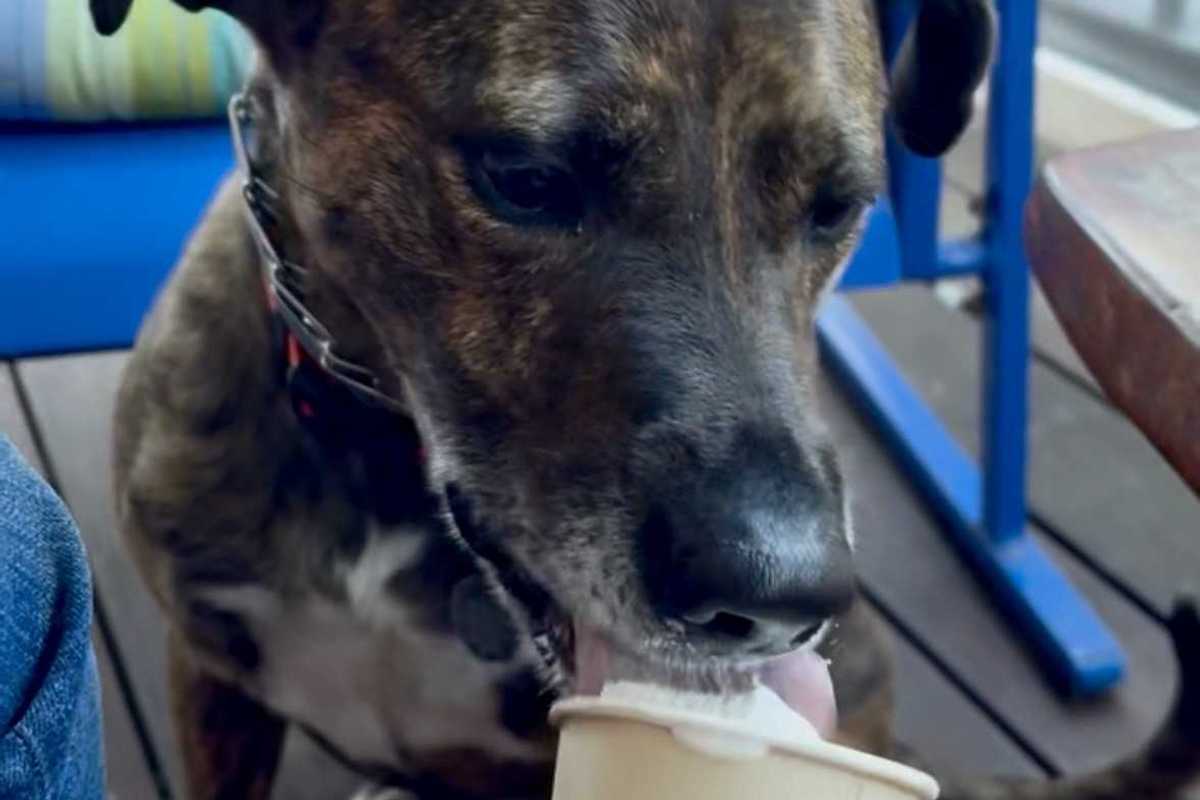
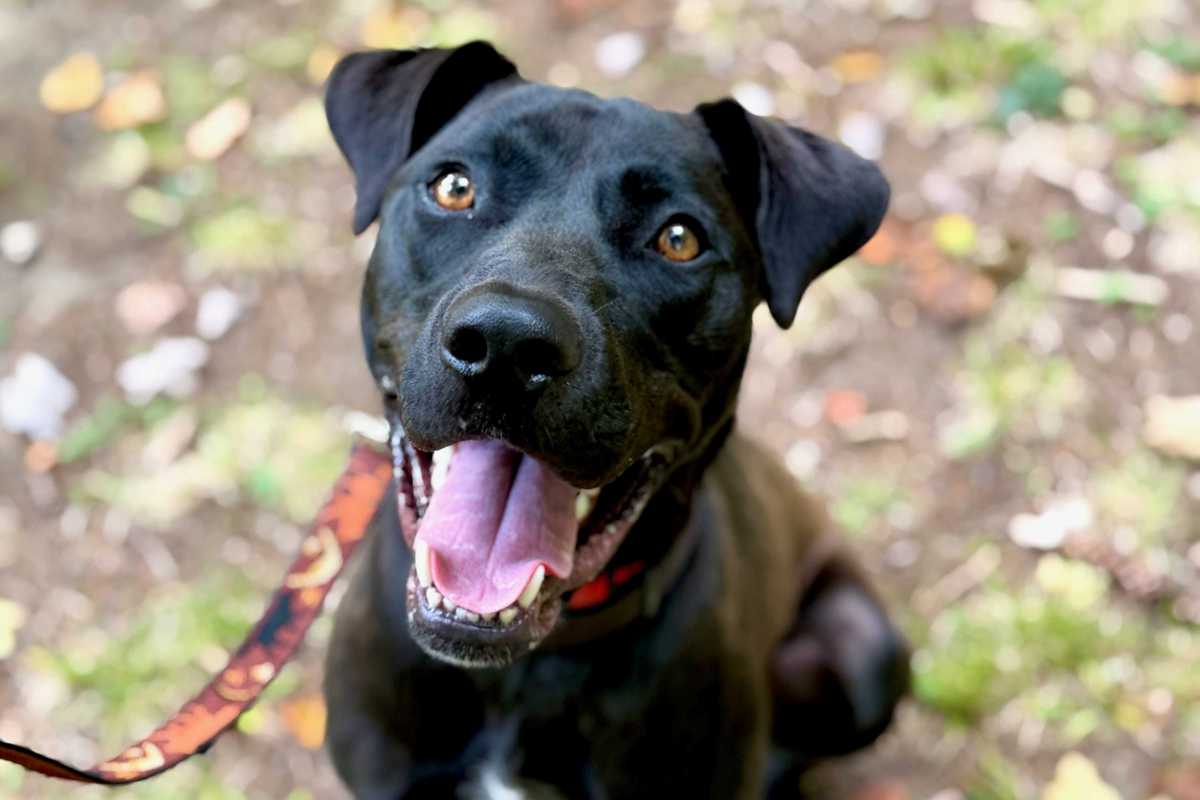
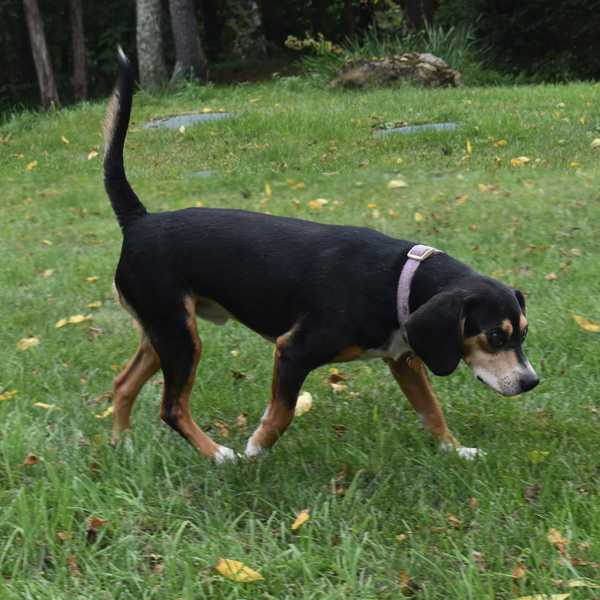
Marsala is eager to go home with you.
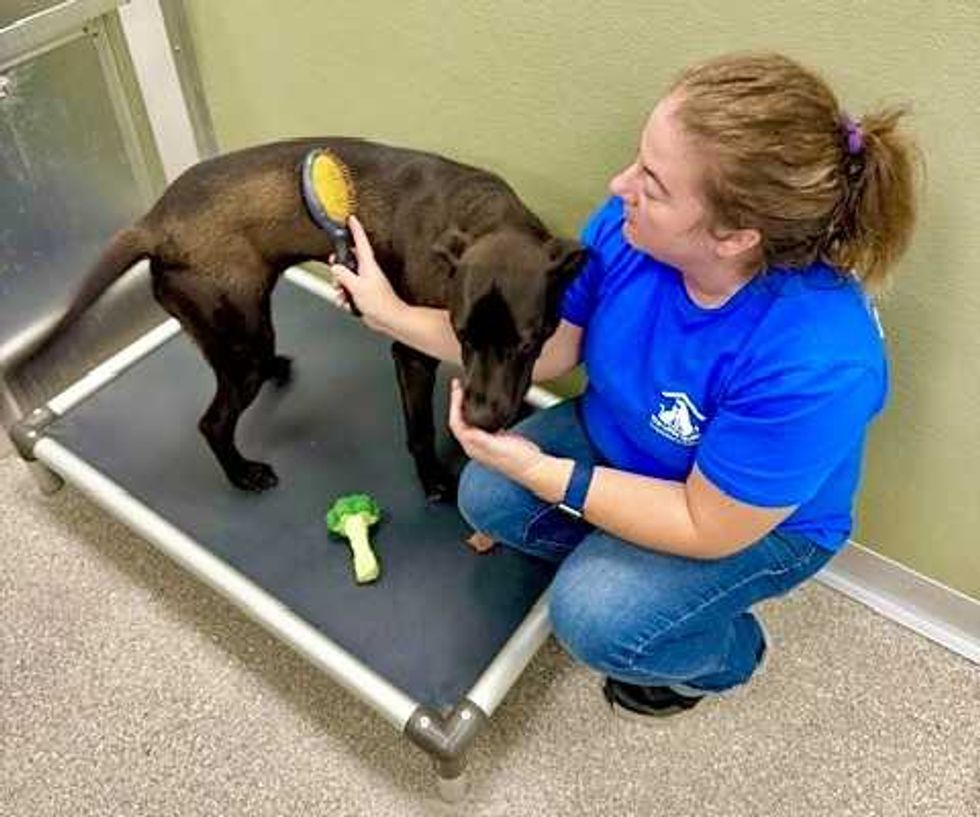 Tiffany Lemelin, shelter manager, brushing Marsala upon arrival.Provided
The Little Guild is an animal shelter at 285 Sharon-Goshen Turnpike in West Cornwall. Founded in 1957, the organization rescues animals from local surrenders and under-resourced shelters. When a rescue animal arrives at The Little Guild, staff begins a careful intake and transition process to ensure the animal is safe, healthy and ready for adoption.
New arrivals are quarantined in-house. Vaccinations are verified as up to date, and staff assesses each animal’s medical, behavioral and placement needs. Rescues receive medical care, daily support and behavioral training to ease shelter stress. Once a dog has finished quarantine and is ready for a home, its profile is published at littleguild.org.
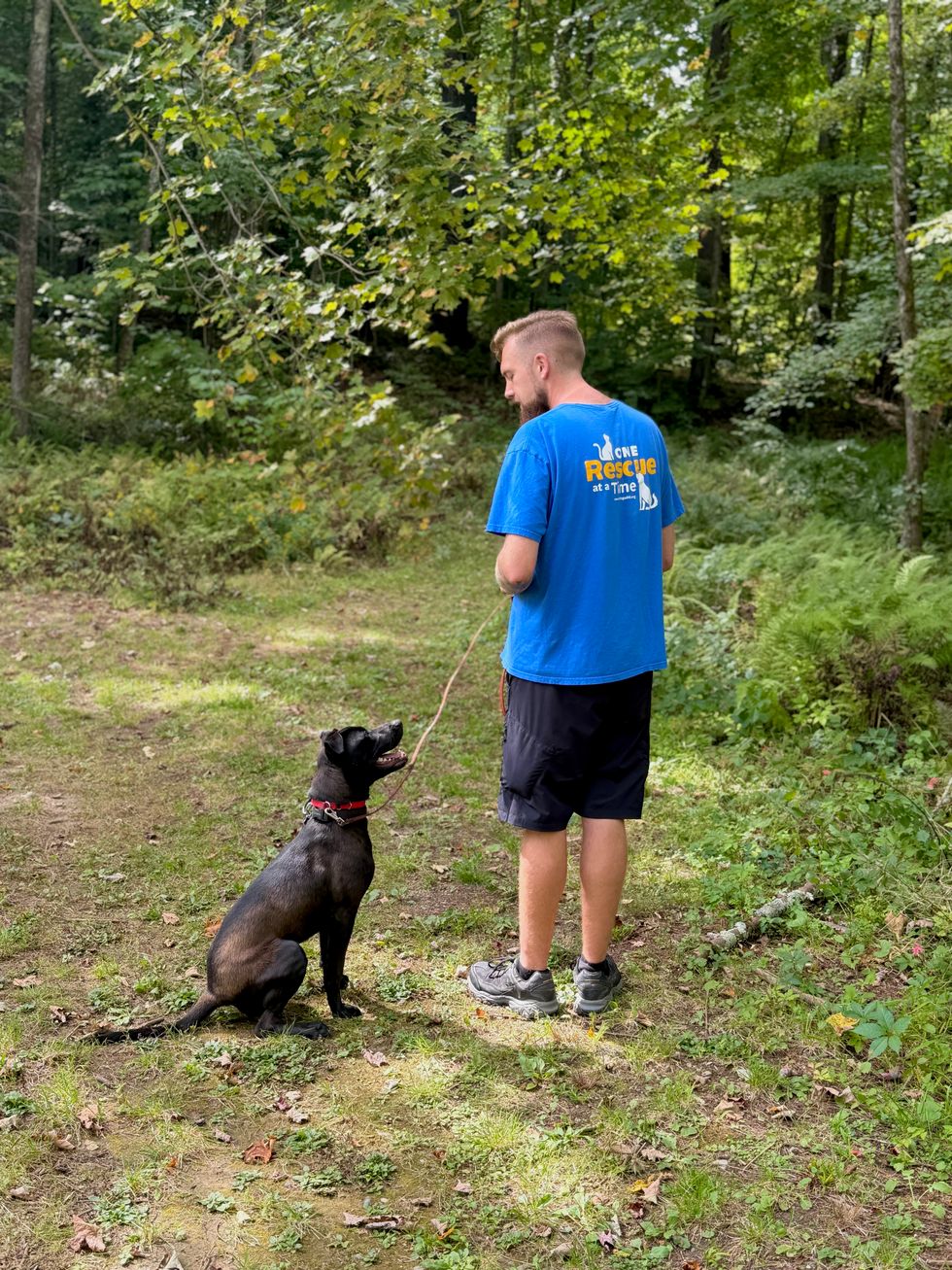 Michael DeBarba, certified dog trainer working with Marsala.Jennifer Almquist
Prospective adopters fill out an online application with information about their household and veterinary and personal references.
The next step is for the prospective adopter and family members to meet the dog. If there is already a dog in the household, a meet-and-greet is scheduled so the dogs can get acquainted.
The animal care staff offers guidance based on its knowledge of each animal’s personality, needs and quirks to help families find the best fit.
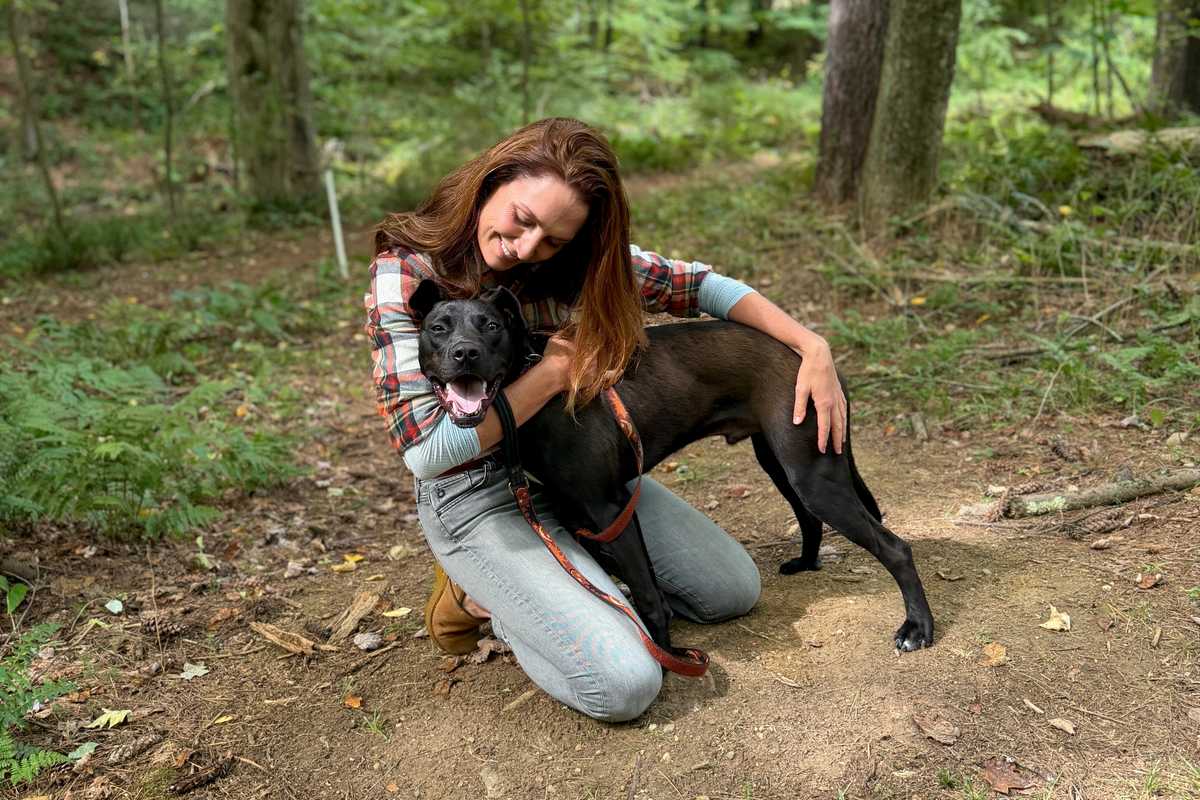 Marsala wins a heart.Jennifer Almquist
Once a match is made, the adoption contract outlines aftercare. Adopters agree to return the animal to The Little Guild if the adoption doesn’t work out. The organization’s commitment continues after adoption, with six months of free training and follow-up from staff to answer questions or address concerns.
“Please don’t pass Marsala by,” Lemelin said. “He loves people and other dogs. He’s a lap dog who lives for snuggles, cuddles and face kisses. Marsala deserves a family, a soft bed and a lifetime of being chosen.”
To find out about Marsala and other rescue dogs and cats, visit littleguild.org
Want more of our stories on Google? Click here to make us a Preferred Source.