If your green thumb pales at the very thought of houseplants, then the advice offered during a recent upbeat presentation by noted gardening author, horticulturist, photographer, and avid fan of houseplants, Tovah Martin, could be just what you need.
A program co-sponsored by The Hotchkiss Library of Sharon, Conn., and the Essex Memorial Library of Essex, Conn., titled “Easiest Houseplants Ever, With Style,” was presented on Thursday, Feb. 16, drawing a sizable audience to hear Martin’s rapid-fire positive advice and encouragement. Viewers were treated to 120 images of houseplants that are easy to manage. Important to the presentation, also, was advice on how to pot and display for maximum visual effect.
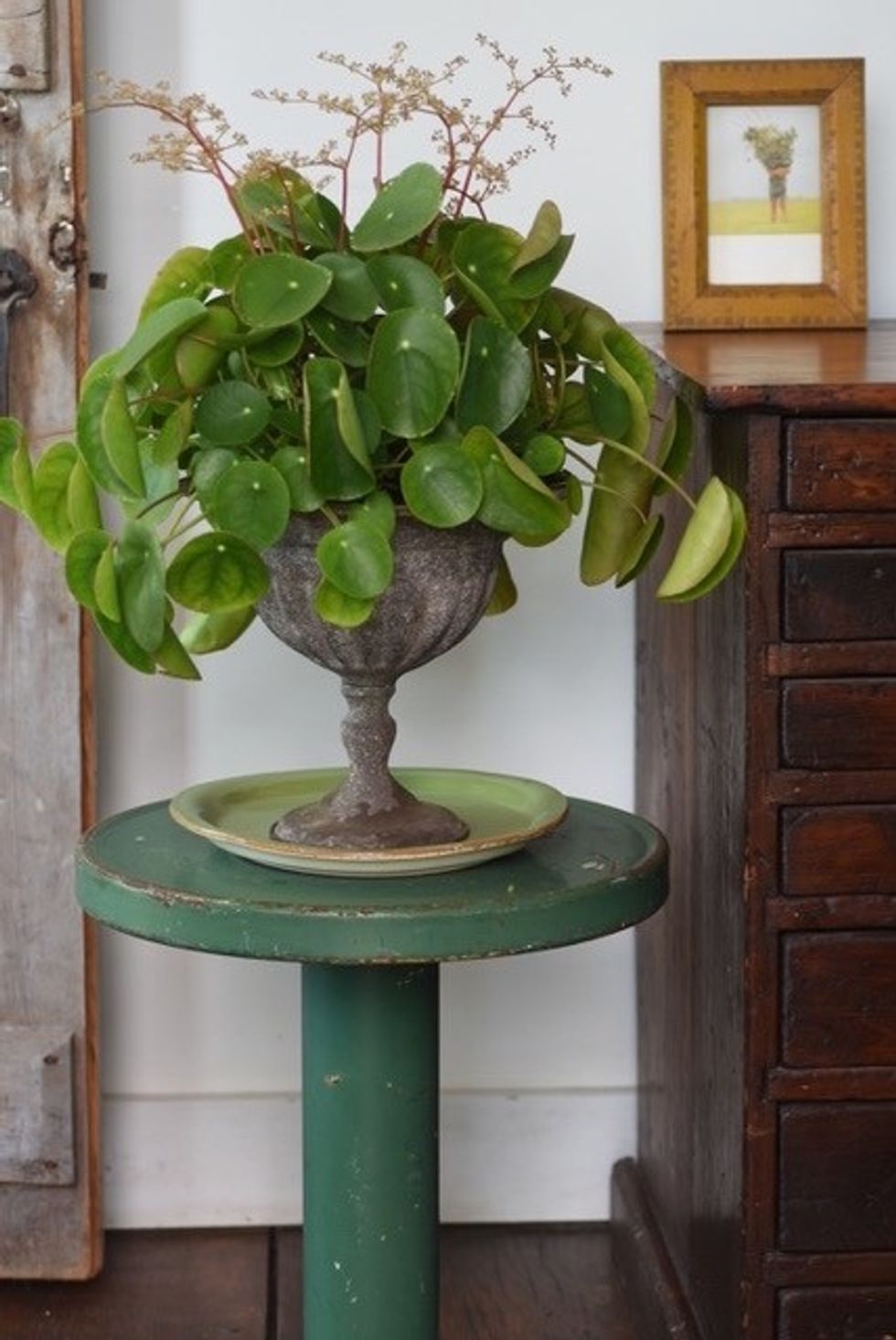
“Making plants look like art,” was a companion theme, illustrating how to display and grow with style. To begin, turn away from any type of plastic container. Better to use imagination in finding pots of other materials. Thrift shops can be a low-cost source for potting vessels that can effectively be displayed on pedestals of varying heights, achieving a personalized, flexible style. Holes can be drilled for drainage, Martin pointed out.
If the container is too fragile to accept drilling, then Martin suggests placing one or two inches of pebbles in the bottom, mixing with one tablespoon of horticultural charcoal, then adding the potting soil. That pebble-charcoal layer will prevent the soil from smelling bad due to a lack of drainage.
Soil should fill the pot from the bottom up, Martin advised. Avoid adding filler materials to the bottom of the pot, things like Styrofoam peanuts, or other packing materials that some people may try, hoping to use less potting soil.
“I use long, tall containers for plants that will grow downward,” Martin said, adding that there is nothing easier than ivy, even if situated a short distance from a north-facing window.
Combining plants into groupings is similar to a jigsaw puzzle, Martin said, adding that west-facing windows are a bit better than east-facing for growing houseplants. Her plants happily spend the summers outdoors, adding instant plant variety to the outdoor garden.
“I love foliage,” Martin said, “particularly ferns of all varieties that can thrive away from a window.”
“Let’s talk about water,” she said, indicating that she does not water based on a particular day of the week. Rather, she uses the sensitivity method. “I check each plant because I love to visit them.”
“I know my soil,” Martin said. If it is pale and dry and not dark, it needs water. You can stick your finger in, or you could use the eraser end of a pencil. If the eraser comes out clean, the soil is dry. If it comes out with a bit of soil adhering to it, then water is not needed. What could be simpler?
“There is nothing easier than an African Violet,” she said, noting that they are happiest in a shady spot.
Herbs are great to grow indoors, Martin said, although they need sun and a deep container.
Responding to questions from viewers wrestling with issues, Martin said that plants exist to make you feel happy. If a plant grows to a stage where it is not giving you pleasure, it is quite acceptable to send it away.
About soil, Martin favors the organic potting soil sold at McEnroe’s Farm, Millerton, New York, above all others. “McEnroe’s has great potting soil,” Martin said, adding that vermiculite, found in some packaged soils should be avoided.
Tovah Martin will present a program titled “In Unison” at Kent Memorial Library on Saturday, Feb. 25, beginning at 2 p.m. The talk will explore how to create harmonious combinations to attract and please pollinators. To register for the in-person talk, go to www.kentmemoriallibrary.org.



 Pay Bill for Robin Starr’s service in the Continental Army.Courtesy the Alex Breanne Corporation
 John Mills speaking at Quinnipiac University.Courtesy the Alex Breanne Corporation
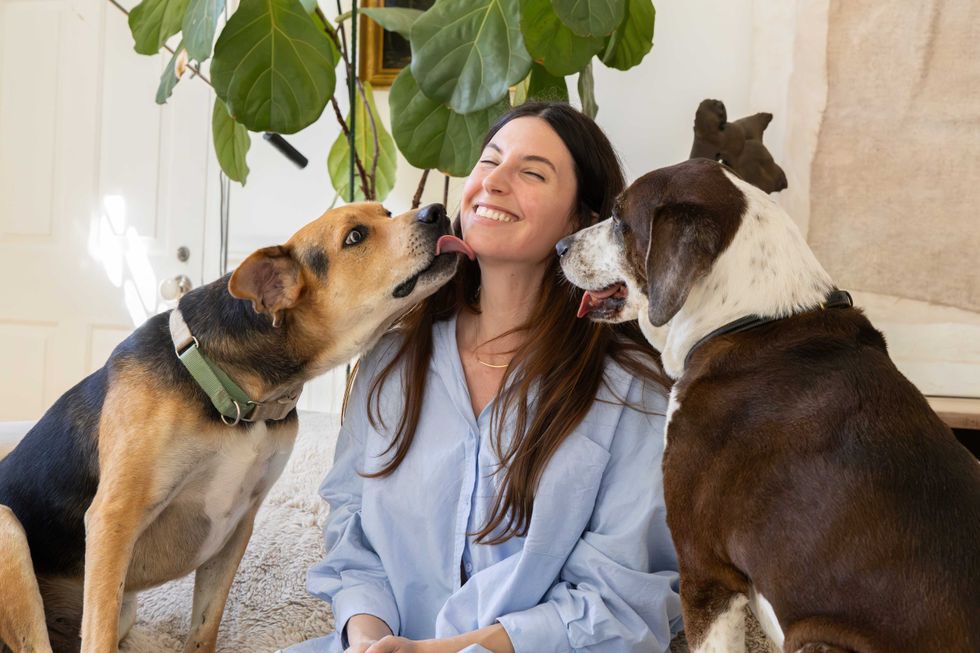 Stephanie Saetta,with her rescue dog George and Blue (left), a shepherd mix awaiting his forever home.Madi Long
 Blue, a 7 year-old Shepard mix, is waiting for his forever home. Madi Long