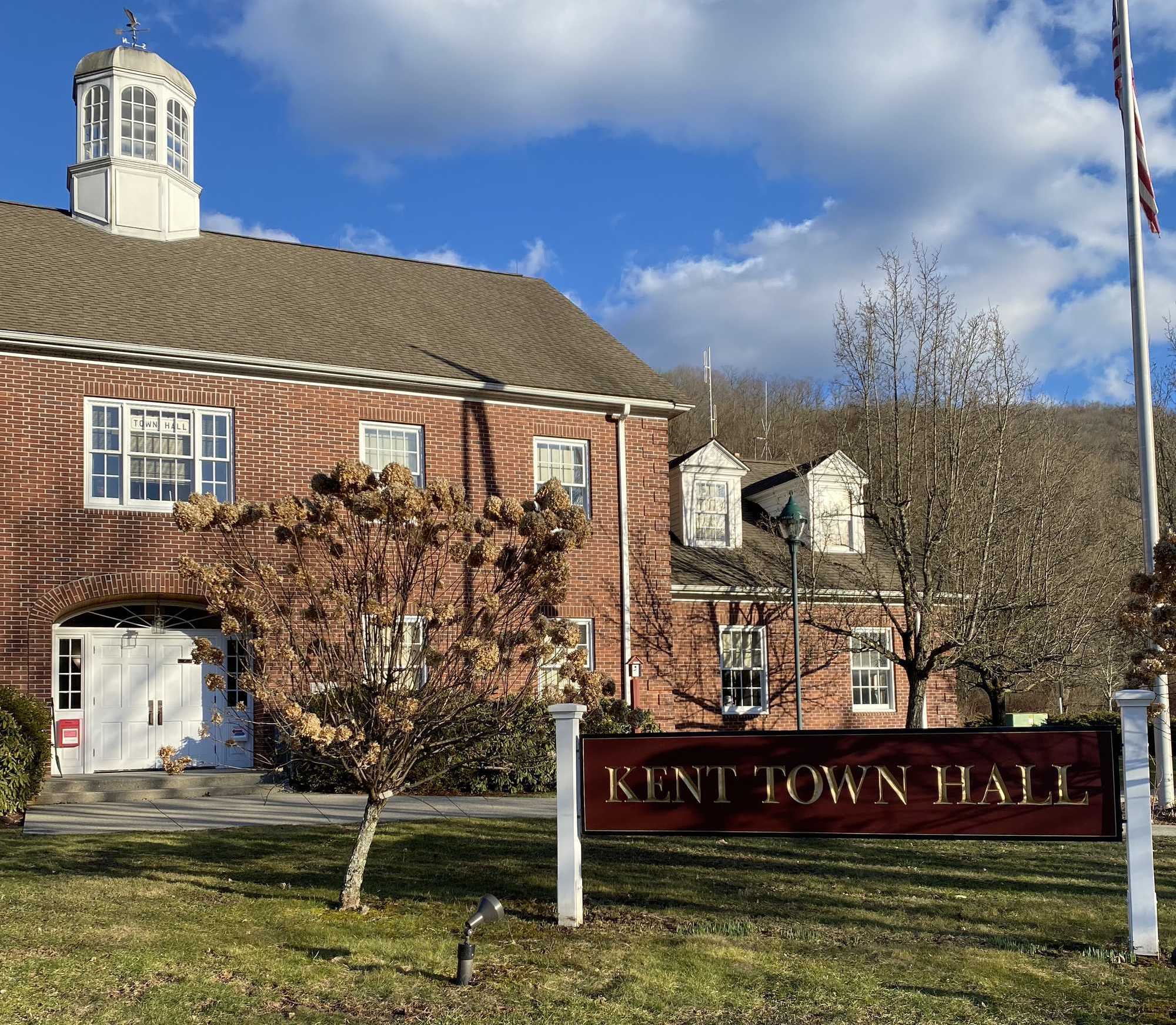
After ordering last-minute cuts to both the municipal and education budget proposals during a special meeting on April 14, the Board of Finance voted to send both to a public hearing.
On May 1, residents will have the opportunity to weigh in on both fiscal year 2027 proposals, which together amount to a mill rate of 17.45, a 0.58 or 3.44% increase from last year. The mill rate is the amount of tax paid per $1,000 of assessed property value.
To help balance the budget, the board also voted to use $250,000 from the town’s unassigned general fund — essentially savings not set aside for a specific purpose.
The Five Year Capital Plan, which was edited extensively during Tuesday’s meeting, will also be subjected to public scrutiny at the May hearing.
Hopes were high at the meeting’s outset to flatline the mill rate from last year, but Treasurer Barbara Herbst’s announcement that that would require a nearly $900,000 reduction caused the BOF to shift its approach.
Ultimately, the Board of Education was asked to pull $30,000 from its bottom line before the May 1 hearing. Currently, it sits at $5,337,470, a 2.69% increase from fiscal year 2026. Along with $2,808,970 allocated towards Kent’s Region One contribution, total education expenditures, before the reduction, total $8,146,440.
The municipal operating budget is proposed at $5,277,965, a 5.08% increase over the current fiscal year.
The only line item changed by the BOF during Tuesday’s meeting was to the town’s contribution towards an aquatic invasive species management plan for Lake Waramaug. The funds are dedicated toward a proposed boat screening facility at the lake that would monitor for hydrilla, a particularly aggressive invasive waterweed.
Board members have previously questioned Kent’s share of the cost, noting that only a small portion of the lake lies within the town. For instance, only three houses and the storefront state park are within town lines.
Originally planned as a 20-40-40 split of a $100,000 project cost among Washington, Warren and Kent, First Selectman Eric Epstein said Tuesday that updated staffing estimates have reduced Kent’s share to $13,000, plus $3,000 in regular annual lake expenses.
BOF members were still unsatisfied with what member Casey Cogut described as a “half-baked plan” that is unfair to Kent taxpayers.
Ultimately, the Board voted to reduce the line to a total of $7,500 from the $16,000 previously allocated. Since $3,000 are dedicated towards other costs related to the lake, only $4,000 remain for the hydrilla prevention project. Washington has proposed $26,000 towards the effort, which Warren is meant to match.
There may be fallout from the decision, Epstein said: “It’s going to strain our relationship with the other two towns, I believe.”
Most of the BOF’s focus during Tuesday’s meeting was directed towards the Five Year Capital Plan.
Portions of funds for several projects that were meant to become taxable this year were pushed back over the line. The Swift House, a long-unused town-owned historic building that has had capital suspended in limbo for years, saw its funding moved back a year due to no clear plan forward for the building. A special town committee that was established in February to outline options for the building is expecting a report before the budget vote in May.
Capital intended to support the installation of amenities at Emery Park, including restrooms, was also moved out of tax position on the plan. The park is planned for a major overhaul in the coming years, but several proposals for the site, such as the rehabilitation of the town swimming pond, have seen recent delays.
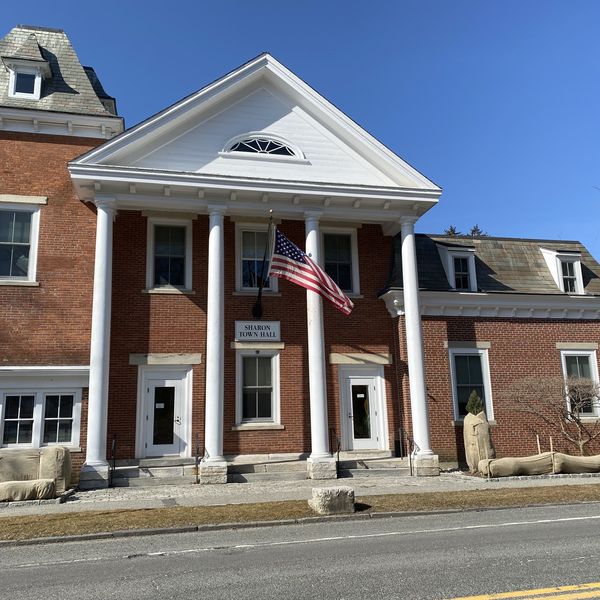
The hearing will be held at 6 p.m. on May 1 at Town Hall.

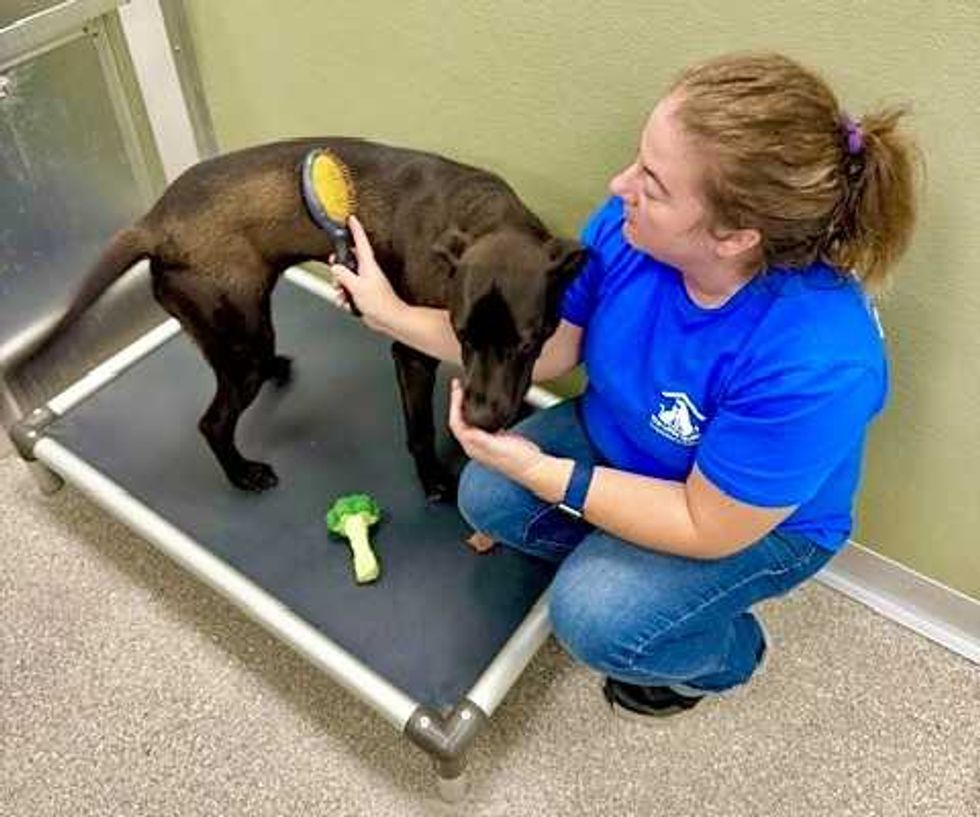 Tiffany Lemelin, shelter manager, brushing Marsala upon arrival.Provided
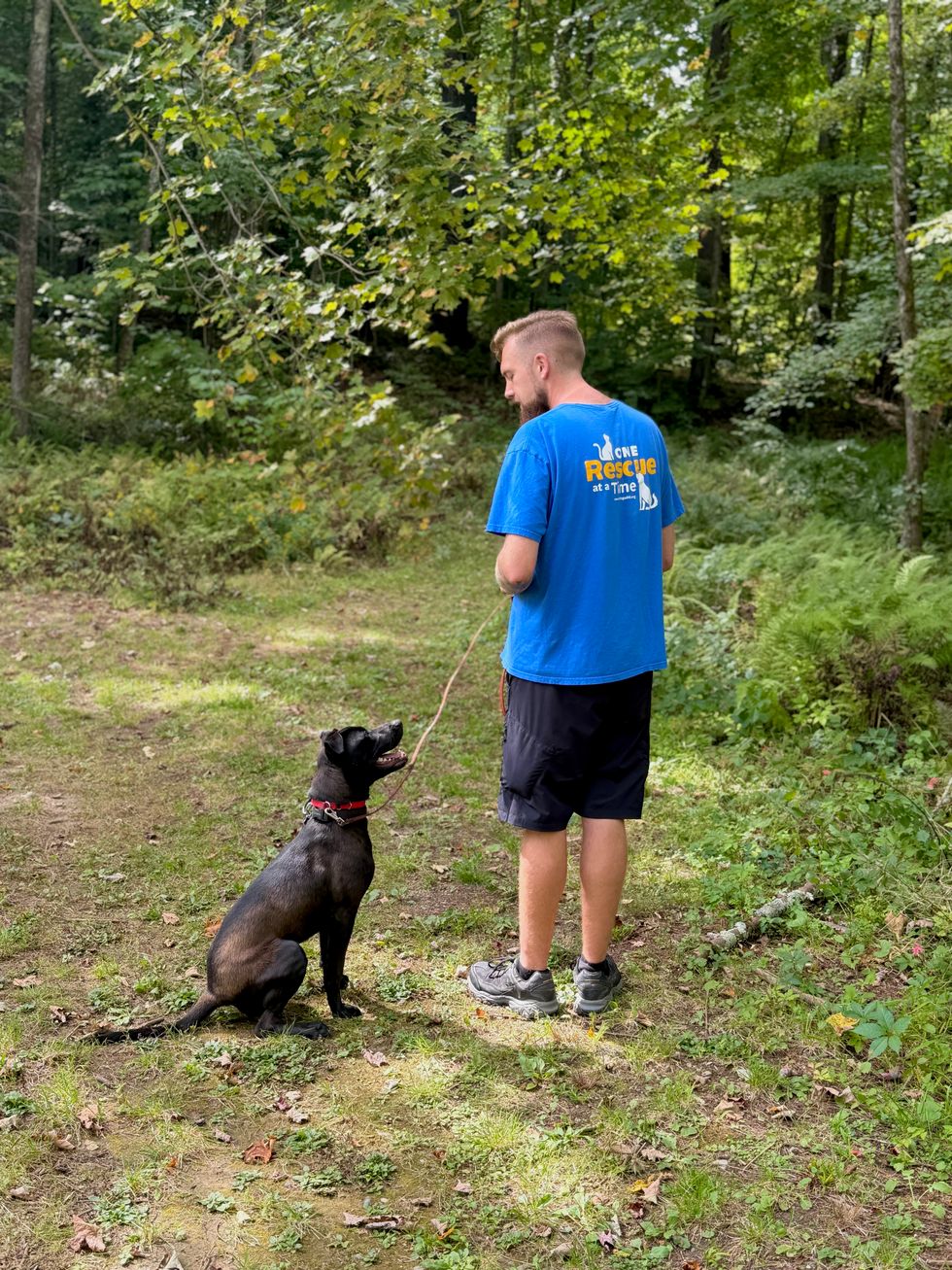 Michael DeBarba, certified dog trainer working with Marsala.Jennifer Almquist
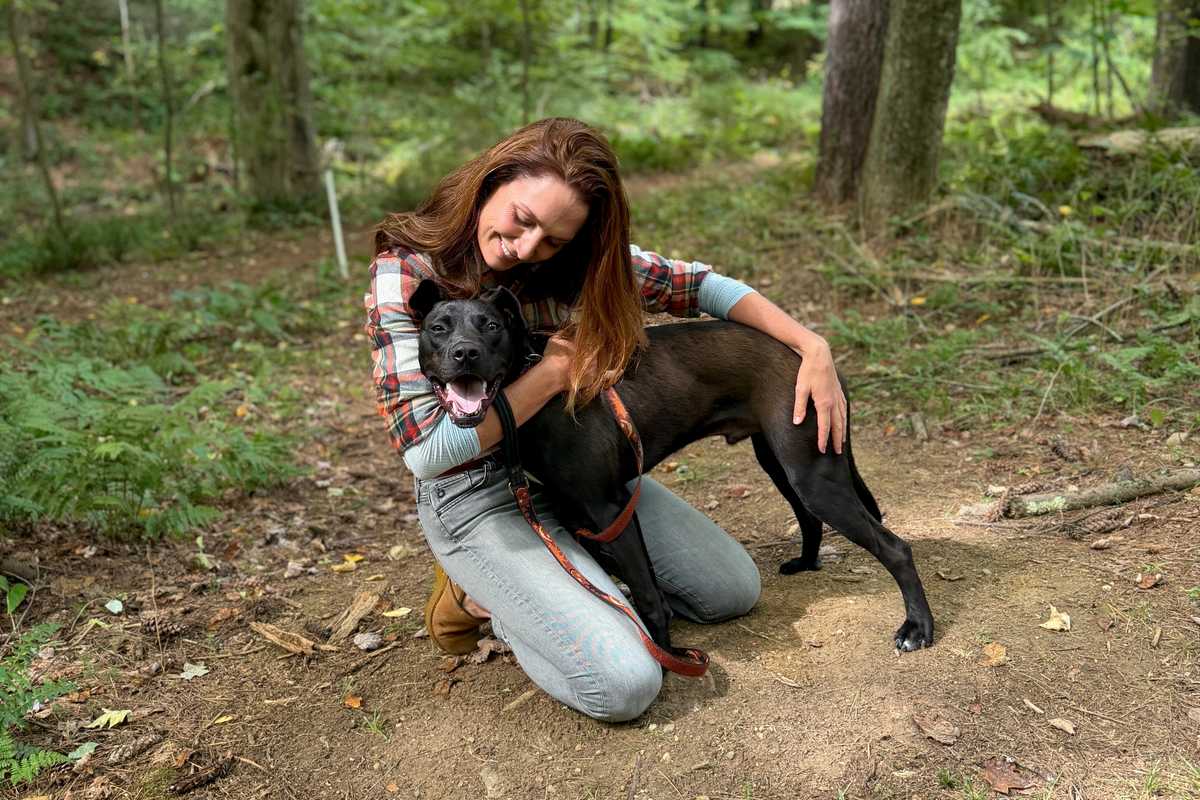 Marsala wins a heart.Jennifer Almquist
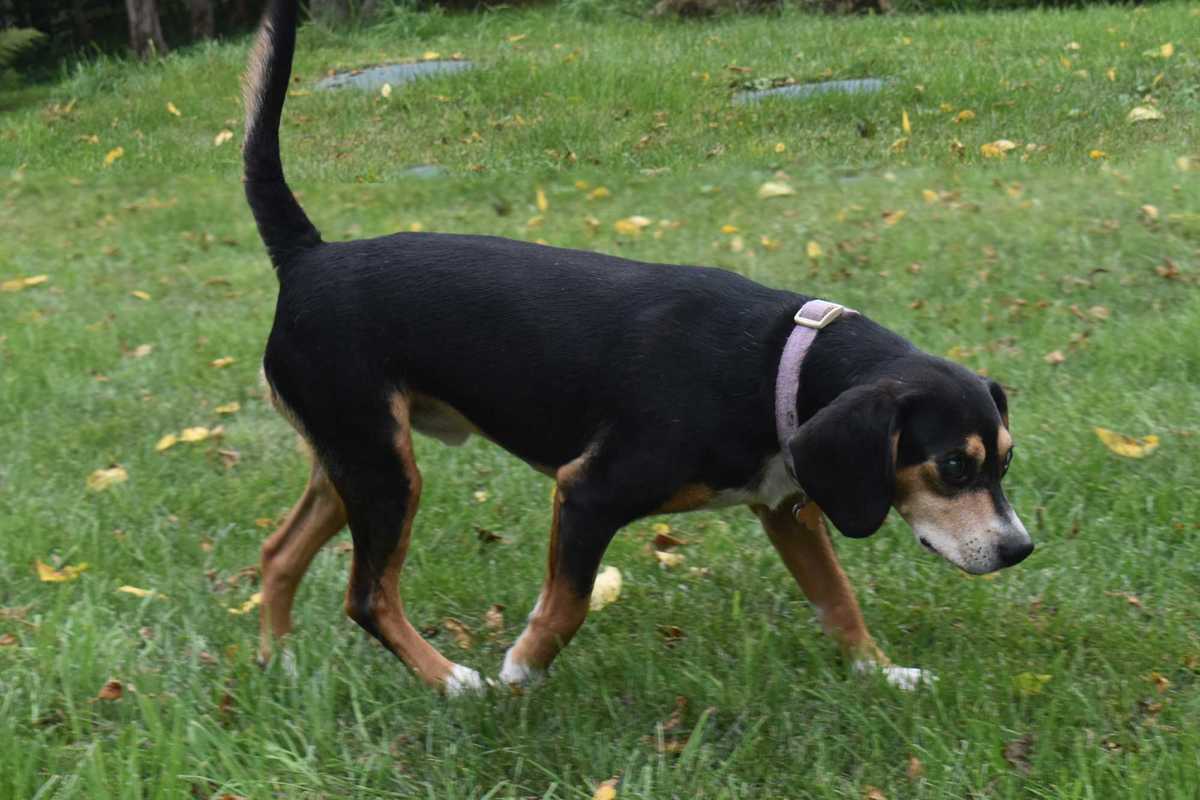
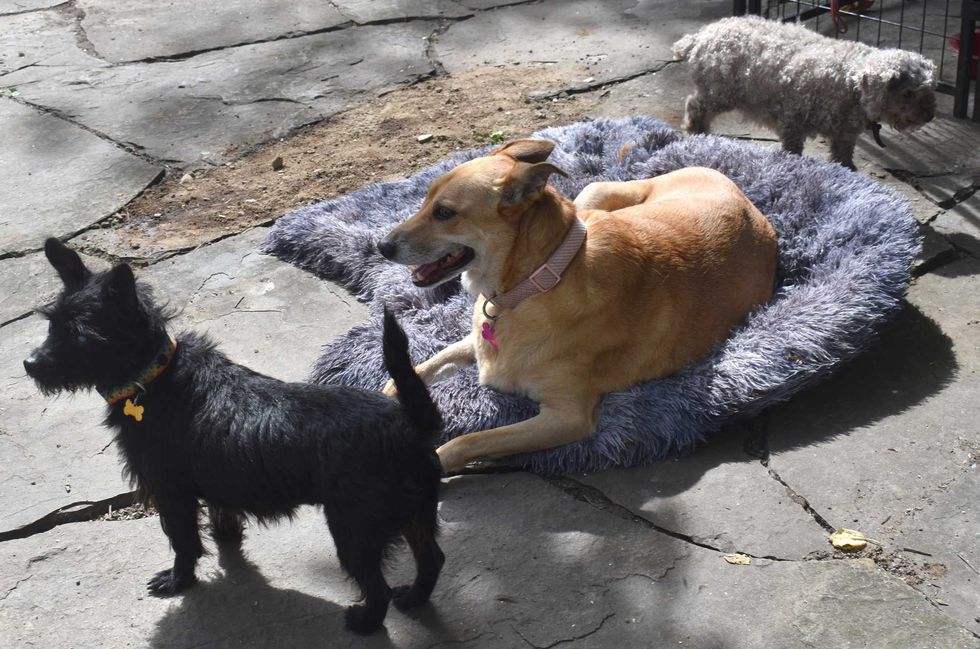 Sadie, center, a Carolina dog, plays with her friend Negra, a terrier mix. Bella Linda, the small poodle, has since been adopted.L. Tomaino
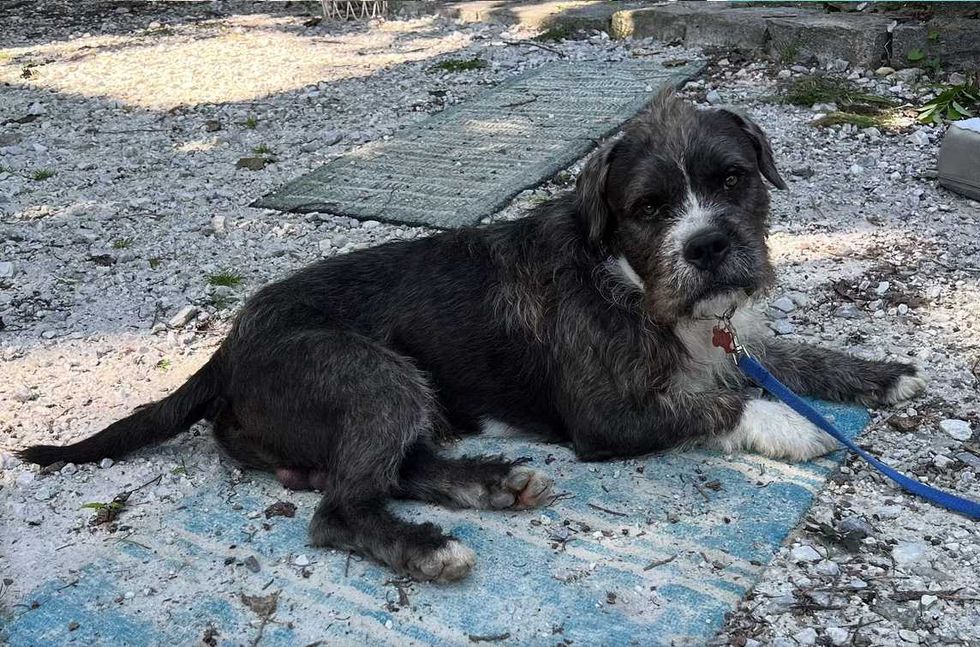 Wesley, a young, exuberant mix, is looking for an active home.L. Tomaino
 Bonnie and Clyde, an affectionate terrier pair.L. Tomaino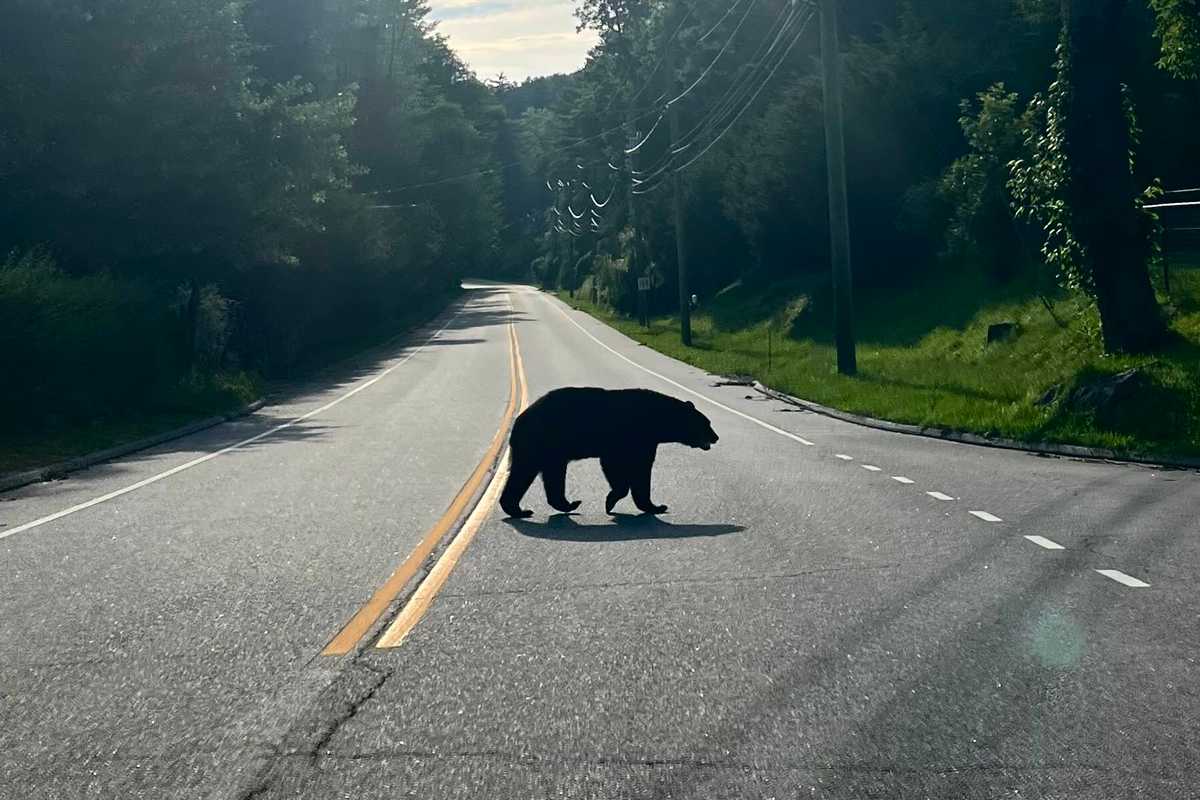
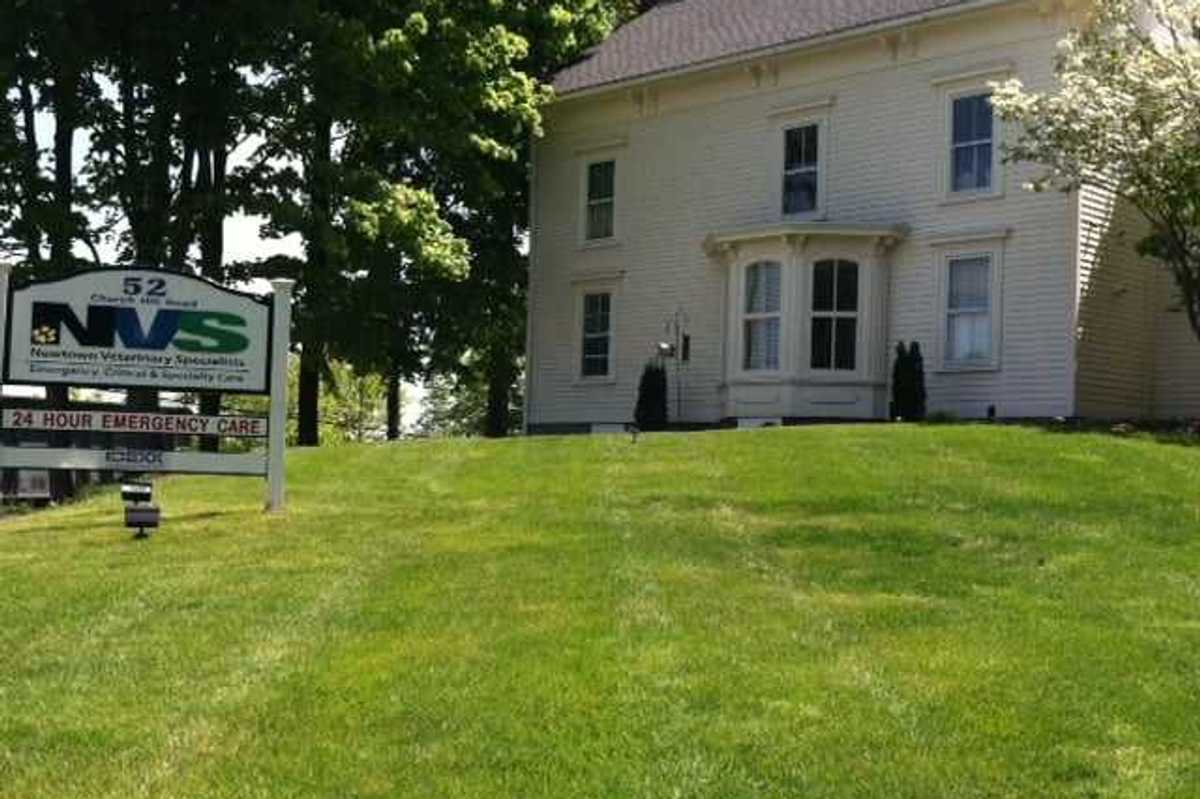
 Provided